
The facade
Sixteenth-century stone windows and an oriel.
China Crisis — CC BY-SA 3.0 · Rijksmuseum — CC0 · Kramm, C., architect — Public domain · Rijksmuseum — CC0
The Paushuize, the Pope's House, is a town palace of 1517 in central Utrecht, built for one man who never spent a day in it: Adrian VI, the only Dutch pope in history. The story is short and a little sad. Adriaan Florenszoon Boeyens was born in Utrecht, taught at its university and became tutor to the future Emperor Charles V. While he was in Spain in 1522 he was elected pope in his absence and without having sought it. He ordered this house built to return to, but he never left Rome and died there just twenty months after his election. The house remained; the man did not. The sixteenth-century facade with its stone windows and its oriel still stands, and the building today is a representative seat of the province of Utrecht used for events, not normally open to casual visitors. It is seen free from the street, a short stop on the walk between the Dom tower and the old botanical garden.
Sixteenth-century stone windows and an oriel.
On the walk between the Dom tower and the old botanical garden.
Kromme Nieuwegracht 49, 3512 Utrecht
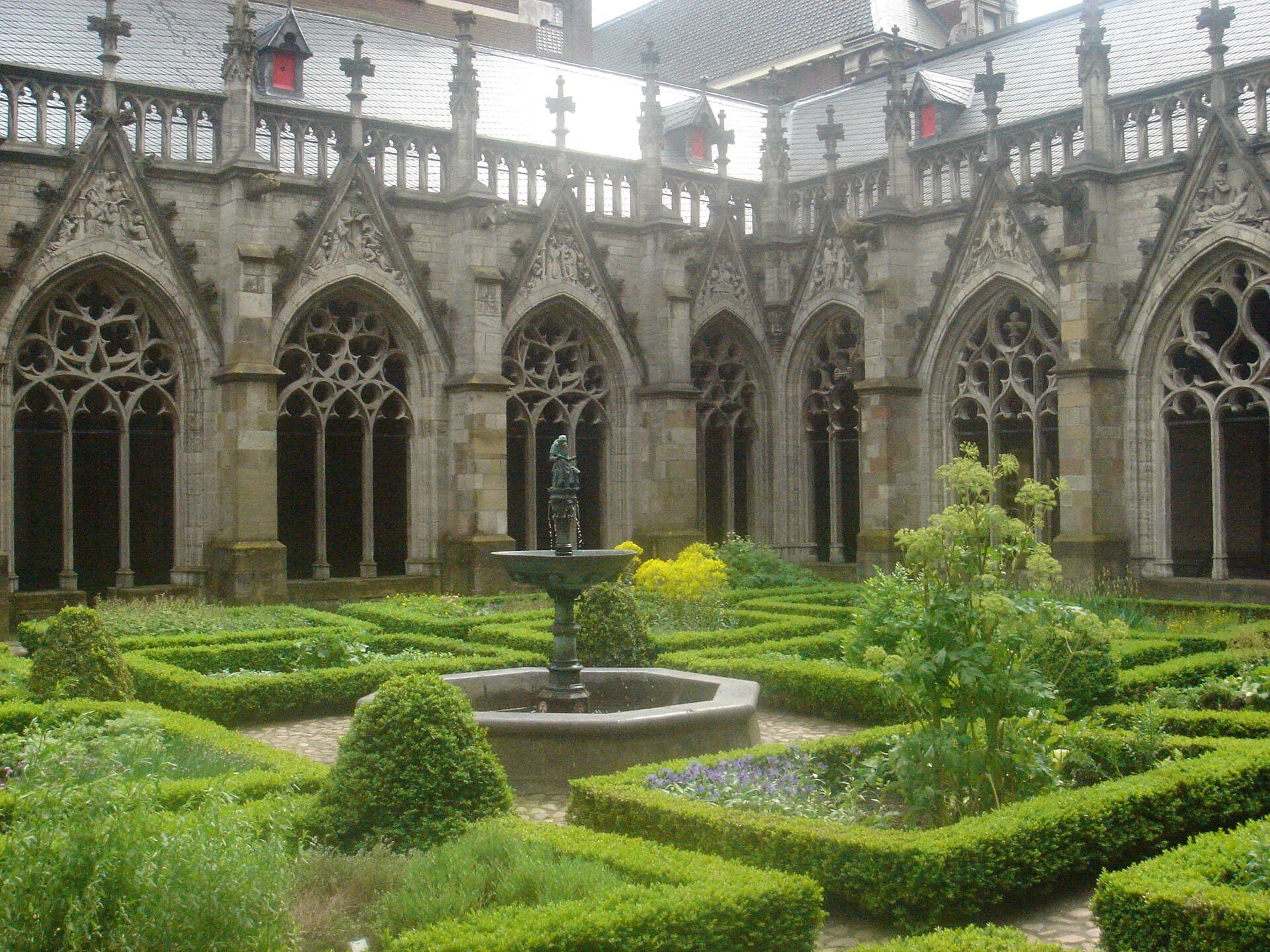 Pandhof GardenThe Pandhof is the Gothic cloister garden adjoining the Dom church — the lovelie1 minute walk4.8
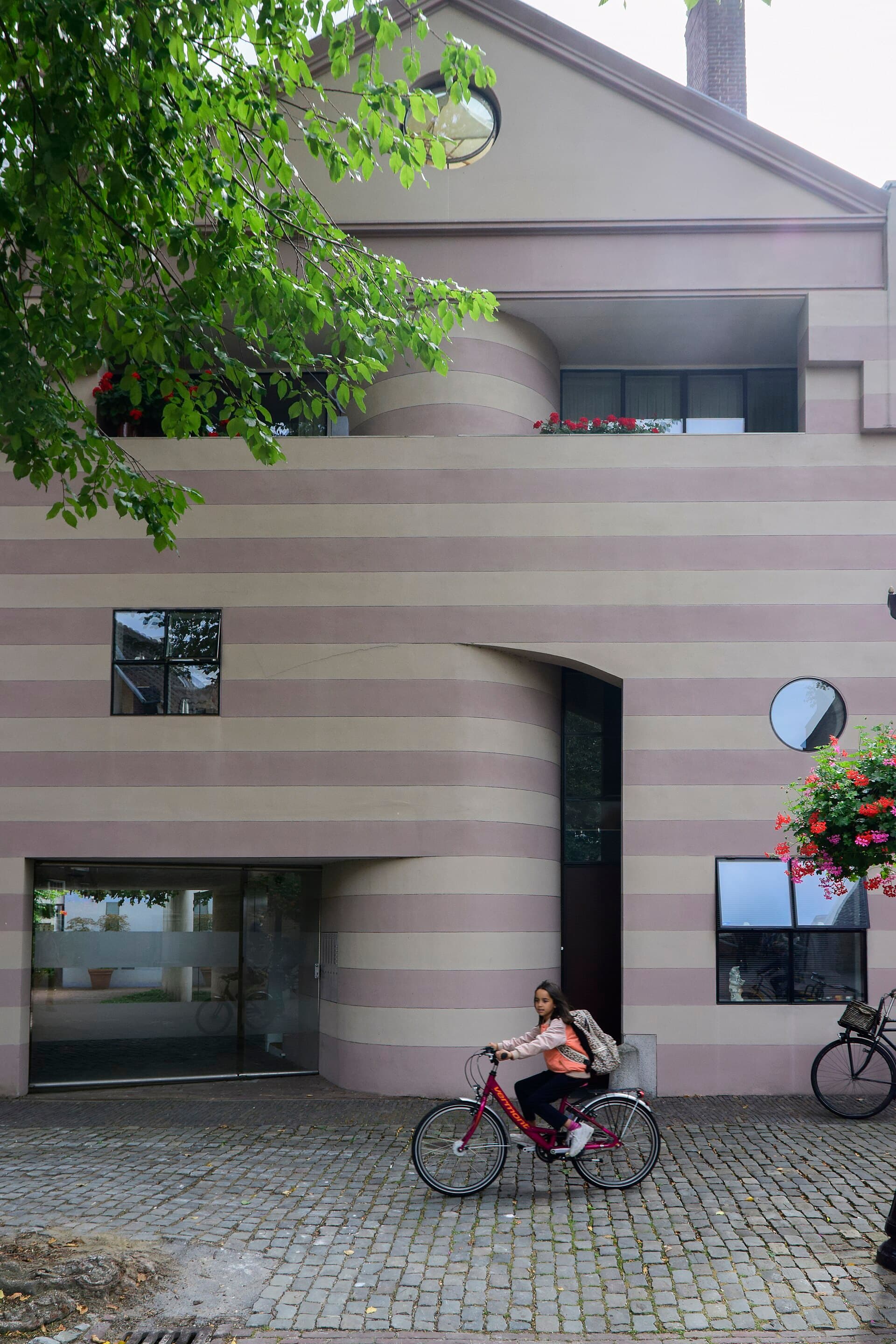 The Van Schijndel Glass HouseA house in central Utrecht whose entire front is thick glass, designed by the ar2 minutes walk4.1
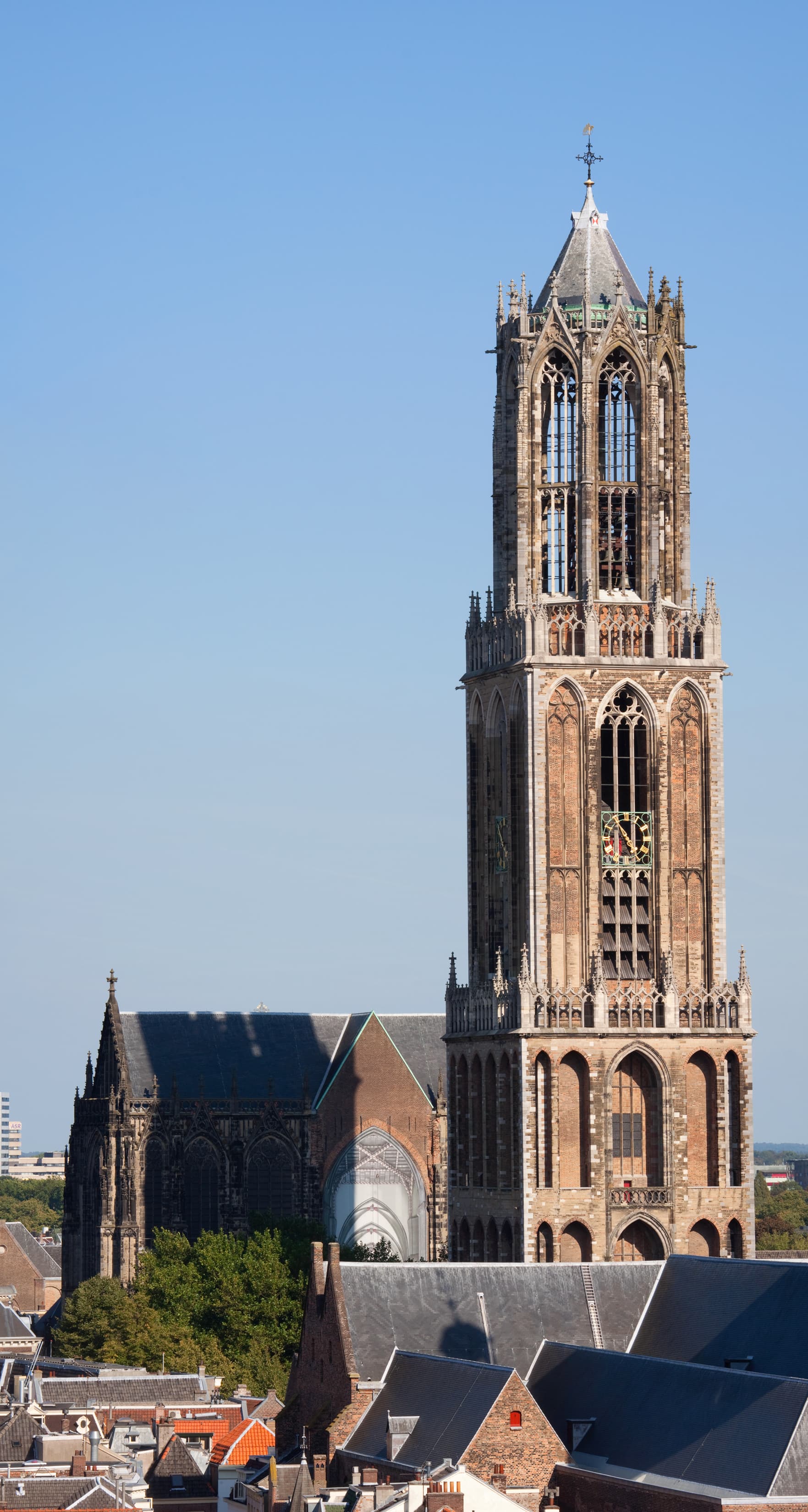 Dom TowerThe Dom Tower is the tallest church tower in the Netherlands (112 metres) and Ut2 minutes walk4.4
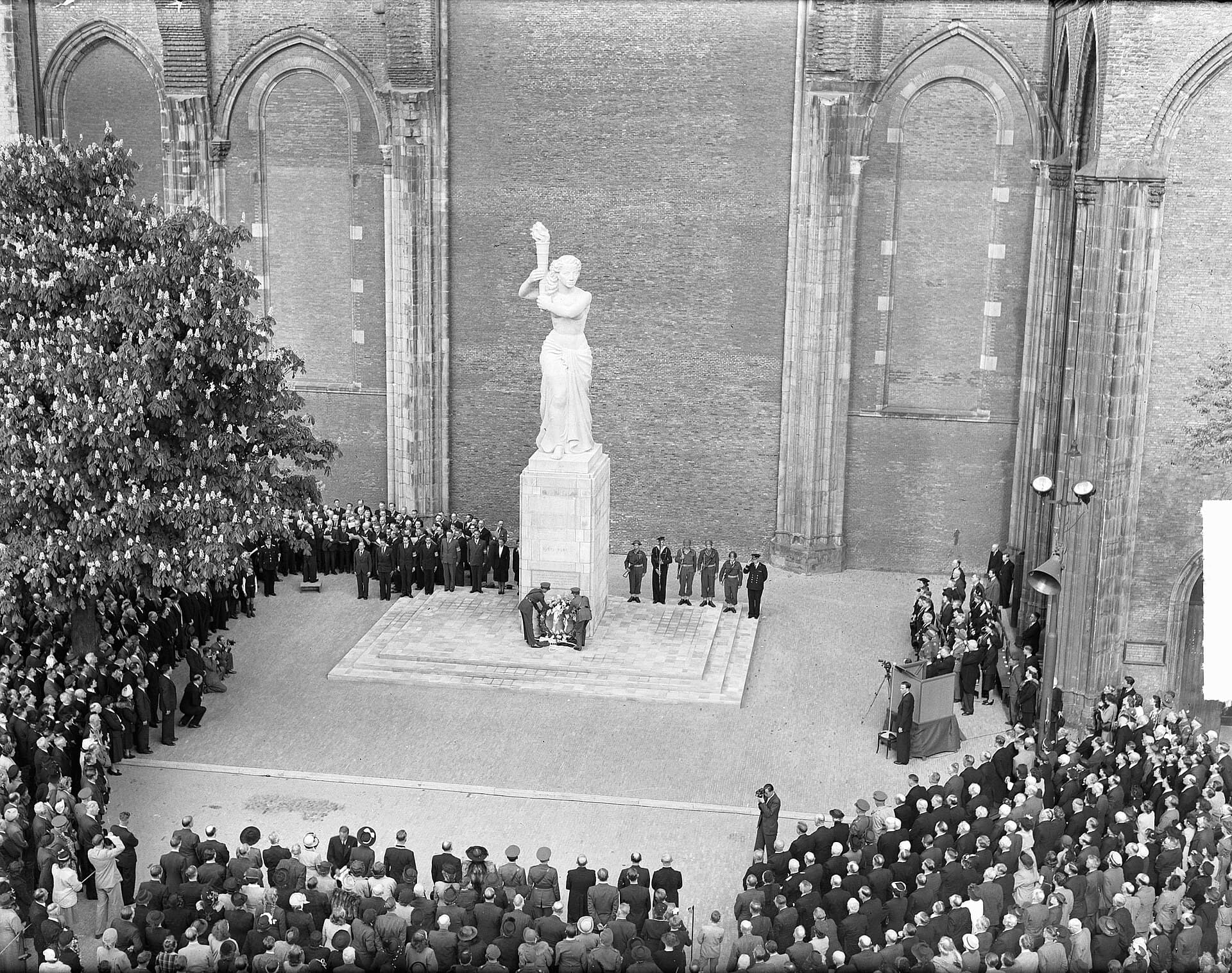 Resistance MonumentA monument to the resistance against Nazi occupation in Utrecht, standing near t2 minutes walk4.6
 Castellum TraiectumMarkers set into the paving of Utrecht's Domplein tracing the outline of the Rom2 minutes walk4.1
Because it was the ecclesiastical centre of the whole Netherlands for more than eight centuries: its bishopric was founded in the seventh century, and its bishops ruled a wide territory as temporal princes rather than only spiritual ones. That is why it holds the country's largest Gothic cathedral, four other major churches and a network of monasteries. When the Netherlands turned Protestant in the sixteenth century Utrecht lost that role, but its urban fabric is still the fabric of a bishops' city.