
Lions and a tree of life over the door
The carved animal panel with the broken double-headed Seljuk eagle is the rarest thing on the building and rewards a close look.
Dosseman — CC BY-SA 4.0 · Dosseman — CC BY-SA 4.0 · Dosseman — CC BY-SA 4.0 · Dosseman — CC BY-SA 4.0
People in Kayseri will tell you this tomb turns. Nobody has ever caught it doing so, but the name stuck centuries ago: Döner Kümbet, the 'turning tomb', and the trick is that a body with twelve identical facets offers the eye no fixed corner, so from wherever you stand it looks the same. It went up in the late thirteenth century, most likely around 1276, for a woman named Şah Cihan Hatun about whom historians know nothing beyond the name carved above the door; some accounts make her a daughter of the Seljuk sultan Alaeddin Keykubad, though the inscription does not say so. By the standards of royal mausoleums it is tiny: a square base barely six and a half metres a side, its corners cut away to make a twelve-sided drum, and over it a stone cone that looks like a nomad's tent turned to rock. Size is not the point. Carving is. Every one of the twelve faces is worked with plant scrolls and geometric knots, and above the north door is the rarest thing here: a tree of life guarded by lions, the broken remains of a double-headed eagle that served as the Seljuk emblem, and winged panthers with human heads. Animals on an Islamic tomb surprise Arab visitors, and they are the clearest evidence that the Anatolian Seljuks carried a Central Asian taste with them and never quite gave it up. In practice this is an exterior visit. The tomb stands in a small garden at the Kartal junction on Talas Caddesi, opposite the Seyyid Burhaneddin cemetery, only about a kilometre from Cumhuriyet Square: a fifteen-minute walk south or a few minutes by taxi. The door is normally locked, and the inside is in any case a single chamber with a small mihrab and some muqarnas, so nothing is lost; everything worth looking at is on the outside walls. Entry is free, the garden is open at any hour, the ground is flat enough for a pushchair, and the only steps are the five up to the door if you want close-up photos of the reliefs. The carving photographs best in the hour before sunset, when low light picks out every line in the yellow stone; in Kayseri's hard winter the snow-capped cone with Mount Erciyes behind it is the picture that sums up the city. Do not cross town for it alone. Make it a ten- to twenty-minute stop on the way to the Hunat Hatun complex or the citadel, then walk a few hundred metres along the same street to the Emir Ali and Sırçalı tombs, both smaller, and you will have seen three of Kayseri's medieval tomb towers with almost no effort.
The carved animal panel with the broken double-headed Seljuk eagle is the rarest thing on the building and rewards a close look.
A faceted drum rising from a square base under a stone cone that recalls the nomad tents of Central Asia.
Low sun before dusk brings out the carving, and in winter the snow-capped cone stands against Mount Erciyes.
Talas Caddesi, Kartal Kavşağı, opposite Seyyid Burhaneddin Cemetery, Melikgazi
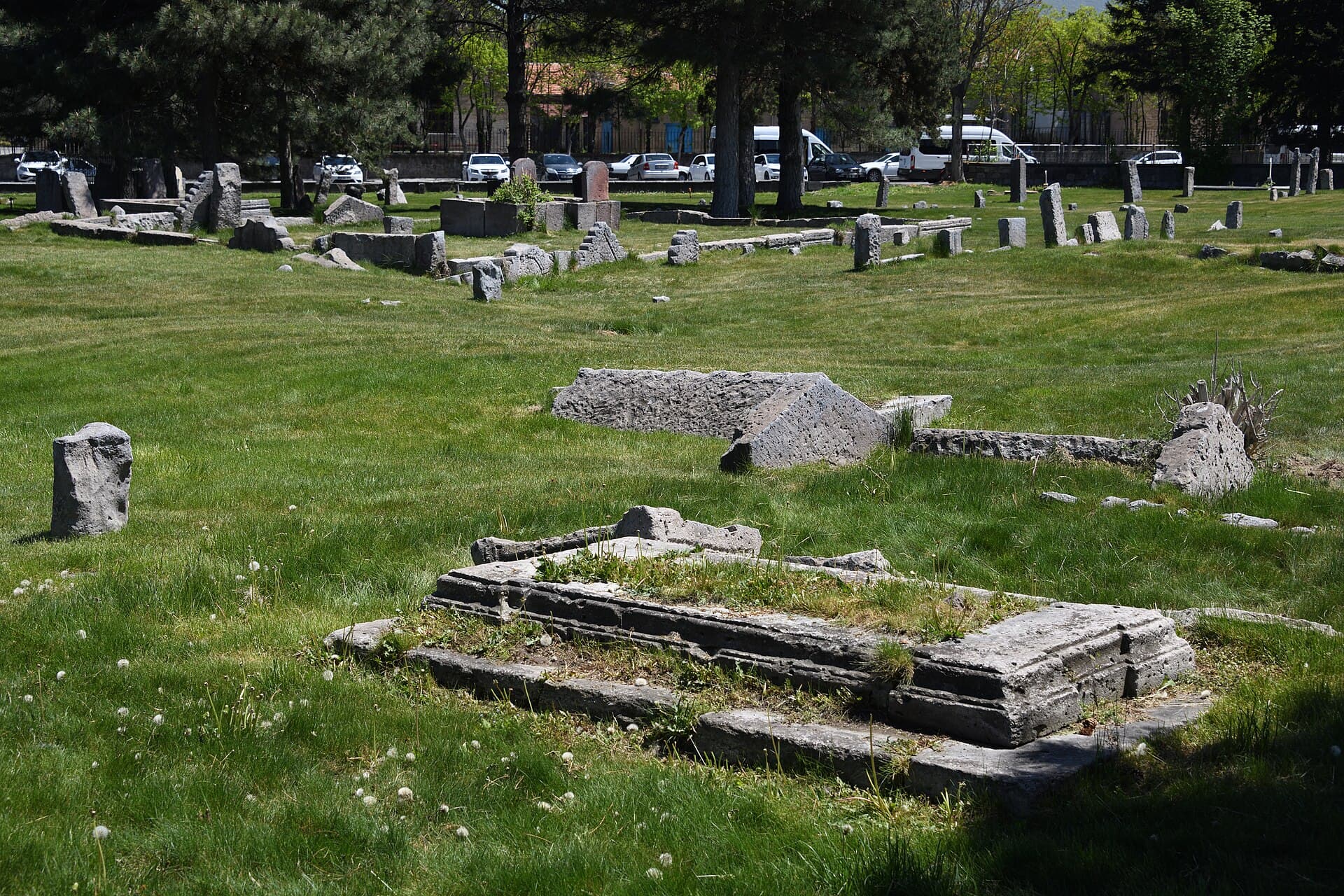 Tomb of Seyyid BurhaneddinThe man who taught Rumi lies here, in a public cemetery on the Talas road, under3 minutes walk4.9
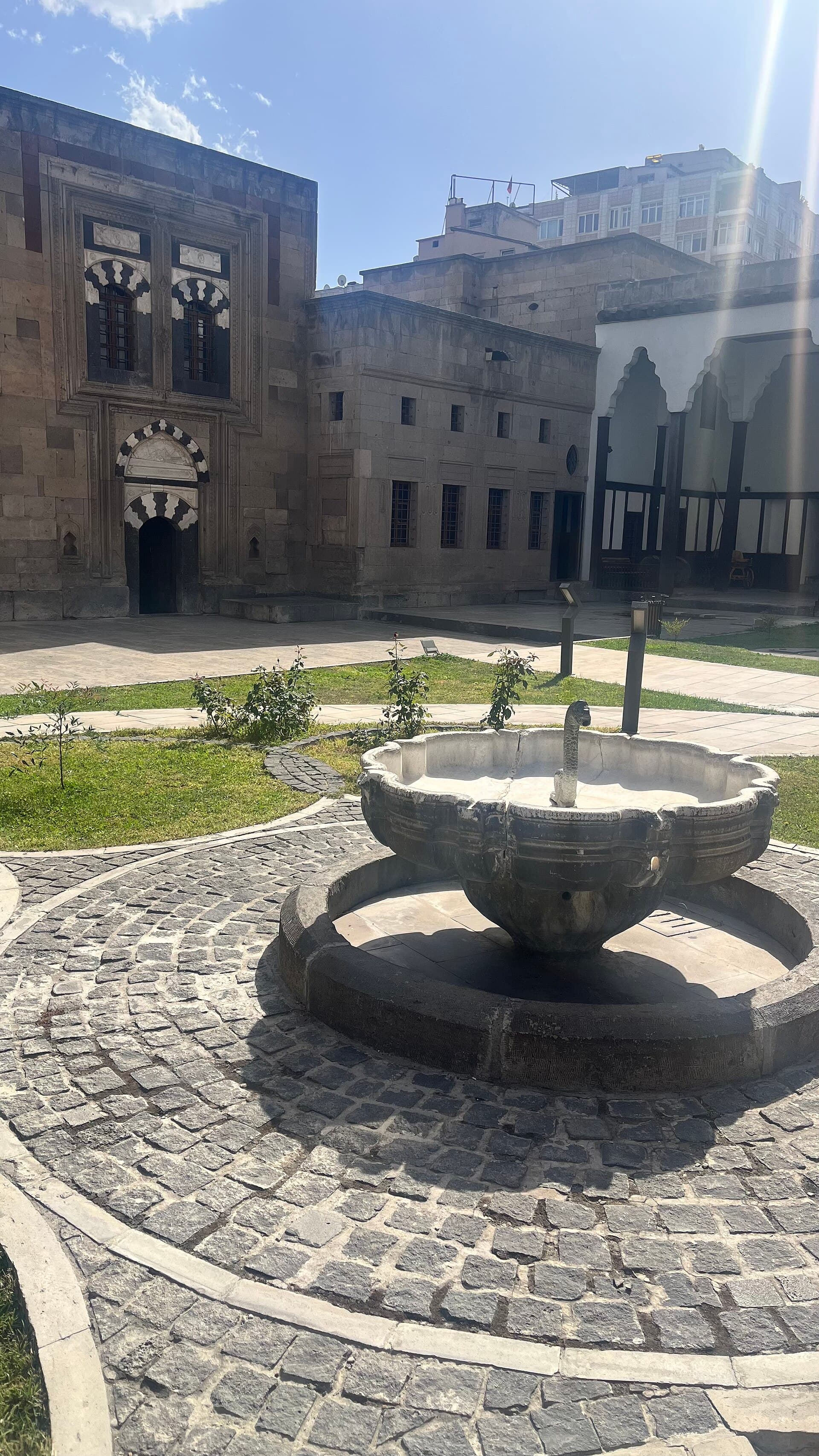 Güpgüpoğlu Mansion and Ethnography MuseumThe oldest house still standing in Kayseri went up between 1419 and 1497 in the 8 minutes walk4.6
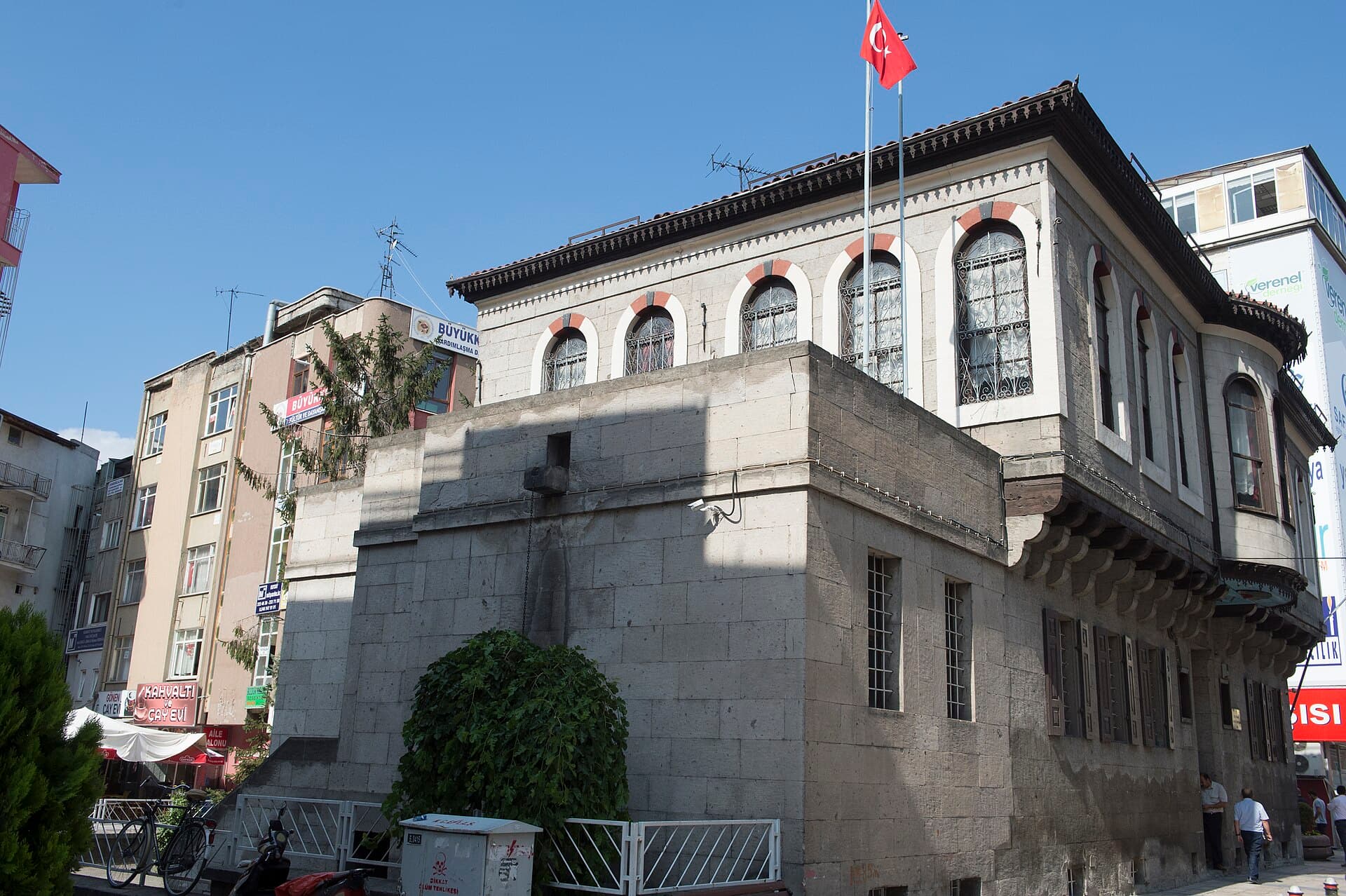 Atatürk House Museum, KayseriTwo nights were all it took. Mustafa Kemal slept here on 19 and 20 December 19199 minutes walk4.5
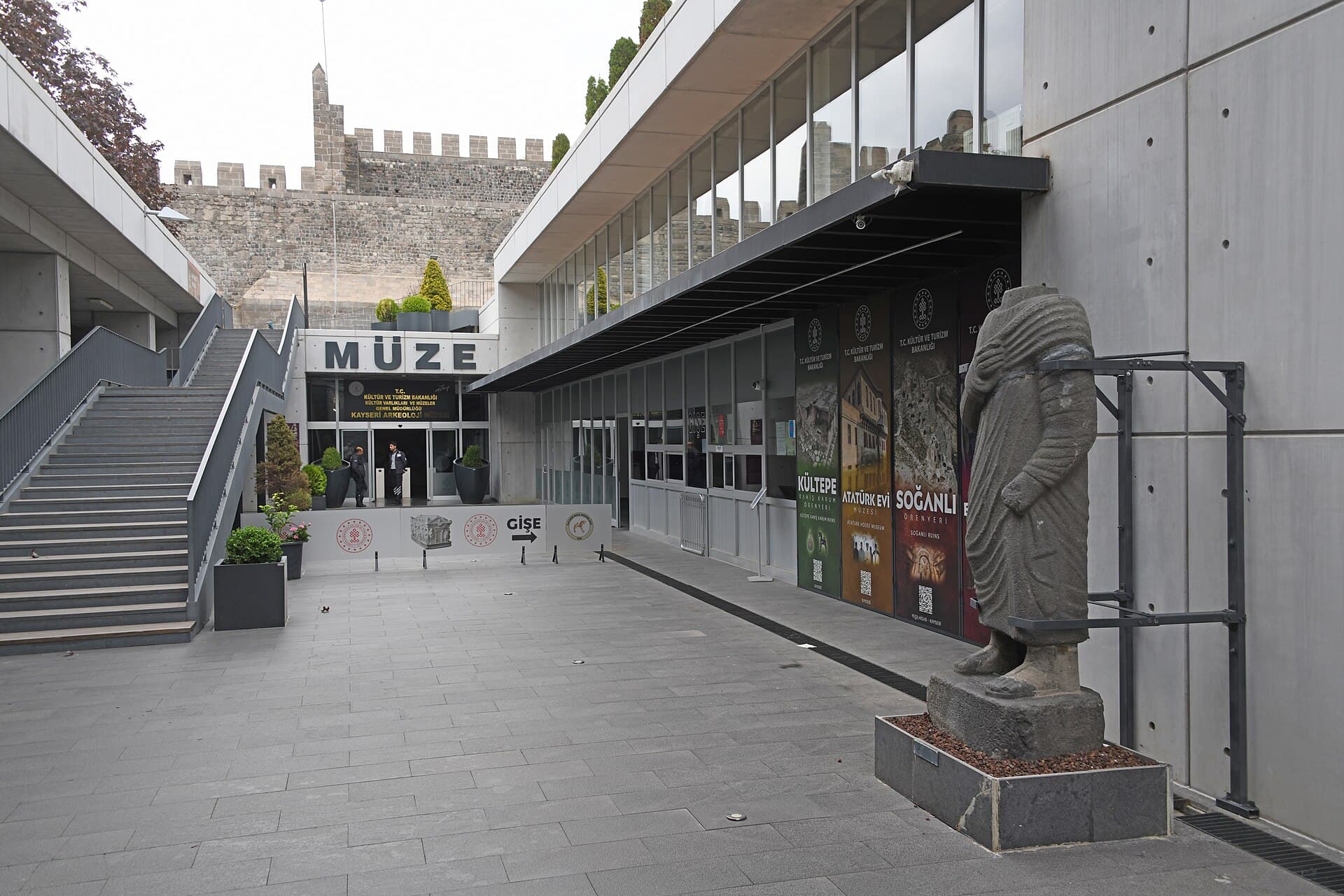 Kayseri Archaeology MuseumFour thousand years ago Assyrian merchants were writing their letters and contra12 minutes walk4.6
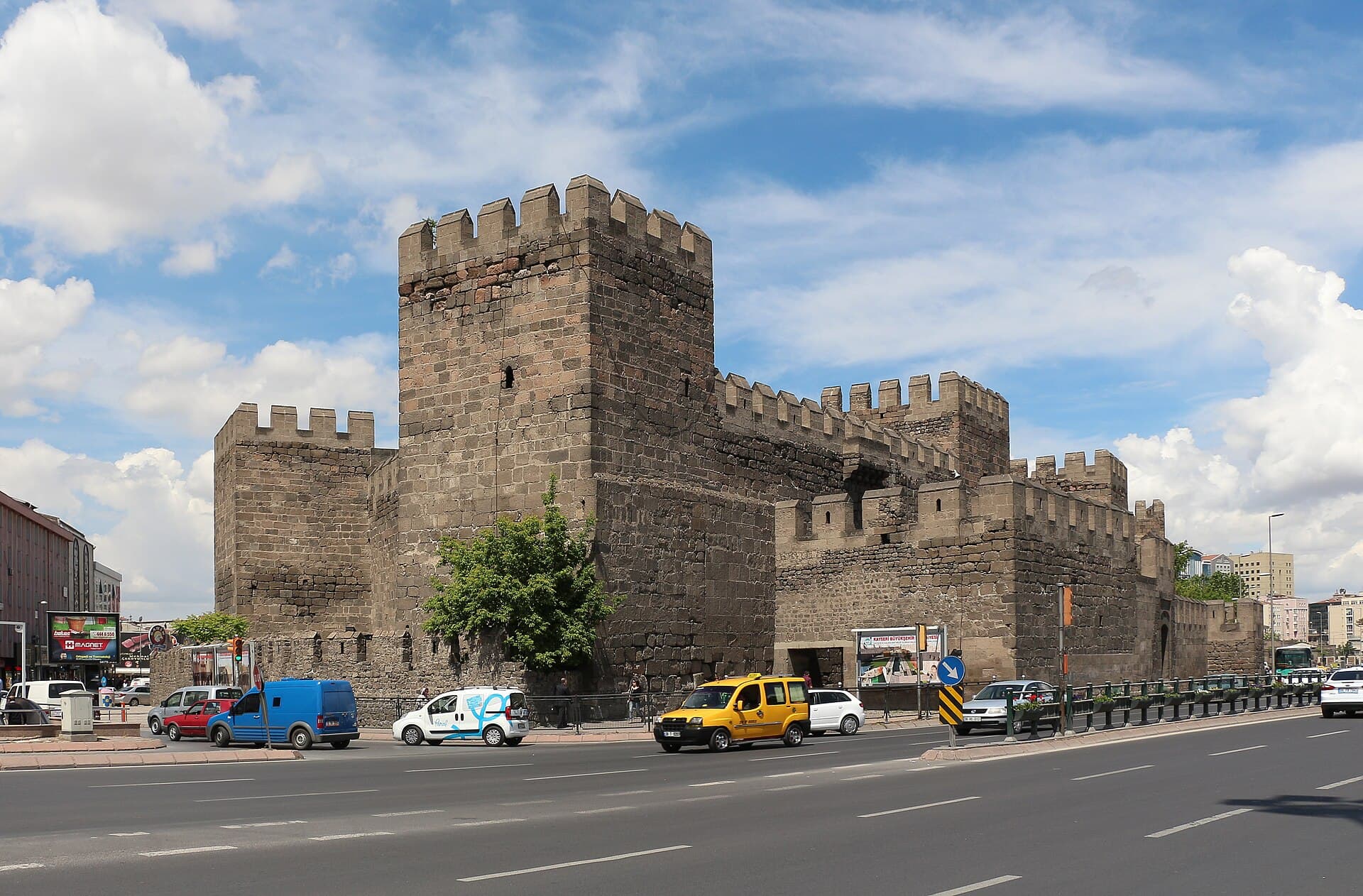 Kayseri CastleThe walls are black. That is the first thing about Kayseri Castle: eighteen rect12 minutes walk4.5
Not as a destination in itself. It is a ten-minute exterior stop, but it sits a fifteen-minute walk from Cumhuriyet Square, so fold it into a centre walk with the citadel and Hunat Hatun rather than making a separate trip.
Usually not; the door is locked and the interior is a single small chamber with a mihrab, while all the important carving is on the outside walls, so you miss nothing.