
Rumi's teacher
The master who shaped Celaleddin Rumi before anyone knew the name lies here.
Dosseman — CC BY-SA 4.0 · Dosseman — CC BY-SA 4.0 · Dosseman — CC BY-SA 4.0 · Dosseman — CC BY-SA 4.0
The man who taught Rumi lies here, in a public cemetery on the Talas road, under a dome that is not yet a century and a half old. Seyyid Burhaneddin Hüseyin Muhakkik-i Tirmizi had been a pupil of Rumi's father, Bahaeddin Veled, back in Balkh; after the father died in 1231 he followed the family to Konya and took the young Celaleddin in hand for roughly nine years, sending him to Damascus and Aleppo to study and putting him through a string of long retreats. Once he had licensed his pupil as a master he moved on to Kayseri, taught, led prayers, and died there around 1241 (some sources say 1244). Everything that followed, the Mesnevi and the whirling order, passed through this door first. For six and a half centuries the grave had no building to speak of. The present tomb went up in the early 1890s under Sultan Abdülhamid II, at the hands of Kayseri's district governor Mehmed Nazım Paşa with the backing of the Ankara governor Abidin Paşa (sources give 1892 or 1894). It is late Ottoman, not Seljuk: a central dome flanked by three iwans, an entrance on the north side, and above it a Persian inscription in the hand of Ali Emiri Efendi, the scholar and bibliophile whose private collection later became the core of Istanbul's Millet Library. Inside it is plain: a green-draped cenotaph, a few Qurans, and carpet enough for a handful of people to pray. Here is the fact that decides the visit: this is a shrine, not a museum. No ticket, no explanatory panels, nothing to look at in the touristic sense for more than ten minutes. People come to recite the Fatiha at the grave of Rumi's teacher and to sit for a moment with the contrast between this quiet Kayseri cemetery and the grand Konya mausoleum that draws millions. Locals come in numbers on Friday afternoons and on the eve of the two Eids; for quiet, come on an ordinary weekday morning. Shoes off at the door, headscarf for women, and bear in mind that the surrounding cemetery is a working one, full of people visiting their own dead. The tomb sits about a kilometre and a half south-east of Cumhuriyet Square, a 15-20 minute walk or five minutes by taxi, and combines naturally with the Seljuk Döner Kümbet a few hundred metres away on the same road. Cemetery paths are level and pushchair-friendly, and a visit with children is short and painless. In summer the cemetery trees give only patchy shade; in winter Kayseri is under snow and the stone paths turn slick, so watch your footing.
The master who shaped Celaleddin Rumi before anyone knew the name lies here.
A Persian inscription over the door by the scholar whose books founded Istanbul's Millet Library.
Not a museum: a plain Ottoman dome and people reciting the Fatiha, and that is the whole scene, and it is enough.
Seyyid Burhaneddin Cemetery, Talas Caddesi, Melikgazi
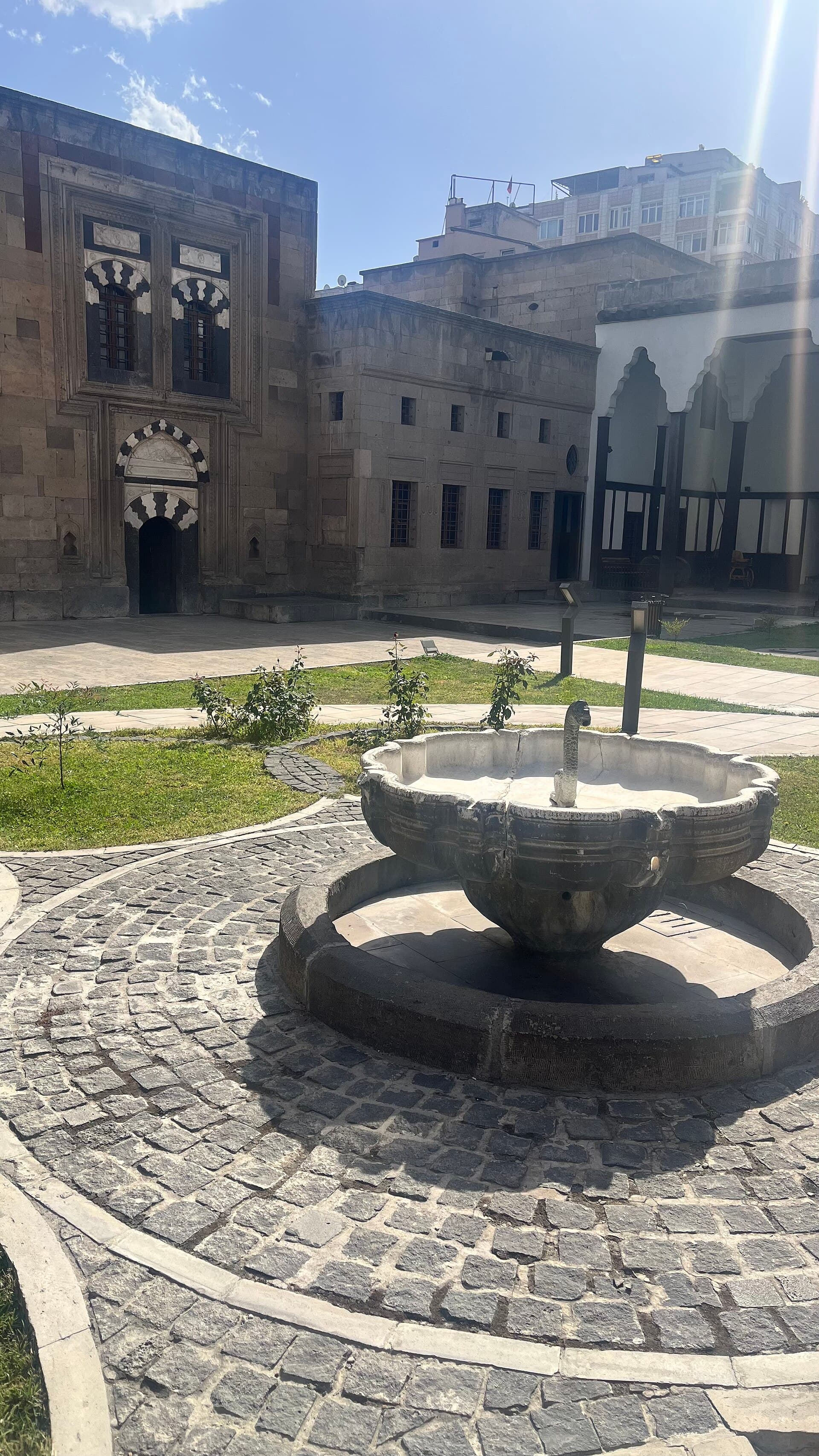 Güpgüpoğlu Mansion and Ethnography MuseumThe oldest house still standing in Kayseri went up between 1419 and 1497 in the 8 minutes walk
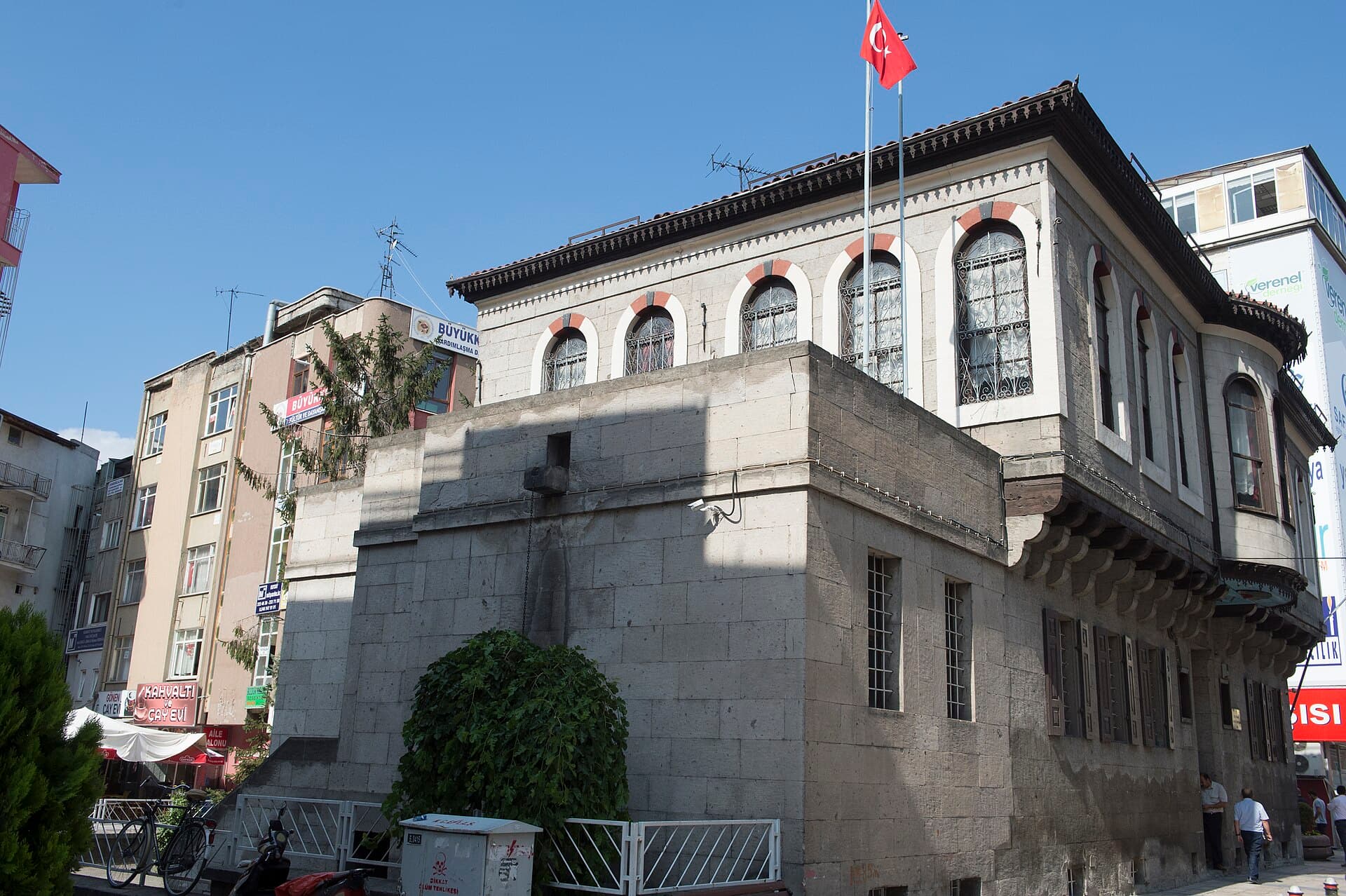 Atatürk House Museum, KayseriTwo nights were all it took. Mustafa Kemal slept here on 19 and 20 December 19199 minutes walk
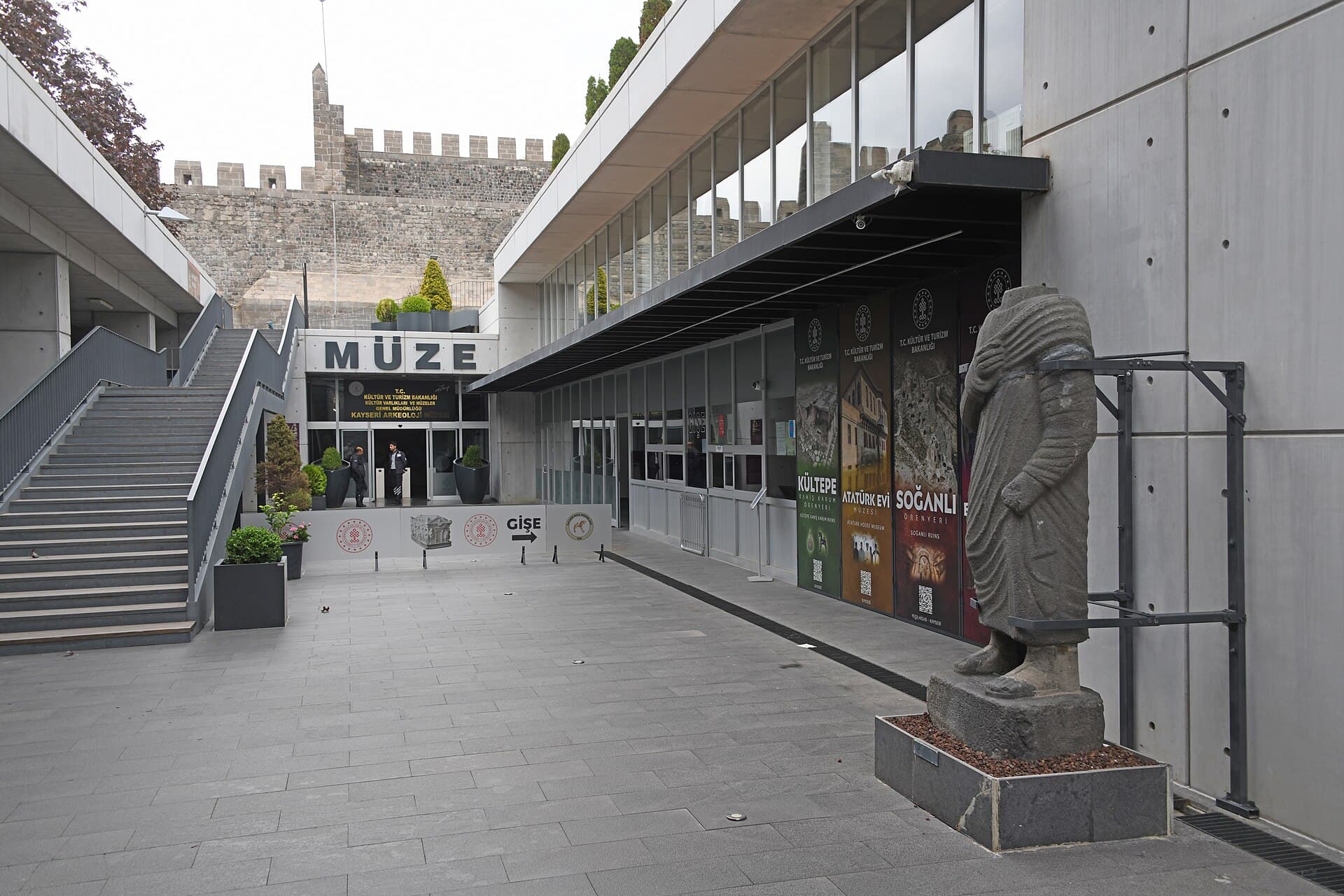 Kayseri Archaeology MuseumFour thousand years ago Assyrian merchants were writing their letters and contra12 minutes walk
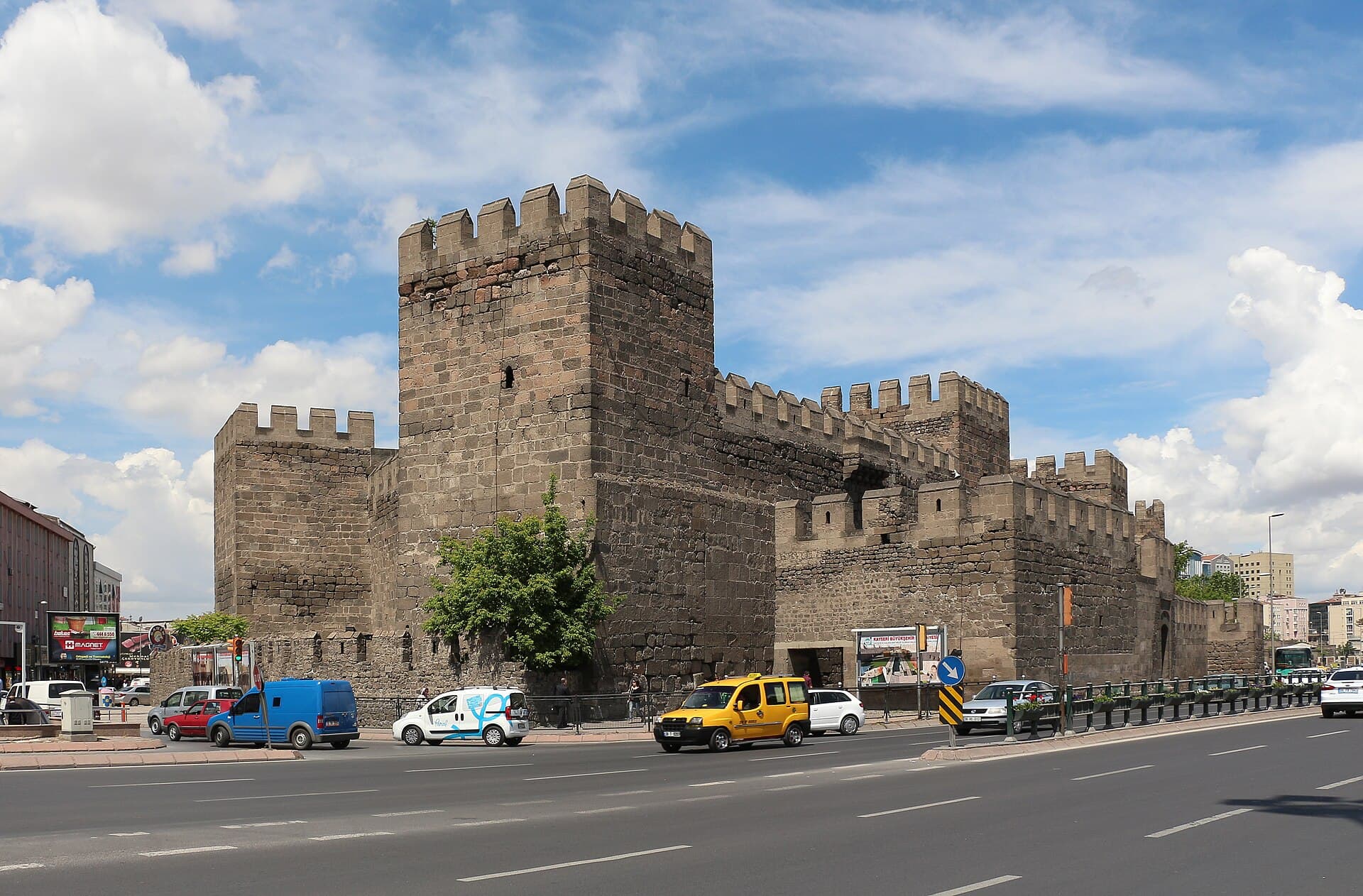 Kayseri CastleThe walls are black. That is the first thing about Kayseri Castle: eighteen rect12 minutes walk
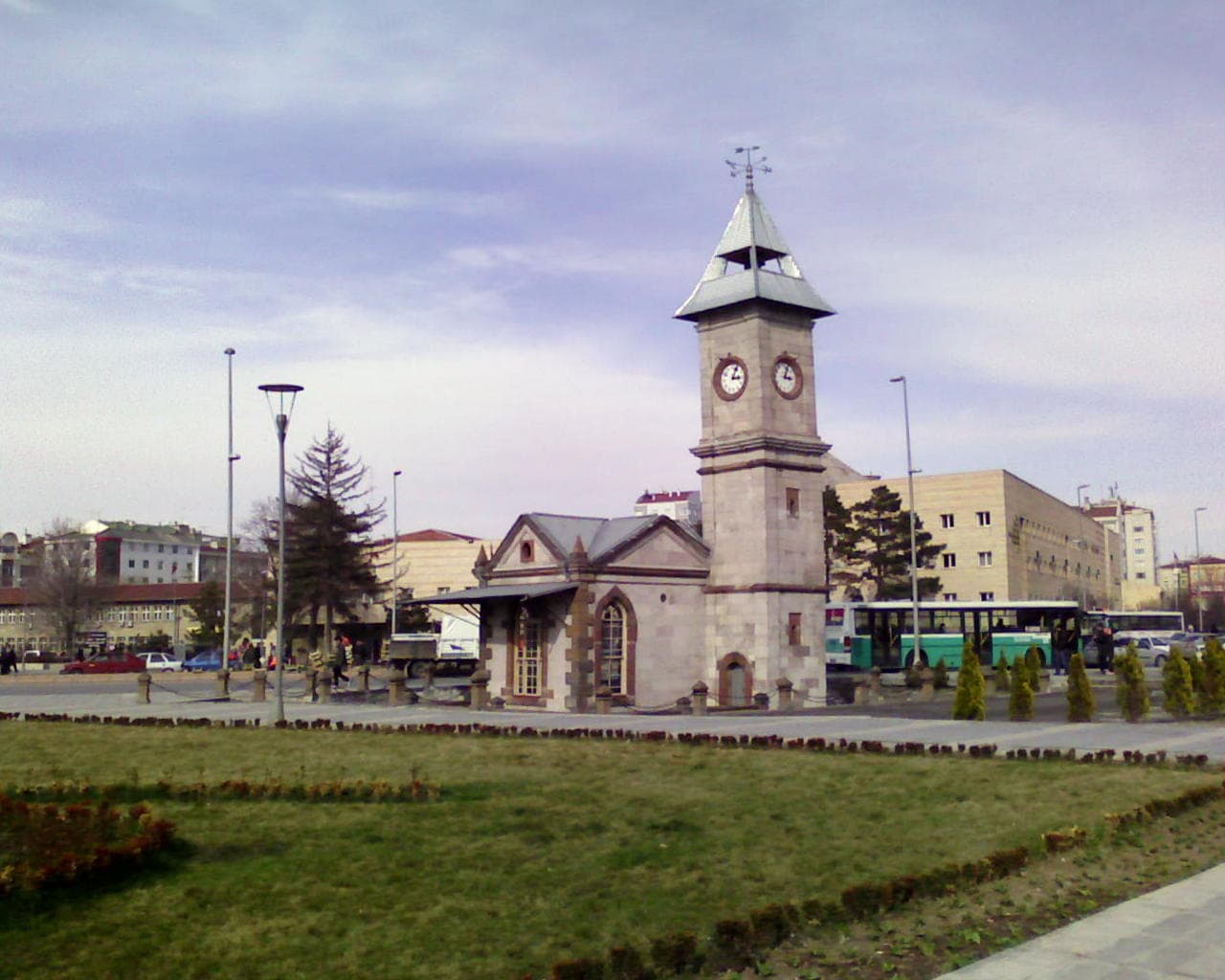 Kayseri Clock TowerA Leipzig-made clock has been striking the hours over this Anatolian square sinc13 minutes walk
Not in scale, architecture or atmosphere; it is a modest tomb in a public cemetery. Its value is in the meaning, not the sight: if Rumi's story and the man who shaped him interest you, it earns half an hour en route. Otherwise do not make a trip of it.
Easy, yes: level paths, hardly any steps, a pushchair goes through without trouble. But it is a working cemetery with a hushed, prayerful mood, so small children will be bored within minutes; pair it with Döner Kümbet and then the covered bazaar back in the centre.