
The tall walls
Some exceeding ten metres.
Dina Rogatnykh — CC BY-SA 4.0 · Nikolina Ivanova — CC BY-SA 4.0 · Nikolina Ivanova — CC BY-SA 4.0 · Nikolina Ivanova — CC BY-SA 4.0
Varna's Great Roman Thermae is the fourth-largest surviving Roman bath complex in all Europe (after Rome, Trier and Carthage) — built by the Romans (2nd-3rd century AD) when the city was called Odessos, a thriving Black Sea port, spanning over 7,000 square metres with towering brick walls still standing at close to their original height. The system was engineeringly complex: successive cold, hot and warm halls (frigidarium, tepidarium, caldarium), an advanced underfloor heating network, and water sourced through aqueducts from considerable distances — thousands of residents visited daily, not merely for cleanliness but as a central civic social and political hub, in classic Roman style. Today you walk among the remaining standing walls (some exceeding ten metres tall) amid a calm open archaeological garden, away from Varna's busy commercial street noise — an experience giving a genuine sense of the original building's scale beyond any enclosed museum.
Some exceeding ten metres.
An advanced underfloor network beneath the halls.
Han Krum 1, 9000 Varna
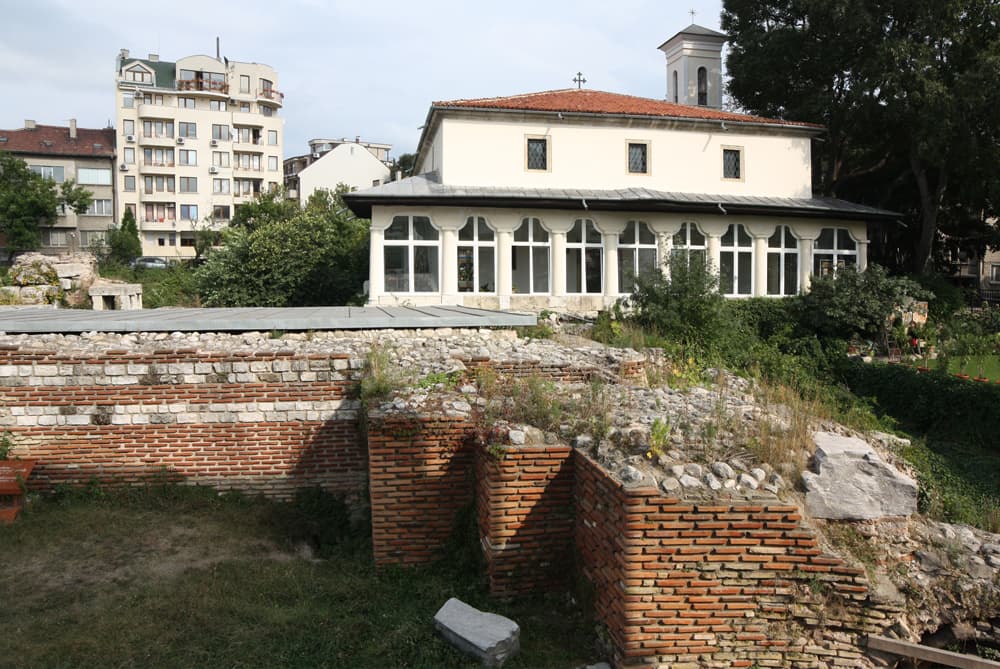 The Church of St AthanasiusAn Orthodox church in Varna's old Greek quarter, built in 1838 under Ottoman rul1 minute walk4.8
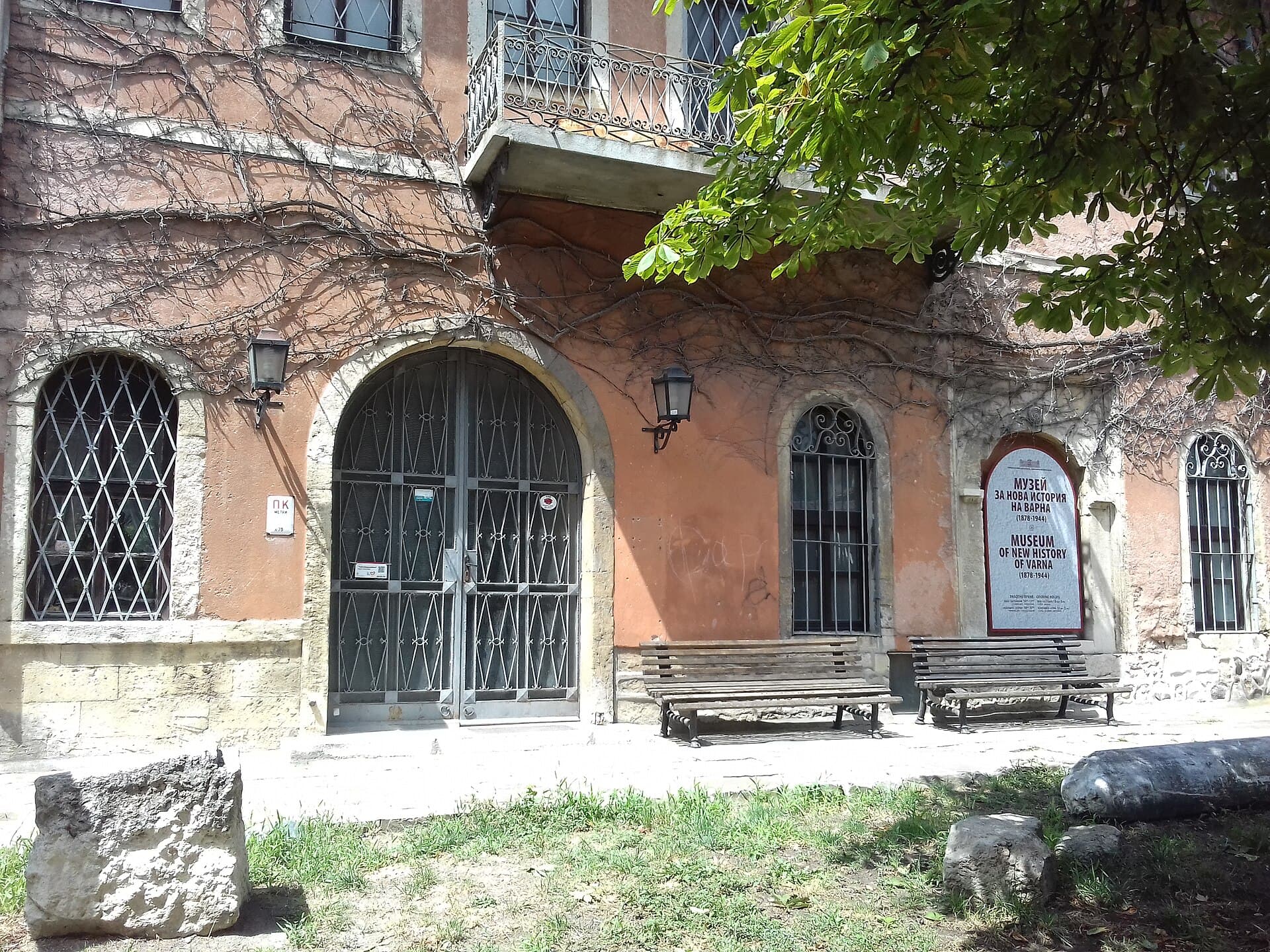 The Varna Museum of Modern HistoryVarna's Museum of Modern History covers the city from the Ottoman liberation of 2 minutes walk4.7
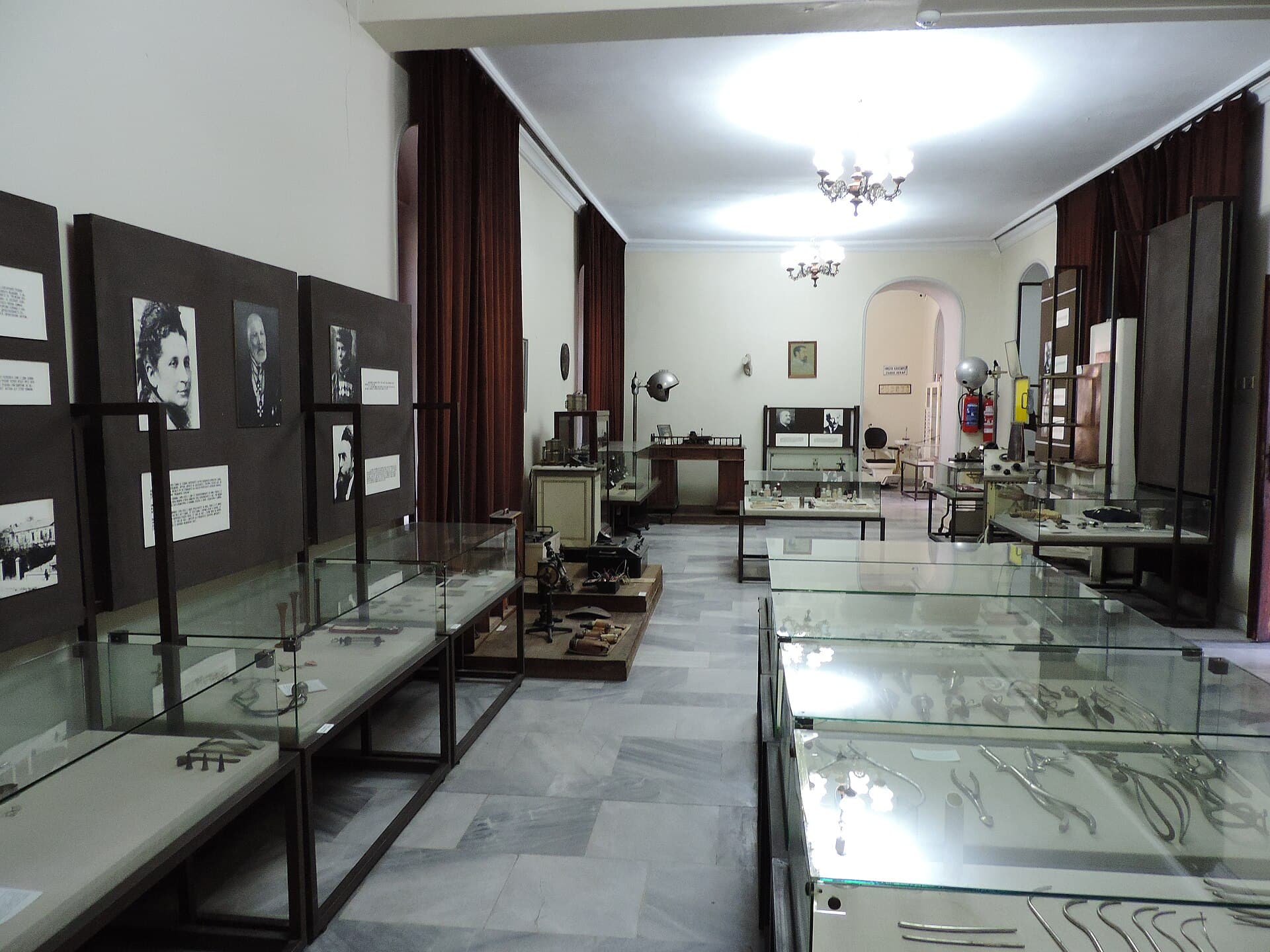 The Museum of the History of MedicineA museum of medical history in the building of Varna's first municipal hospital,3 minutes walk4.7
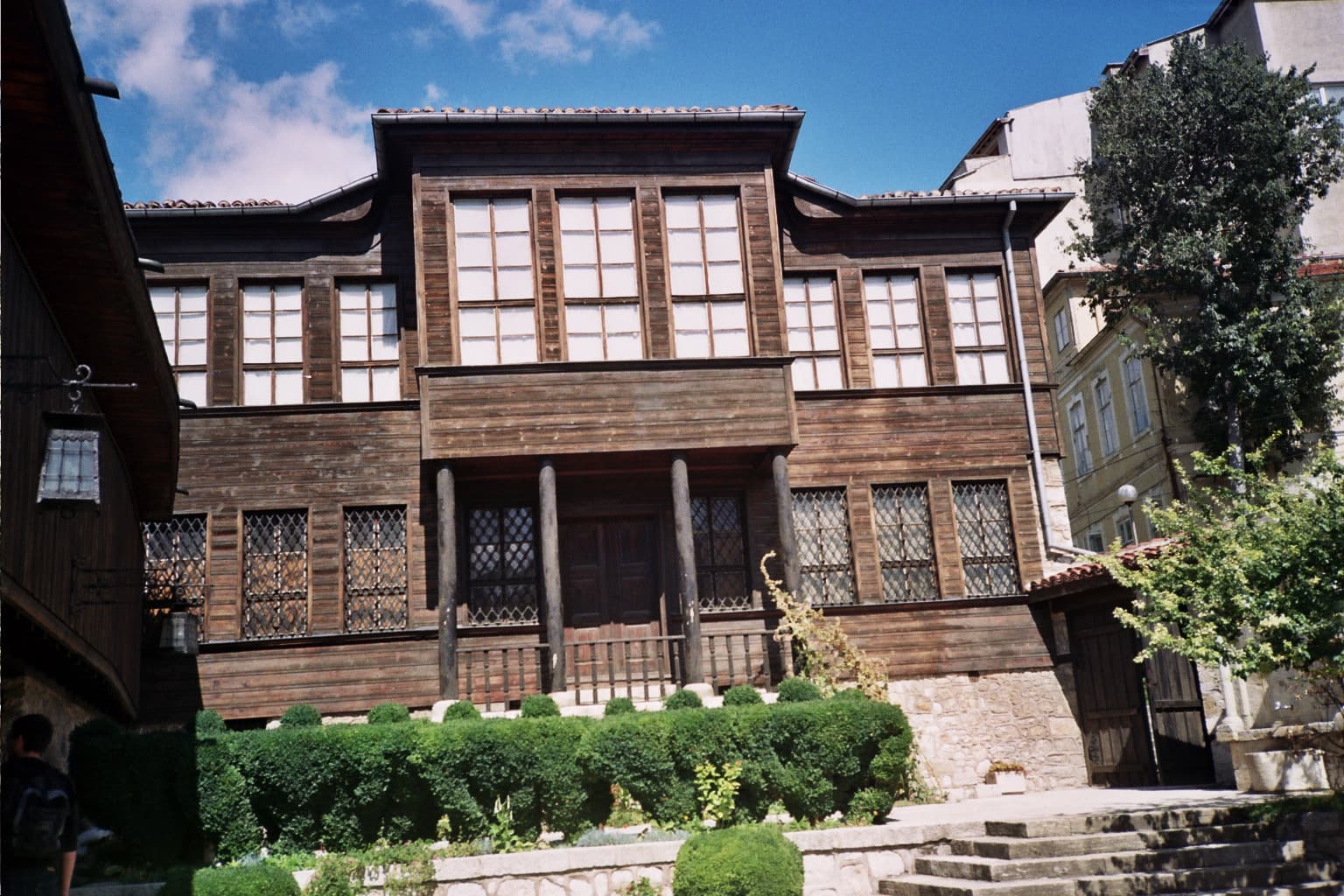 The Ethnographic Museum of VarnaVarna's Ethnographic Museum occupies a house of 1860 in the Bulgarian Revival ma5 minutes walk4.6
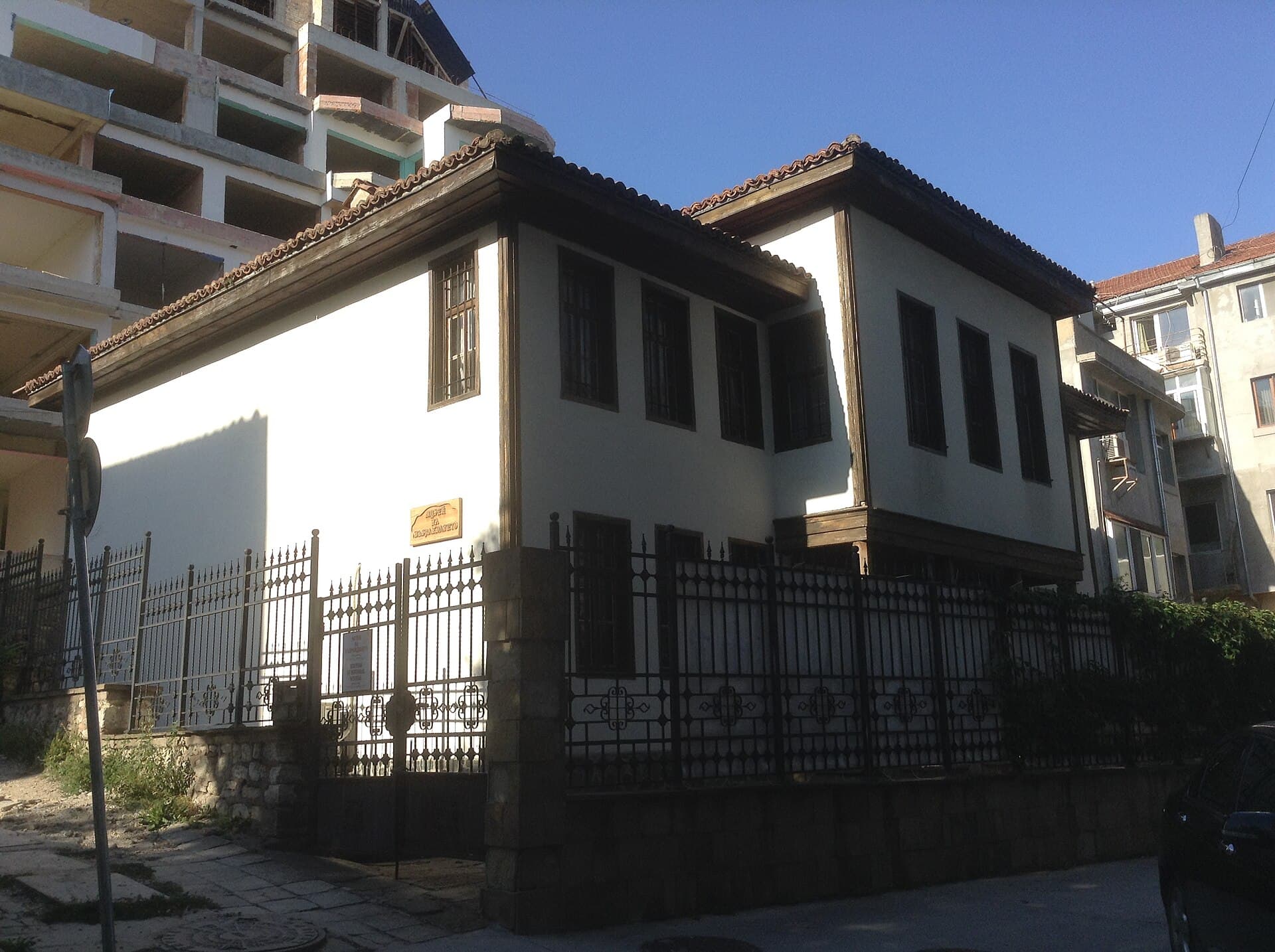 The National Revival MuseumVarna's National Revival Museum occupies the building that was **the city's firs6 minutes walk4.6
Founded by Greek settlers from Miletus (6th BC), named for the legendary hero Odysseus in tribute to his epic sea voyages — before the Romans later renamed it, then the modern Slavic name Varna settled after Slavic and Bulgarian tribal settlement of the region (7th century onward) — naming layers exactly paralleling its material civilisational layers.