
Hokusai and Hiroshige
Japanese woodblock prints from among the most important gathered in Europe.
Jeremiah Z. Cockroach — CC BY-SA 4.0 · Arek Olek from Kraków, Poland — CC BY 2.0 · mik Krakow — CC BY-SA 2.0 · mik Krakow — CC BY-SA 2.0
A museum of Japanese art on the southern bank of the Vistula, facing Wawel Castle directly across the water. The collection begins with one man: Feliks Jasieński, a Polish collector of the early twentieth century nicknamed Manggha for his obsession with Japanese art, who gathered thousands of woodblock prints, masks, weapons and textiles and gave them to the National Museum in Kraków. They sat in storage for decades. The director Andrzej Wajda changed that: having seen the collection in his youth and been marked by it, he donated the value of the Kyoto Prize he received in 1987 to build a home for it. The Japanese architect Arata Isozaki designed it without a fee, and it opened in 1994. Its undulating roof echoes water. The collection includes prints by Hokusai and Hiroshige. The museum also runs concerts and tea and calligraphy workshops. Its position gives one of the finest views of Wawel across the river.
Japanese woodblock prints from among the most important gathered in Europe.
Arata Isozaki designed the building without a fee, its wave roof echoing water.
The museum runs live events, not only exhibitions.
South bank of the Vistula, facing Wawel Castle
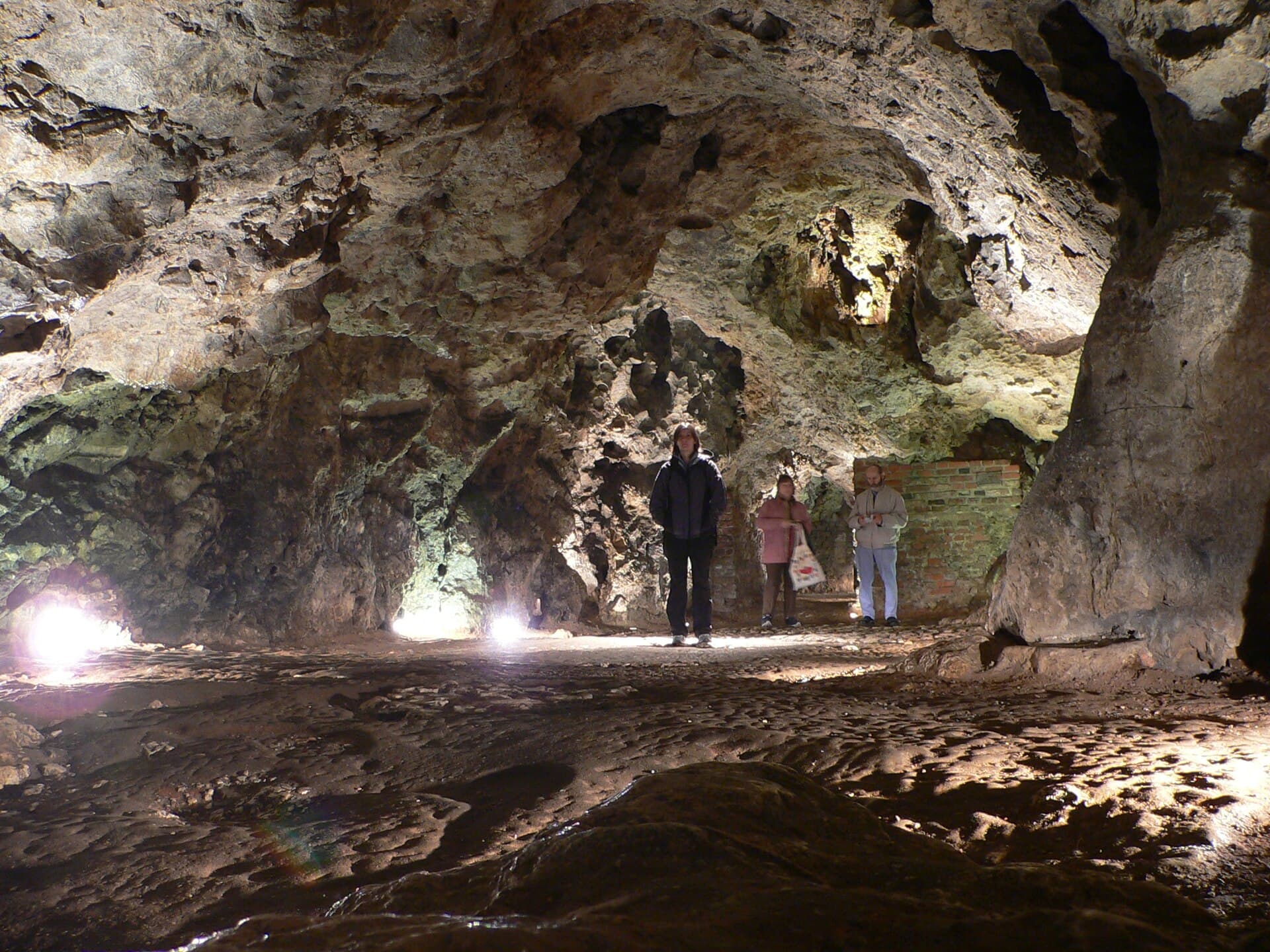 Dragon's DenA limestone cave beneath Wawel hill, entered from inside the castle walls and ex4 minutes walk3.7
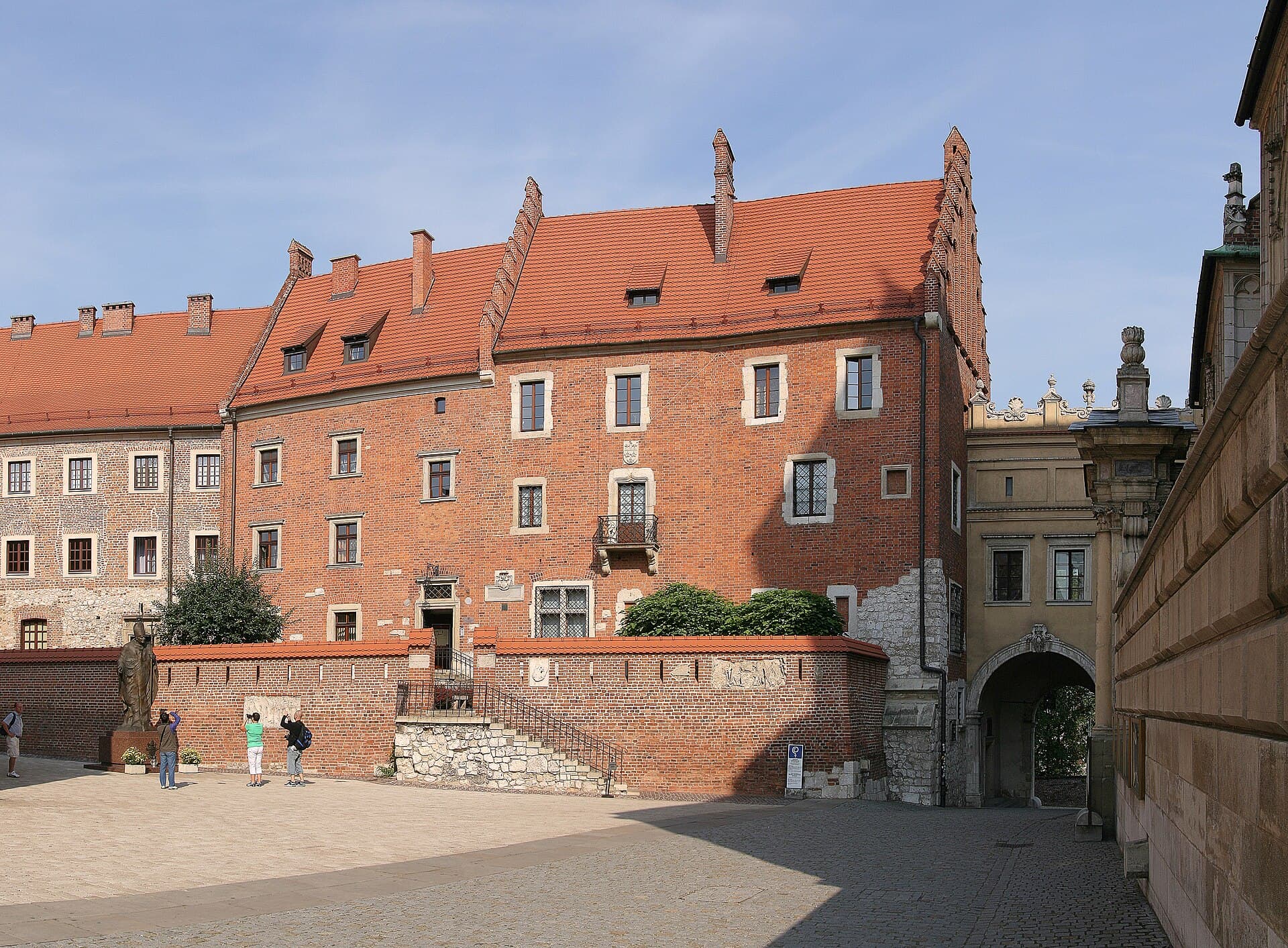 Wawel Cathedral MuseumA museum of the treasures of Wawel Cathedral, in a building adjoining the cathed6 minutes walk4.5
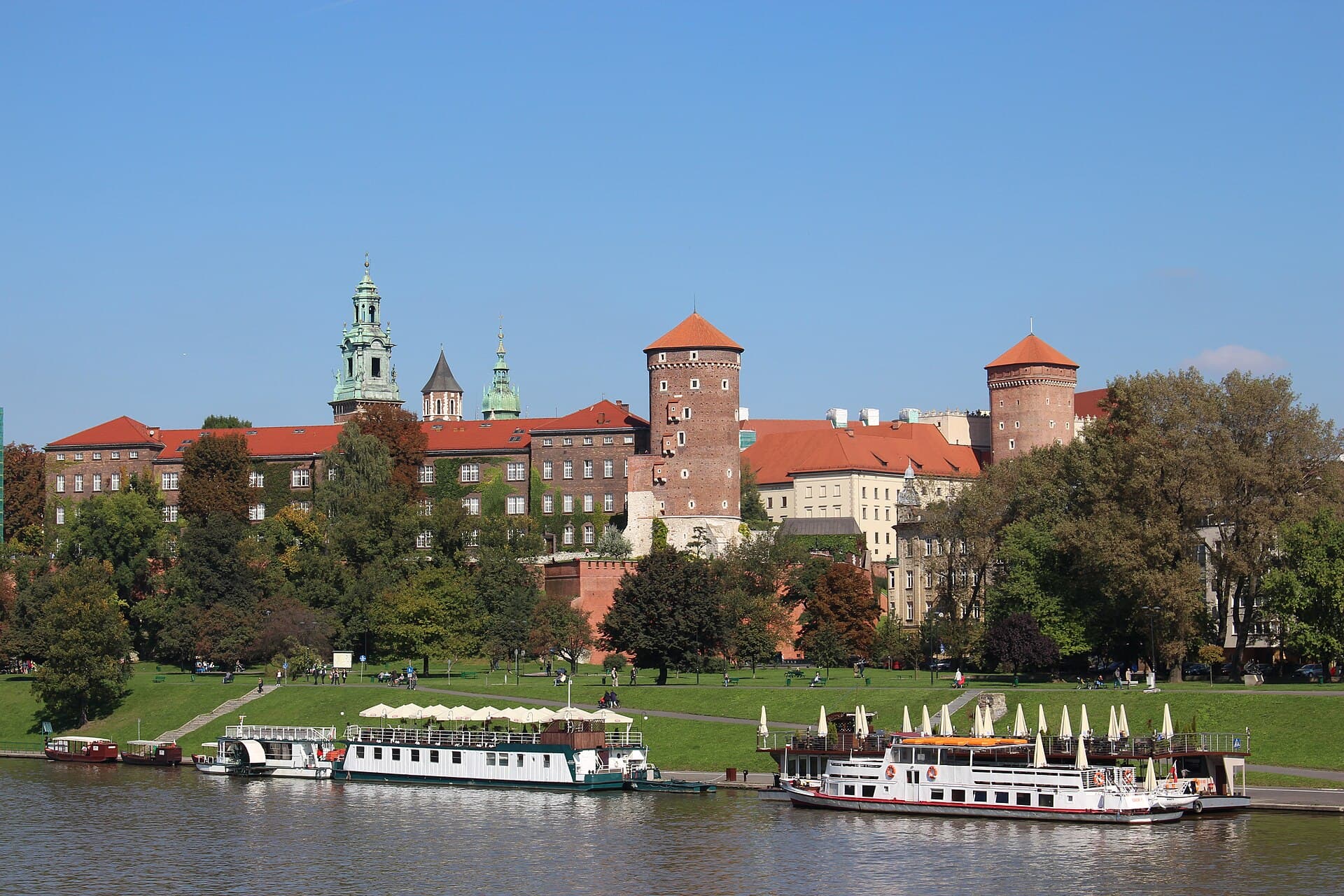 Wawel Royal Castle & CathedralWawel is Poland's national sanctum: the kings' hill over the Vistula where dynas7 minutes walk4.8
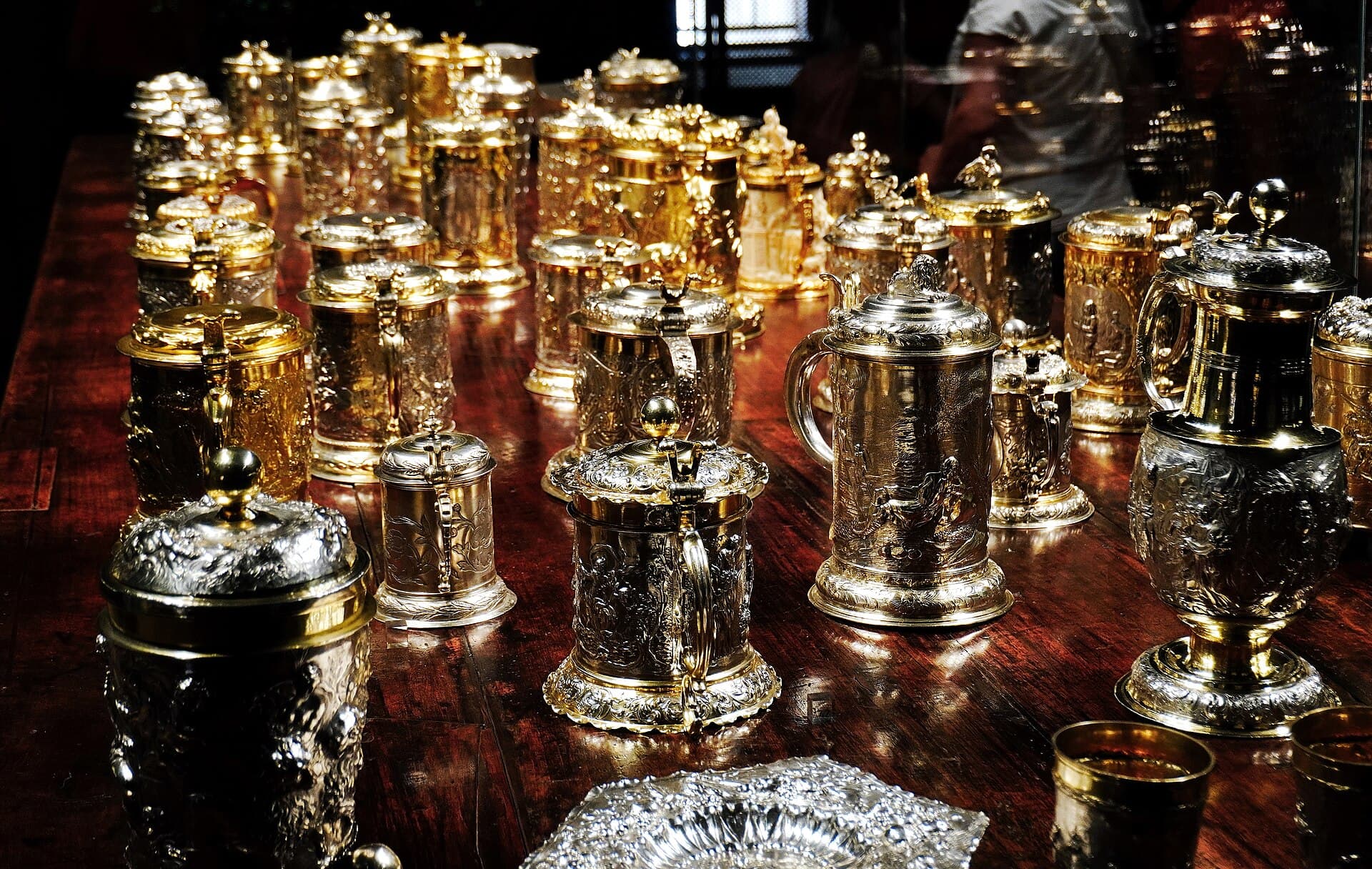 Wawel Crown TreasuryThe royal treasury and armoury halls of Wawel Castle, holding what survives of t7 minutes walk4.7
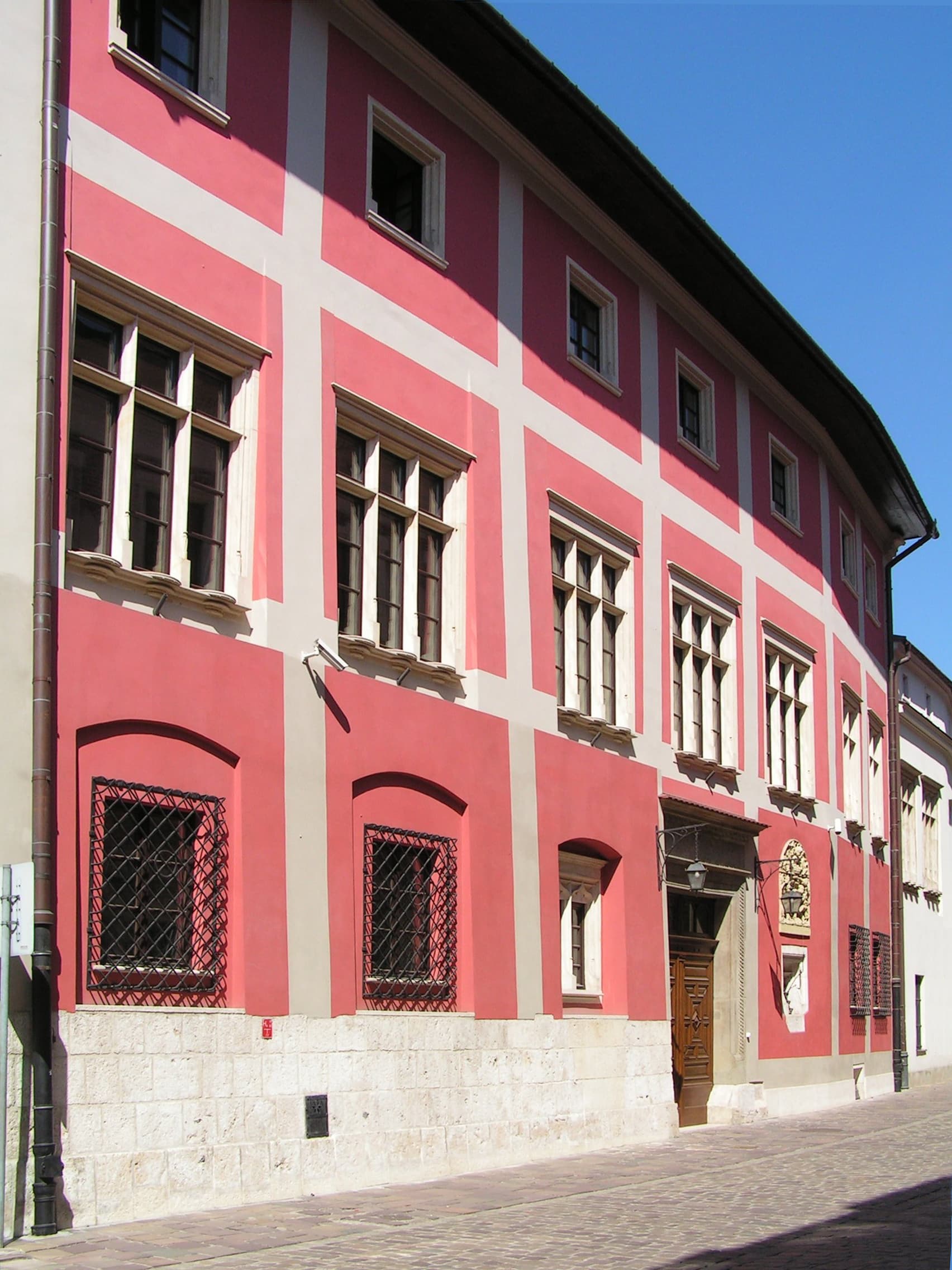 Bishop Erazm Ciołek PalaceA Renaissance palace on Kanonicza street directly below Wawel hill, a branch of 9 minutes walk4.6
Because one man assembled an exceptional collection and gave it away, and because a film director who saw that collection in his youth decided forty years later to build it a home. No historical link between Kraków and Japan explains the museum — a chain of personal decisions does. That is itself part of its story.
On a short first visit, Wawel, the old town and Kazimierz come first. But its position makes it easy: it sits directly across from Wawel by footbridge, so it folds into an hour after coming down from the castle, if only for the view and the café.