
The Ecstasy of Saint Cecilia
Raphael's major panel, painted for a Bolognese church.
sailko — CC BY-SA 3.0 · karel291 — CC BY 3.0 · Monica_Rondoni — CC BY-SA 4.0 · Monica_Rondoni — CC BY-SA 4.0
**The most important collection of Bolognese painting anywhere, holding Raphael, the Carracci and Guido Reni** — in the university quarter. The museum runs **chronologically** and covers painting in Emilia from the **13th to the 18th century** — ⚠ **a school you may not know, but one that was the artistic centre of Europe for a time**. ✅ **Its highlights**: **Raphael's *Ecstasy of Saint Cecilia*** — one of his major works, painted for a church in Bologna; **the Carracci** (Ludovico, Agostino and Annibale), who **founded an academy here that changed the course of Italian painting**; **Guido Reni**; **Guercino**; and **Giotto**. ⚠ **The museum is very quiet** — **you may have the rooms to yourself**, which is rare for a collection of this importance. ⚠ Labelling is mainly in Italian.
Raphael's major panel, painted for a Bolognese church.
Work by the family that redefined Italian painting.
Bologna's most famous painter of the 17th century.
Via delle Belle Arti 56, 40126 Bologna, Italy
 Palazzo Poggi Museum**The University of Bologna's science museums in a 16th-century palace — includi2 minutes walk4.6
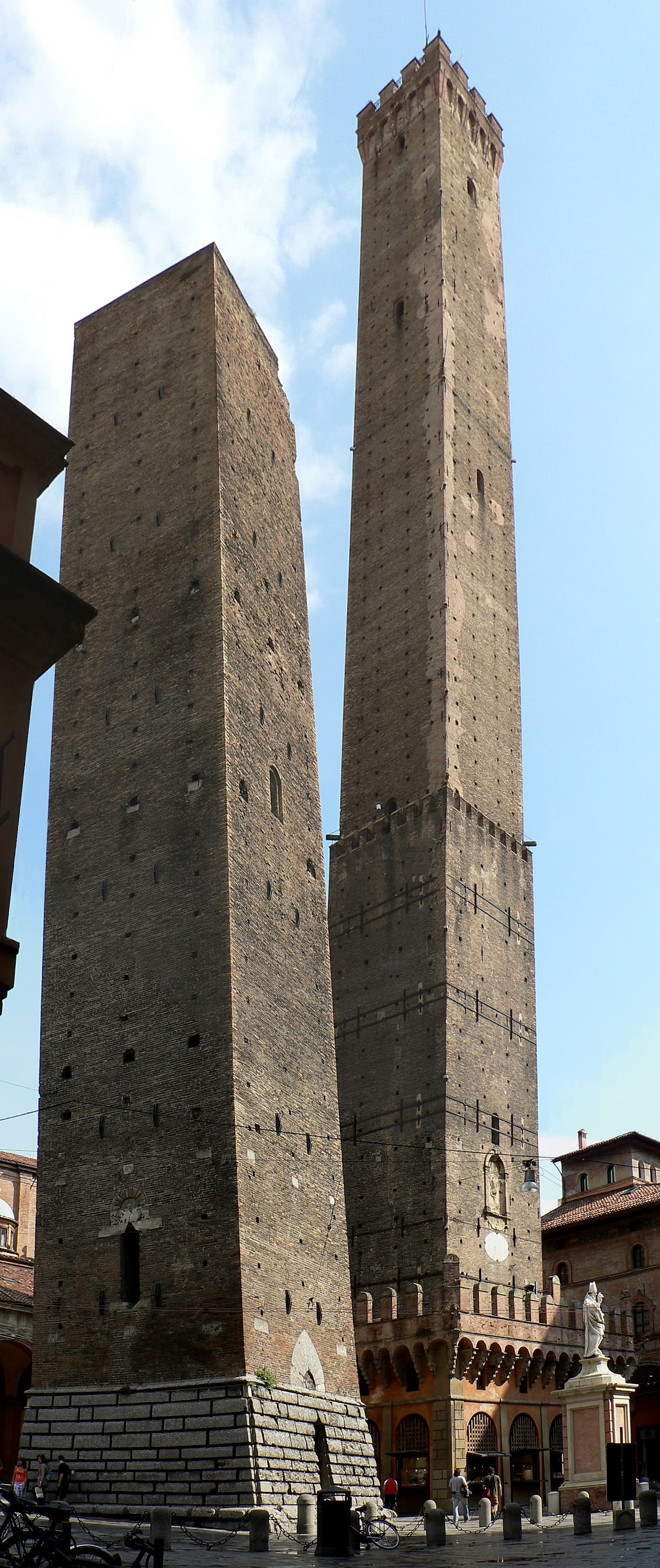 The Two Towers**Two medieval towers standing side by side, both leaning, one of them shortened8 minutes walk4.6
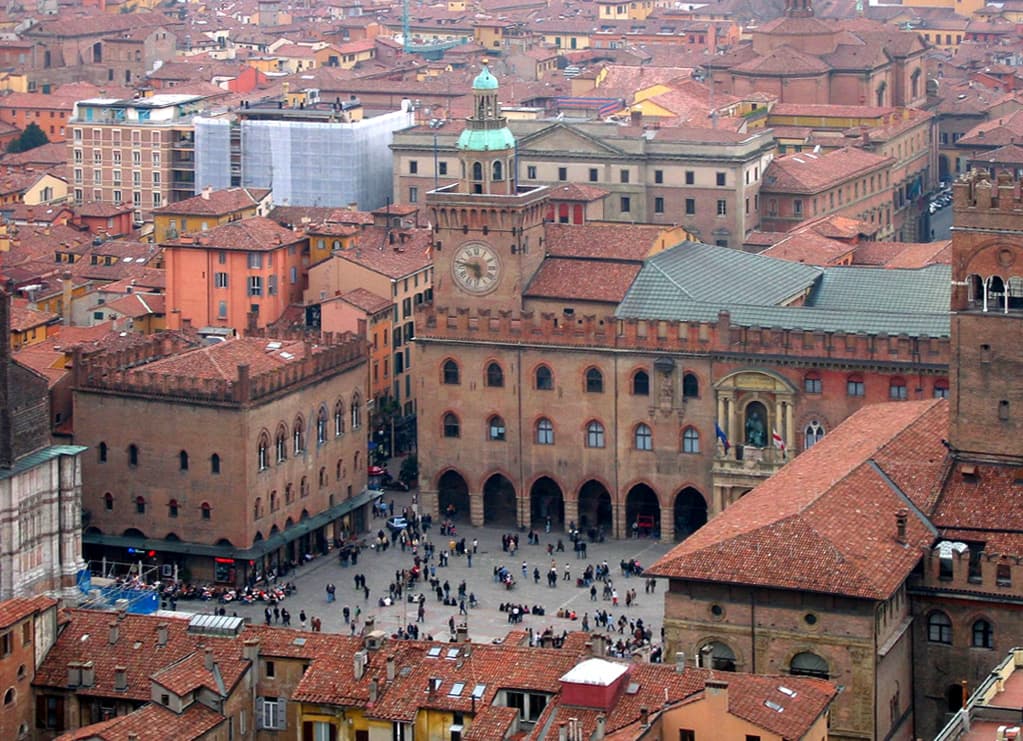 Piazza Maggiore**Bologna's central square, ringed by medieval palaces, with the Neptune fountai12 minutes walk
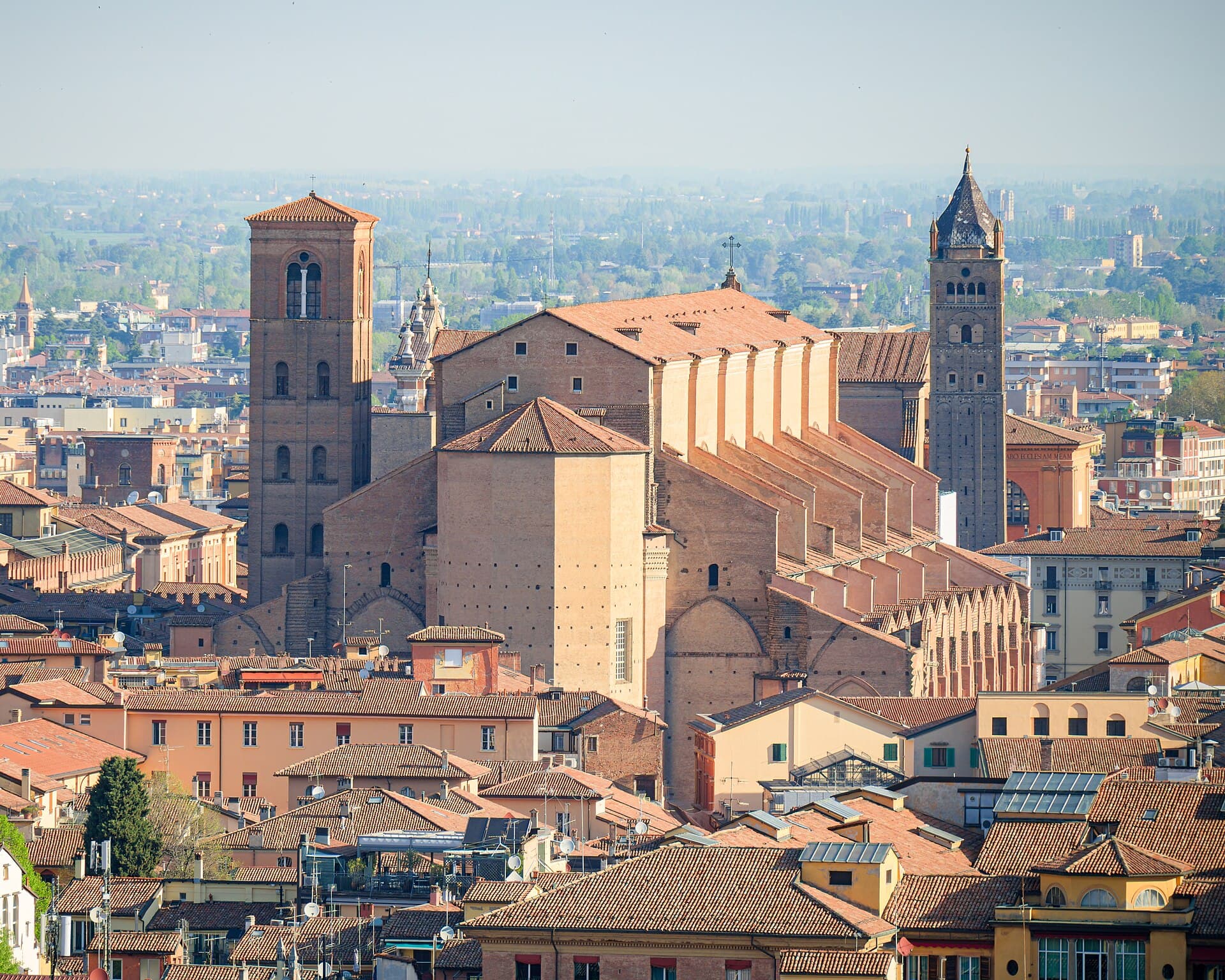 Basilica of San Petronio**An enormous church whose façade is still unfinished after six centuries, with 12 minutes walk4.6
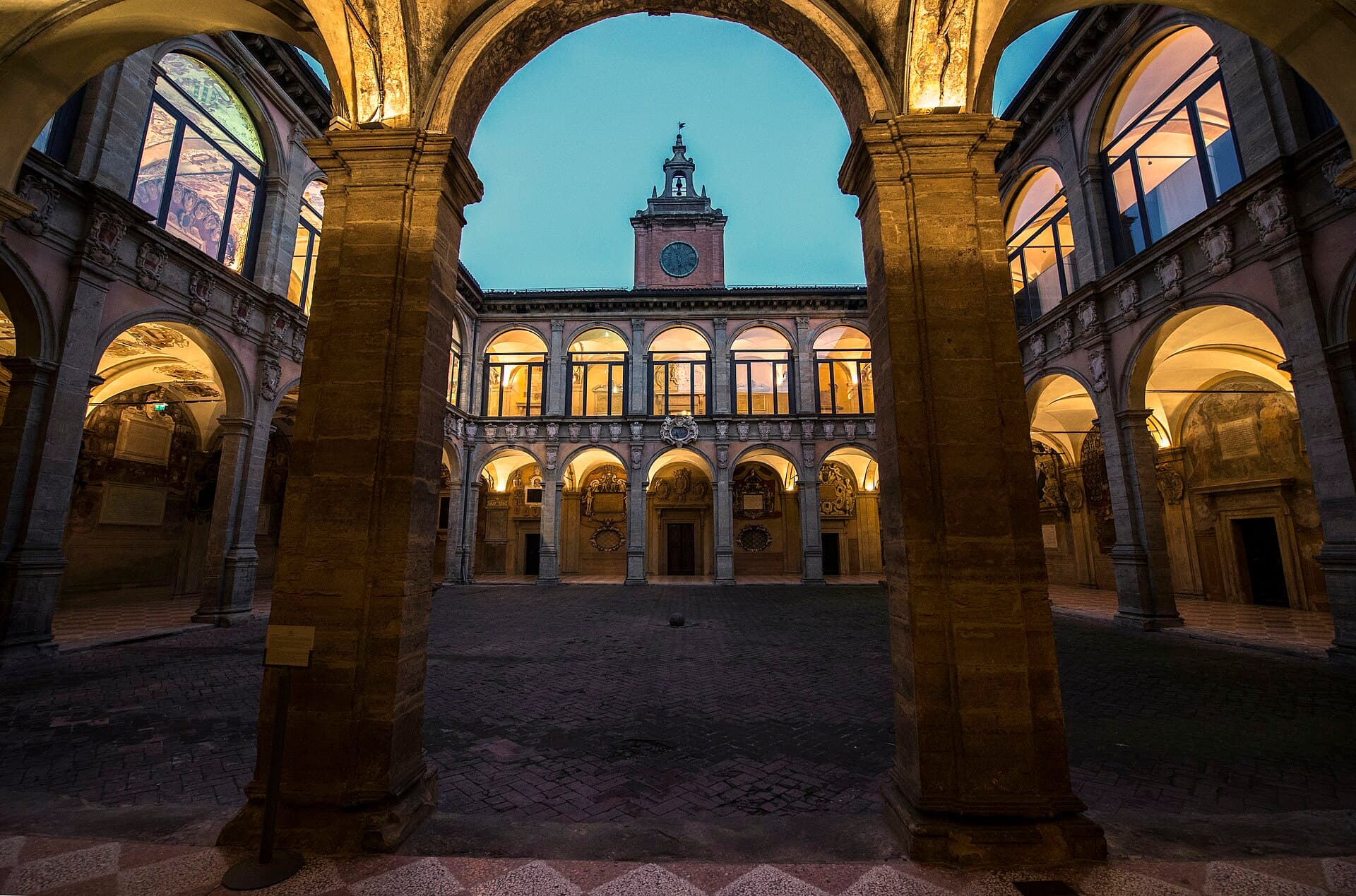 The Archiginnasio**The historic seat of the world's oldest university, its walls covered in six t13 minutes walk4.7
**A movement that restored discipline to Italian painting after Mannerism — and influenced Europe for two centuries.** ✅ **The context**: after **Raphael and Michelangelo**, Italian painting slid into **Mannerism**: contorted poses, strange colour and deliberate complication — **virtuosity without clarity**. ✅ **The response**: in Bologna around **1582**, **Ludovico Carracci** and his cousins **Agostino** and **Annibale** founded an academy of painting (the **Accademia degli Incamminati**) on a simple principle: **return to nature and draw from the live model**, **with systematic study of the great masters**. ✅ **What it produced**: a **clear, balanced, emotive** manner joining Raphael's gravity to Venetian colour — **and it became the official style of religious art** in the Counter-Reformation, and from there of the Baroque. ✅ **Its names**: **Annibale Carracci** (whose Palazzo Farnese frescoes in Rome are among the century's greatest works), **Guido Reni**, **Guercino** and **Domenichino**. ⚠ **Why you may not know it**: **its reputation collapsed in the 19th century**, when critics preferred «originality» to «the academic» — ✅ **and it was rehabilitated in the 20th**.