
The Mediterranean gardens
Lavender and rosemary between ramparts — a hanging garden over the harbour mouth.
Robert Valette — CC BY-SA 3.0 · Celuici — CC BY-SA 4.0 · Polibil — CC BY-SA 4.0 · Celuici — CC BY-SA 3.0
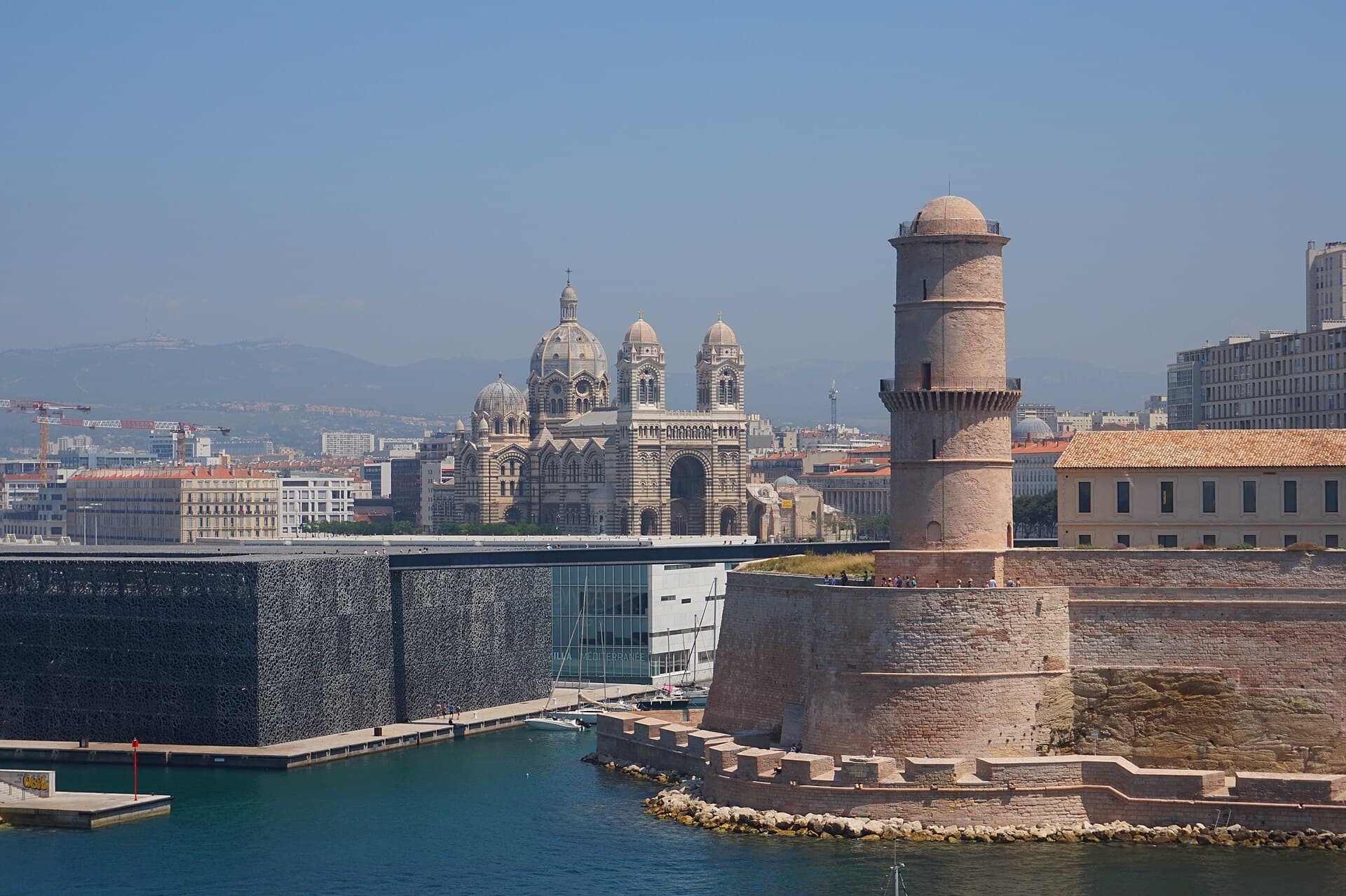
Fort Saint-Jean has guarded the Vieux-Port entrance for centuries: its round tower dates from the Knights of St John who named it, and the fort as it stands was built by Louis XIV — who pointed the cannons at the city, not the sea, as a message to rebellious Marseille. Today it is the city's loveliest public space: fully restored and opened in 2013 as a hanging garden over the sea — walkways between ramparts, Mediterranean plantings of rosemary and lavender, harbour views from every angle. Entry and wandering are entirely free. Two footbridges link it onward: one to the MuCEM over the water, one to the old Panier quarter — so you cross it on any walk, and discover the crossing itself has become the outing.
Lavender and rosemary between ramparts — a hanging garden over the harbour mouth.
The old round tower with a circular view of port and MuCEM.
Crossings over water and history — to the museum and the old quarter.
Promenade Robert Laffont, 13002 Marseille
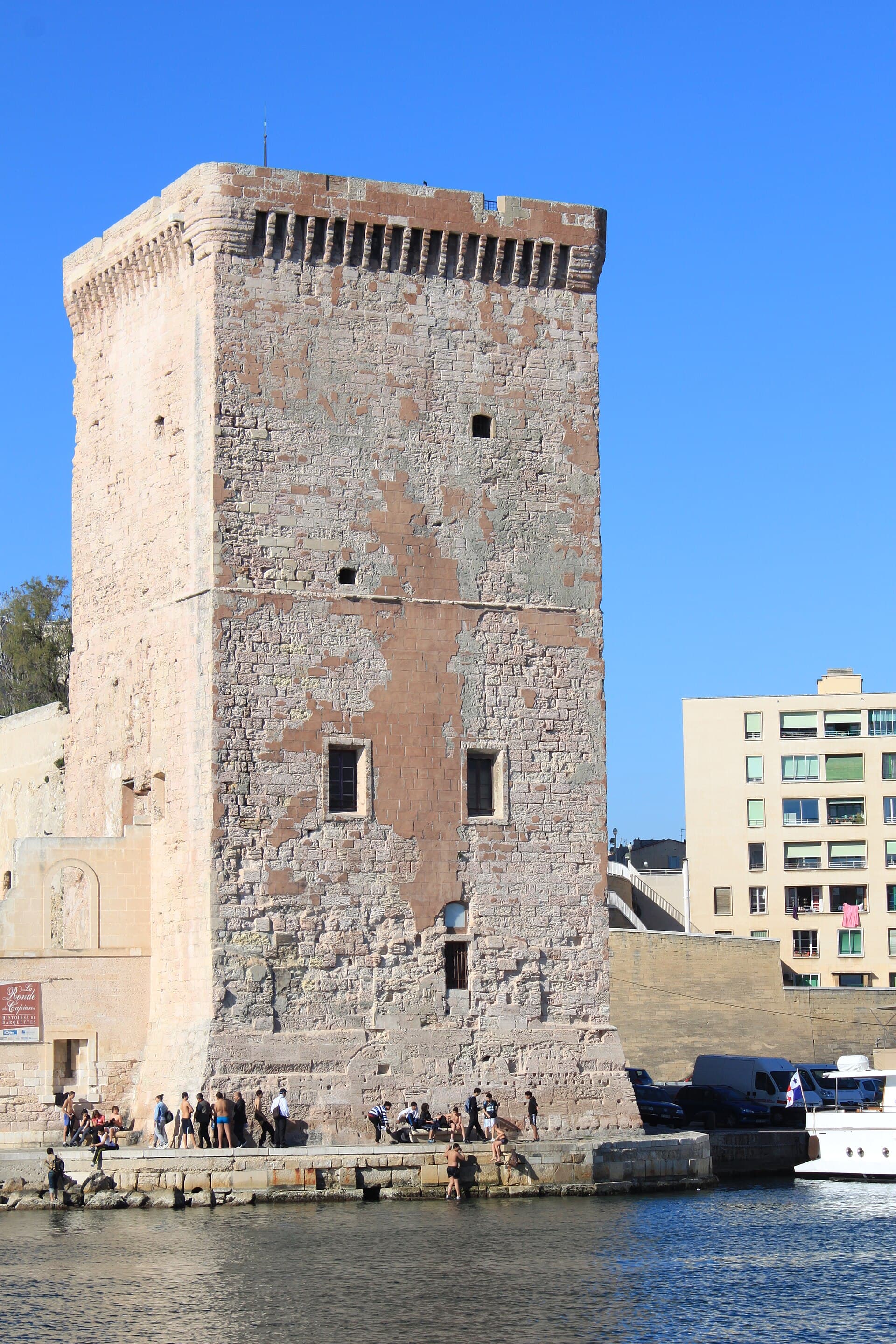 Tower of King RenéA square fifteenth-century defensive tower at the mouth of the old port, built b1 minute walk4.8
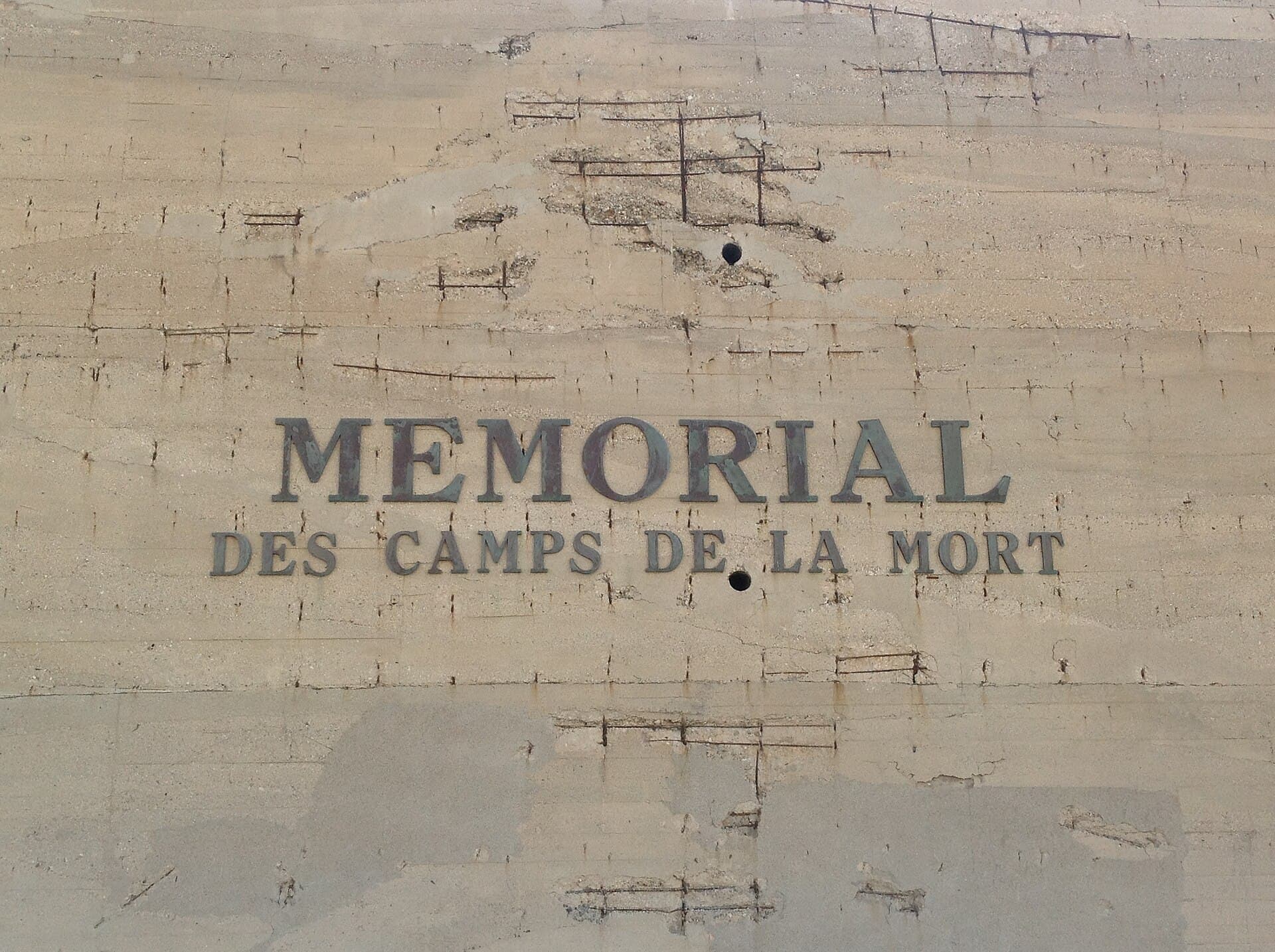 Memorial of the DeportationsA memorial and small museum near the old port, dedicated to the memory of those 1 minute walk4.5
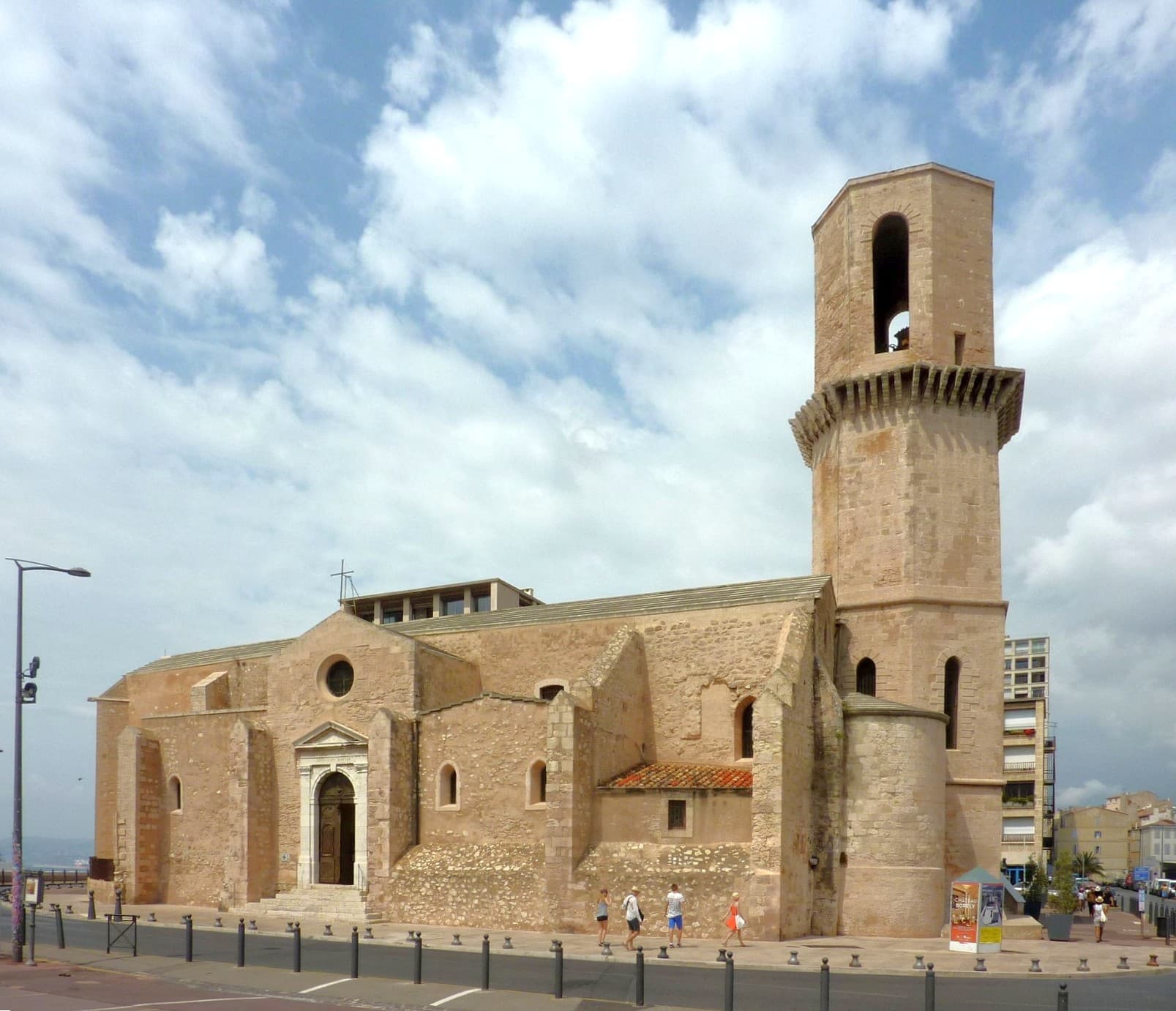 Church of Saint-LaurentA Romanesque church of the twelfth and thirteenth centuries on a rocky rise betw2 minutes walk4.3
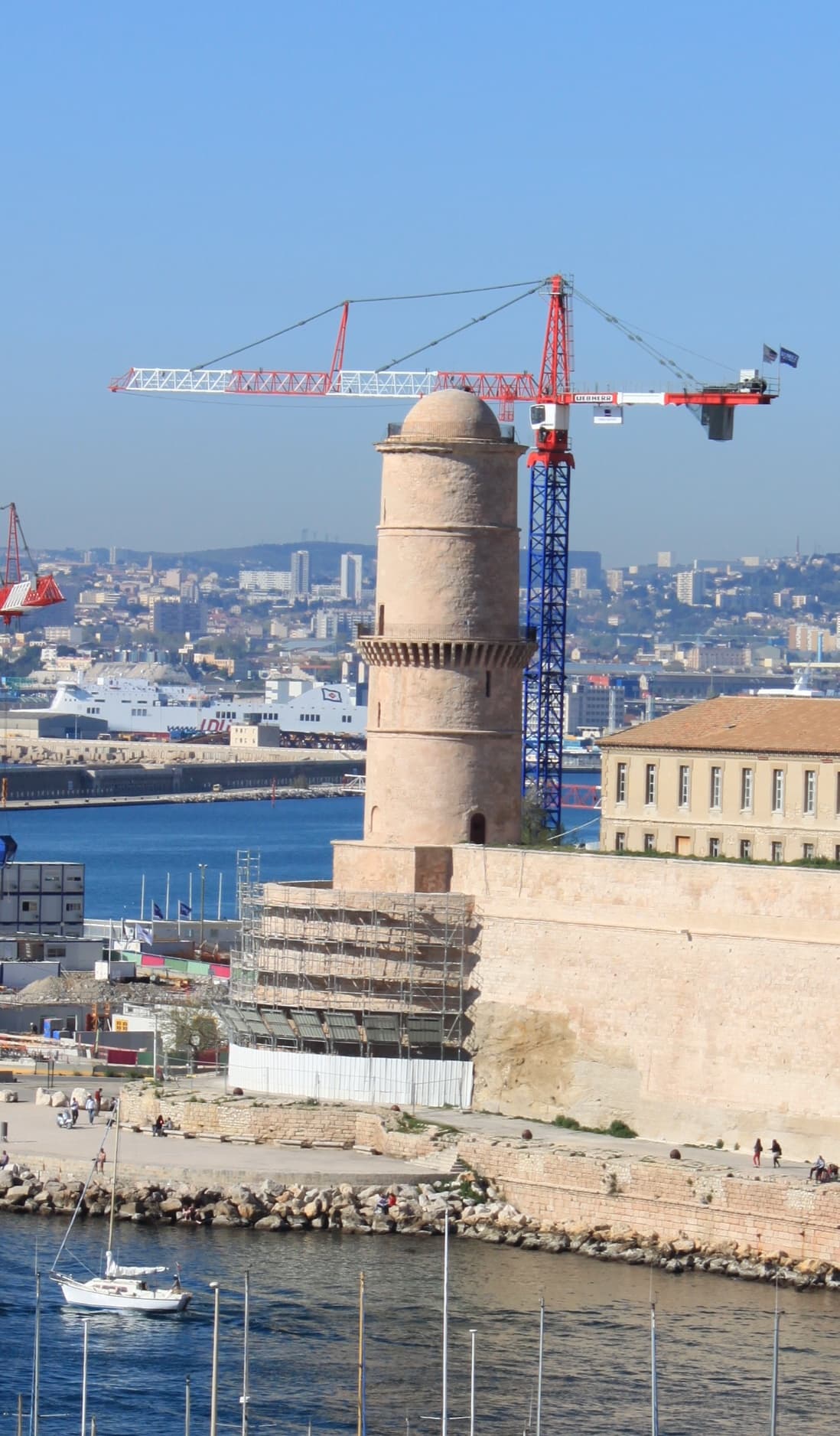 The Tour du FanalA stone tower at the entrance to the Old Port of Marseille, part of Fort Saint-J2 minutes walk4.8
 MuCEMThe MuCEM is modern Marseille's emblem: a great cube at the harbour mouth wrappe3 minutes walk4.3
Make it the hinge: start at the Vieux-Port, climb into the fort and walk its ramparts, cross the bridge to MuCEM and Cosquer, then return and take the other bridge into the Panier for lunch in its lanes. One route threads half of Marseille's sights.
Because Louis XIV built it after Marseille rebelled against him in 1660 — he wanted a fort to frighten its people before its enemies. The irony: the building Marseillais most hated is now the space they love best.
One of the city's best spots for them: safe running space, ramparts and towers to explore, exciting bridges. Just watch the few high unfenced edges.