
Thirteen columns
Colour-coded drawers the visitor opens by hand.
Lars Joachim — CC BY-SA 4.0 · Paulae — CC BY-SA 3.0 · Lupus in Saxonia — CC BY-SA 4.0
Erich Kaestner was born in Dresden in eighteen ninety-nine and wrote some of the best-loved children's books in the German language, among them Emil and the Detectives, The Flying Classroom and the twin story that became Lisa and Lottie. The Nazis burned his books in the public squares in nineteen thirty-three and he stayed in the country anyway. The museum sits in the Villa Augustin on Albertplatz, the house of his uncle Franz Augustin, a horse dealer, where the boy spent a great deal of his childhood. What makes the place unusual is its idea rather than its size. The Irish architect Ruairi O'Brien fitted the whole museum into a single room of about thirty square metres and called it a walk-in treasure chest: thirteen mobile columns packed with colour-coded drawers that visitors pull open themselves, each colour standing for a strand of the writer's life or work. Inside are first editions, clothing and personal objects, and most of it is meant to be handled and read rather than admired behind glass. The visit is short by design, half an hour to an hour, which makes it a good stop between a wander through the Neustadt and the walk back over the bridge, since Albertplatz is a major tram junction. The opening pattern is genuinely odd and worth checking before you set out: closed on Tuesday and Saturday, and on Wednesday it opens only after half past twelve. Most of the material is in German, so ask at the desk what exists in other languages.
Colour-coded drawers the visitor opens by hand.
The house of the writer's uncle on Albertplatz.
Antonstrasse 1, 01097 Dresden
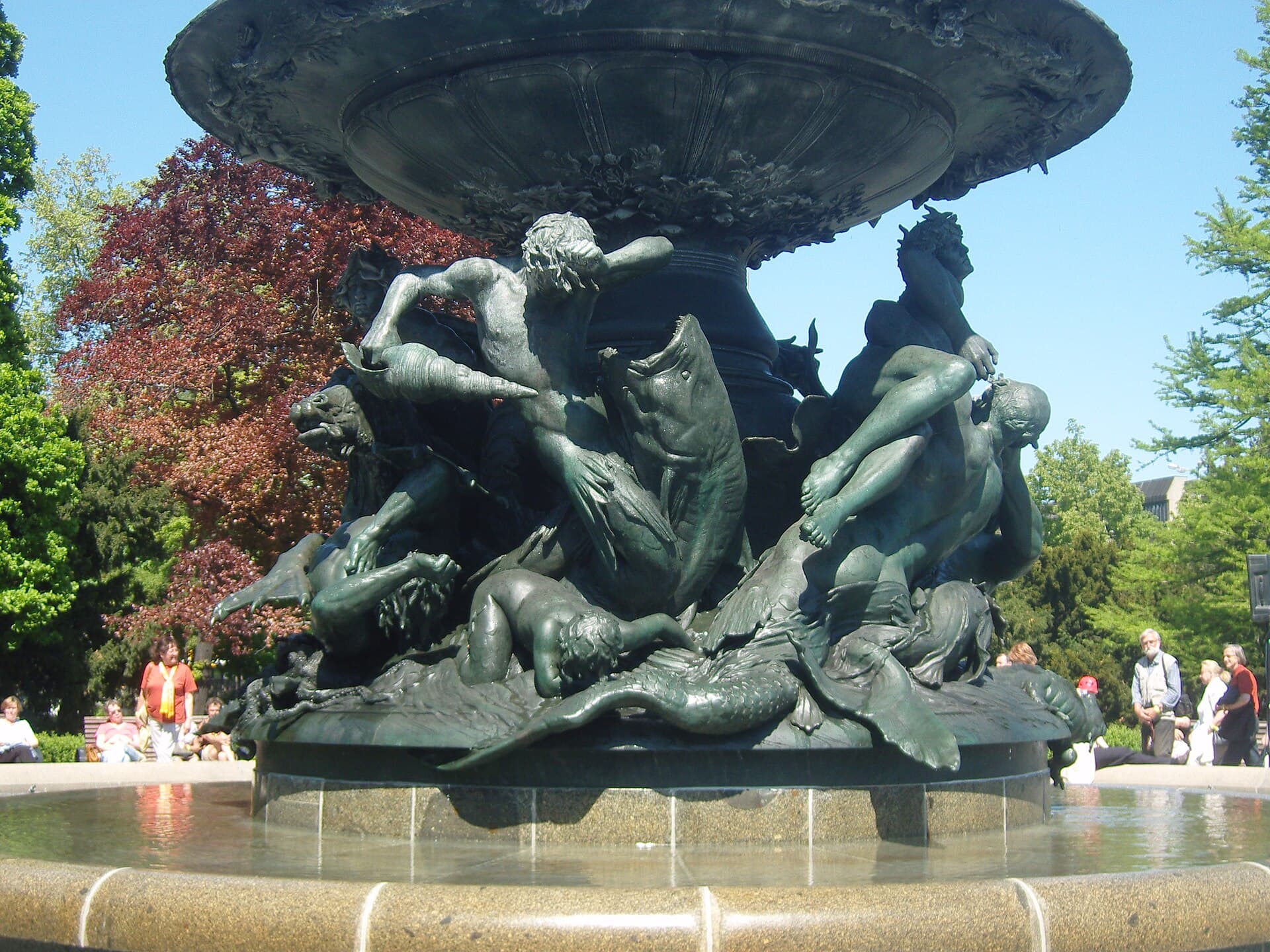 The Stormy Waves FountainsA pair of fountains in northern Dresden known together as Stormy Waves and Calm 1 minute walk4.5
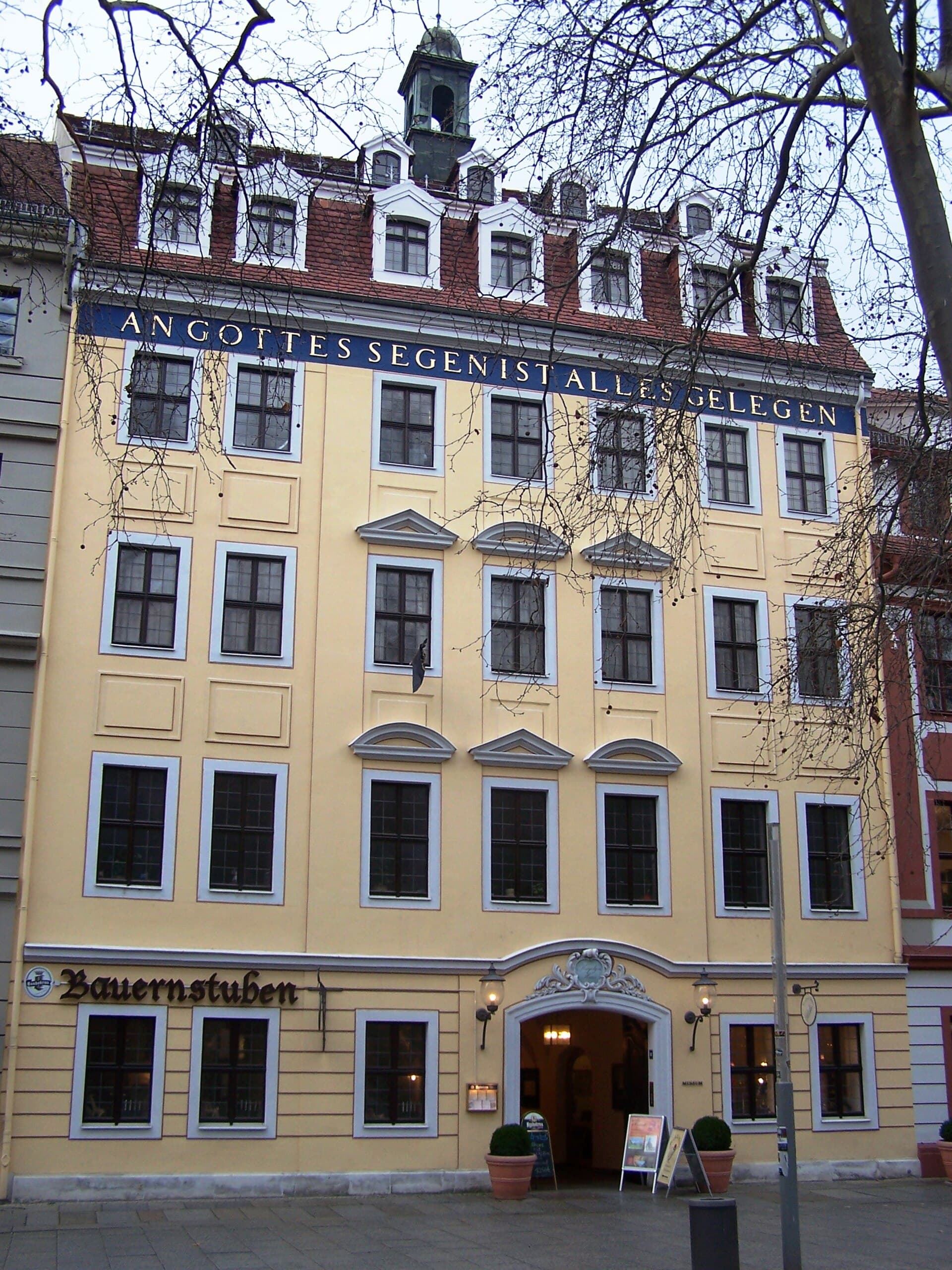 Museum of Dresden RomanticismThe Kügelgenhaus is a baroque merchant's house on the main street of the Neustad6 minutes walk4.5
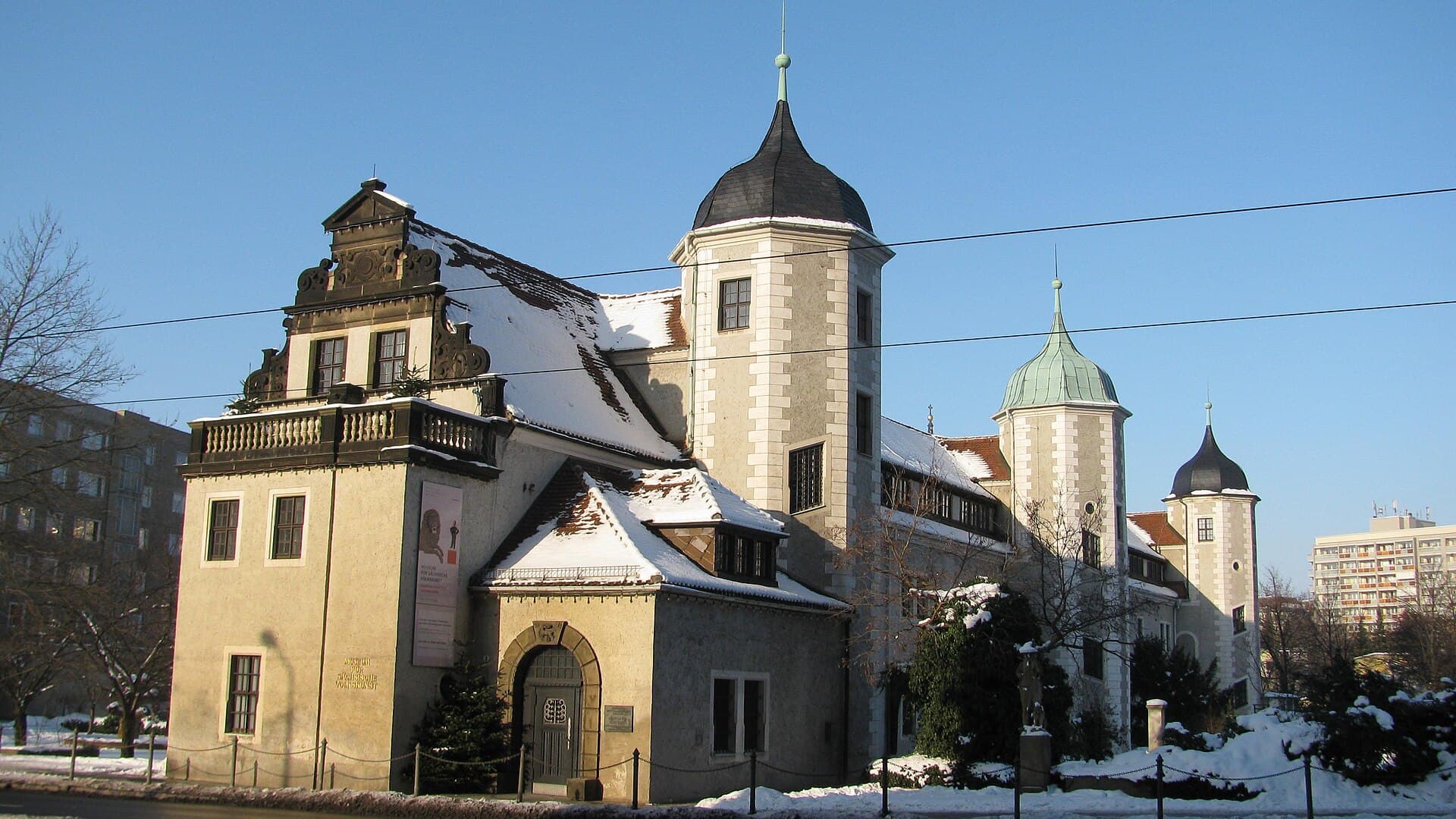 Museum of Saxon Folk ArtThe museum occupies the Jaegerhof, a princely hunting lodge begun in fifteen six8 minutes walk4.5
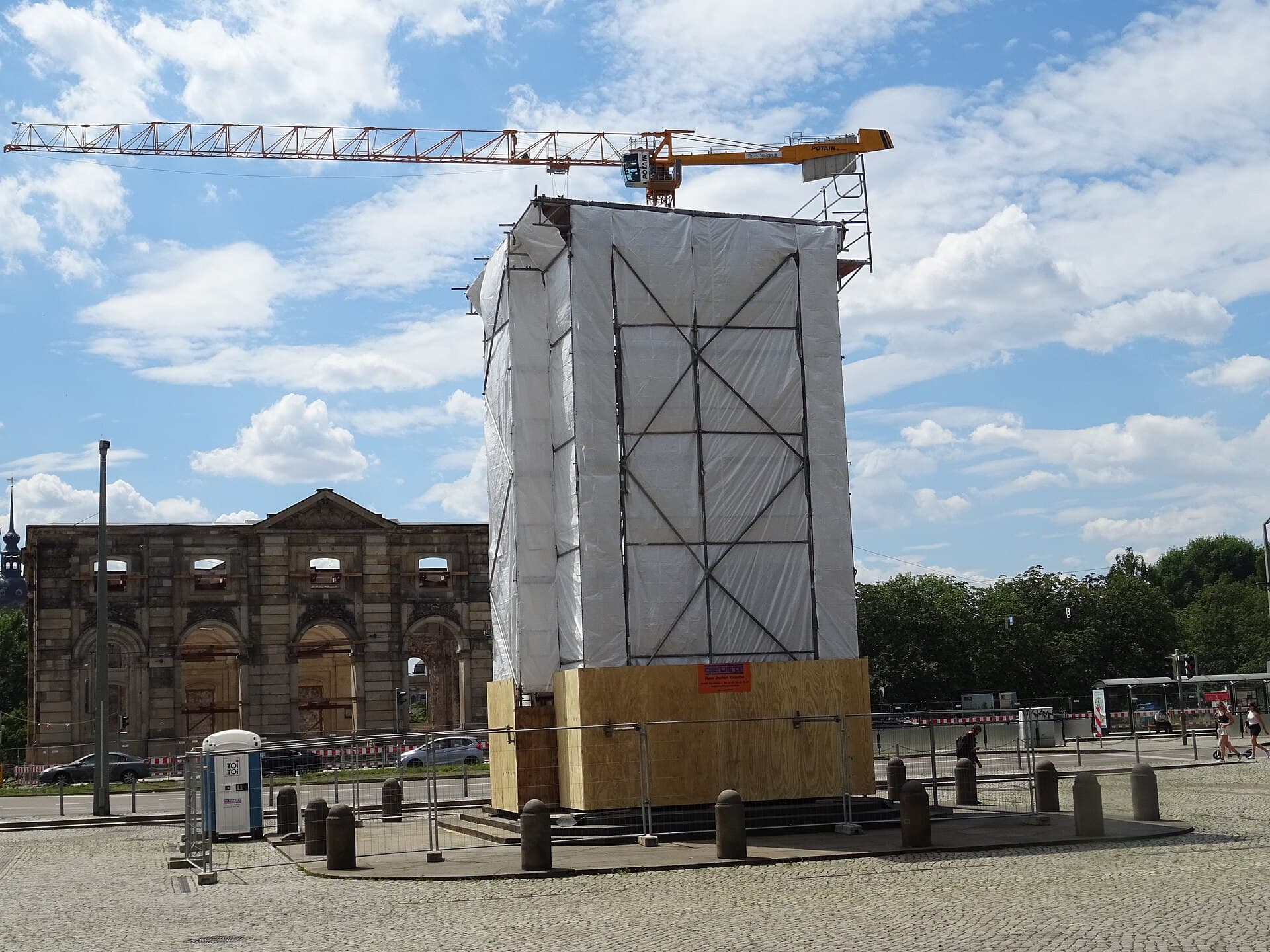 Golden RiderThe Golden Rider is a gilded equestrian statue of Augustus the Strong, ruler of 9 minutes walk4.5
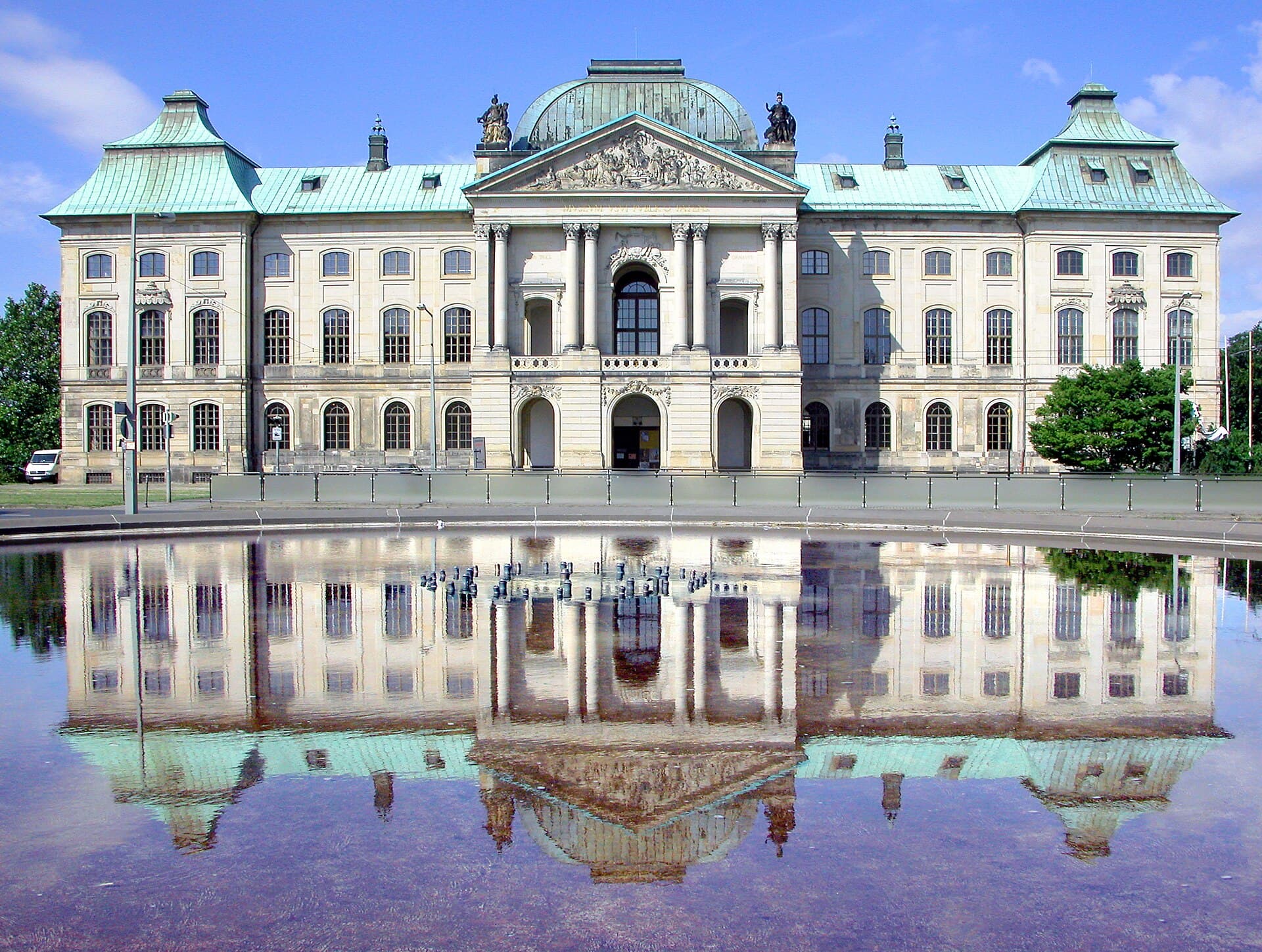 Japanese Palace (Japanisches Palais)The Japanese Palace witnesses Europe's eighteenth-century obsession with the Far9 minutes walk4.3
Honestly, not very well. The pleasure of the place is opening drawers and reading what is inside, and the texts are largely German. A child who already knows Emil and the Detectives will enjoy the objects; another child will be finished in ten minutes.