
The square as composition
The design treats the space as a whole, not a site for one piece.
Z thomas — CC BY-SA 3.0 · Aleksandr Zykov from Russia — CC BY-SA 2.0 · -wuppertaler — CC BY 4.0 · VSchagow — CC BY-SA 4.0
A pair of fountains in northern Dresden known together as Stormy Waves and Calm Waves, an example of a German tradition of designing public space in matched opposing pairs. The idea is simple and effective: two works identical in scale and placement but opposed in mood, set at either end of a space so that a passer-by reads them together rather than separately. The movement in one is turbulent and interlocking, in the other still and extended. This kind of design was common in German public spaces in the first half of the twentieth century, and expresses an approach that treats a square as a complete composition rather than a site for a single piece. The fountains stand in a residential area north of the centre, away from the usual visitor route. Practical points: free and always open. They do not justify a dedicated trip — a detail for anyone living in or walking the area. They may be drained in winter.
The design treats the space as a whole, not a site for one piece.
Identical in scale and placement, entirely opposed in mood.
A residential area north of the centre used by residents.
North Dresden
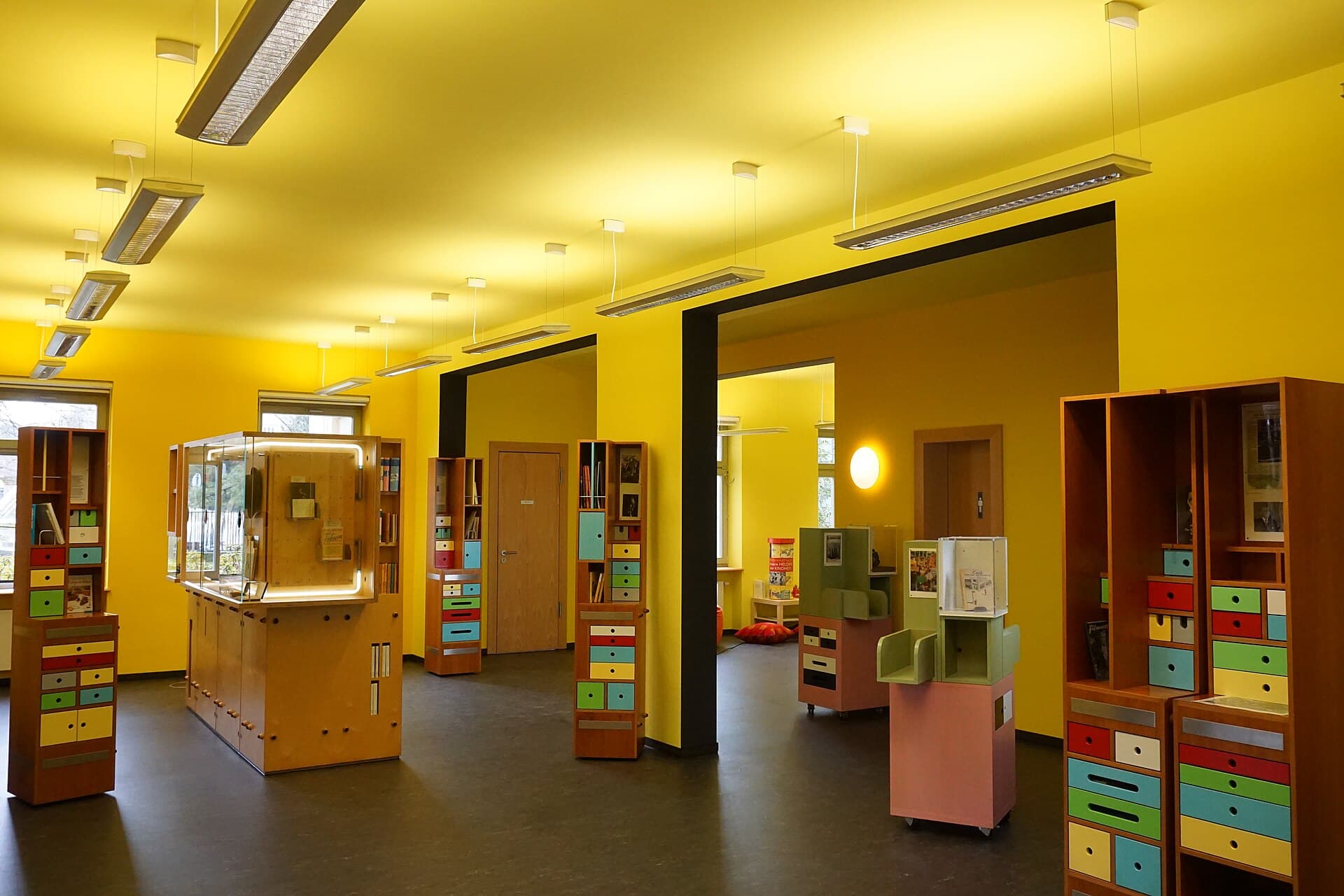 Erich Kaestner MuseumErich Kaestner was born in Dresden in eighteen ninety-nine and wrote some of the1 minute walk4.5
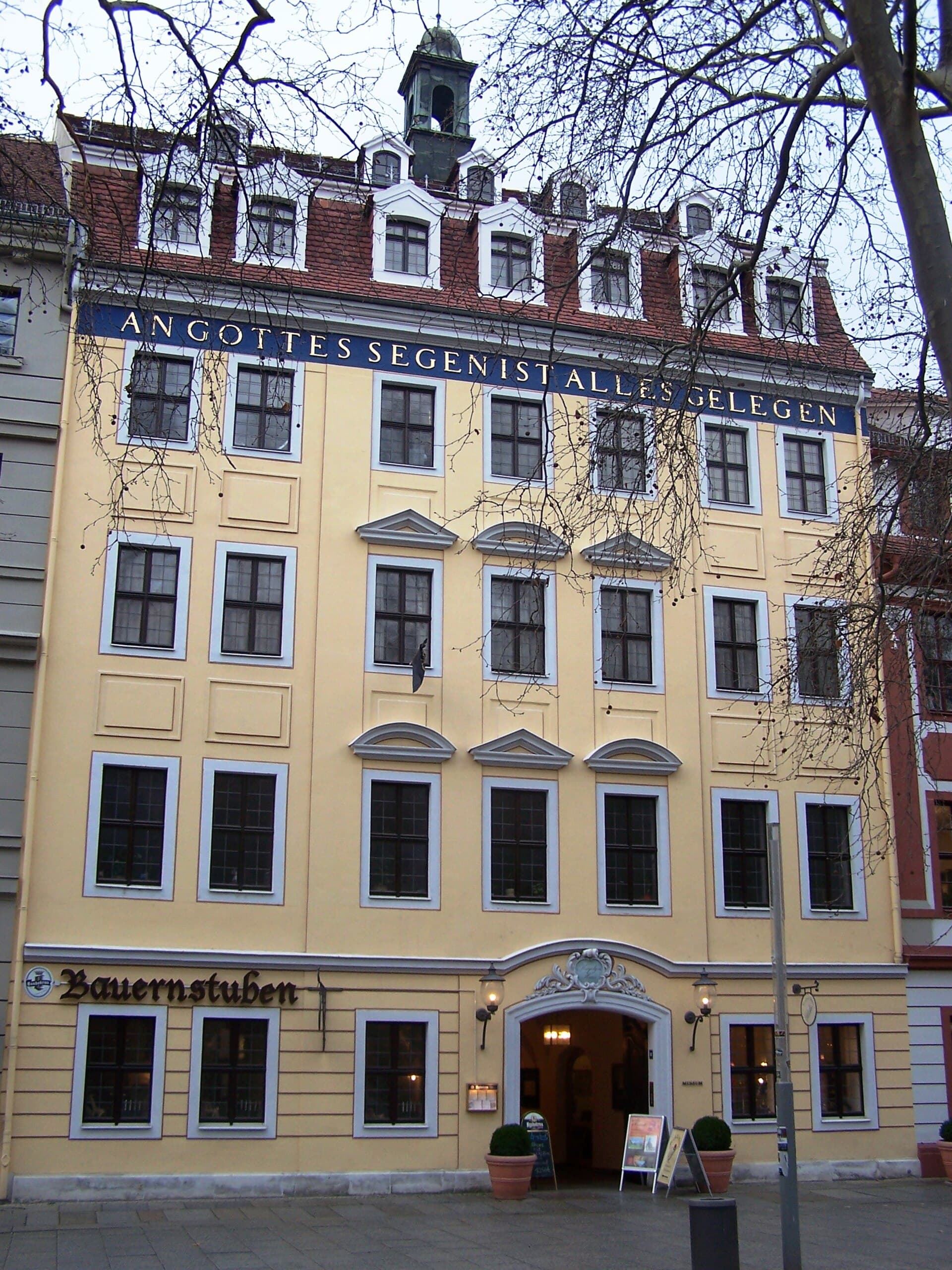 Museum of Dresden RomanticismThe Kügelgenhaus is a baroque merchant's house on the main street of the Neustad5 minutes walk4.5
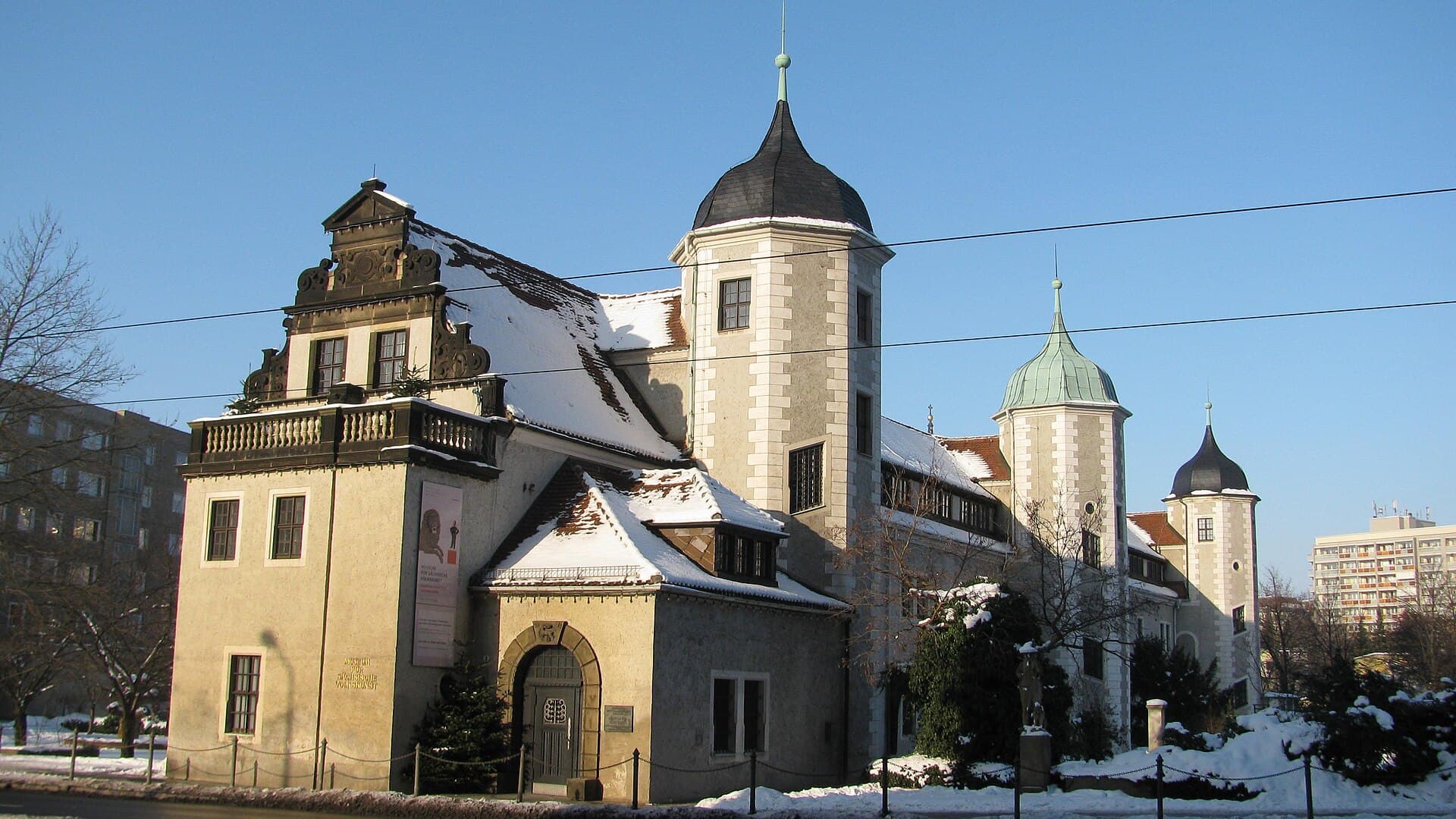 Museum of Saxon Folk ArtThe museum occupies the Jaegerhof, a princely hunting lodge begun in fifteen six7 minutes walk4.5
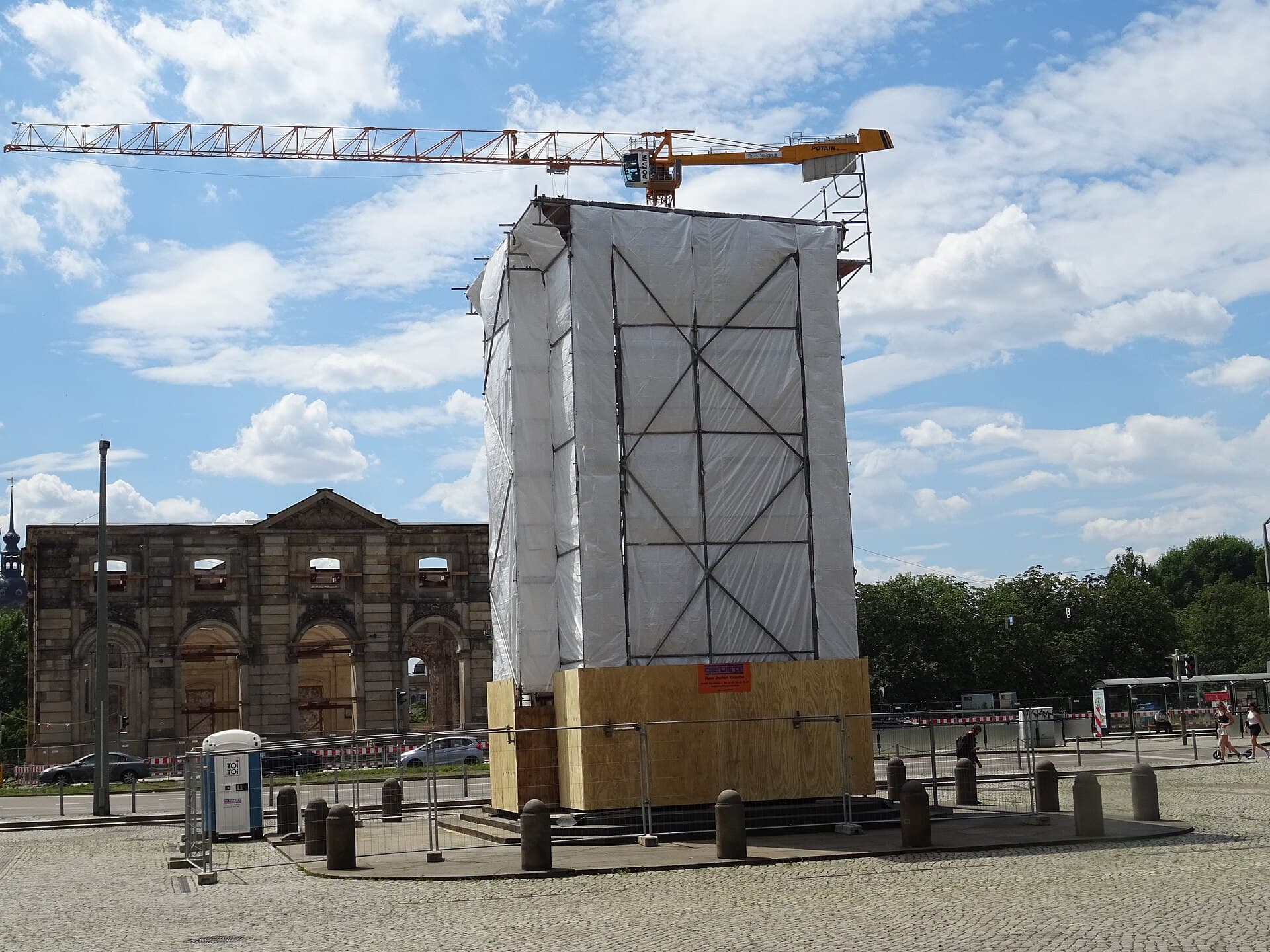 Golden RiderThe Golden Rider is a gilded equestrian statue of Augustus the Strong, ruler of 8 minutes walk4.5
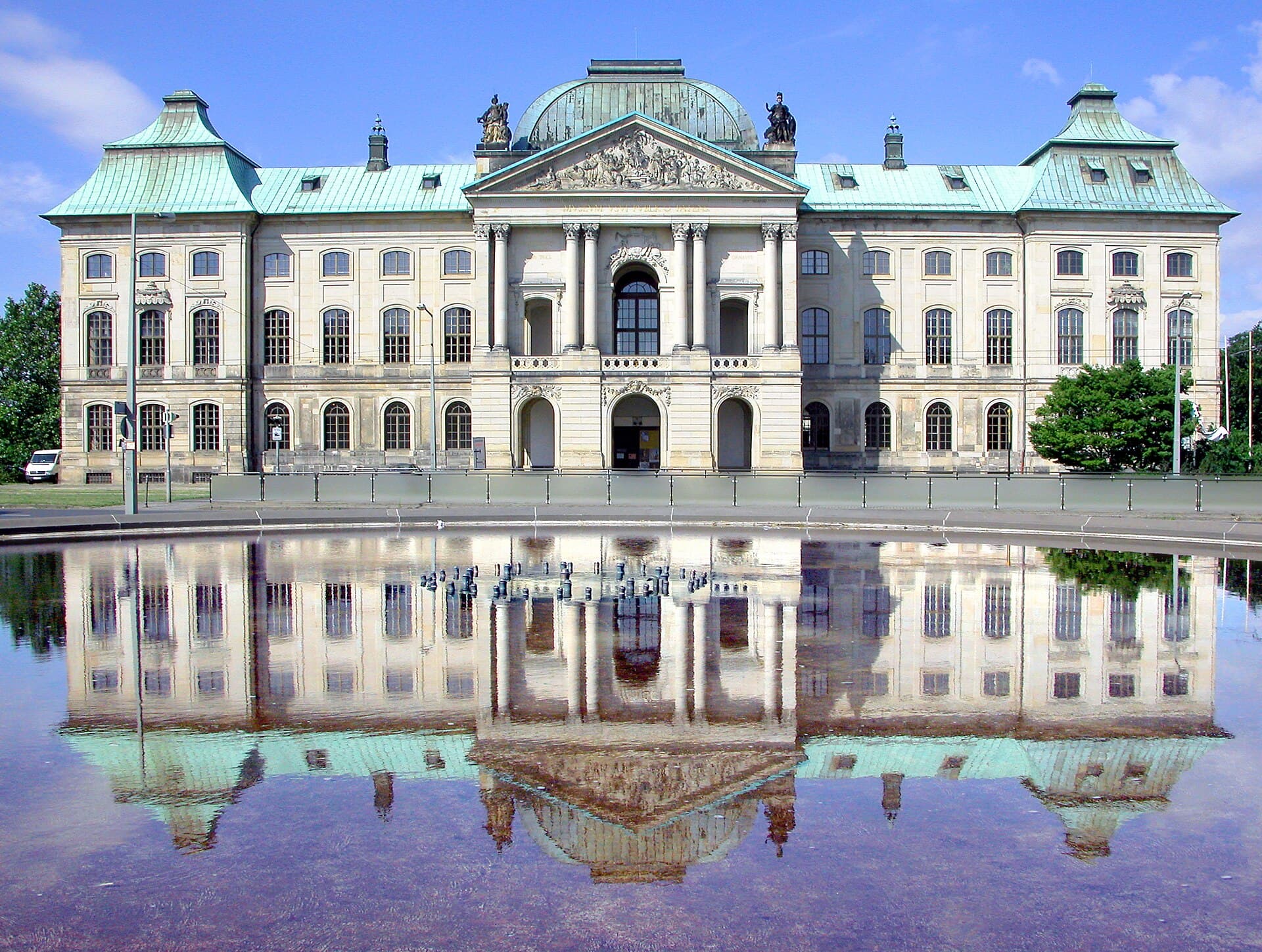 Japanese Palace (Japanisches Palais)The Japanese Palace witnesses Europe's eighteenth-century obsession with the Far9 minutes walk4.3
Not as a destination, and it is listed plainly on that basis. Its value is for anyone staying in Dresden more than two nights who wants to see districts outside the crowded tourist centre. With one or two days, the Zwinger, the Frauenkirche and the Green Vault come far first.
The Äussere Neustadt north of the river is the alternative quarter of cafés and street art; Blasewitz to the east has villas and historic funiculars climbing the slope; and Hellerau to the north is an experimental garden city of the early twentieth century. All three are reachable by tram and give a picture of Dresden that a two-day visitor never sees.