
Victorian building
Imported brick.
Leticia cardoso — CC BY-SA 4.0 · Paulo Humberto — CC BY-SA 3.0 · Orlando Sant Anna — CC0 · Paulo Humberto — CC BY-SA 3.0 · Yara Carvalho — CC BY-SA 4.0 · Yara Carvalho — CC BY-SA 4.0 · MadeleineMoon — CC BY-SA 4.0
The Estação Cultura is the former central railway station of Campinas, also called Campinas Station or the Fepasa Station, and has worked as a cultural centre since 2002. In 2007 it was voted one of the Seven Wonders of the City. It opened on 11 August 1872, in the coffee boom, on the Campinas–Jundiaí line financed by the great planters. Built of bricks imported from England, it keeps an architecture reminiscent of the Victorian era; its central body was finished by 1884 and the two side wings were added by 1930. Outside, a 200-metre pedestrian tunnel built in 1918 links the centre to the Vila Industrial district, and Constitutionalist soldiers left from here for the front in the 1932 revolution. The last passenger train left in March 2001, and mayor Antônio da Costa Santos turned the station into a cultural centre, opened exactly 130 years after the first train. It hosts exhibitions, shows and fairs; check the programme.
Imported brick.
200 m, 1918.
Since 2002.
Central Campinas, São Paulo state
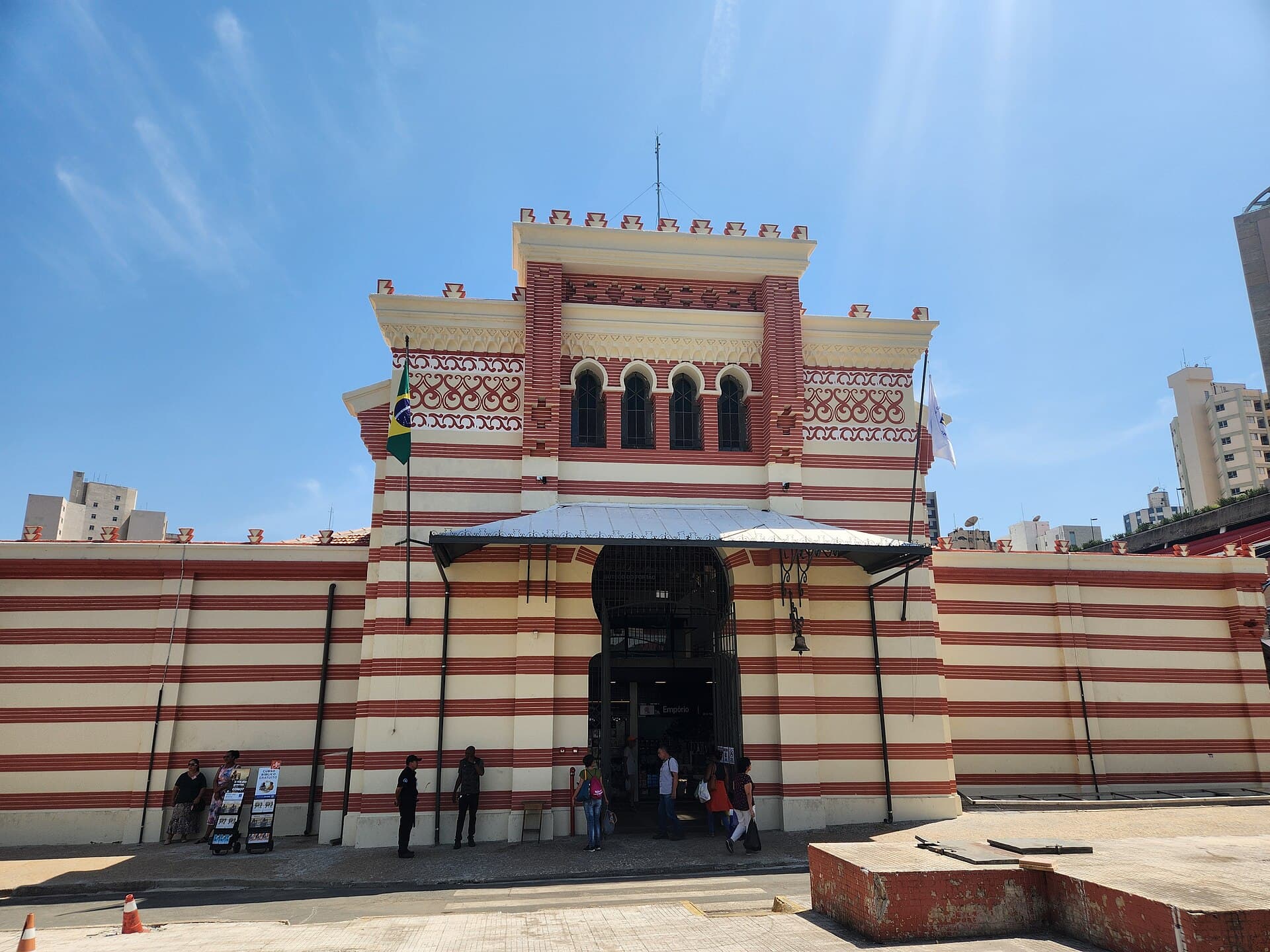 Mercado Municipal de CampinasThe Municipal Market of Campinas, the «Mercadão», is a historic market in the ci8 minutes walk4.4
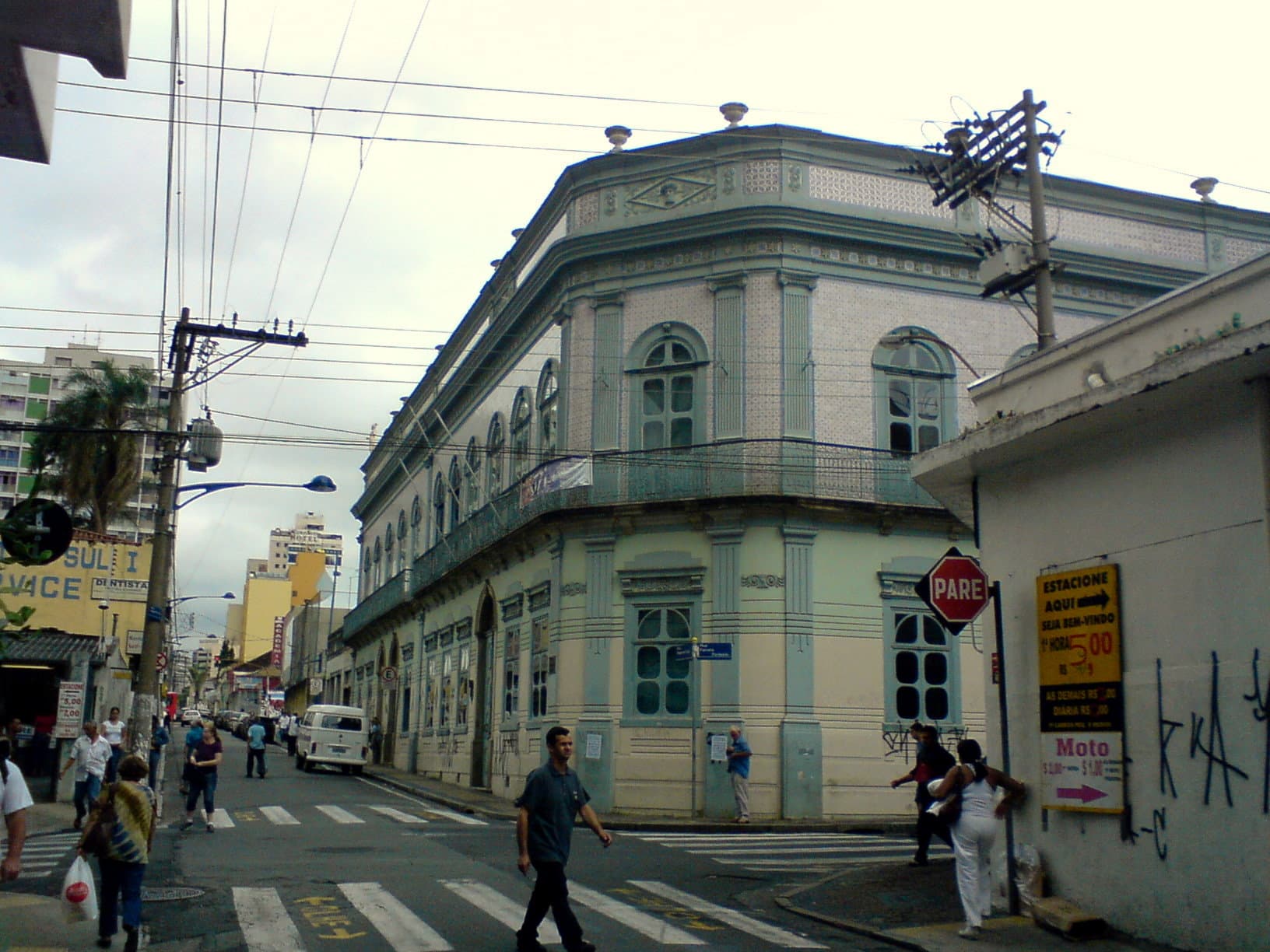 Palácio dos Azulejos (Museum of Image and Sound)The Palácio dos Azulejos, the «Tile Palace», is a historic building in central C9 minutes walk4.3
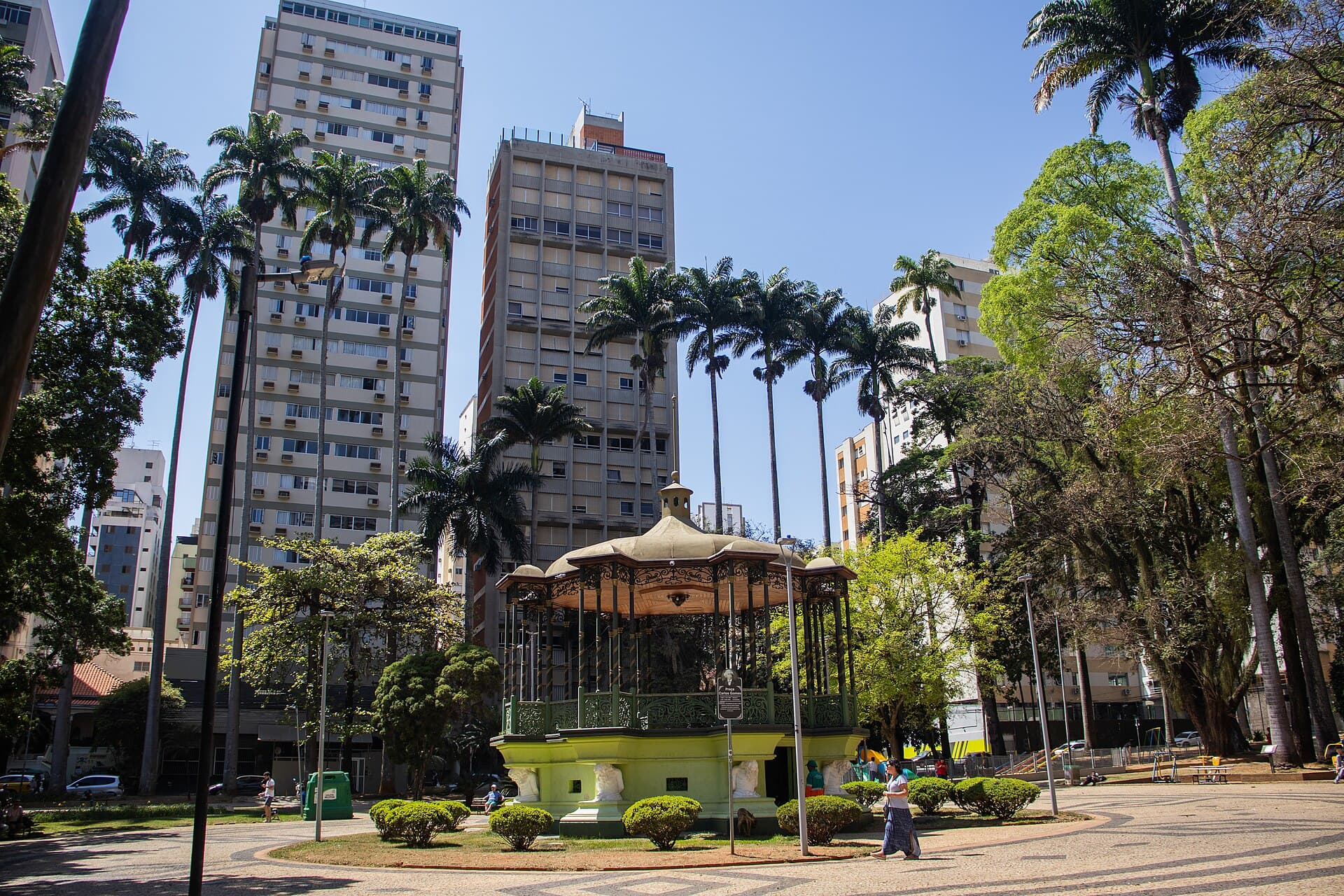 Praça Carlos GomesPraça Carlos Gomes is a garden square in central Campinas, São Paulo state, desi15 minutes walk4.3
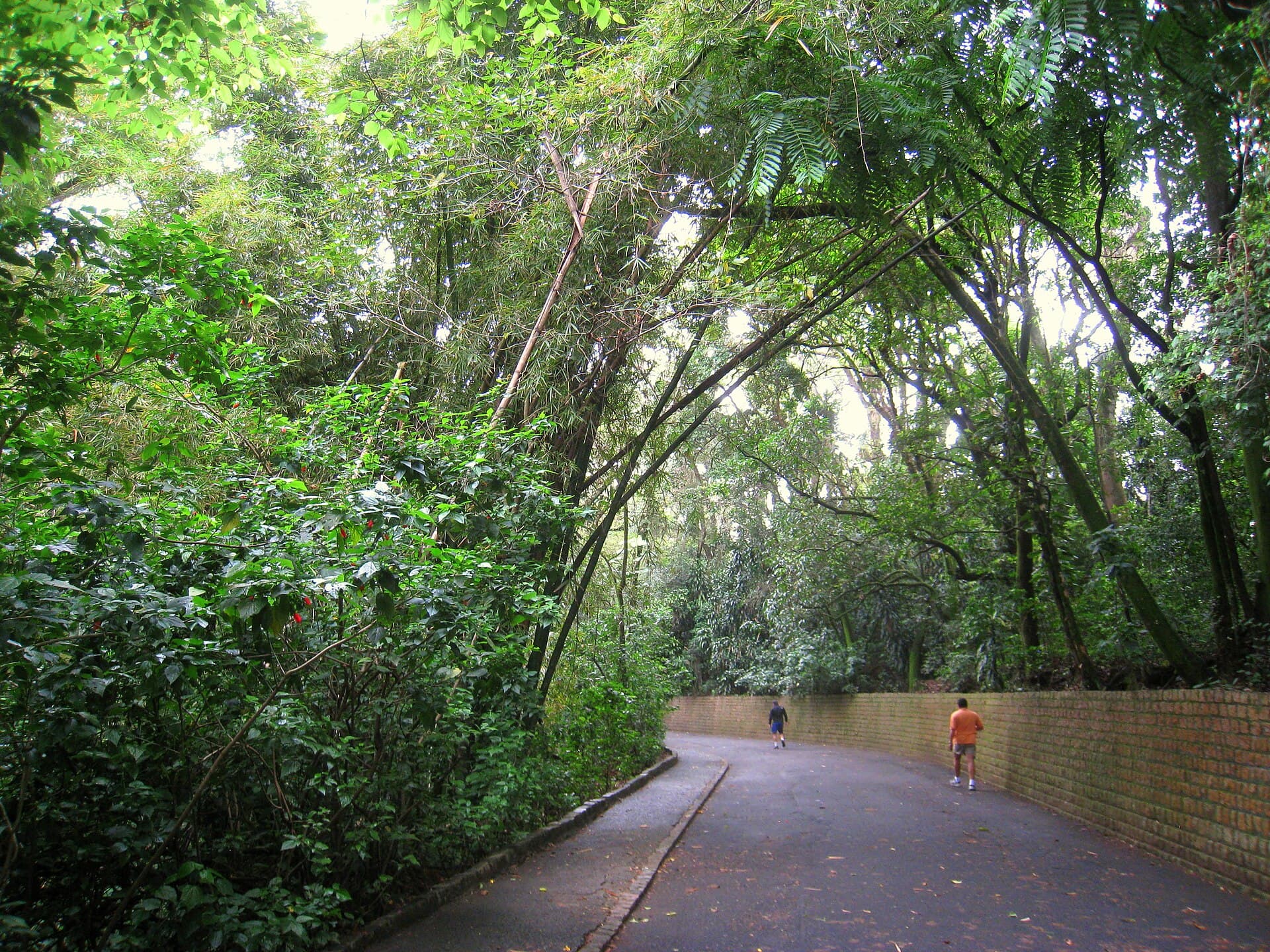 Bosque dos JequitibásThe Bosque dos Jequitibás is a park in the Bosque district of central Campinas, 20 minutes walk4.5
No, the last passenger train left in 2001; it is now a cultural centre.