
What fitted in a railway wagon
A section on displacement: what people took and what they left behind.
Garzena — CC BY-SA 3.0 · Celina Strzelecka — CC BY-SA 4.0 · Celina Strzelecka — CC BY-SA 4.0 · Celina Strzelecka — CC BY-SA 4.0
A museum of the folk culture of Lower Silesia, a branch of the National Museum in Wrocław, in a baroque episcopal summer palace south-east of the centre. The subject here carries a complexity not found in other ethnographic museums: Lower Silesia was German until 1945, and its present inhabitants are Poles who arrived after the war from various regions — many of them displaced from eastern Poland annexed by the Soviet Union. That means local folk culture here is not one continuous layer but several combined: what the German inhabitants left, what the arrivals from Lwów and its region brought, and what grew afterwards. The museum addresses this openly in its displays: dress, tools, furniture and crafts from both sides, and a section on the experience of displacement itself — what people carried with them in railway wagons and what they left. The palace and its garden are worth the visit in themselves, and the site is quieter than the centre.
A section on displacement: what people took and what they left behind.
The region's population changed entirely, so there is no single continuous folk layer.
The baroque building and its garden are worth the visit in themselves.
A former episcopal summer palace, Traugutta street
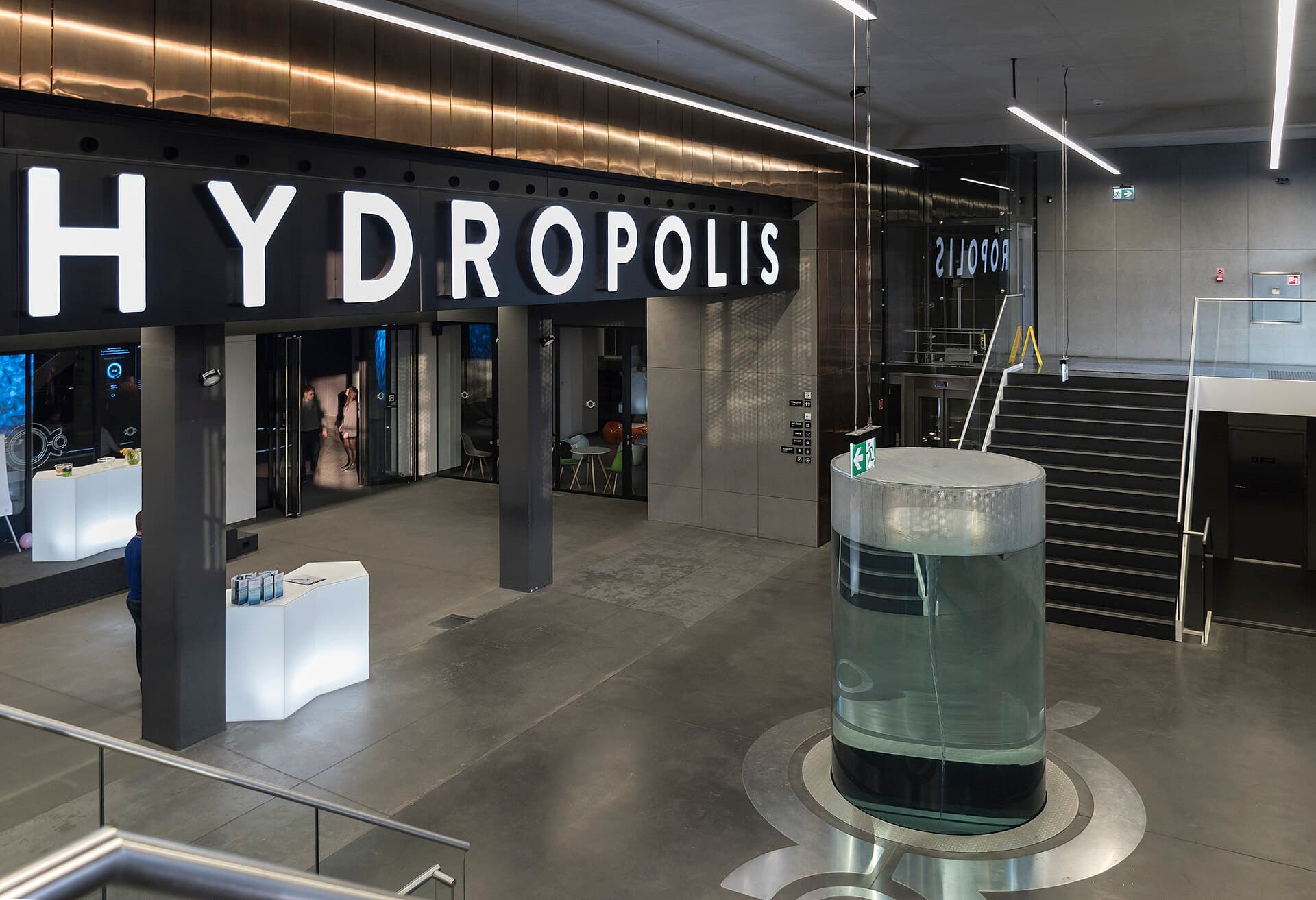 Hydropolis — the Water Knowledge CentreHydropolis is Europe's only museum of its idea: a knowledge centre devoted exclu4 minutes walk4.6
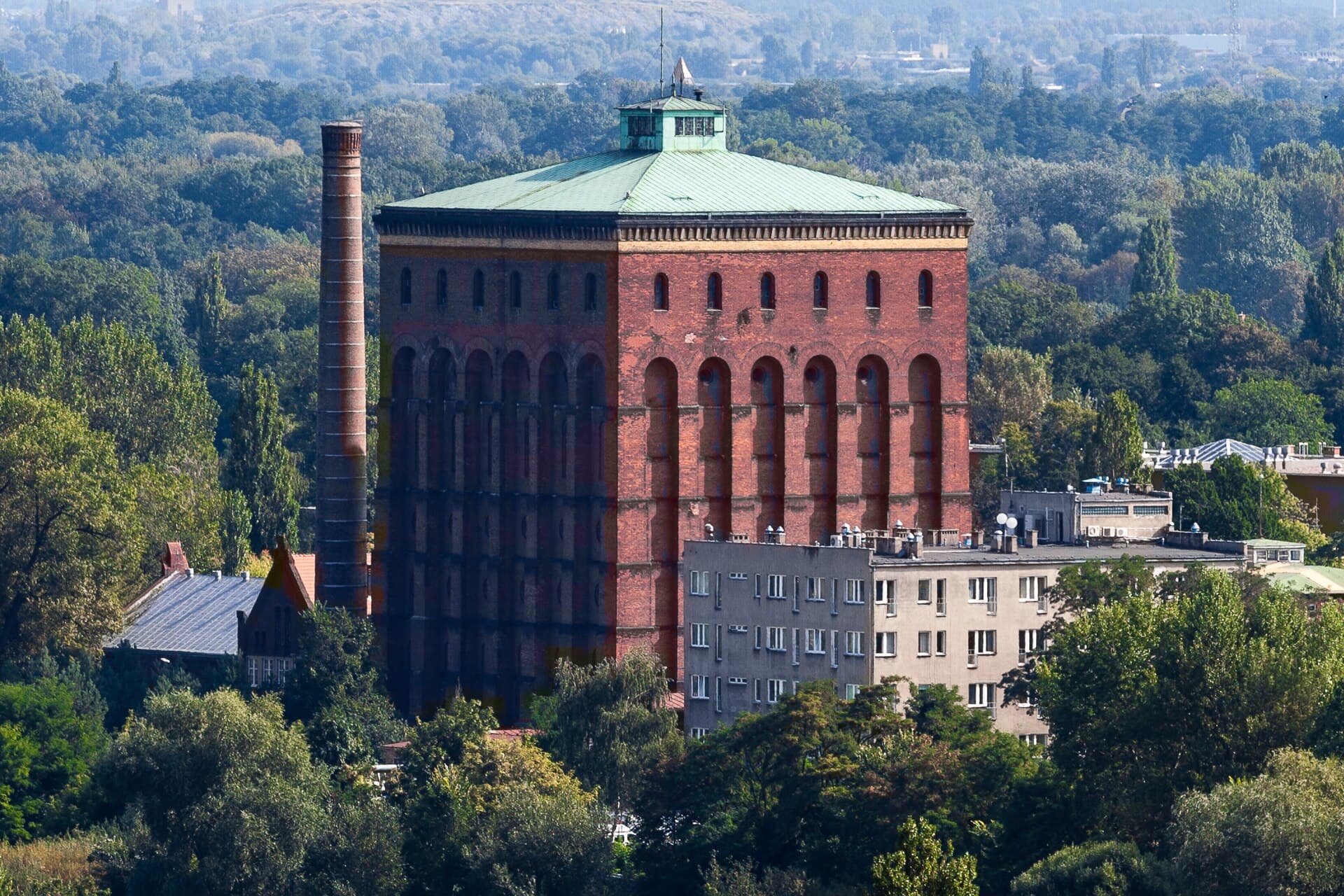 Water Tower on the DikeA nineteenth-century red brick water tower in Wrocław, part of the city's first 7 minutes walk4.7
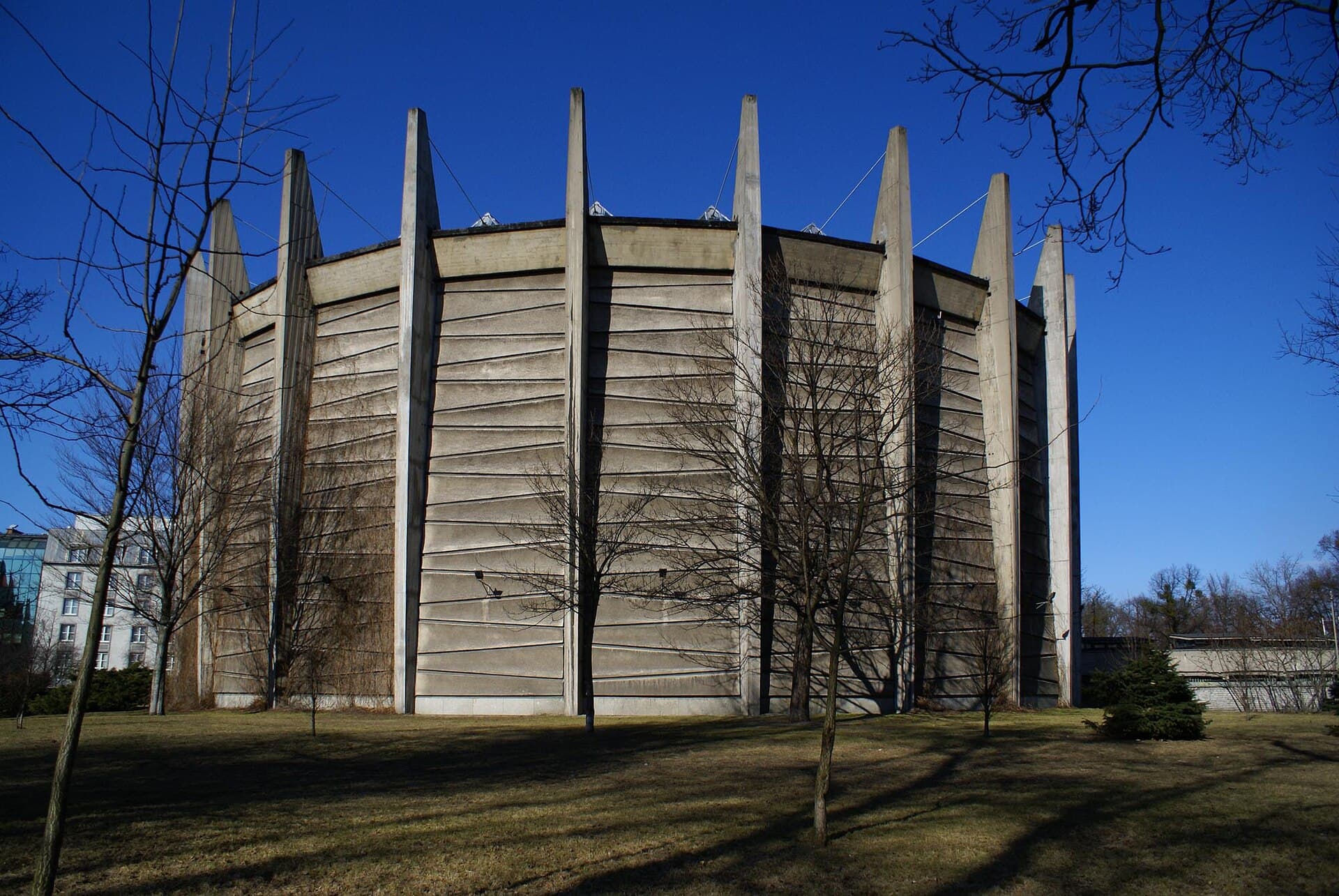 The Racławice PanoramaThe Panorama is the nineteenth century's surviving cinema: a colossal circular p16 minutes walk4.7
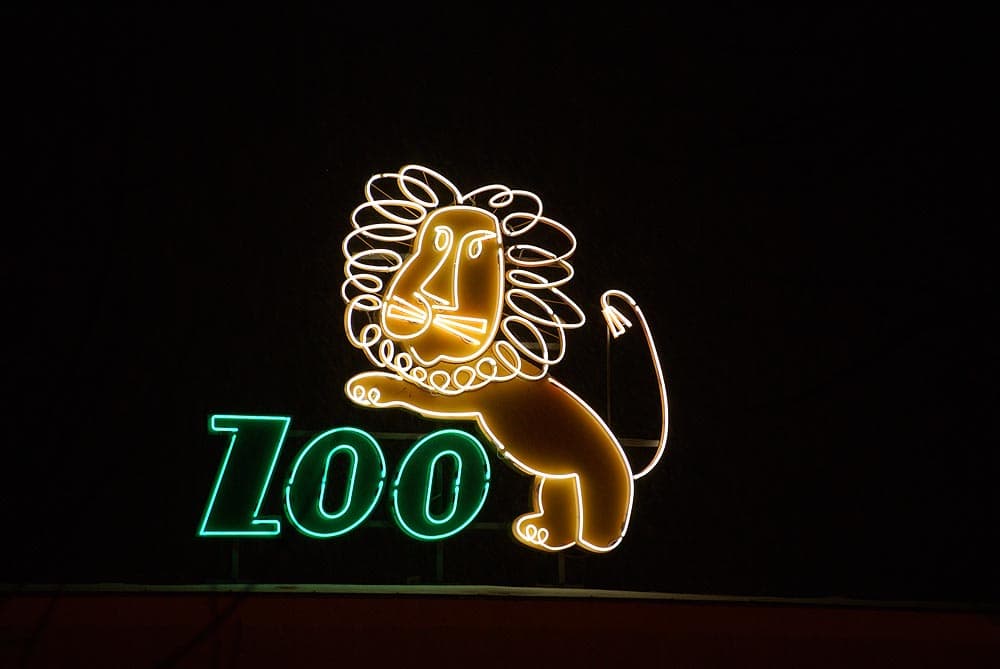 Wroclaw Zoo & the AfricariumWroclaw Zoo is the most visited in all Poland — with a landmark without planetar20 minutes walk4.8
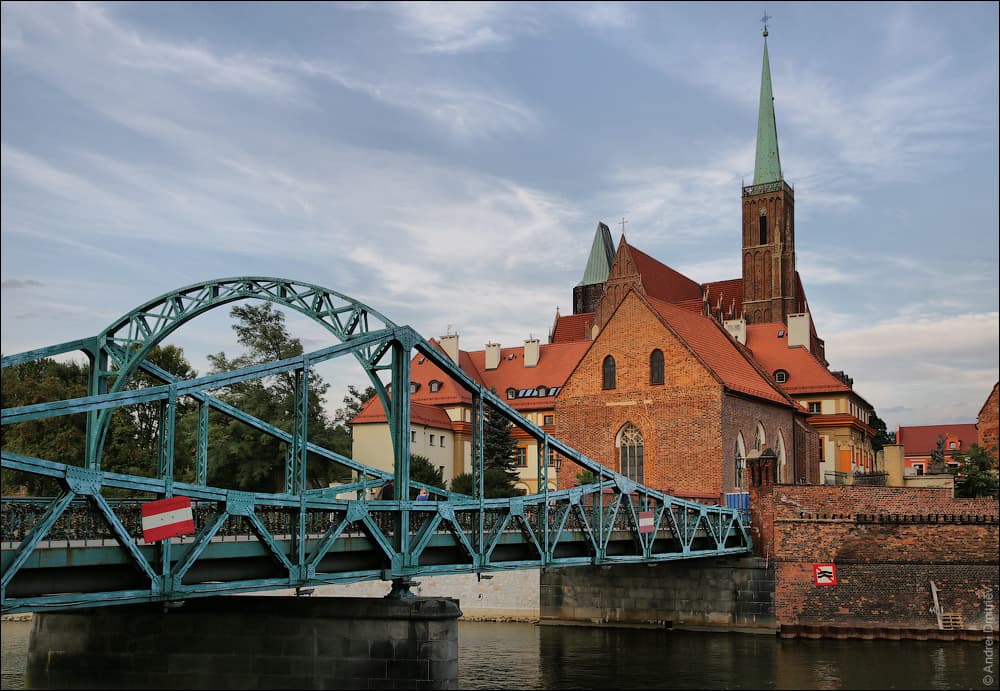 Ostrów Tumski — Cathedral IslandOstrów Tumski is Wroclaw's millennial cradle: the former island where the city b21 minutes walk
At the Tehran and Yalta conferences the Allies agreed that the Soviet Union would keep the eastern Poland it had occupied in 1939, and that Poland would be compensated with German territory in the west. The result was that the whole country shifted some two hundred kilometres west: it lost Lwów and Wilno and gained Wrocław, Gdańsk and Szczecin. Millions were moved in both directions, some arriving in houses their previous occupants had left days before.
If the region's modern history interests you, yes — this museum explains why Wrocław is a city without population continuity, a question that follows an attentive visitor down every street. If not, the centre holds enough for days.