
The lamplighter
The black cloak kindling gas as 150 years ago.
Андрэй Дзмітрыеў (http://fgb.by/viewtopic.php?p=60515#60515) — CC BY-SA 3.0 · Aneta Pawska — CC BY-SA 4.0 · Unknown authorUnknown author — Public domain · Unknown authorUnknown author — Public domain
Ostrów Tumski is Wroclaw's millennial cradle: the former island where the city began as a Piast stronghold a thousand years ago — today the quiet cathedral quarter: St. John the Baptist's twin-towered cathedral (a lift up one tower for the rivers' panorama), centuried churches and canons' houses, held apart from the city's noise by the river arm and the iron Tumski bridge with its lovers' locks. Its greatest magic is a rite, not a building: the lamplighter — a man in black cloak and hat lighting the hundred and three gas lanterns by hand each dusk as for a century and a half: Europe's last lamplighters with London's and Prague's, and following him between the columns is Poland's loveliest evening half-hour. Sunset here is symphony: bells, kindling lanterns, the cathedral doubled in the Oder — live the quarter at dusk by verdict, walking to it from the Rynek across Sand Island: literally the thousand years' walk.
The black cloak kindling gas as 150 years ago.
The locks' iron as the millennium's gate.
The cathedral lift to the city's rivers.
Ostrów Tumski, 50-329 Wroclaw
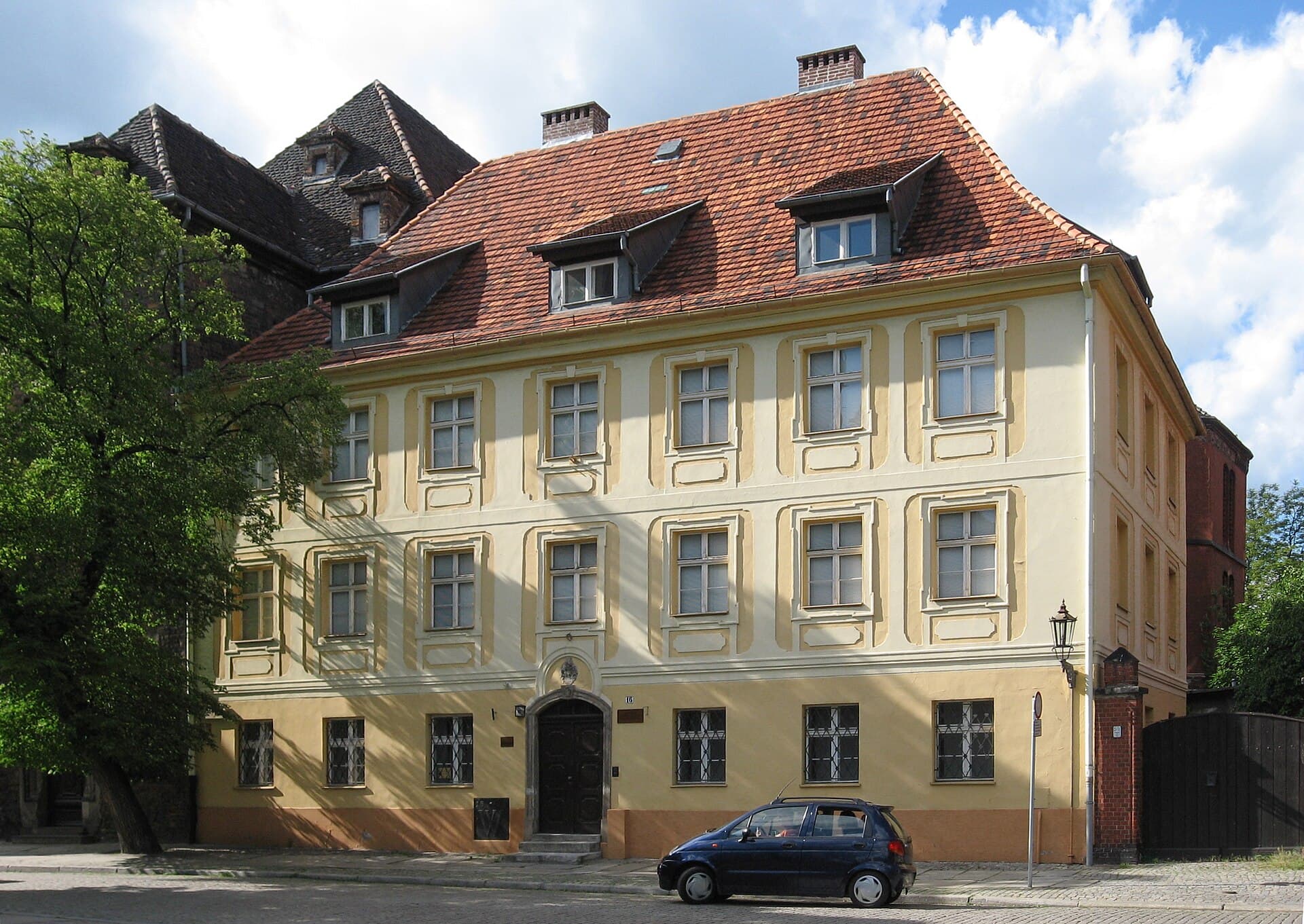 Archdiocesan MuseumA museum of religious art on Cathedral Island in Wrocław, the city's oldest part1 minute walk4.5
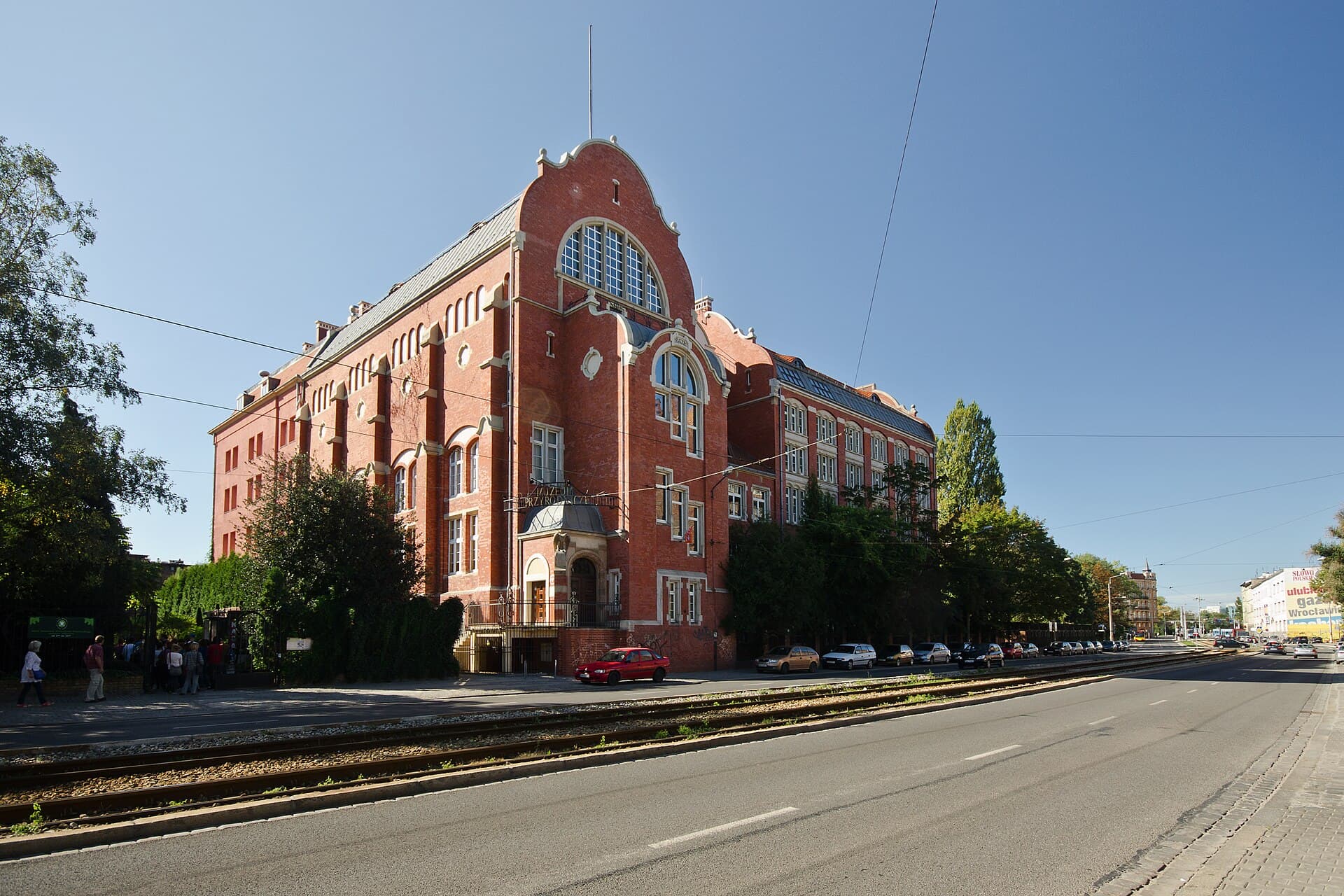 Museum of Natural HistoryA natural history museum of the University of Wrocław, founded in 1814, among th3 minutes walk4.6
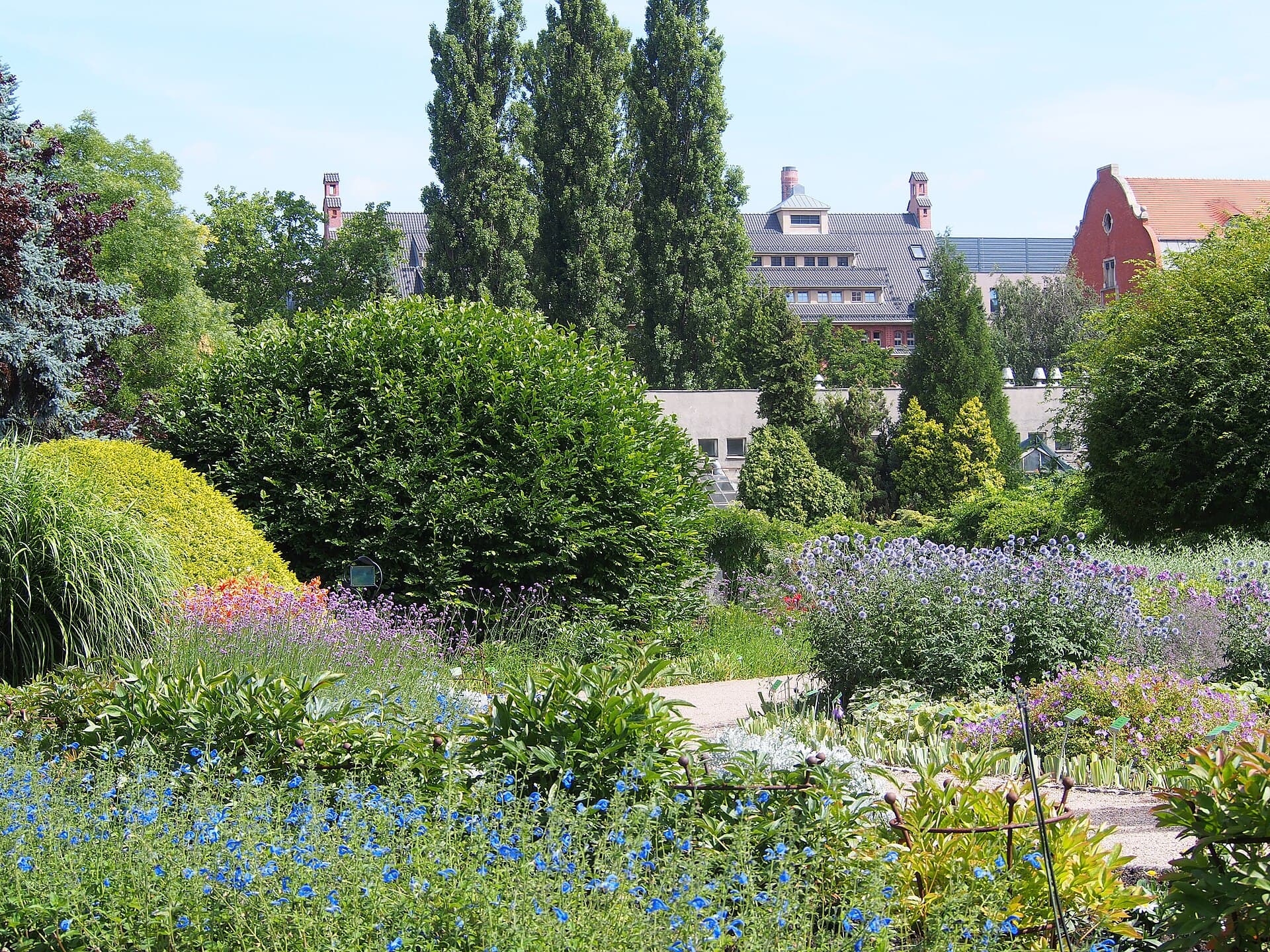 University of Wrocław Botanical GardenA botanical garden founded in 1811 on Cathedral Island, among the oldest in Pola4 minutes walk4.9
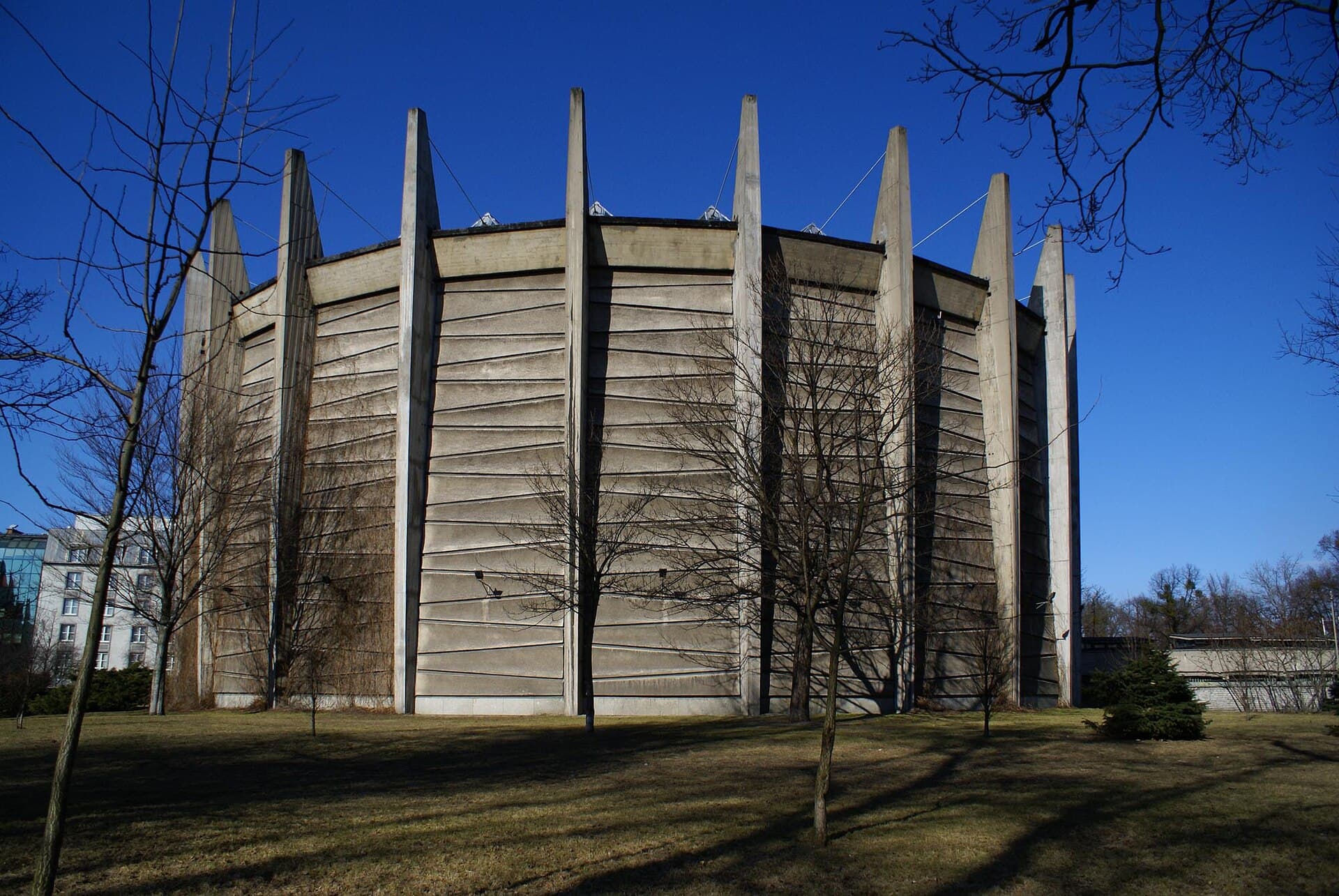 The Racławice PanoramaThe Panorama is the nineteenth century's surviving cinema: a colossal circular p6 minutes walk4.7
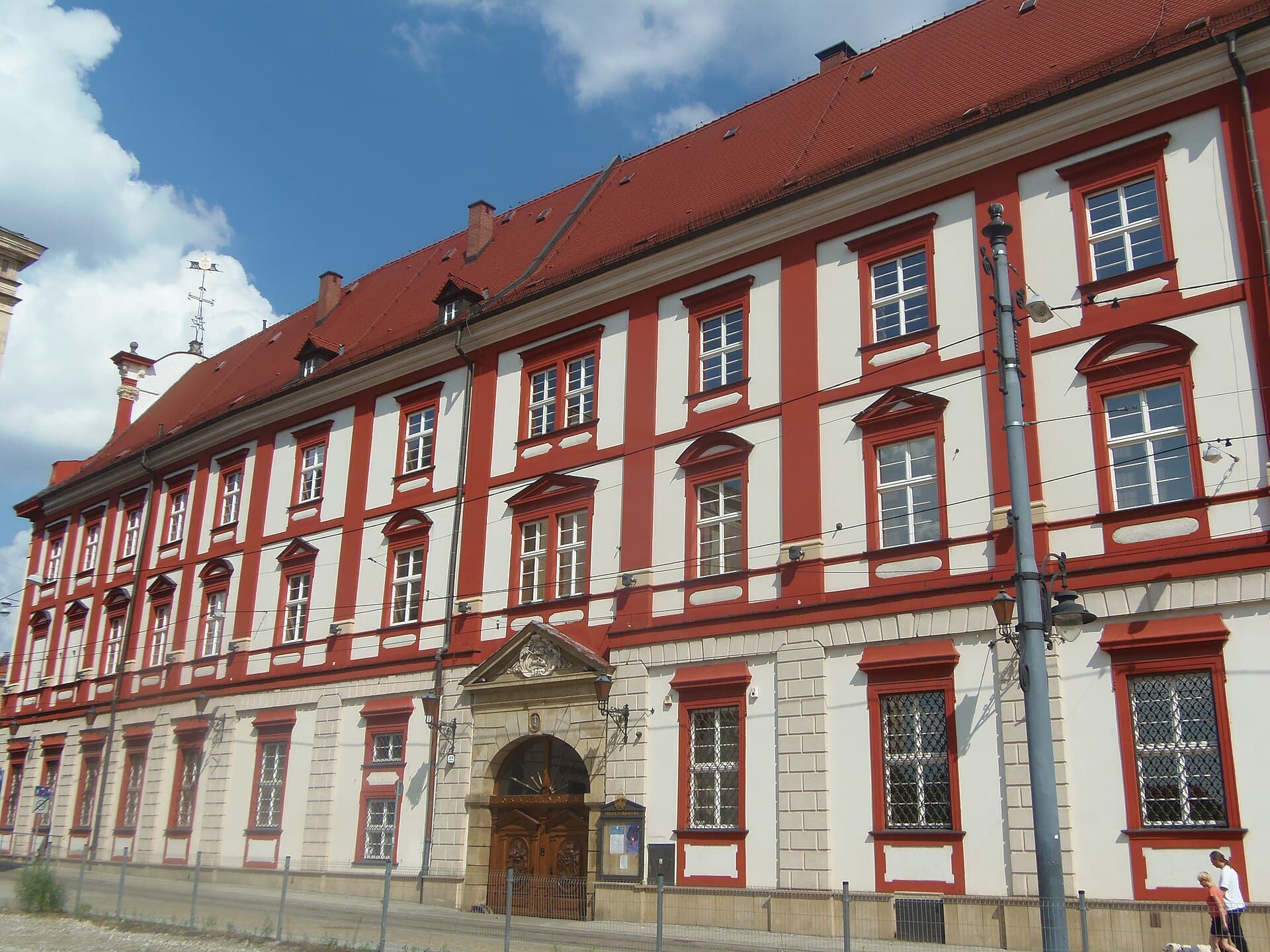 Museum of the Princes LubomirskiA museum in Wrocław showing an art and historical collection assembled by the pr8 minutes walk4.2
The Oder branches here into five arms around twelve islands stitched by over a hundred bridges — the Venice of Poland tag no mere courtesy: Sand Island, the Cathedral's, the university wharves follow on foot, summer boat tours showing the city from its water. Ostrów is the necklace's head — the bridges between it and the Rynek the loveliest of the road.