
A gate on the water
Two round towers and a surrounding moat, with green space around it.
Marc Ryckaert — CC BY-SA 3.0 · CEphoto, Uwe Aranas — CC BY-SA 3.0 · Marc Ryckaert — CC BY 3.0 · Marc Ryckaert — CC BY 3.0
One of four surviving gates from the medieval walls of Bruges, north-west of the centre. The city had nine gates at its height, and only four remained after the walls were pulled down in the nineteenth century. The present gate is fifteenth-century in structure with later restoration, keeping its two round towers and the moat around it. The name means "donkey gate", traditionally explained by the donkey traffic that came in along this road from the countryside. What makes it worth a stop is the setting rather than the building alone: the gate stands on the water, surrounded by green space and the walking route that follows the line of the old walls around the city. That route is among the best things in Bruges and the least crowded, and almost every visitor misses it. The visit is exterior and free, fifteen to thirty minutes, and folds into a walk around the city rather than being a destination on its own.
Two round towers and a surrounding moat, with green space around it.
The route along the old wall line is among the best in Bruges and most visitors miss it.
It comes from the road used by donkey traders coming in from the countryside.
North-west of the historic centre, Bruges
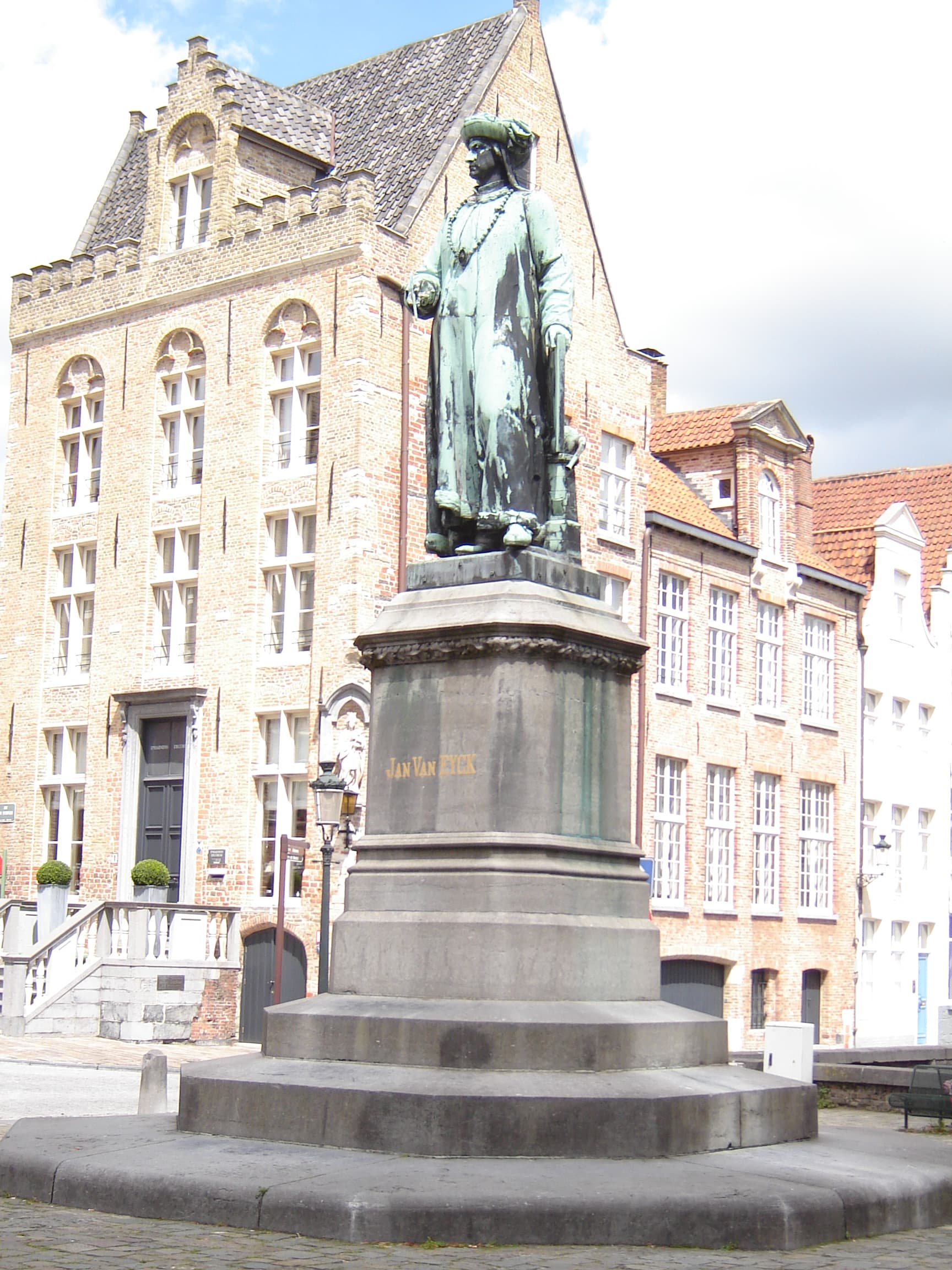 Jan van EyckpleinJan van Eyckplein is the heart of the old Hanseatic quarter in northern Bruges —11 minutes walk4.5
 Choco-Story (Chocolate Museum)Choco-Story is Bruges' chocolate museum, in a fifteenth-century wine tavern with12 minutes walk4.0
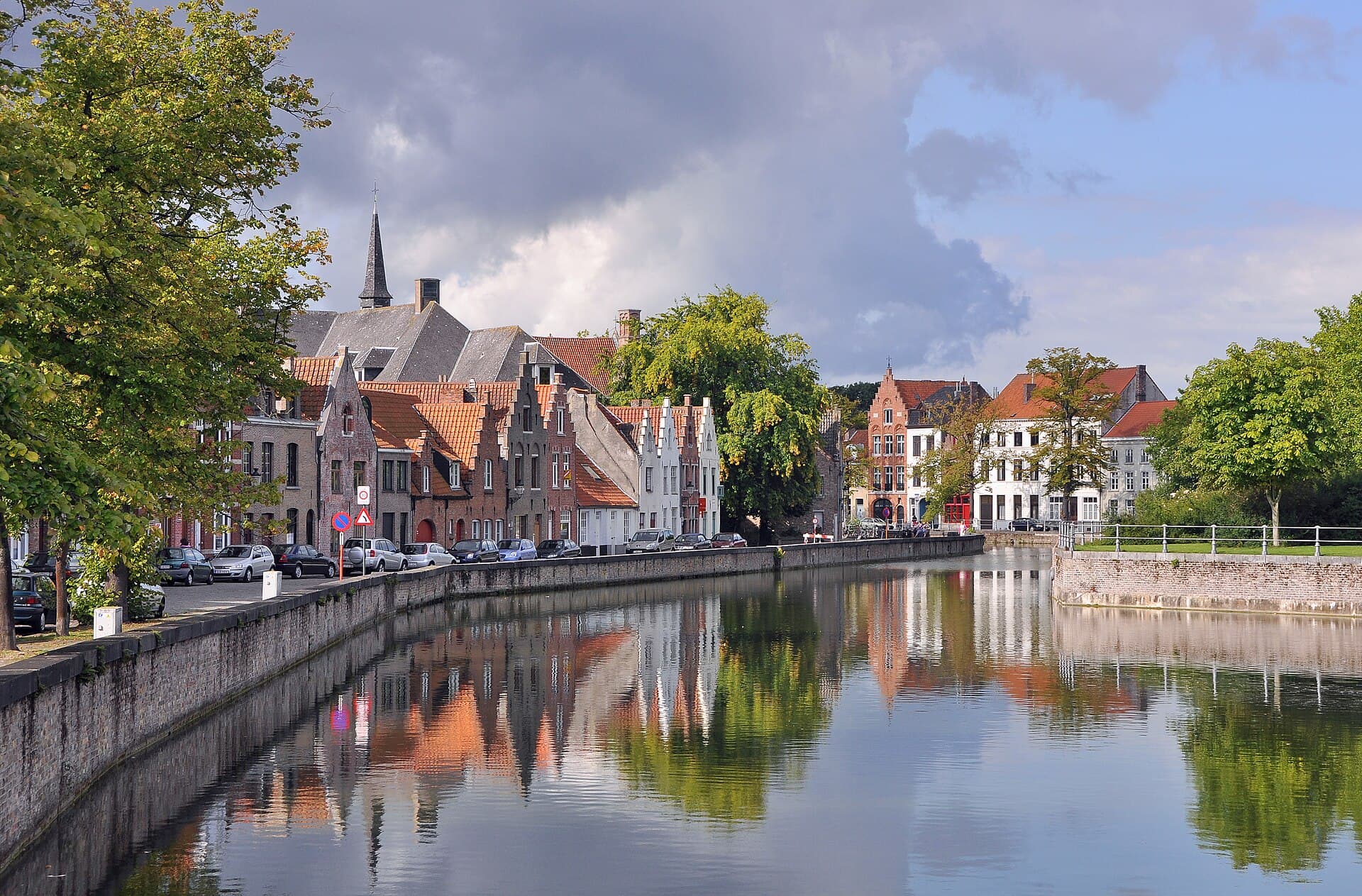 Langerei CanalA long straight canal north of central Bruges, running between seventeenth and e12 minutes walk4.8
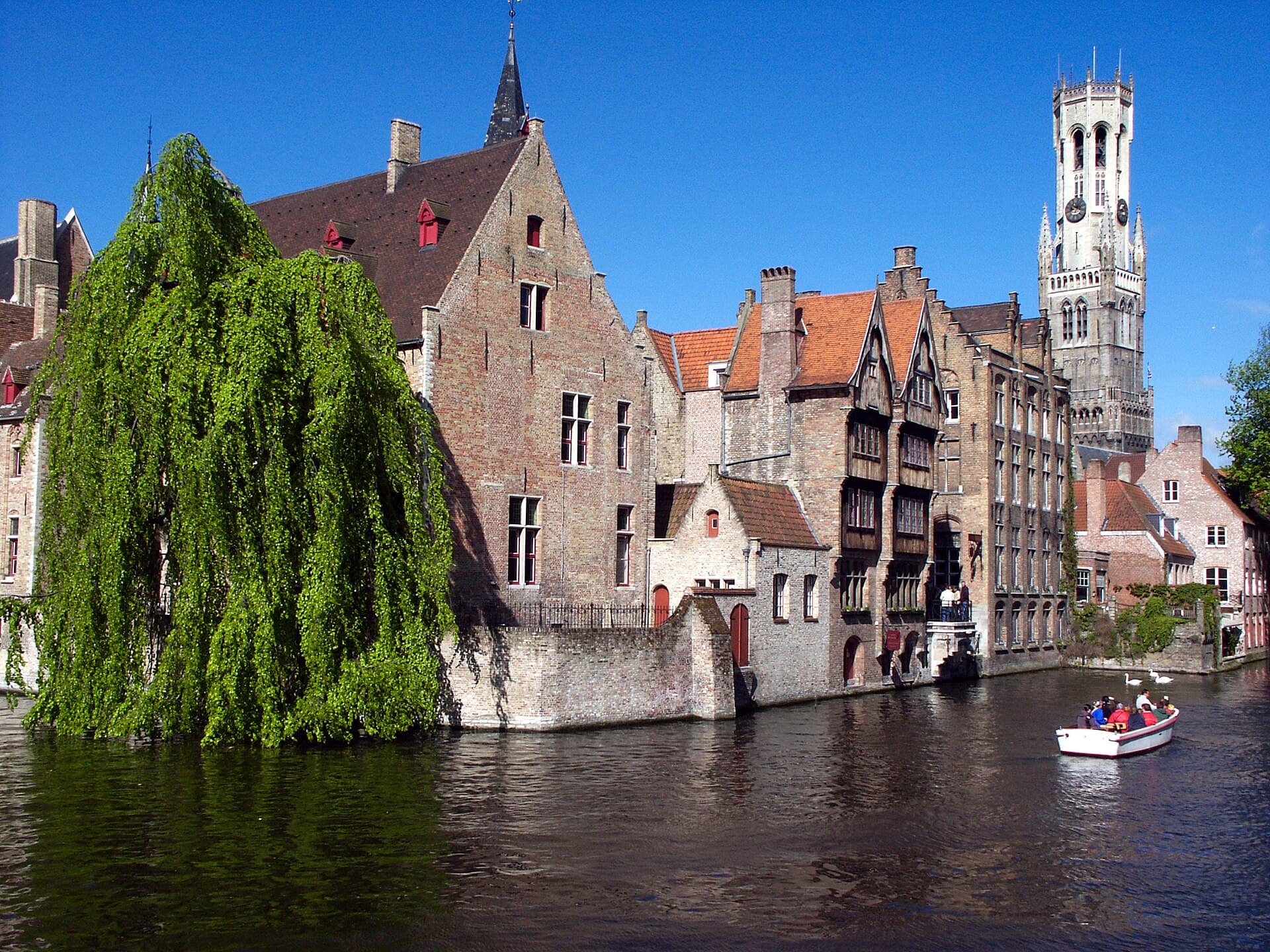 Historic Centre of BrugesThe historic centre of Bruges is the most complete surviving medieval city in no12 minutes walk4.7
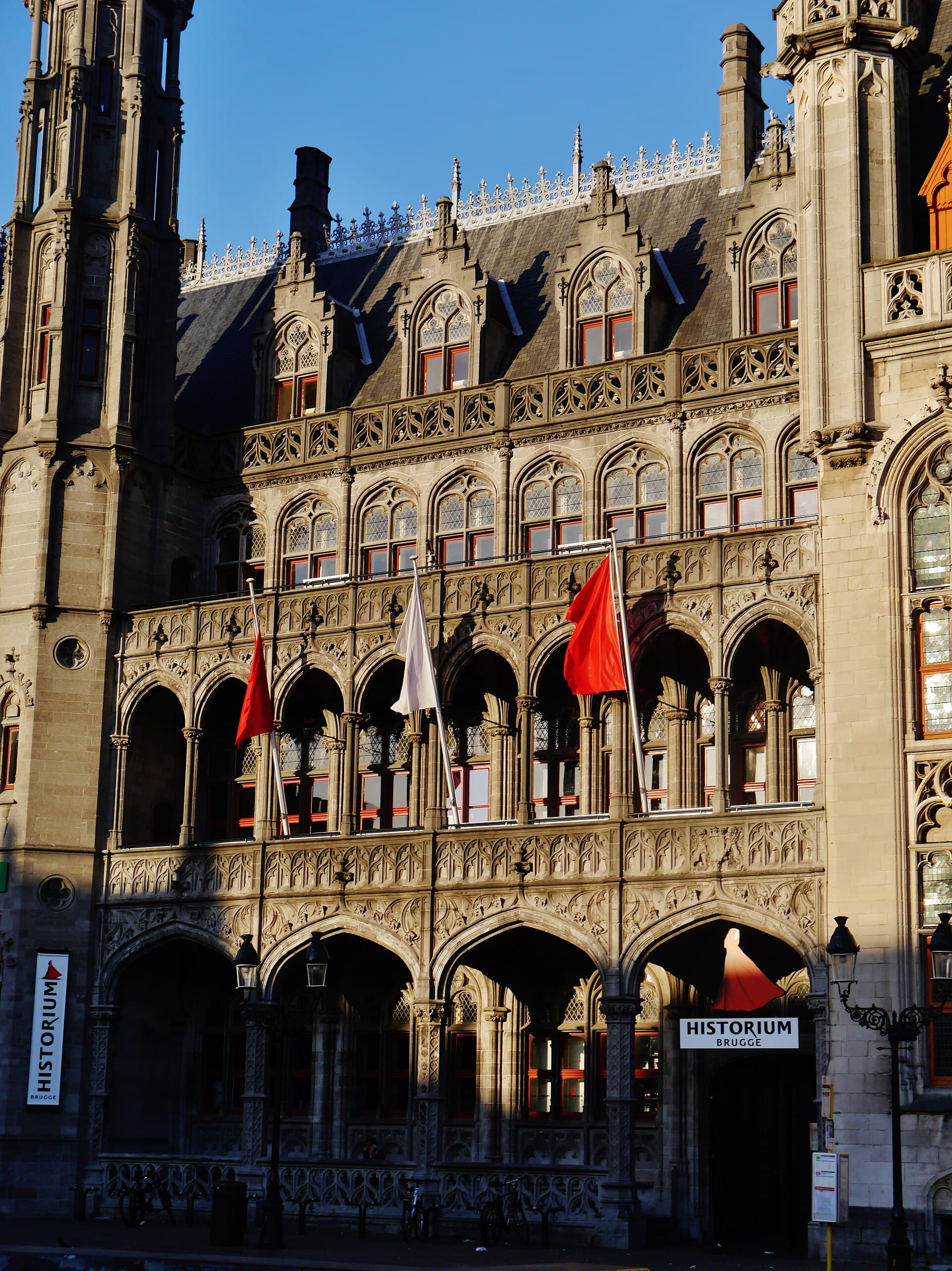 Historium BrugesThe Historium is an immersive experience on the Markt that returns you to Bruges12 minutes walk4.2
Four in all around the city, and every one sits on the walking route along the old wall line. Walking between them takes two to three hours and passes the windmills and green space, and it is the best way to see Bruges away from the crowds in the centre.
Not on its own. Make it part of the walk around the city on the ramparts route and it becomes a good stop on a route worth half a day. Going out to it and back alone is not worth it.