
A city on top of a city
Roman, Islamic, medieval and modern layers in one spot — the real value of the visit.
Concierge.2C — CC BY-SA 3.0 · LeZibou — CC BY-SA 4.0 · LeZibou — CC BY-SA 4.0 · LeZibou — CC BY-SA 4.0
A museum built around the remains of a first-century Roman theatre, on the slope between the cathedral and São Jorge Castle. Lisbon was a Roman city called Olisipo, but very little of that layer survives and most of it lies buried under the modern city. The theatre was uncovered after the 1755 earthquake, then covered again, and was only excavated and presented as it is now in recent decades. The display combines the exposed ruins with a small museum explaining them, and shows how a city accumulates on top of itself: Roman, Islamic, medieval and modern layers in the same spot. That is the real value of the visit rather than the stones themselves. The museum is small and the visit under an hour, and it sits on the climb up to the castle so you pass it anyway. Know its scale before going: these are not vast ruins like the theatres of Mérida or Tarragona, but a well-explained fragment.
Roman, Islamic, medieval and modern layers in one spot — the real value of the visit.
It appeared after the 1755 earthquake, was covered again, and was only presented recently.
Under an hour on a route you walk to the castle — add it rather than planning around it.
Rua de São Mamede, between the cathedral and the castle, Lisbon
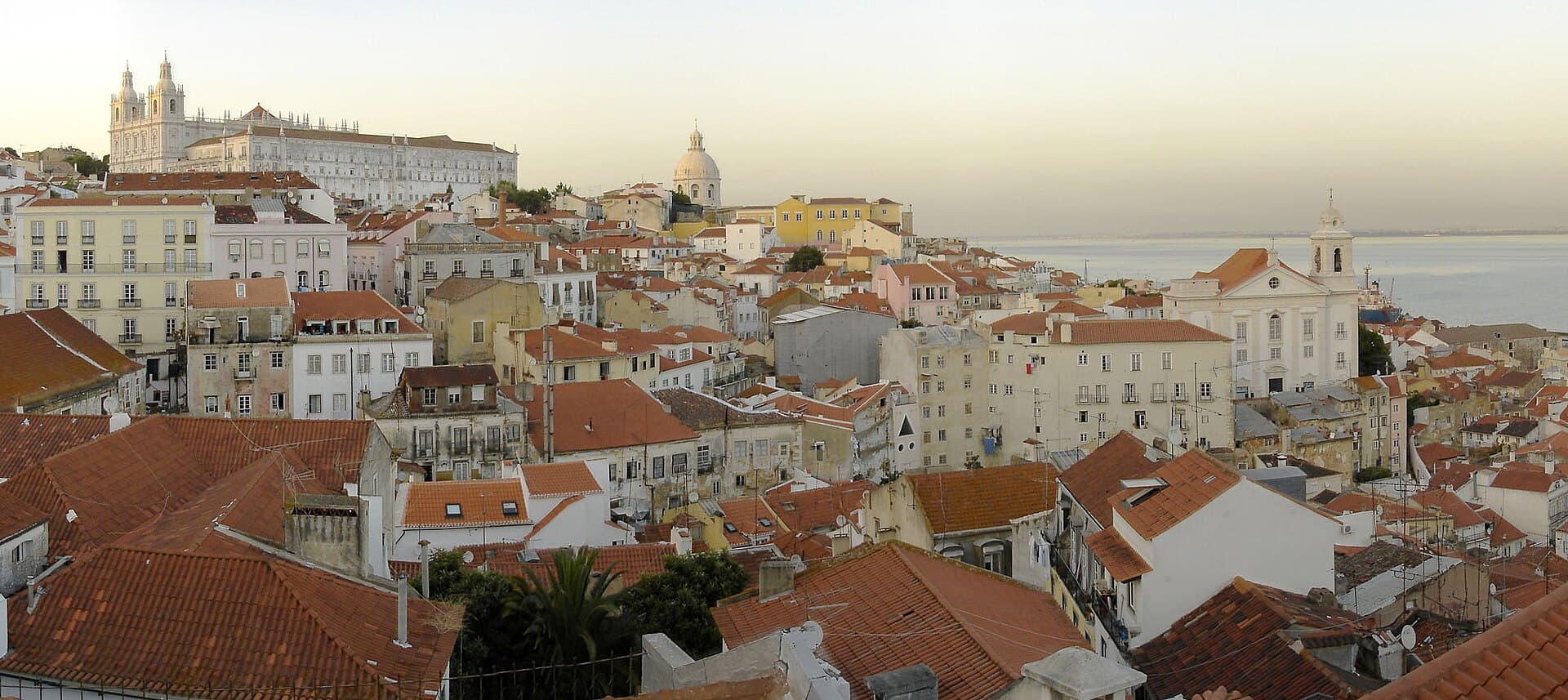 Alfama & its MiradourosAlfama is Lisbon's oldest soul: the quarter that survived the 1755 quake keeping1 minute walk4.5
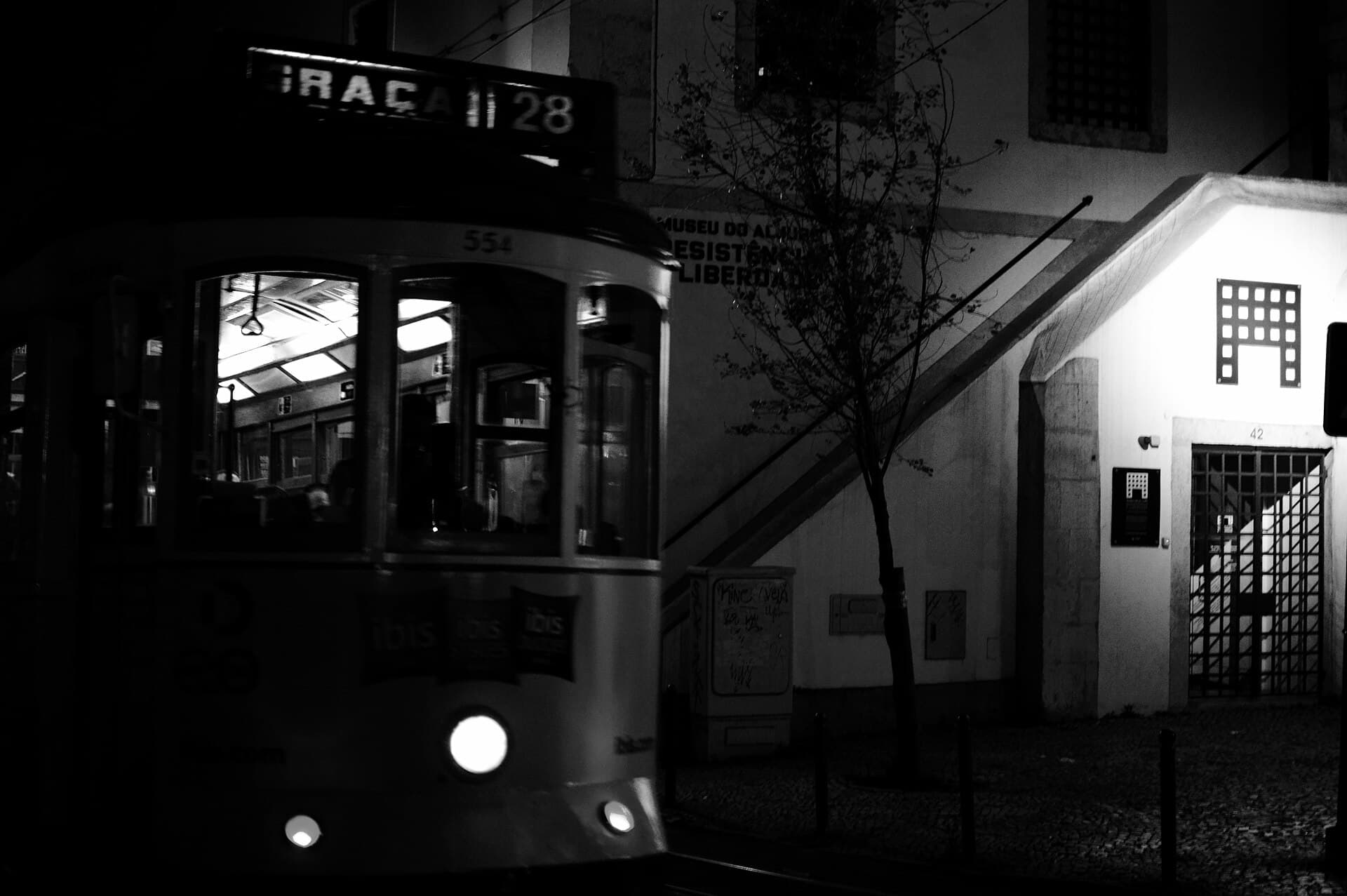 Aljube Museum of Resistance and FreedomA museum about the Portuguese dictatorship and the resistance to it, in a buildi1 minute walk4.6
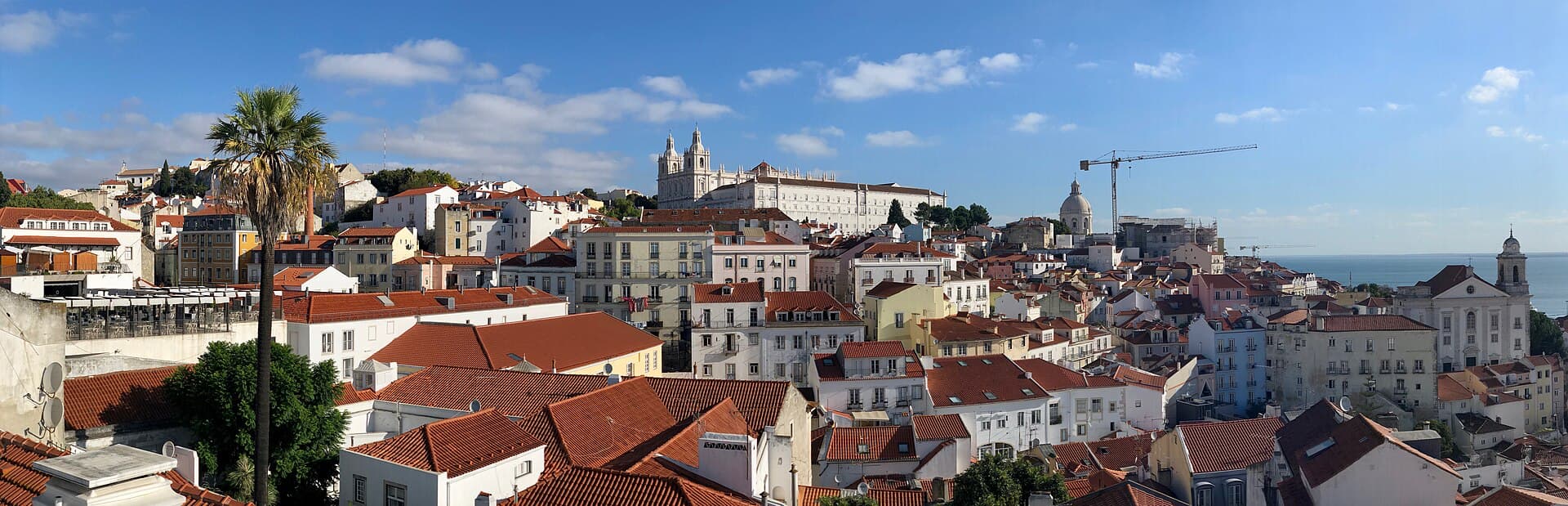 Miradouro das Portas do SolA viewing terrace on the edge of the Alfama, looking east over the roofs of the 3 minutes walk4.6
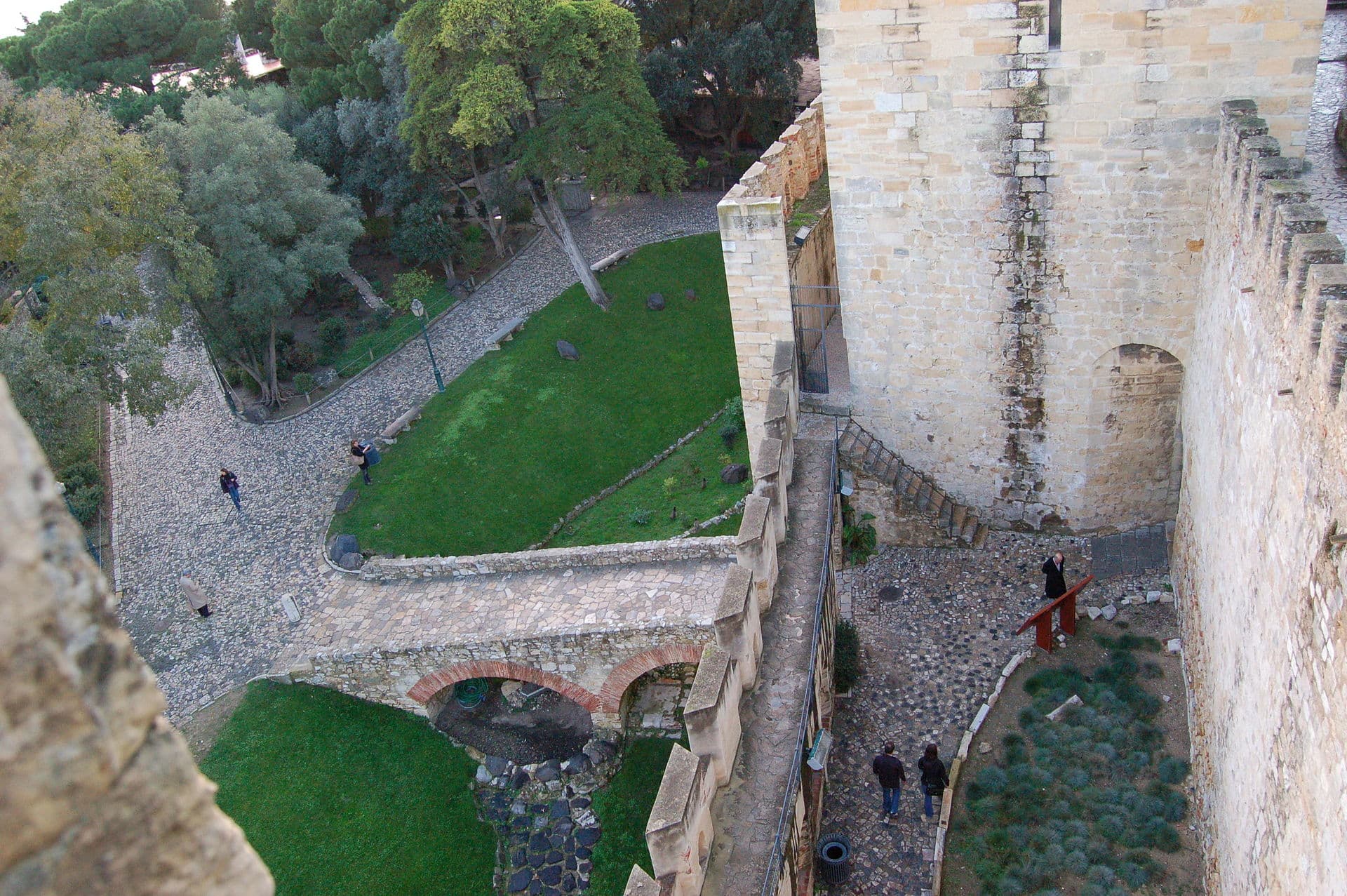 São Jorge CastleSão Jorge Castle is Lisbon's crown and origin: on its highest hill the Almoravid5 minutes walk4.4
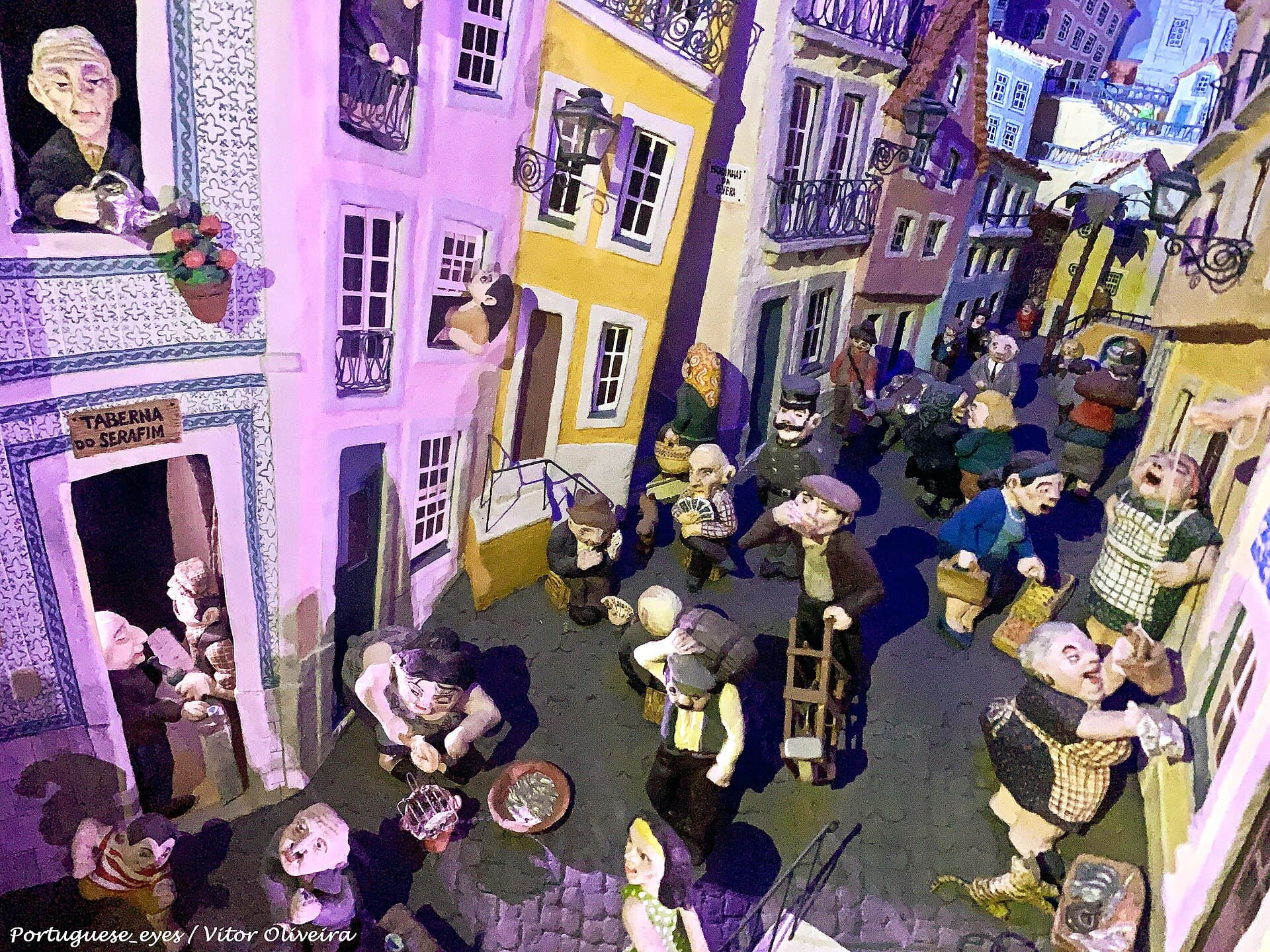 Fado MuseumA museum devoted to fado, the singing style that emerged in Lisbon in the ninete5 minutes walk4.5
If you have seen Mérida, Tarragona or Itálica you will find this very small by comparison. Its value is not in scale but in explaining how Lisbon accumulates over its own layers. If time is short, the castle and the cathedral come first.
It sits on the climb from the cathedral to São Jorge Castle, and the Aljube museum is close by on the same route. Those three with the cathedral make a single morning on foot with no transport.