
Santa Luzia
Bougainvillea and azulejo over the tiles.
Miguel Vieira [2] — CC BY 2.0 · Misa.stefanovic.07 — CC BY-SA 4.0 · Misa.stefanovic.07 — CC BY-SA 4.0 · Misa.stefanovic.07 — CC BY-SA 4.0
Alfama is Lisbon's oldest soul: the quarter that survived the 1755 quake keeping its Moorish maze — the name from the Arabic al-hamma — lanes narrowing to shoulder width, stairs, arches, hung laundry and bells, falling castle-to-river as they have a thousand years. Its twin balconies stand on the upper rim: Santa Luzia under its bougainvillea pergola with the siege azulejos on its wall — and Portas do Sol, wider, with cafés: Santa Engrácia's dome, Alfama's tiles and the river as the first postcard. Above them Graça and Senhora do Monte, the city's highest terraces, hold the complete sunset. And Alfama is fado's homeland: Portugal's song of longing born in its taverns and still weeping nightly (the Fado Museum at its foot) — with the fortress-faced Sé cathedral on the climb, and tram 28 swaying through in yellow. Strike deep without a map: getting lost is the plan.
Bougainvillea and azulejo over the tiles.
The postcard: dome and river.
The swaying yellow splitting the maze.
Portuguese longing sung at dinner.
Alfama, 1100 Lisbon
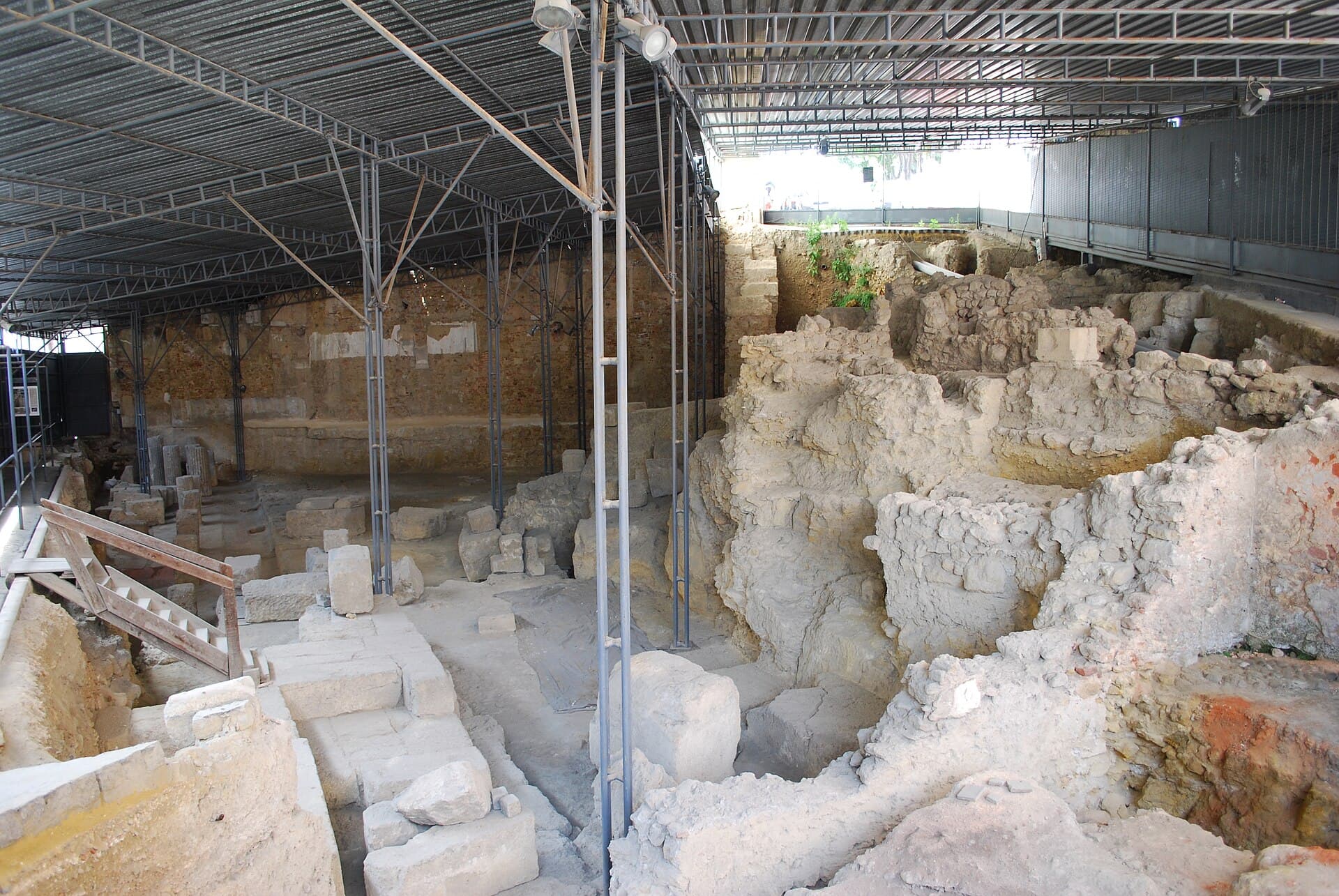 Roman Theatre MuseumA museum built around the remains of a first-century Roman theatre, on the slope1 minute walk4.3
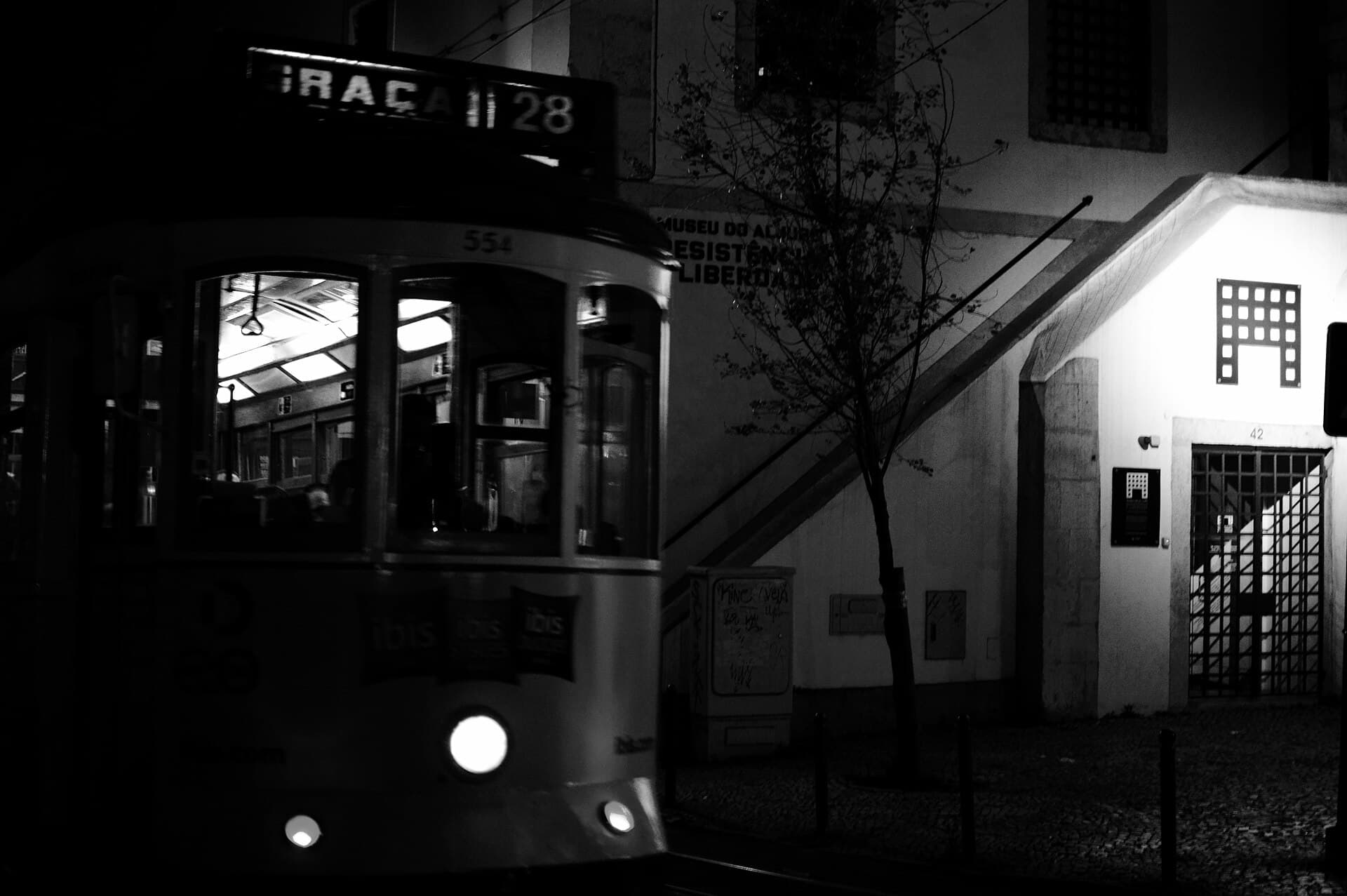 Aljube Museum of Resistance and FreedomA museum about the Portuguese dictatorship and the resistance to it, in a buildi1 minute walk4.6
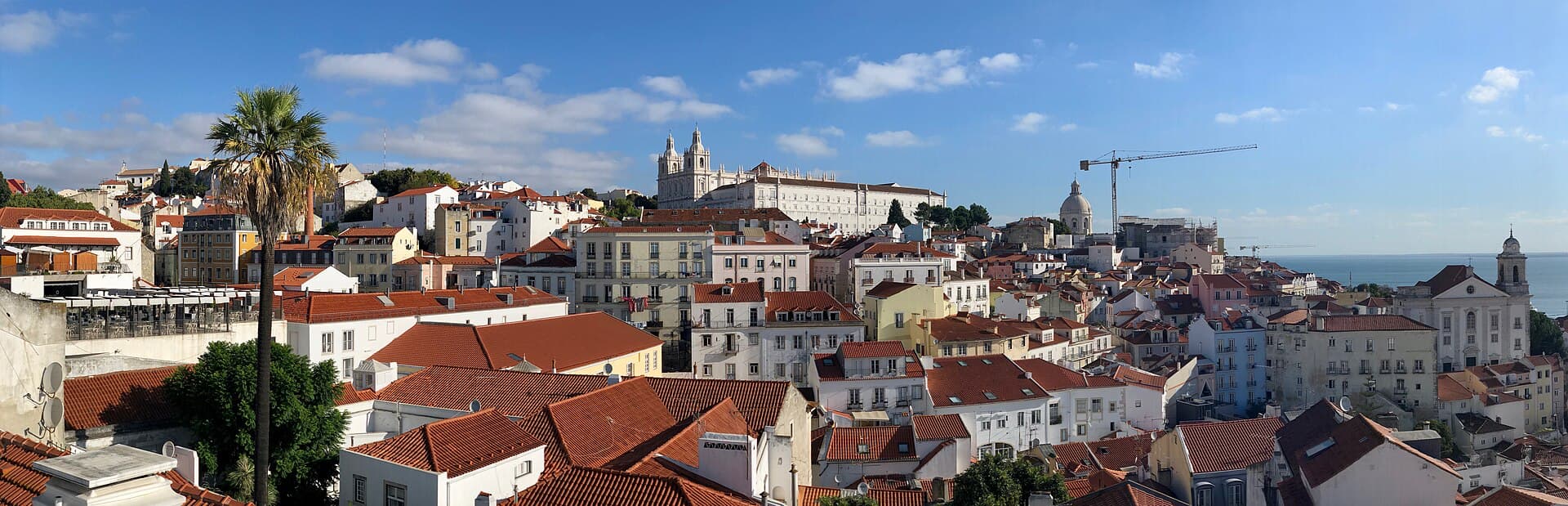 Miradouro das Portas do SolA viewing terrace on the edge of the Alfama, looking east over the roofs of the 3 minutes walk4.6
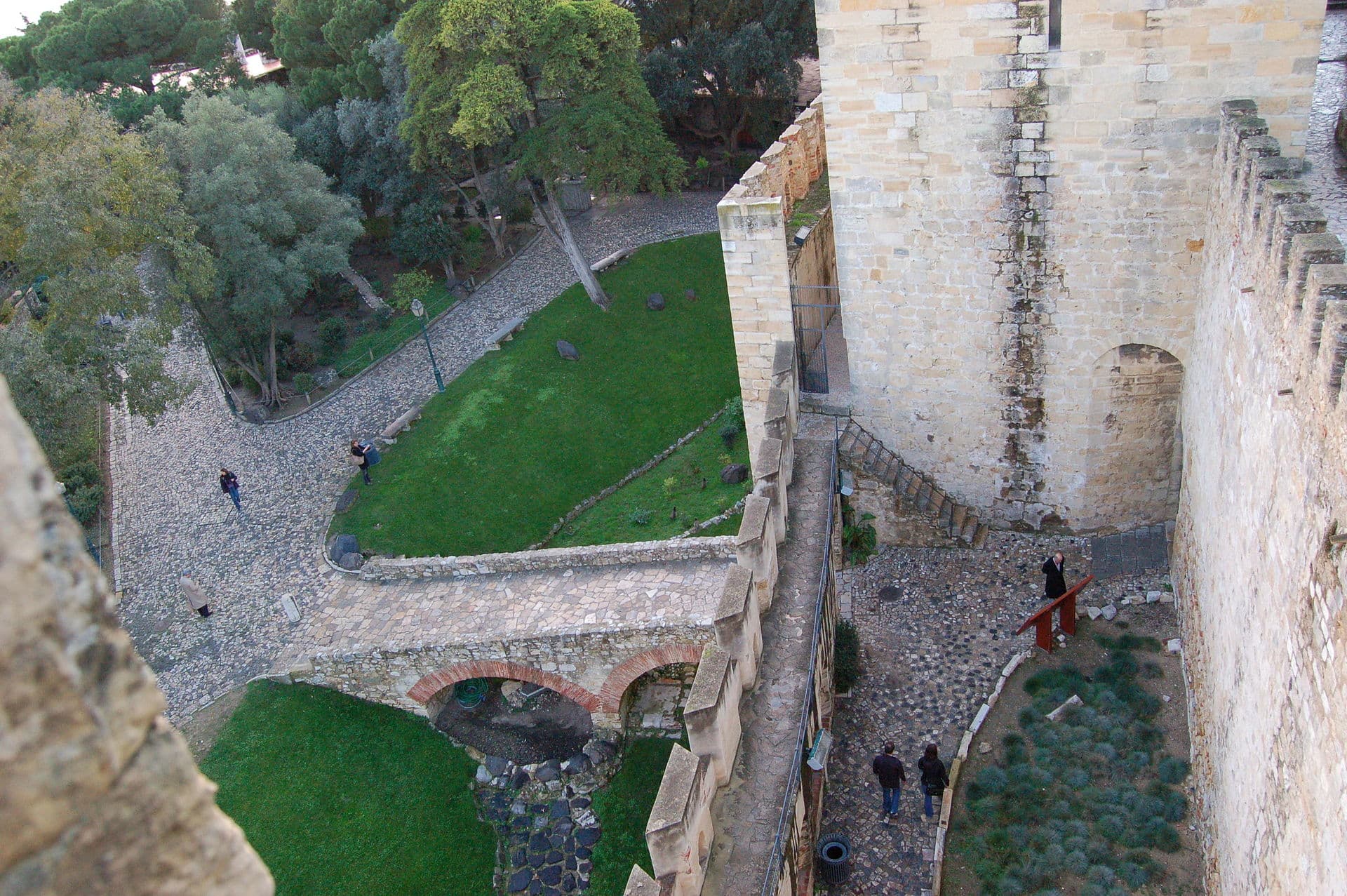 São Jorge CastleSão Jorge Castle is Lisbon's crown and origin: on its highest hill the Almoravid5 minutes walk4.4
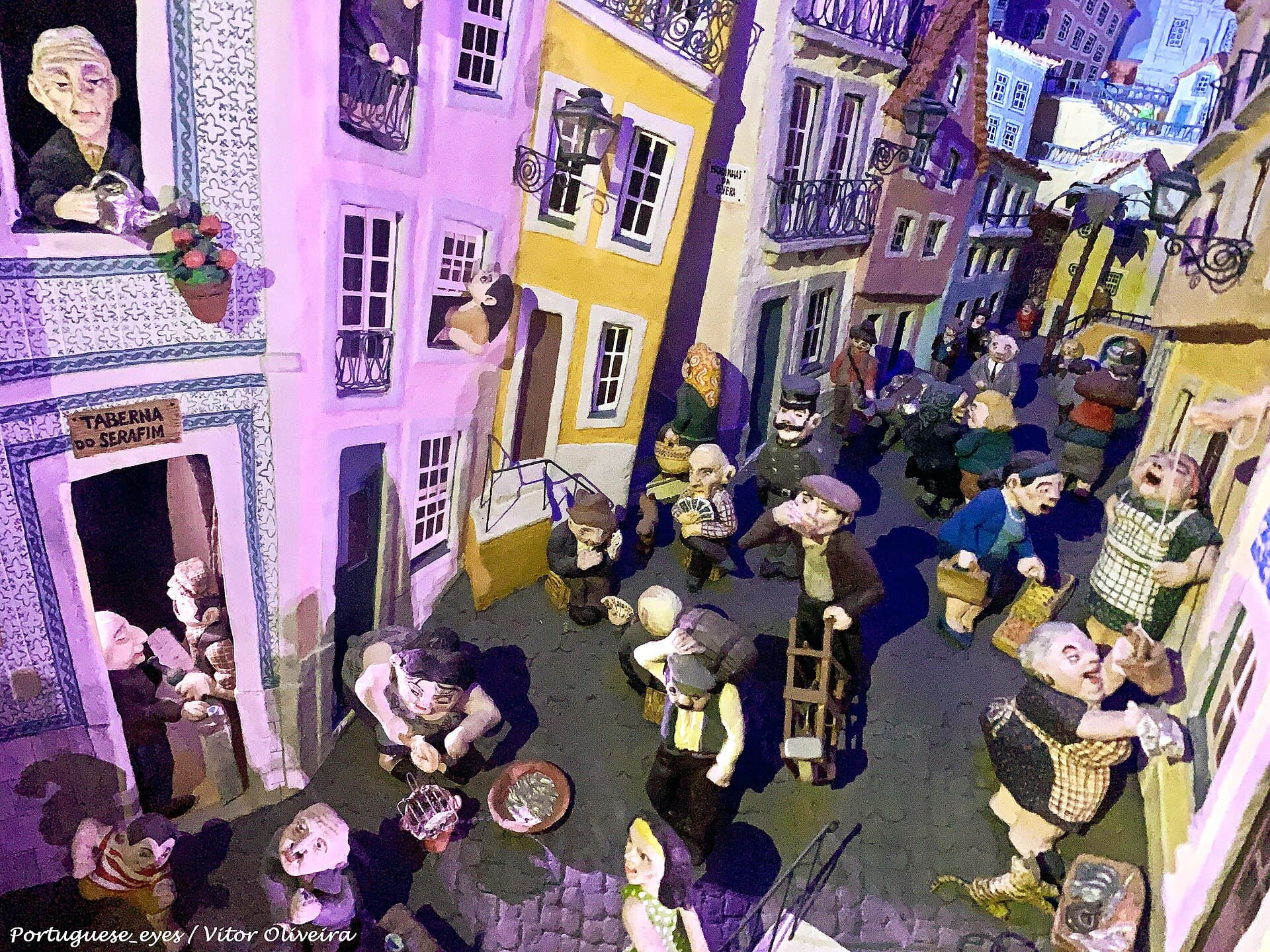 Fado MuseumA museum devoted to fado, the singing style that emerged in Lisbon in the ninete5 minutes walk4.5
The song of saudade — Portuguese longing for what passed and what will never come — a black-shawled singer and two guitars, born in Alfama's docklands (19th century), now UNESCO heritage. Take it in a small deep house, not a big tourist show: silence during song is sacred law — and the shiver reaches you understanding not one word.