
The familiar view
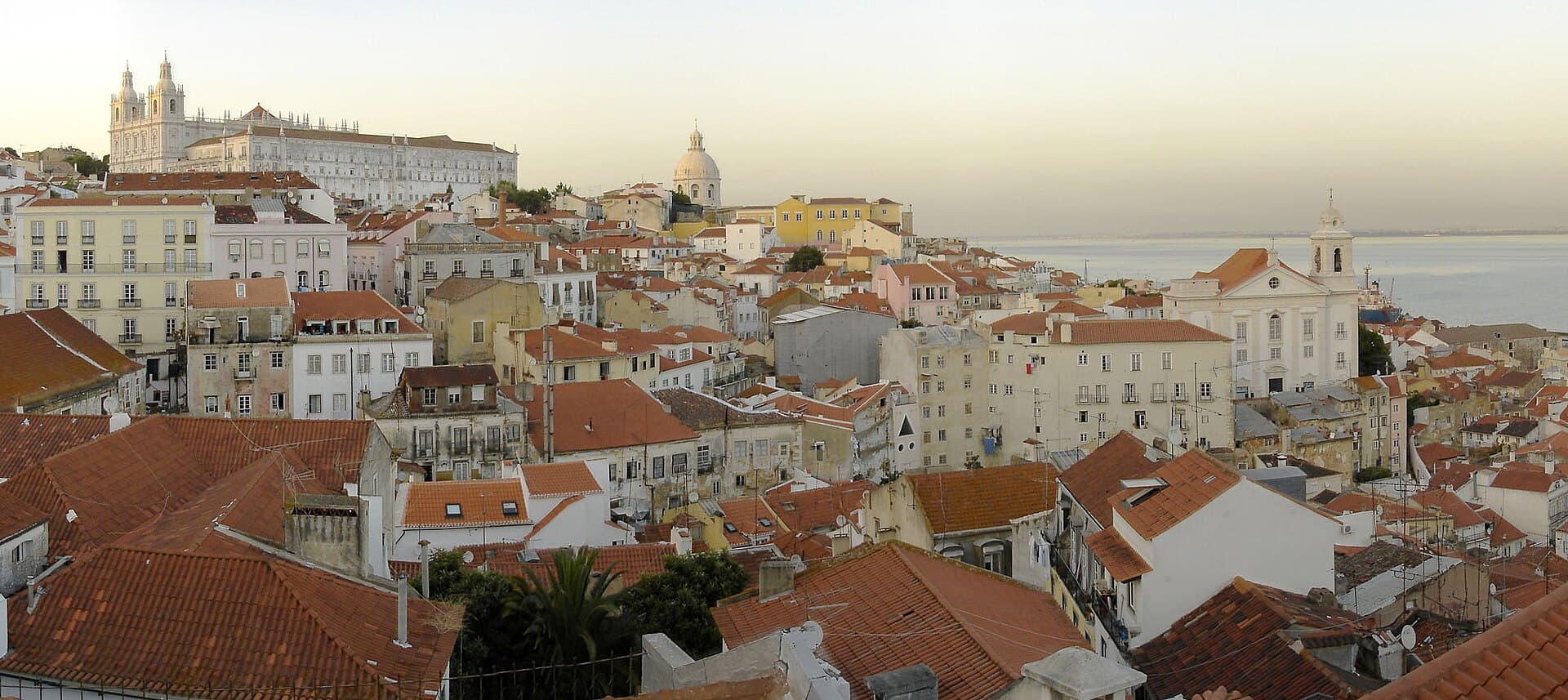
Tiled roofs stepping down to the Tagus, the Santa Engrácia dome and São Vicente monastery.
Sonse — CC BY 2.0 · Aurelia Teslaru — CC BY-SA 4.0 · Pedro from Lisboa, Portugal — CC BY 2.0 · Sonse — CC BY 2.0
A viewing terrace on the edge of the Alfama, looking east over the roofs of the old quarter towards the Tagus. The name means "gates of the sun" and refers to a gate that stood here in Lisbon's Islamic city wall. The view is the reason: tiled roofs stepping down to the water, the white dome of Santa Engrácia, and the monastery of São Vicente de Fora to the left. It is one of the most repeated images of Lisbon, and it sits steps from the route of tram 28. The district below the terrace is the Alfama, Lisbon's oldest quarter and the one that best keeps its layout from the Islamic period: narrow winding lanes that survived the 1755 earthquake which levelled most of the city. Walking down from here into the Alfama is the best way to enter it. The spot is free and always open but crowded at peak hours and at sunset. Early morning is far quieter and the light is better for shooting east.
Tiled roofs stepping down to the Tagus, the Santa Engrácia dome and São Vicente monastery.
Walking down from here is the best way to enter Lisbon's oldest quarter.
Alfama's winding lanes date from the Islamic period and survived the 1755 earthquake.
Largo das Portas do Sol, Alfama, Lisbon
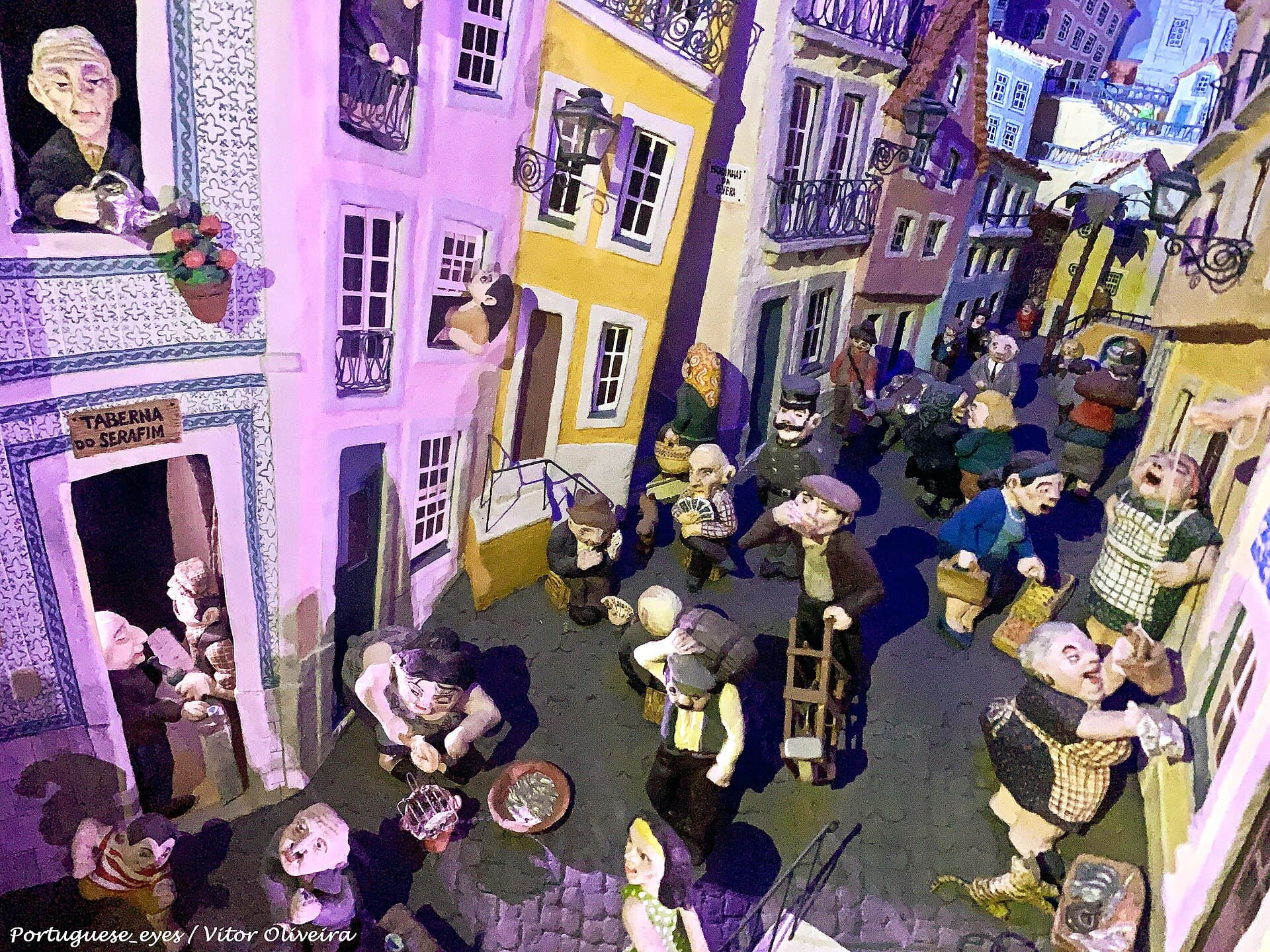 Fado MuseumA museum devoted to fado, the singing style that emerged in Lisbon in the ninete3 minutes walk4.5
 Alfama & its MiradourosAlfama is Lisbon's oldest soul: the quarter that survived the 1755 quake keeping3 minutes walk4.5
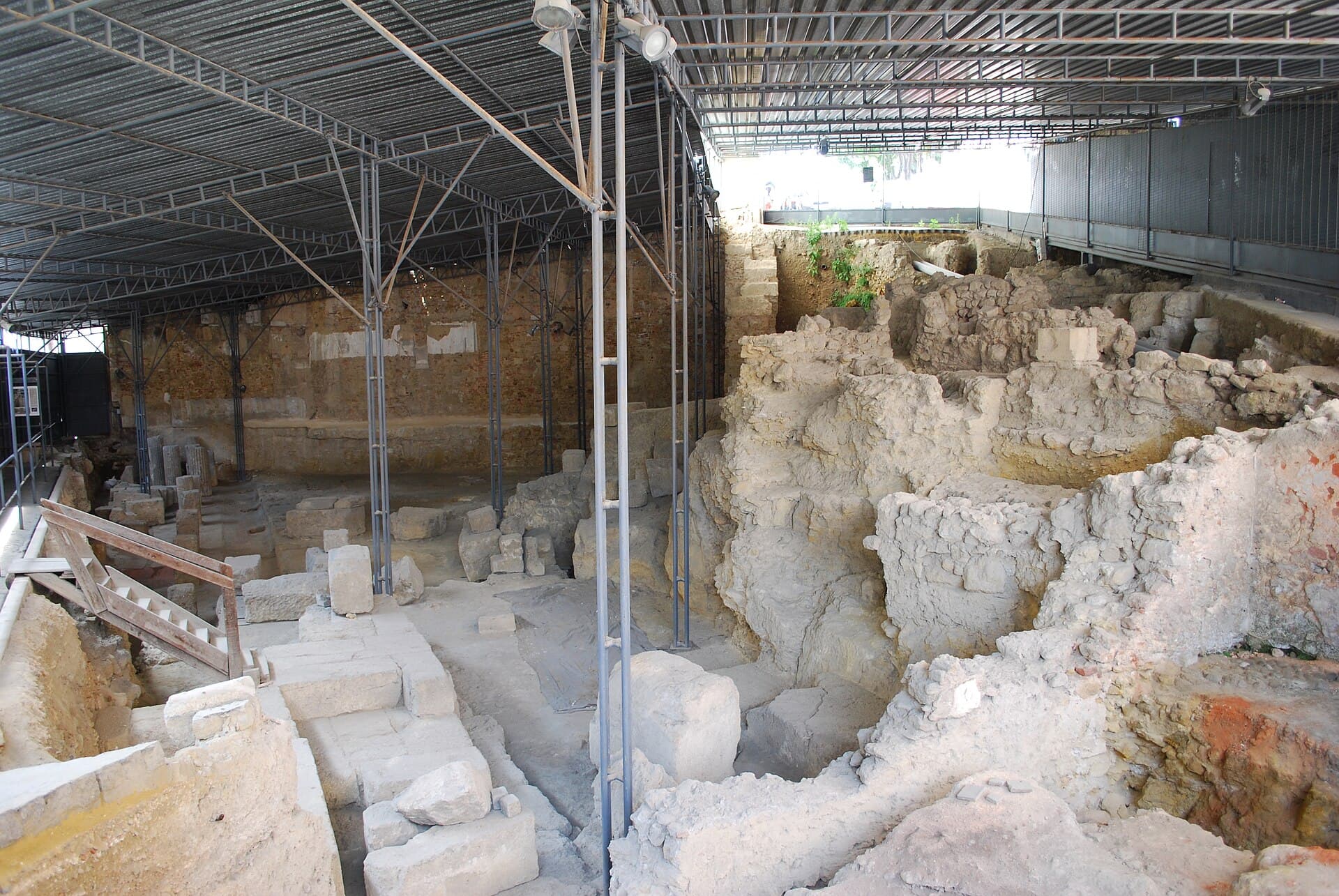 Roman Theatre MuseumA museum built around the remains of a first-century Roman theatre, on the slope3 minutes walk4.3
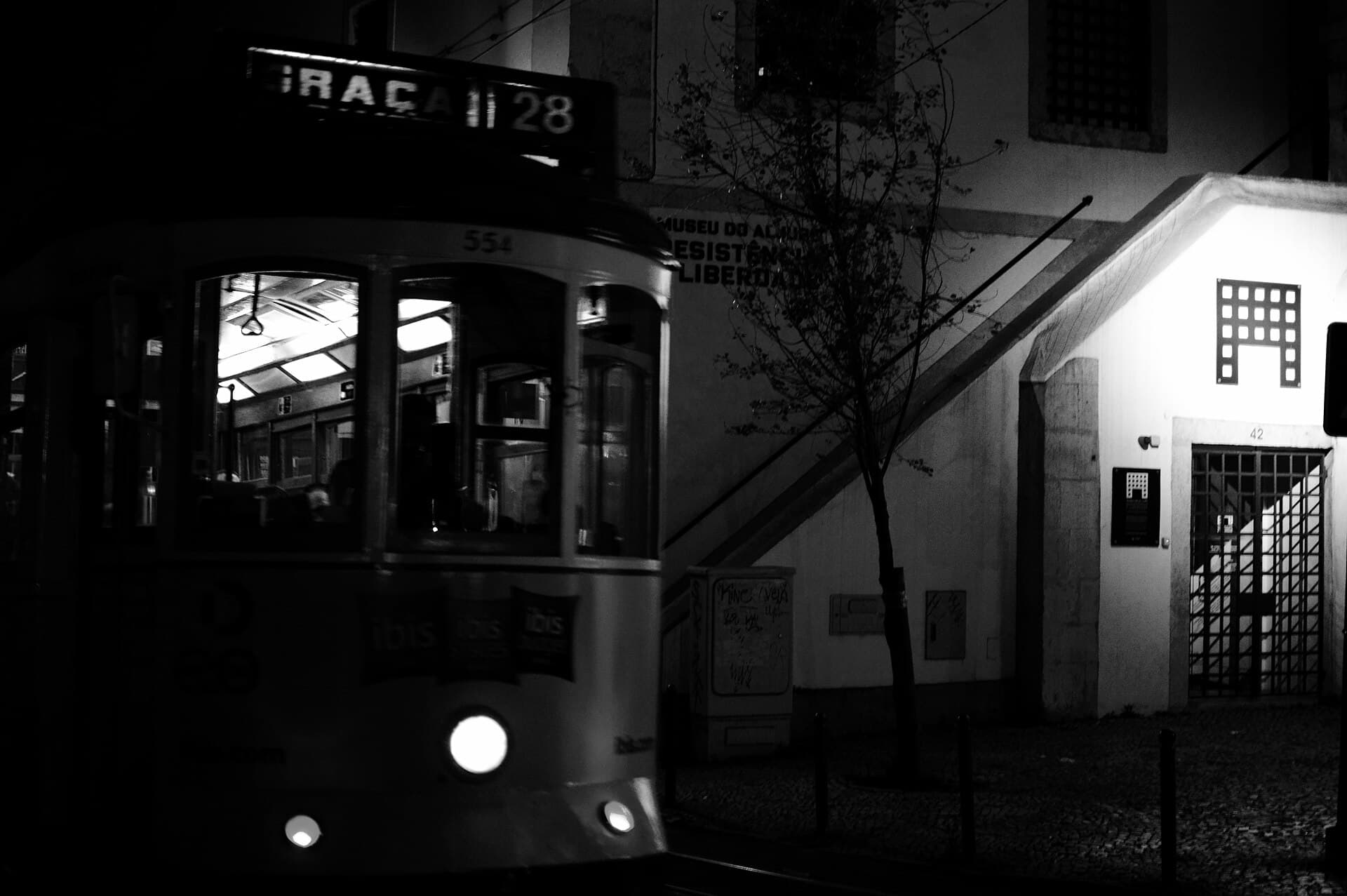 Aljube Museum of Resistance and FreedomA museum about the Portuguese dictatorship and the resistance to it, in a buildi4 minutes walk4.6
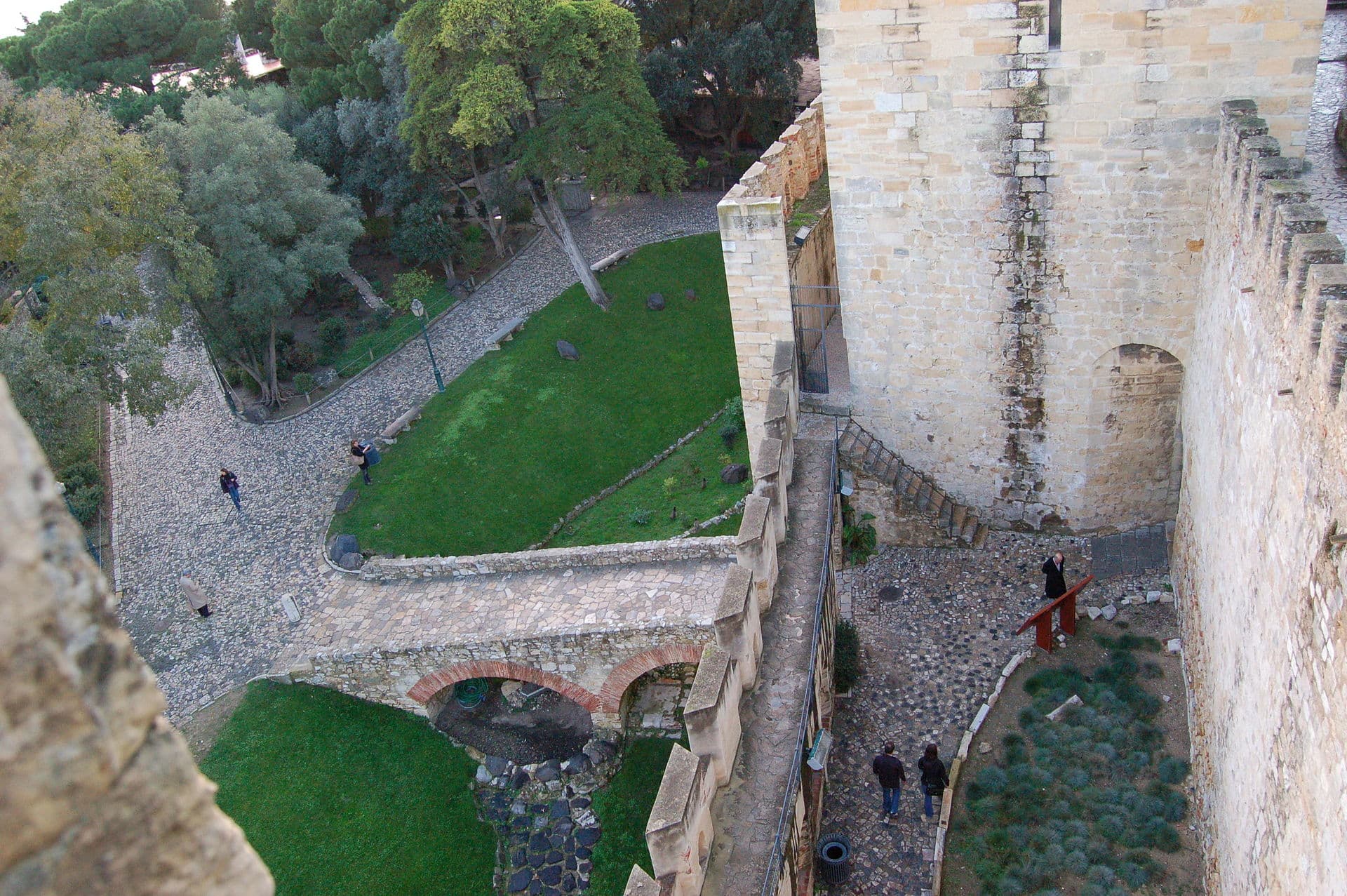 São Jorge CastleSão Jorge Castle is Lisbon's crown and origin: on its highest hill the Almoravid5 minutes walk4.4
Early morning. The terrace faces east so the light is better at the start of the day, and it is far less crowded before tram 28 and the tour groups get going. Sunset is popular, but the sun is then behind you rather than in front, and the place packs out.
Tram 28 passes right beside it and is the usual way, though it is very crowded and a known target for pickpockets. The alternative is walking up from the Baixa, which is steep but passes lanes worth seeing. For older visitors or anyone with knee trouble, the tram or a taxi suits better.