
The terrace banners
Flags and banners the fans made by hand.
Hinnerk11 — CC BY-SA 4.0 · San Andreas — CC BY-SA 4.0 · San Andreas — CC BY-SA 4.0
The FC St. Pauli museum is inside the Millerntor stadium itself, and the story of its founding resembles the club's: it was created not by the club's management but by a supporters' association, funded by a public donation campaign that raised over half a million euros from thousands of small contributors around the world. That explains the nature of the exhibits: not trophies and medals — the club has won little of note — but the history of a supporter culture. Banners and flags the fans made by hand, documents on campaigns against racism and fascism on the terraces, and material on the club's relationship with the St Pauli district and its social movements since the 1980s. The museum also explains how the skull and crossbones became a global commercial brand sold in countries the club has never played in, and the tension that creates with a fanbase that sees itself as anti-marketing. Its position in the stadium makes it a natural pairing with the ground tour.
Flags and banners the fans made by hand.
How the symbol went global, and the tension that caused.
Heiligengeistfeld 1, 20359 Hamburg
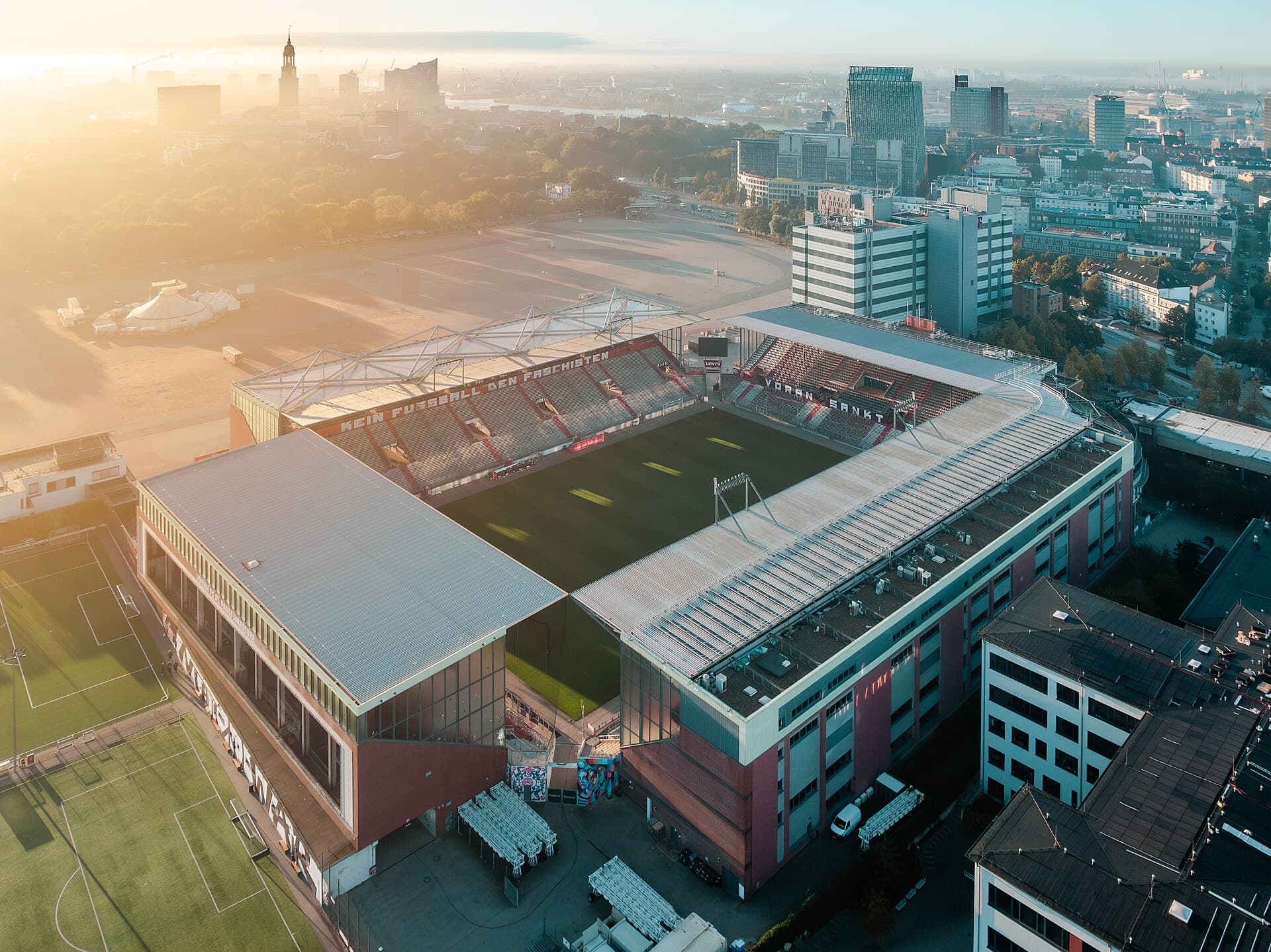 Millerntor-StadionThe Millerntor is the home of FC St. Pauli — a relatively small club by results,1 minute walk4.4
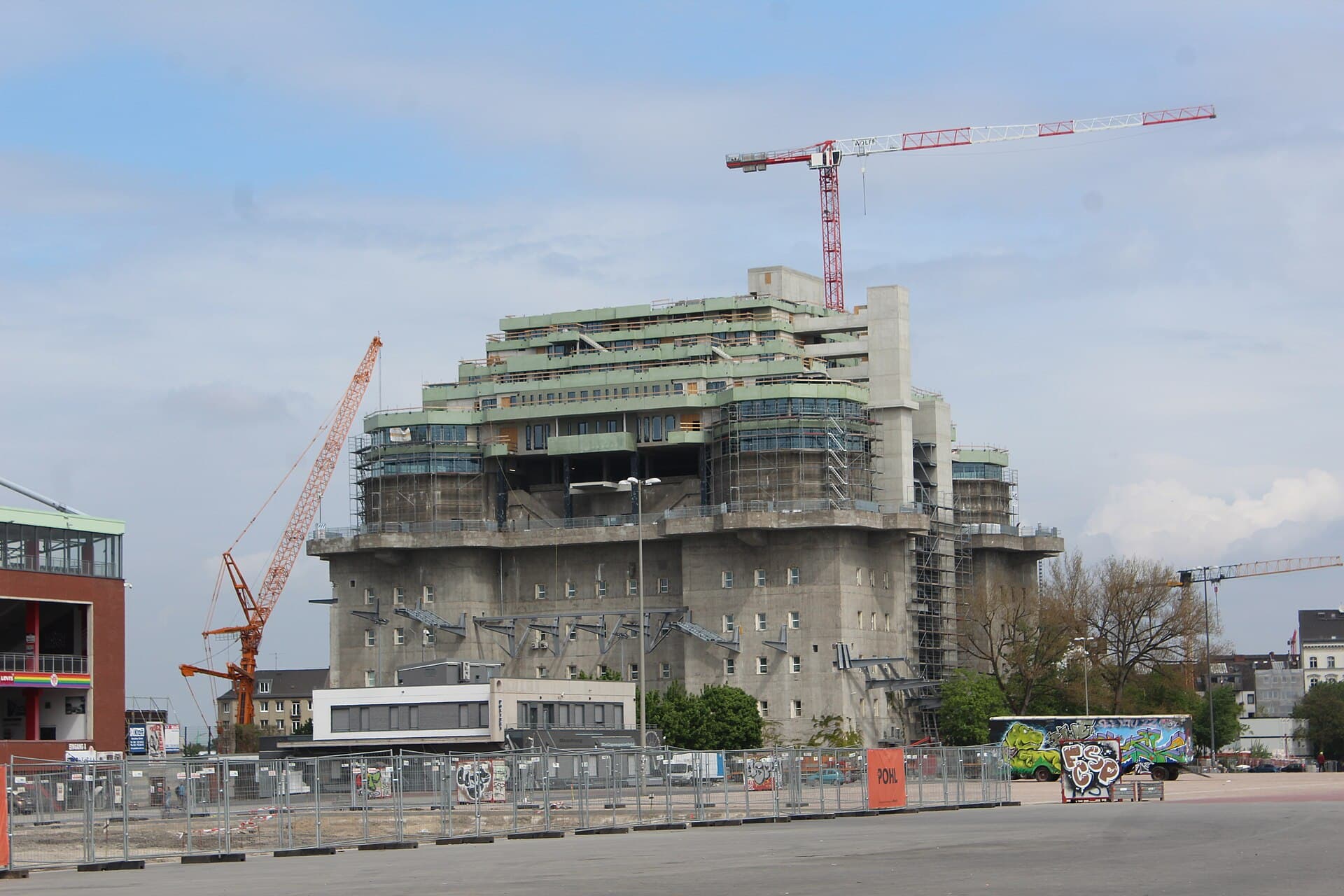 The St Pauli Bunker and its Rooftop GardenThis building is among the largest things the Second World War left standing in 3 minutes walk4.4
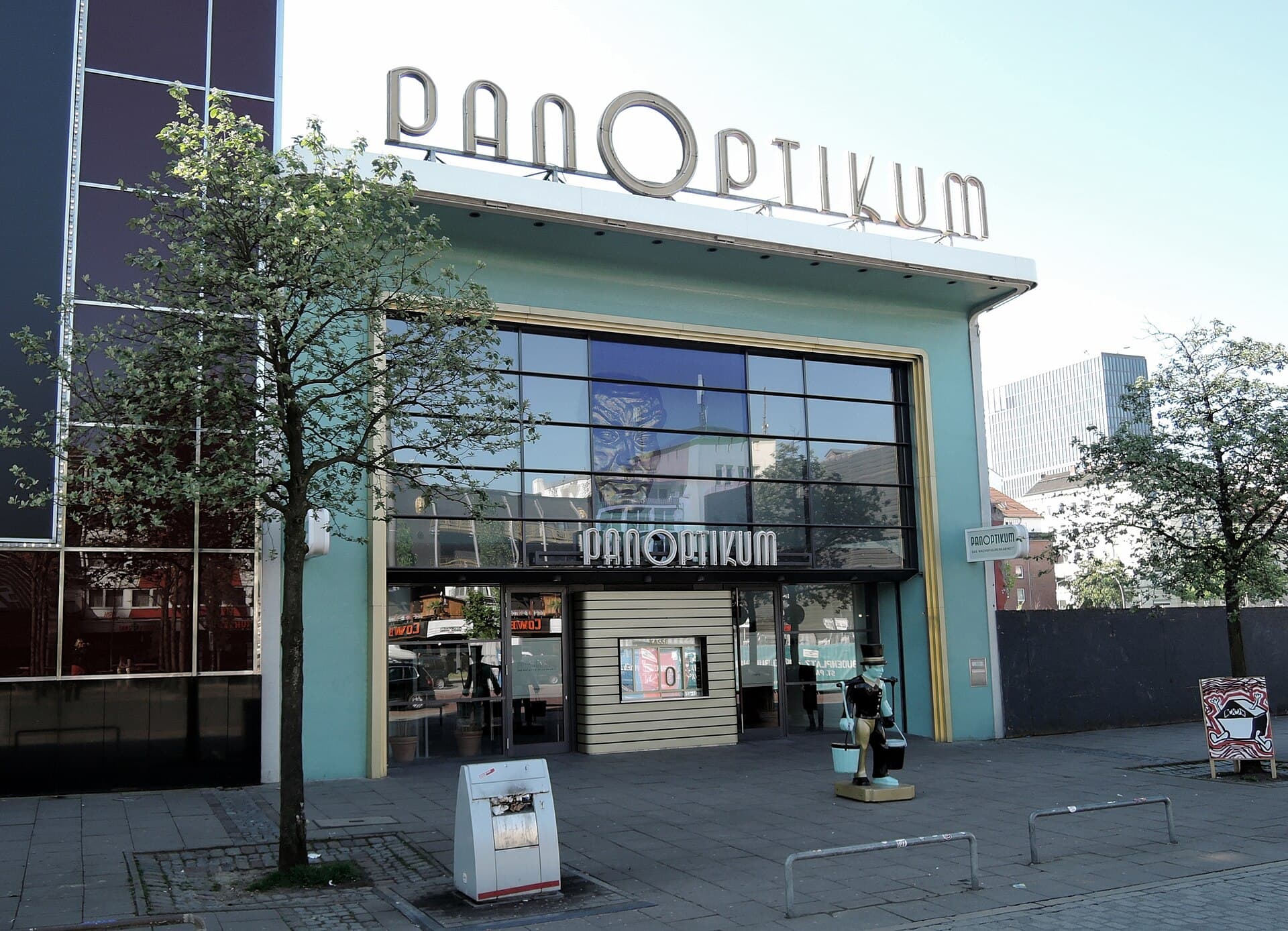 Panoptikum Wax MuseumThe Panoptikum is Germany's oldest wax museum, run by the same family since 18797 minutes walk4.2
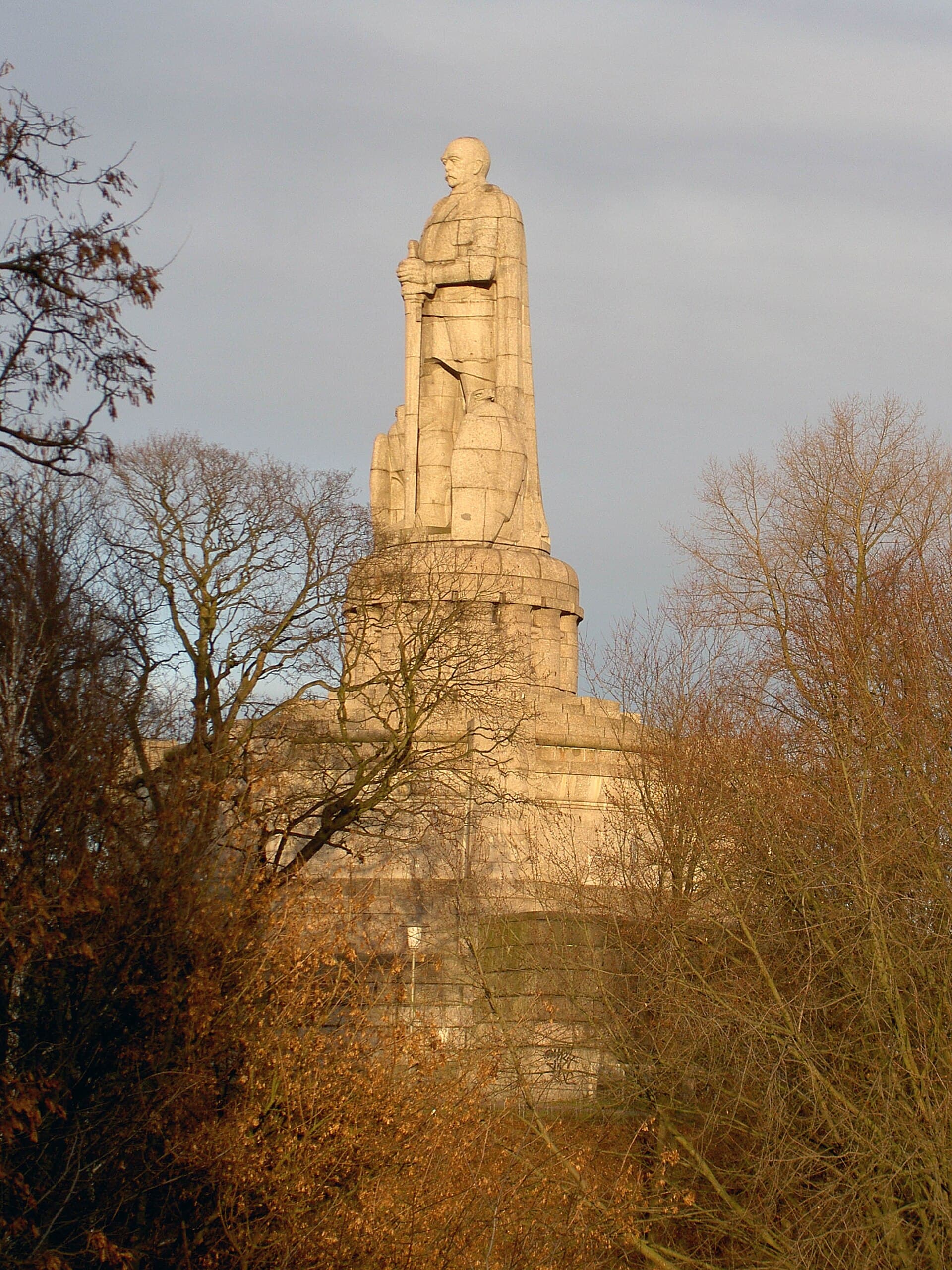 The Bismarck MonumentHamburg's Bismarck Monument is the largest of its kind in the world: a stone mas8 minutes walk3.7
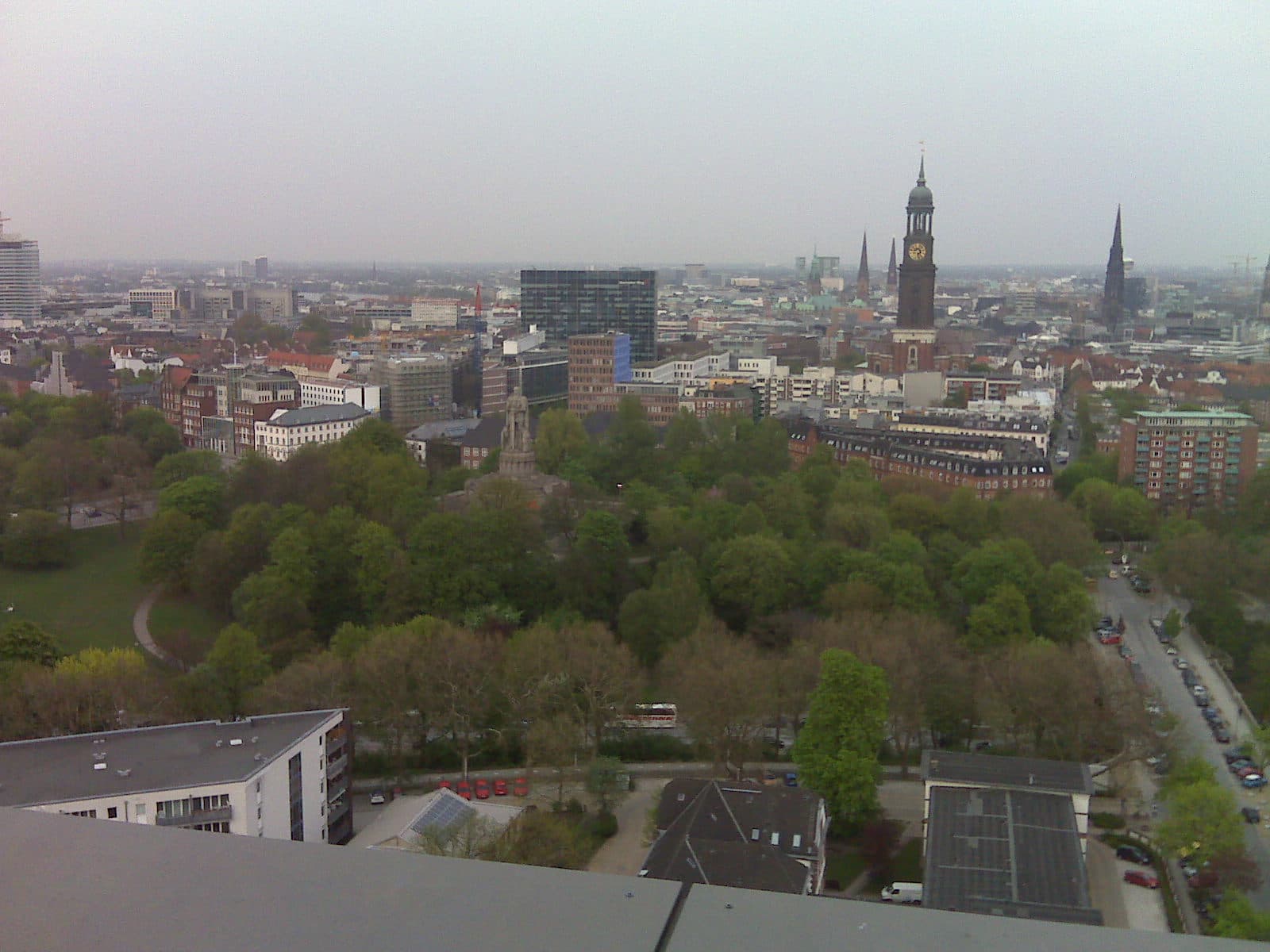 Alter ElbparkThe Alter Elbpark is a small green space on a rise between central Hamburg and t9 minutes walk4.3
Less than you would think. The museum is at heart about a social movement that used a club as its platform rather than about football itself — about the St Pauli district, its politics and an anti-racist terrace culture. Anyone interested in urban culture and social movements will find it engaging; anyone looking for purely sporting history may find it odd.