
The tunnel tour
Dressing rooms, players' tunnel and pitchside.
Arne Müseler — CC BY-SA 3.0 de · Jeuwre — CC BY-SA 4.0 · Jeuwre — CC BY-SA 4.0 · Pauli-Pirat — CC BY-SA 4.0
The Millerntor is the home of FC St. Pauli — a relatively small club by results, but among the best known in the world because of its political identity rather than its trophies. Its supporters are explicit in their anti-racist and anti-fascist positions, and the skull-and-crossbones emblem has become a symbol sold worldwide. The stadium sits squarely in the city centre at the Heiligengeistfeld, beside the Reeperbahn district — an unusual position for a European football ground, which makes it part of the neighbourhood's fabric rather than a suburban facility. It holds around twenty-nine thousand and its atmosphere is known for its intensity. Guided tours take you into the players' tunnel, the dressing rooms and the edge of the pitch, and explain the club's history and its supporter culture. The complex also holds the club museum, which the fans themselves founded by donation — a detail that sums up the place. Tours are suspended on match days.
Dressing rooms, players' tunnel and pitchside.
Founded by the supporters themselves.
Heiligengeistfeld 1, 20359 Hamburg
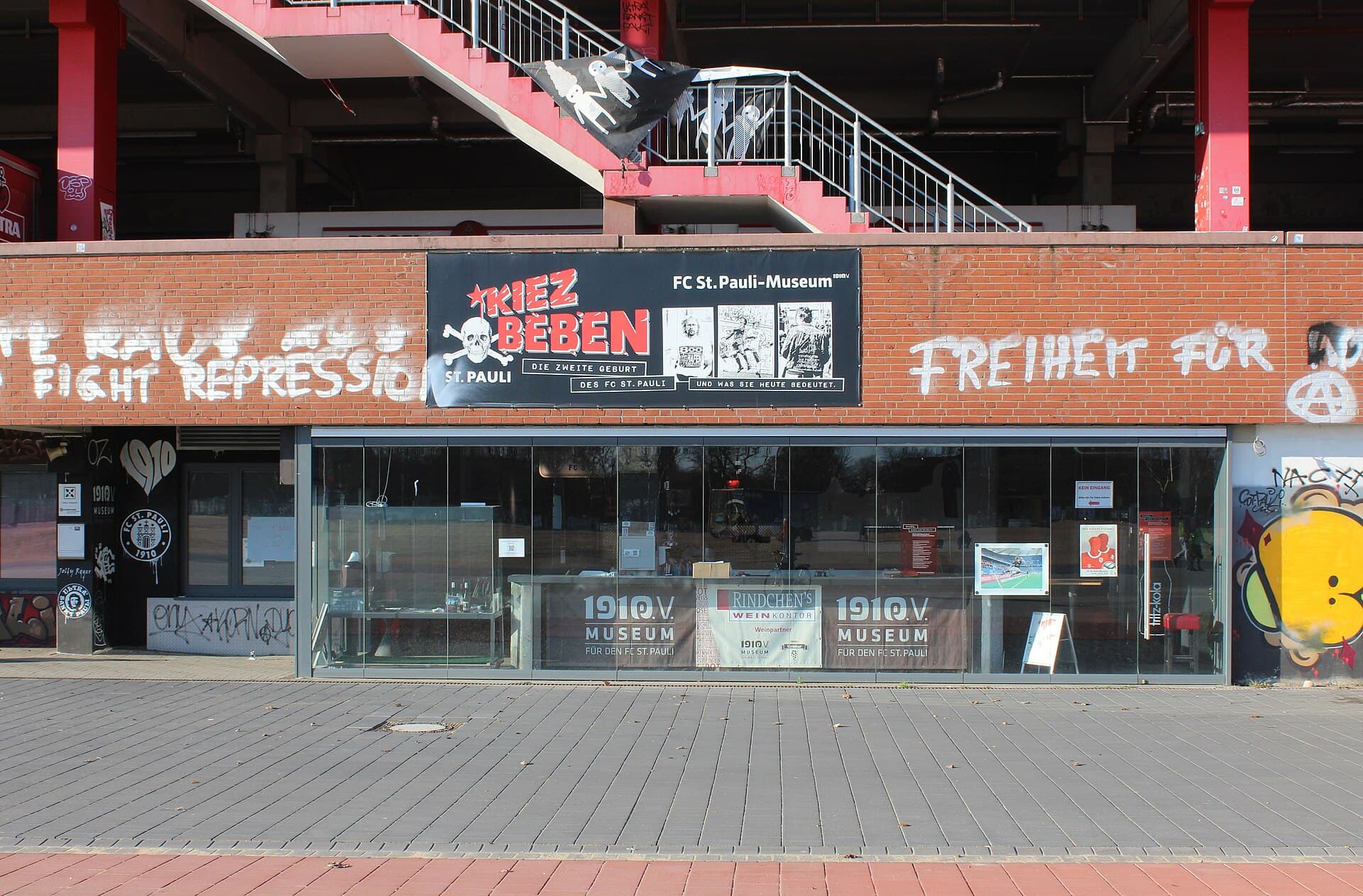 The FC St. Pauli MuseumThe FC St. Pauli museum is inside the Millerntor stadium itself, and the story o1 minute walk4.6
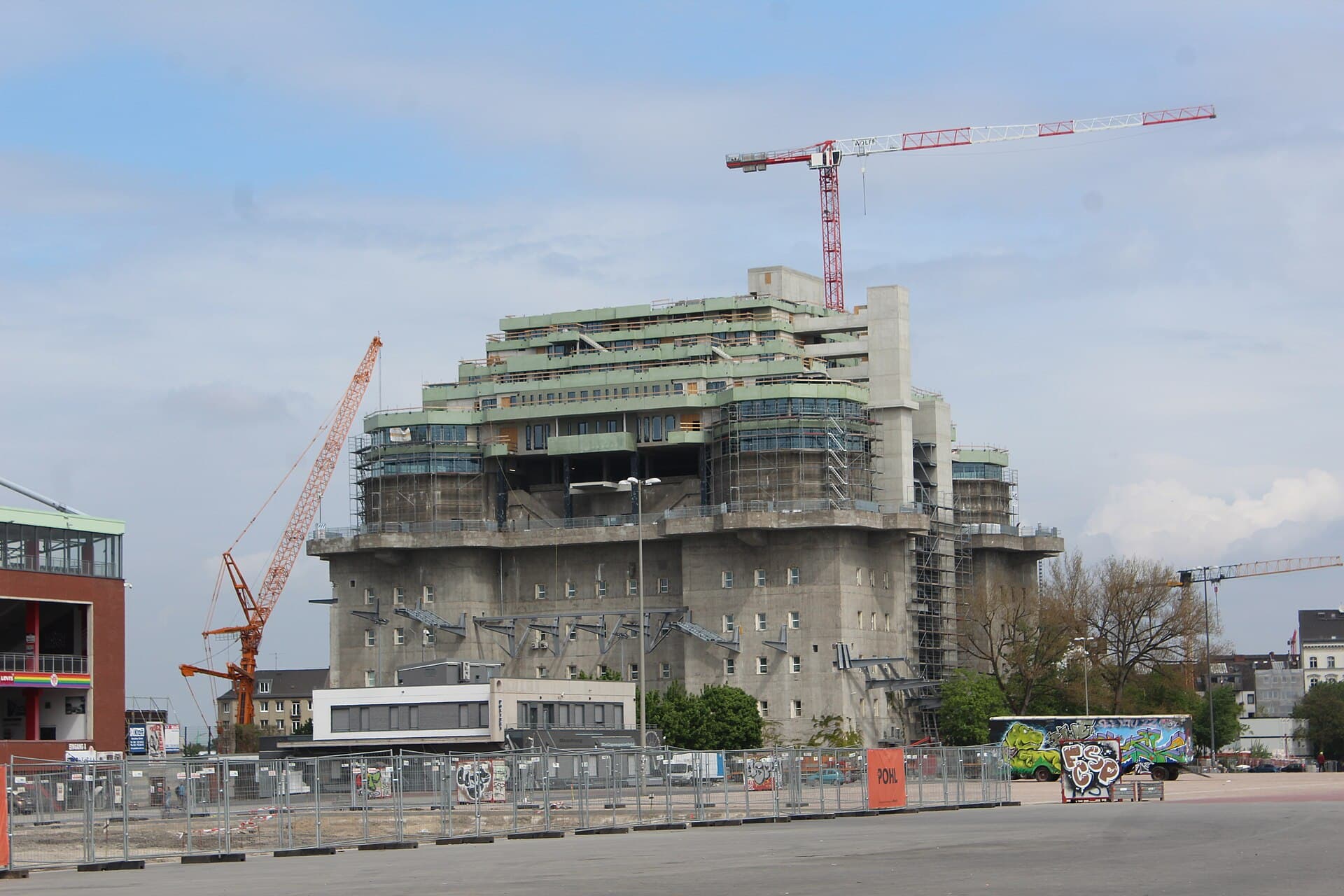 The St Pauli Bunker and its Rooftop GardenThis building is among the largest things the Second World War left standing in 4 minutes walk4.4
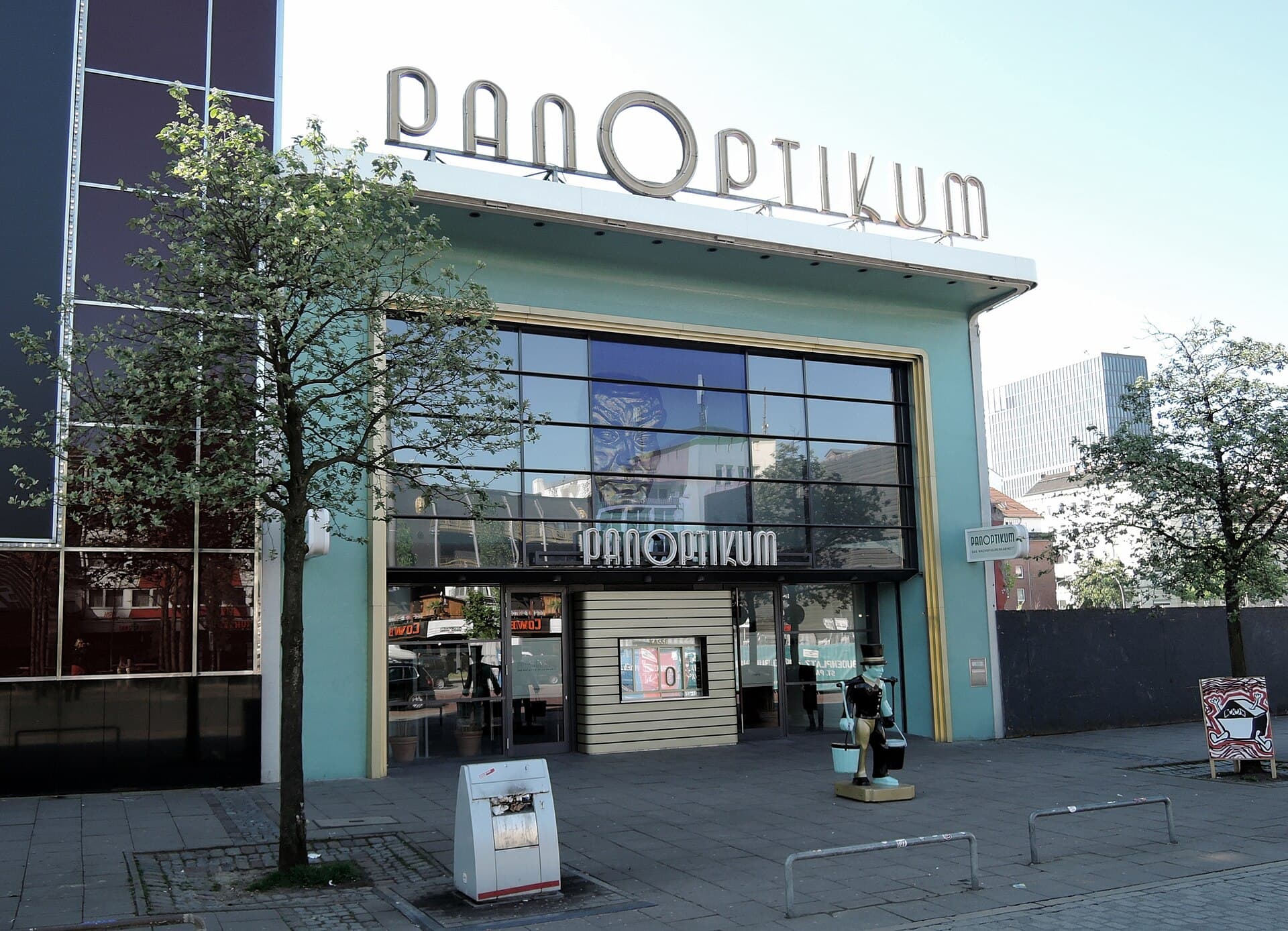 Panoptikum Wax MuseumThe Panoptikum is Germany's oldest wax museum, run by the same family since 18797 minutes walk4.2
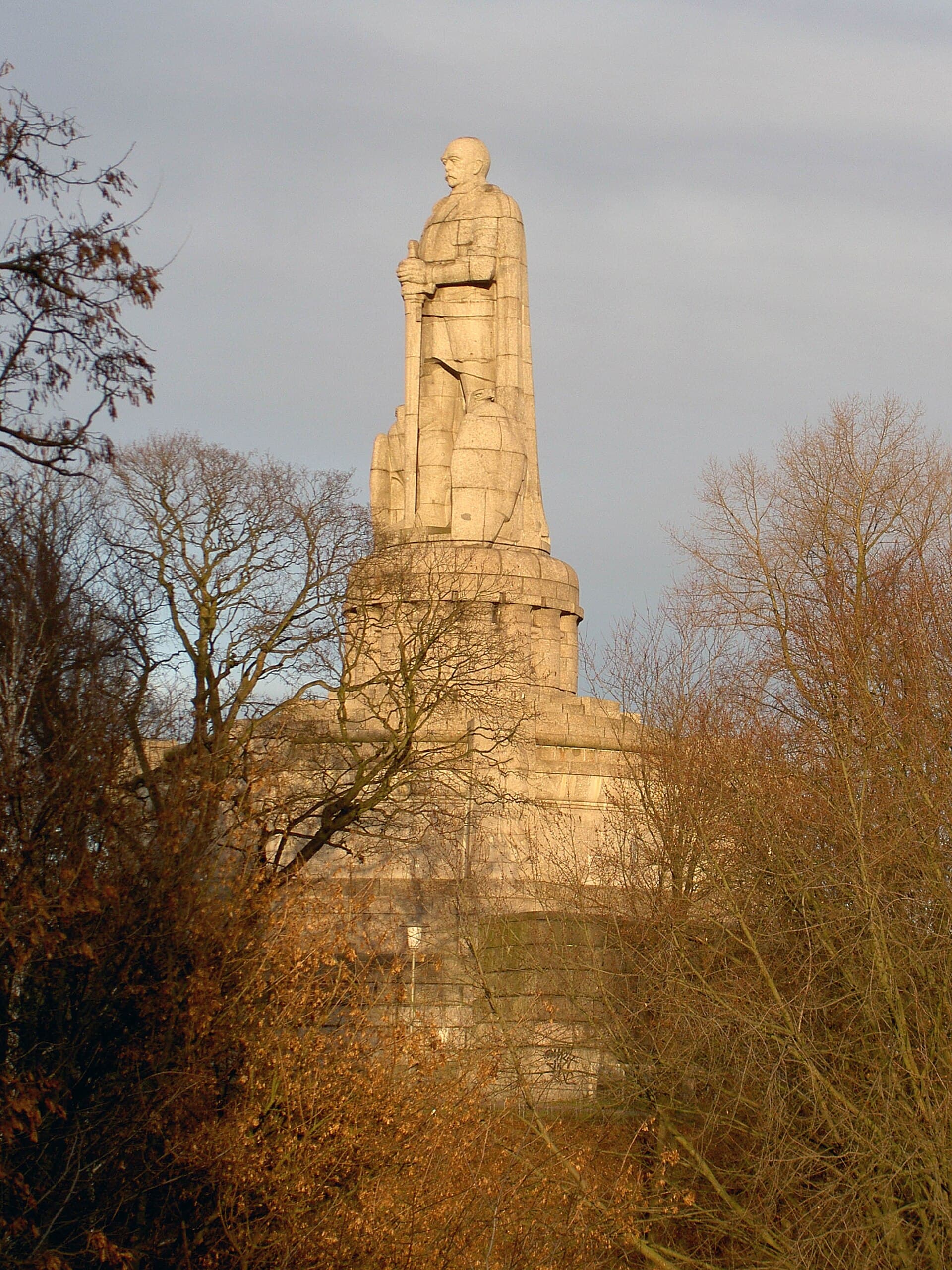 The Bismarck MonumentHamburg's Bismarck Monument is the largest of its kind in the world: a stone mas9 minutes walk3.7
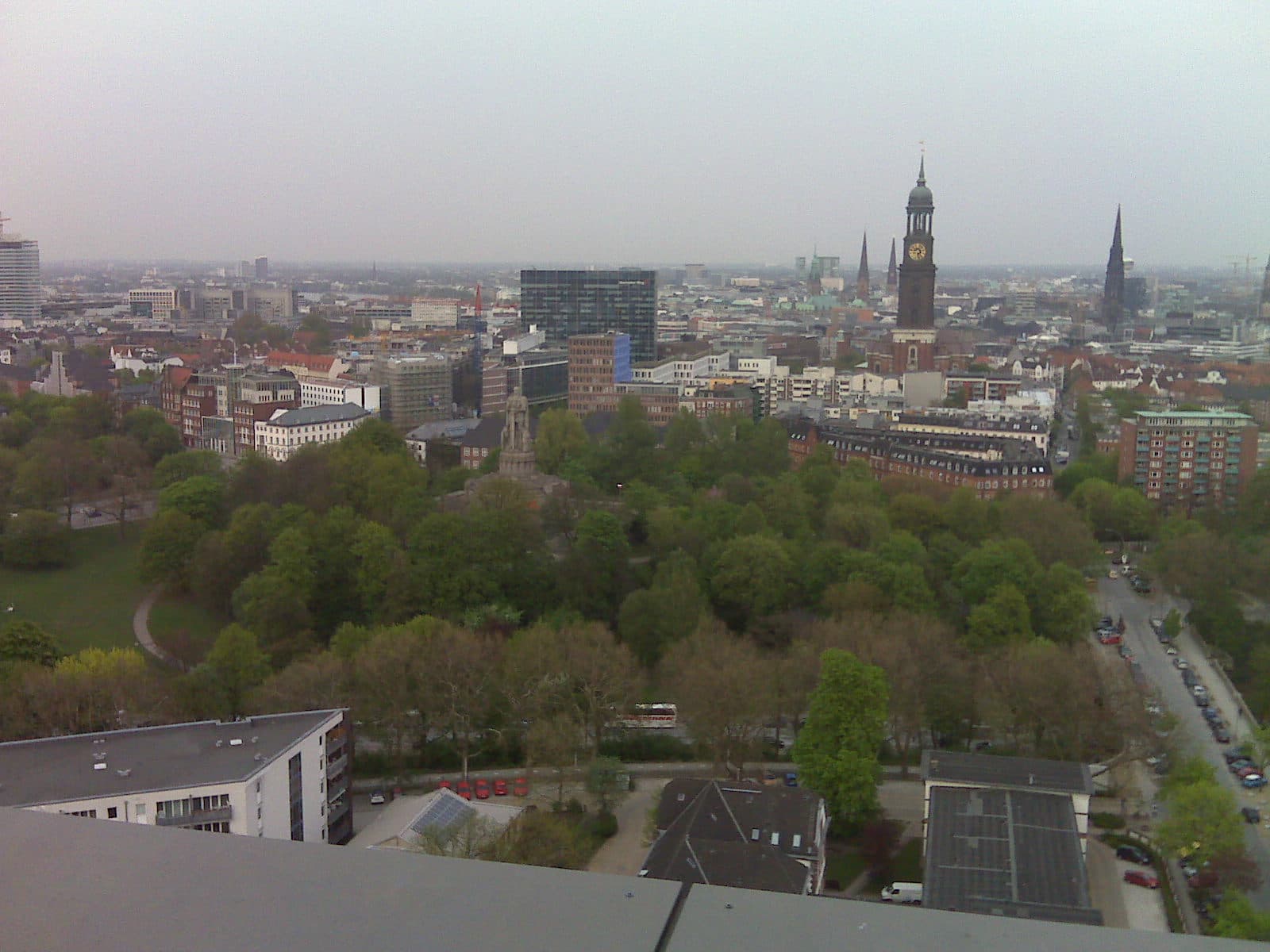 Alter ElbparkThe Alter Elbpark is a small green space on a rise between central Hamburg and t9 minutes walk4.3
Because in the 1980s its supporters adopted explicit political positions against racism and fascism at a time when European football terraces suffered from the opposite — and tied the club to the alternative culture of the St. Pauli district. That created an identity independent of results, so the club has supporters in countries it has never played in.