
The city paid for its own guns
A levy on Warsaw's people funded building what threatened them.
Adrian Grycuk — CC BY-SA 3.0 pl · Kapitel — CC BY-SA 4.0 · Adrian Grycuk — CC BY-SA 3.0 pl · Doronenko — CC BY-SA 4.0
A fort of the Warsaw Citadel system, built under Russian rule in the nineteenth century, part of a project whose purpose was not to defend the city but to control it. That is what makes the citadel unlike any other fortification. It was built after the November Uprising of 1830, in which Poles tried to throw off Russian rule and were crushed. The decision that followed was to raise an enormous citadel overlooking Warsaw with its guns pointed inward — at the city itself. Its construction was paid for by a levy imposed on Warsaw's inhabitants. The message was explicit and intended: the city is under the guns, and it paid for the guns. The citadel was later used as a political prison; in its Tenth Pavilion thousands of Polish activists were held and many were executed at its walls. Fort Legionów itself is part of that system, used after independence for Polish military purposes and then left. Practical points: the fort is seen from outside and not regularly visitable inside. For the full experience visit the Tenth Pavilion, a ticketed museum within the same citadel.
A levy on Warsaw's people funded building what threatened them.
The 1830 decision was control rather than defence, and the architecture says so.
A political prison holding thousands, with many executed at the walls.
The Warsaw Citadel, Żoliborz
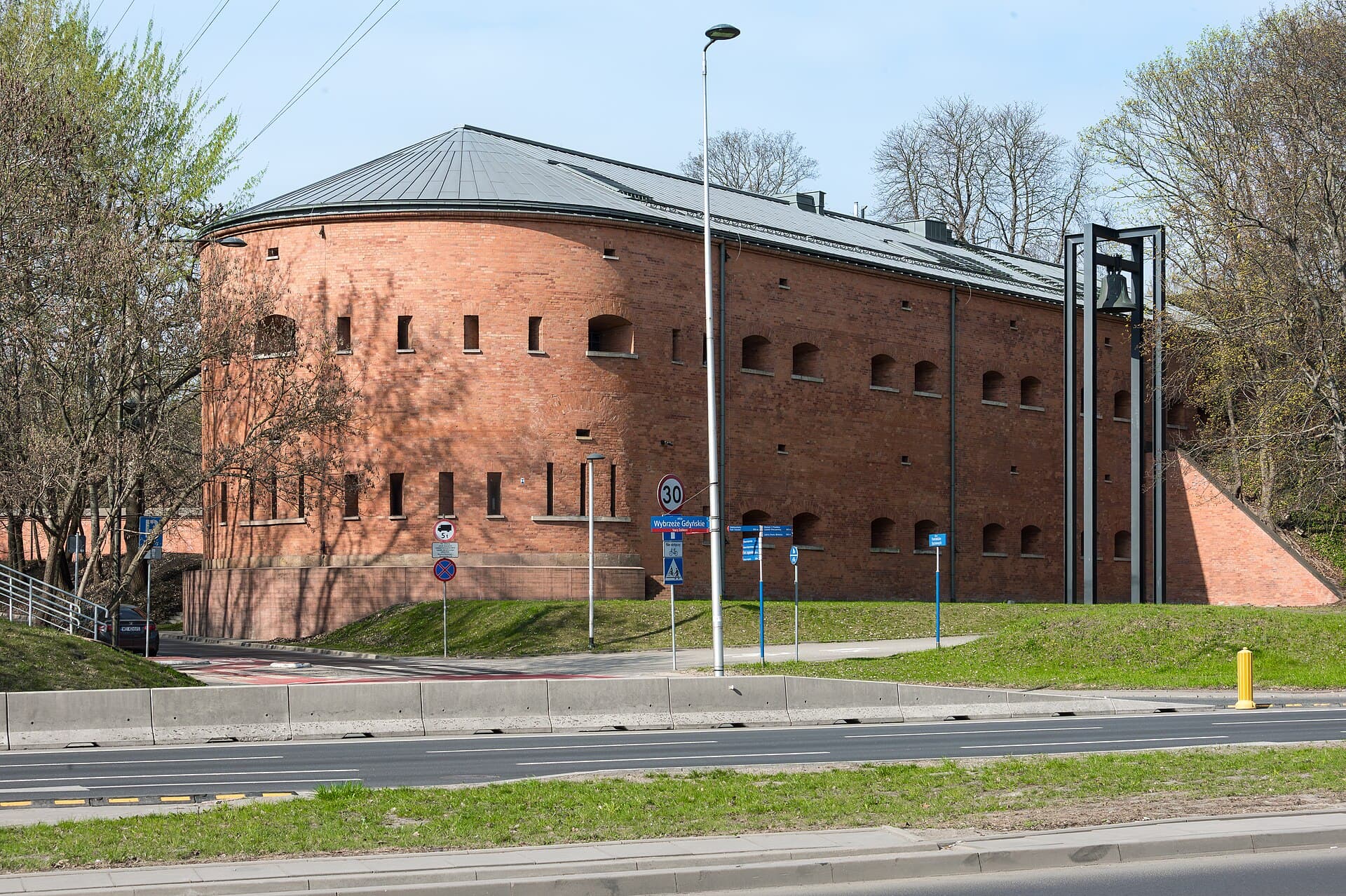 Katyń MuseumA museum inside a nineteenth-century bastion of the Warsaw Citadel devoted to th5 minutes walk4.6
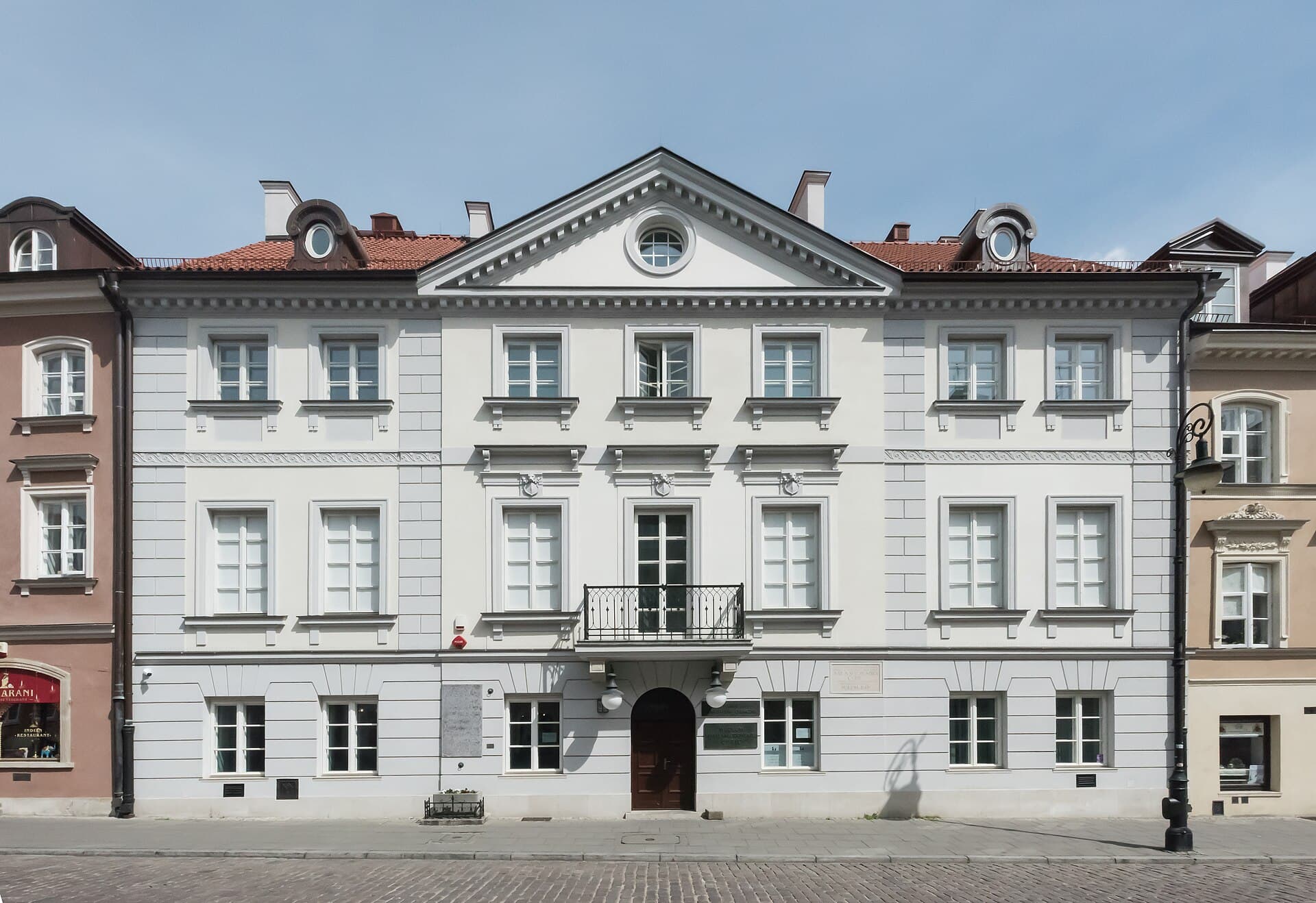 Maria Skłodowska-Curie MuseumA house in the New Town where Maria Skłodowska was born in 1867, known worldwide8 minutes walk4.4
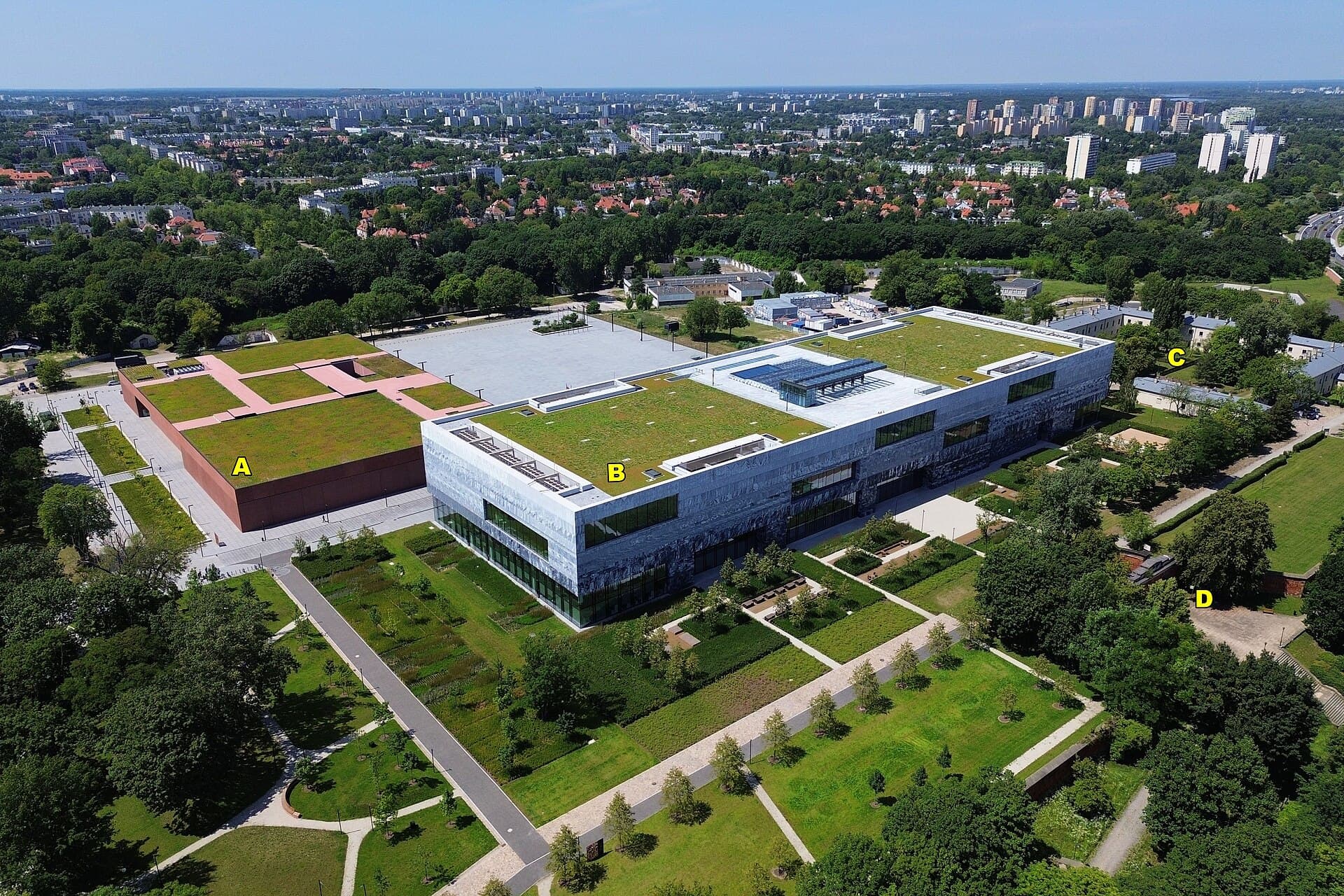 Polish Army MuseumThe museum of Polish military history, moved to its new home in the Warsaw Citad11 minutes walk4.5
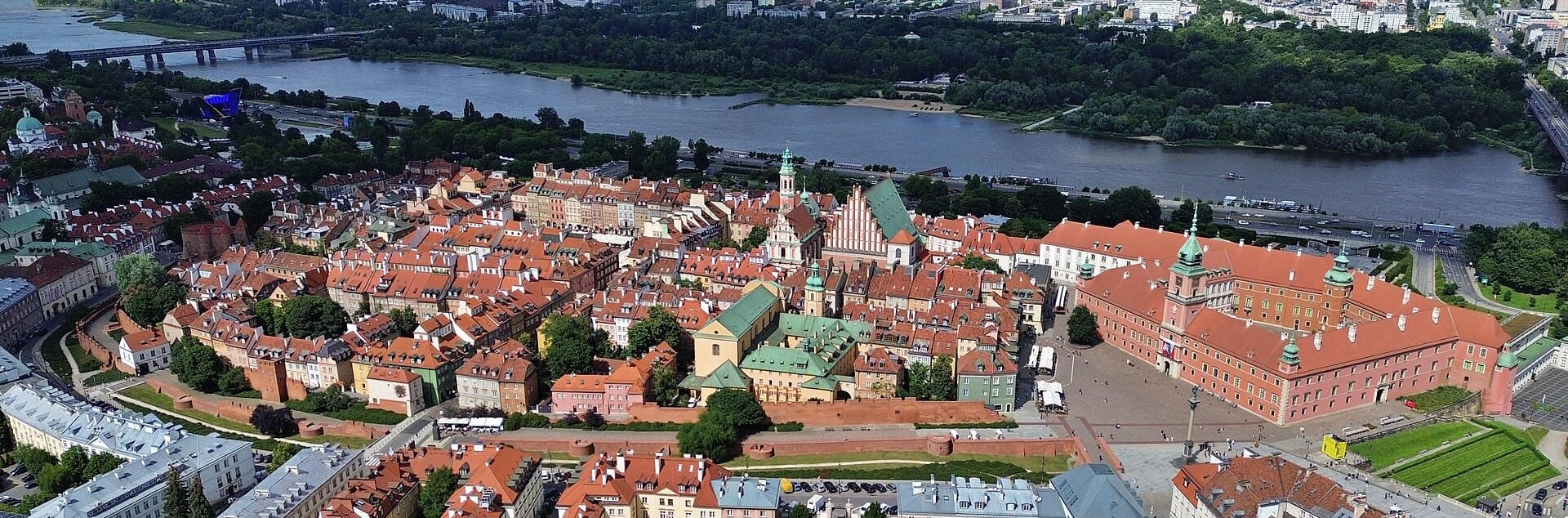 Warsaw Old TownWarsaw's Old Town is history's greatest urban resurrection: the Nazis demolished12 minutes walk
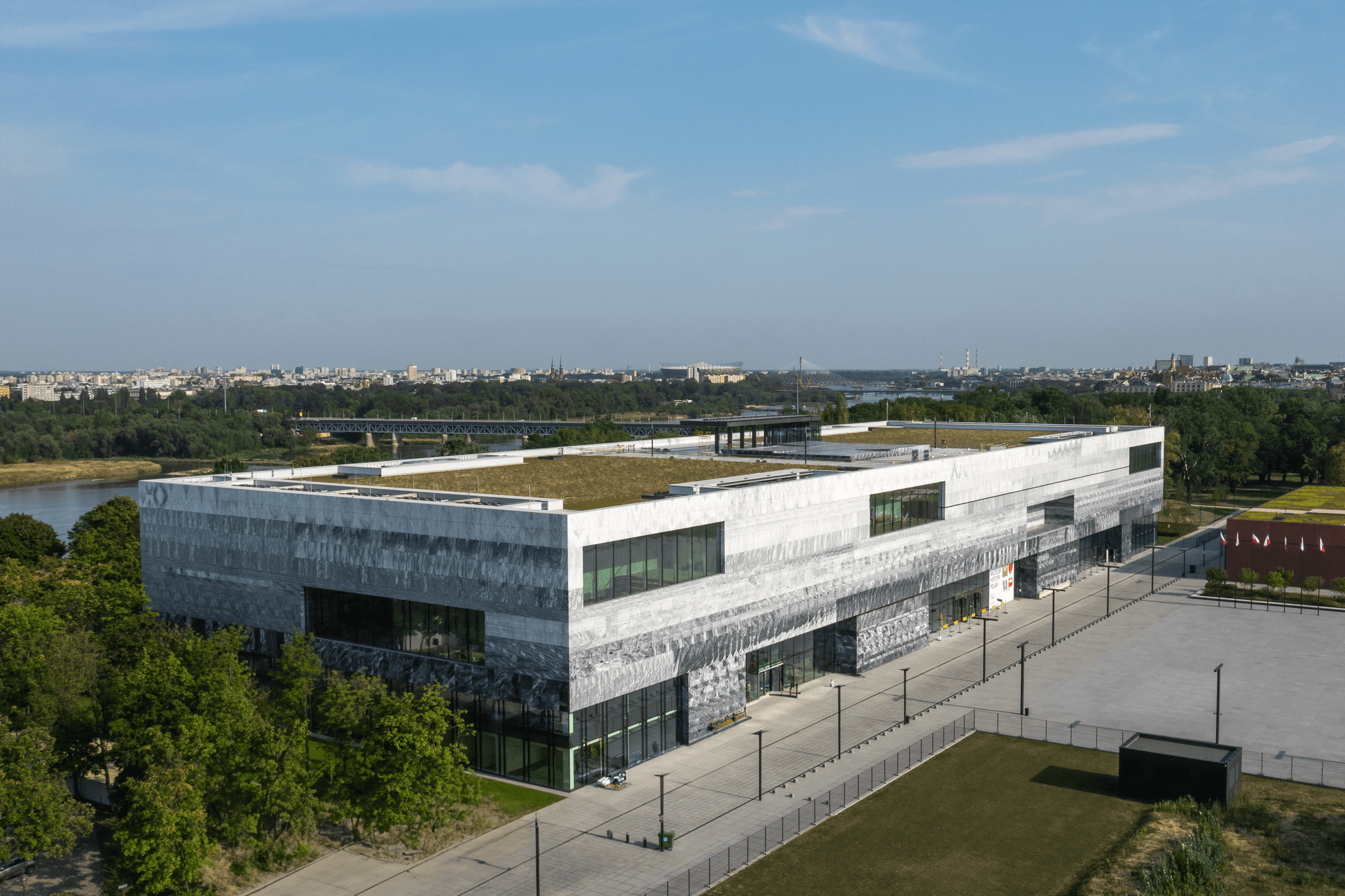 Polish History MuseumA vast national museum in the Warsaw Citadel, opened to the public in 2024 after12 minutes walk4.0
A Polish revolt against Russian rule that began in November 1830 and lasted about ten months before being crushed. It was followed by the abolition of what remained of Polish autonomy, the closure of universities, confiscations and the exile of thousands to Siberia. The citadel was part of that response, which is why it reads as politics rather than as military architecture.
The Tenth Pavilion as a museum of the political prison, the Polish Army Museum which recently moved to the citadel in a new building, and the Katyń Museum. The area has become a large museum complex — allow half a day for more than one site.