
The Market Square
Resurrection's colours around the Mermaid.
Kapitel — CC BY-SA 4.0 · Rhododendrites — CC BY-SA 4.0 · Rhododendrites — CC BY-SA 4.0 · Rakoon — CC0
Warsaw's Old Town is history's greatest urban resurrection: the Nazis demolished it stone by deliberate stone after the 1944 Uprising (over 85% to total rubble) — and the people rebuilt it from Bellotto's paintings, students' survey drawings and memory, brick by brick, until UNESCO accepted it (1980) as a unique exception: a copy more faithfully documented than most originals. Its heart is the Market Square in its coloured houses with the sword-raising Warsaw Mermaid (the city's emblem) — around it St. John's cathedral, the red Barbican walls, and the Royal Route setting out from Sigismund's Column toward the southern palaces — with the wishing bell in Kanonia lane touched for luck. Evening lights the lanes in warm lanterns as the square fills with easels and music — and the whole story (destruction and resurrection in photographs) waits on small wall displays: read them and understand why Poles walk here with a different pride.
Resurrection's colours around the Mermaid.
Rubble and today side by side on the walls.
Kanonia — the lucky touch.
Rynek Starego Miasta, 00-272 Warsaw
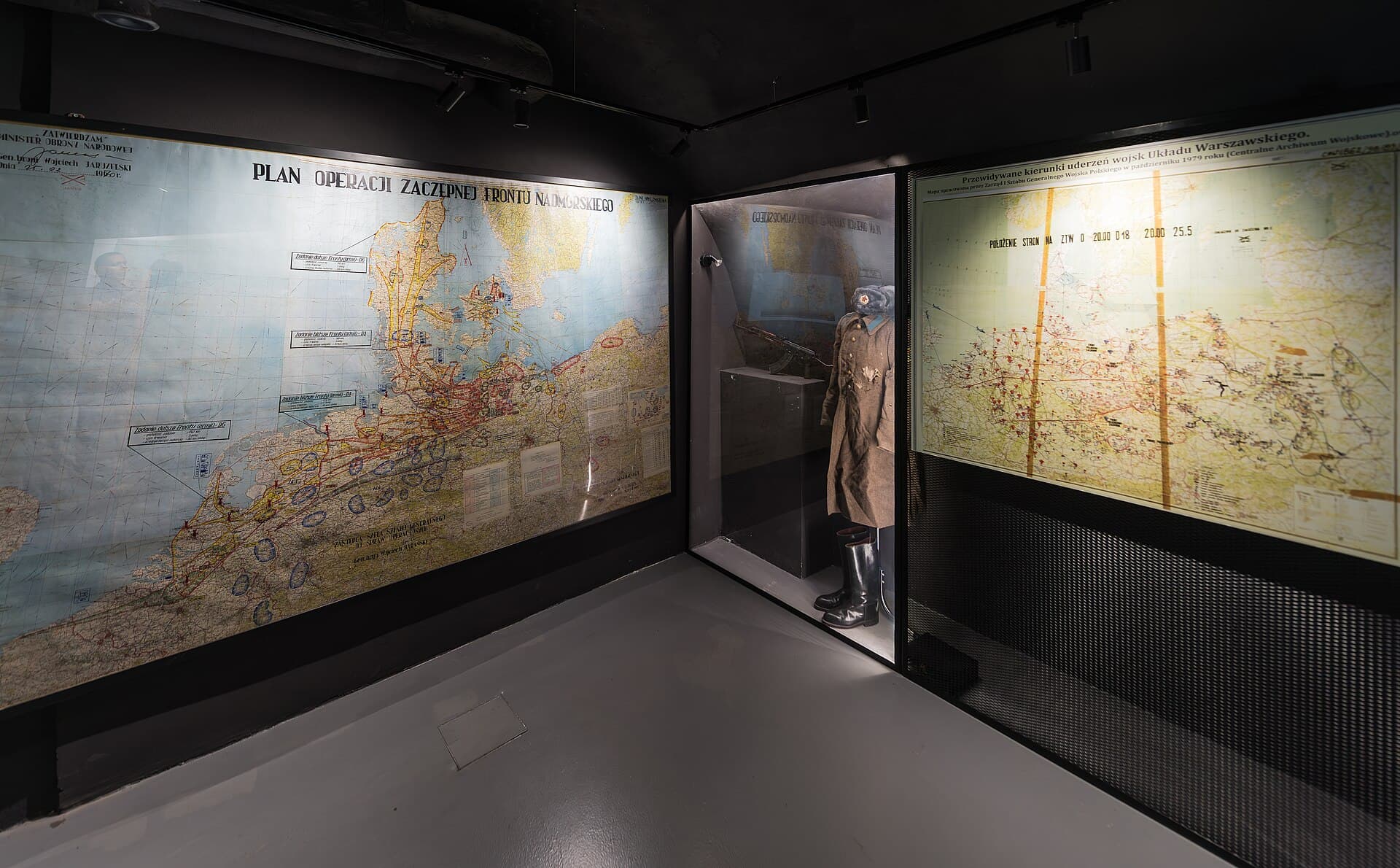 The Cold War MuseumA museum in Warsaw devoted to the Cold War, named after Colonel Ryszard Kuklińsk2 minutes walk4.5
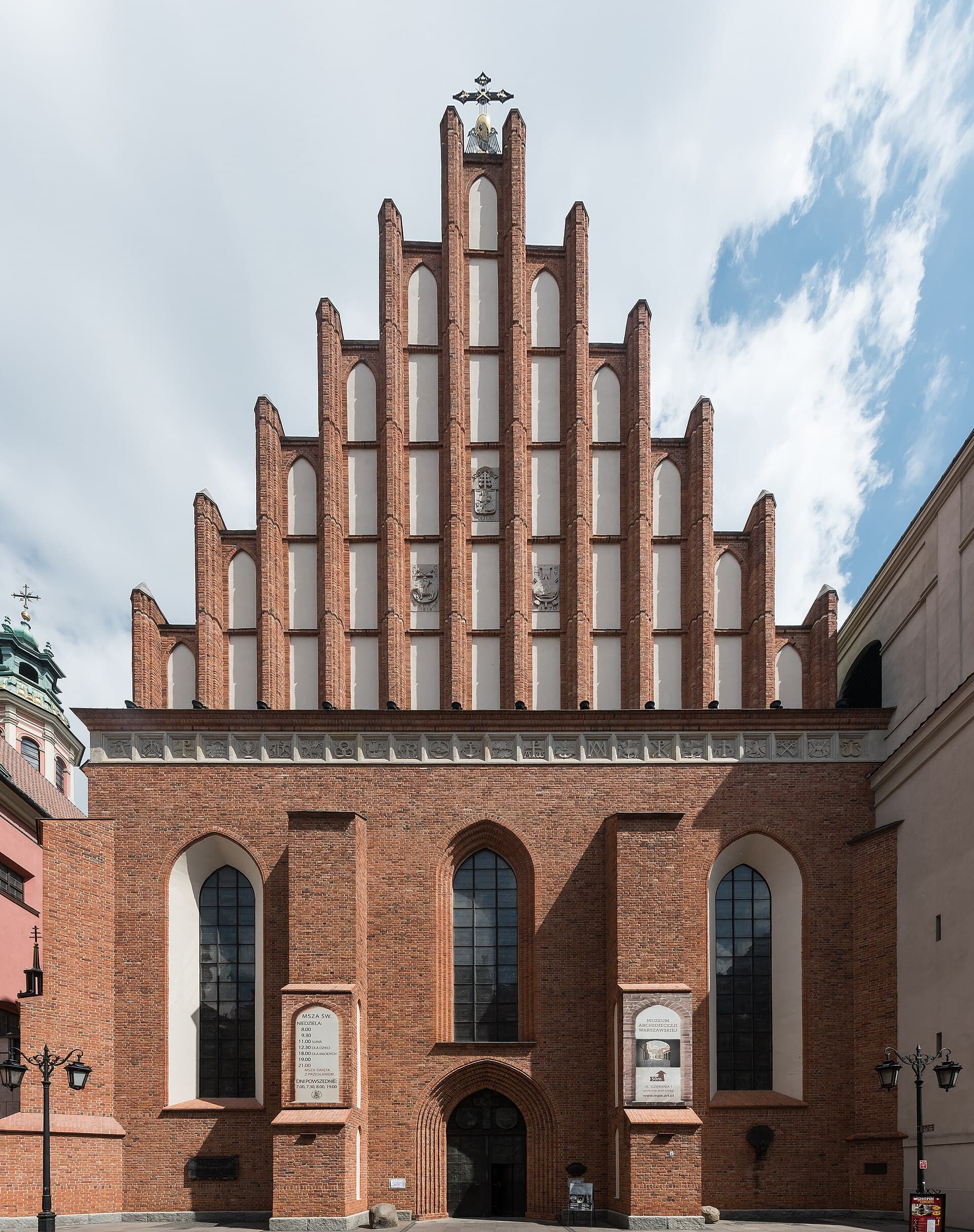 St John's ArchcathedralThe oldest church in Warsaw, dating from the fourteenth century, the city's prin2 minutes walk4.6
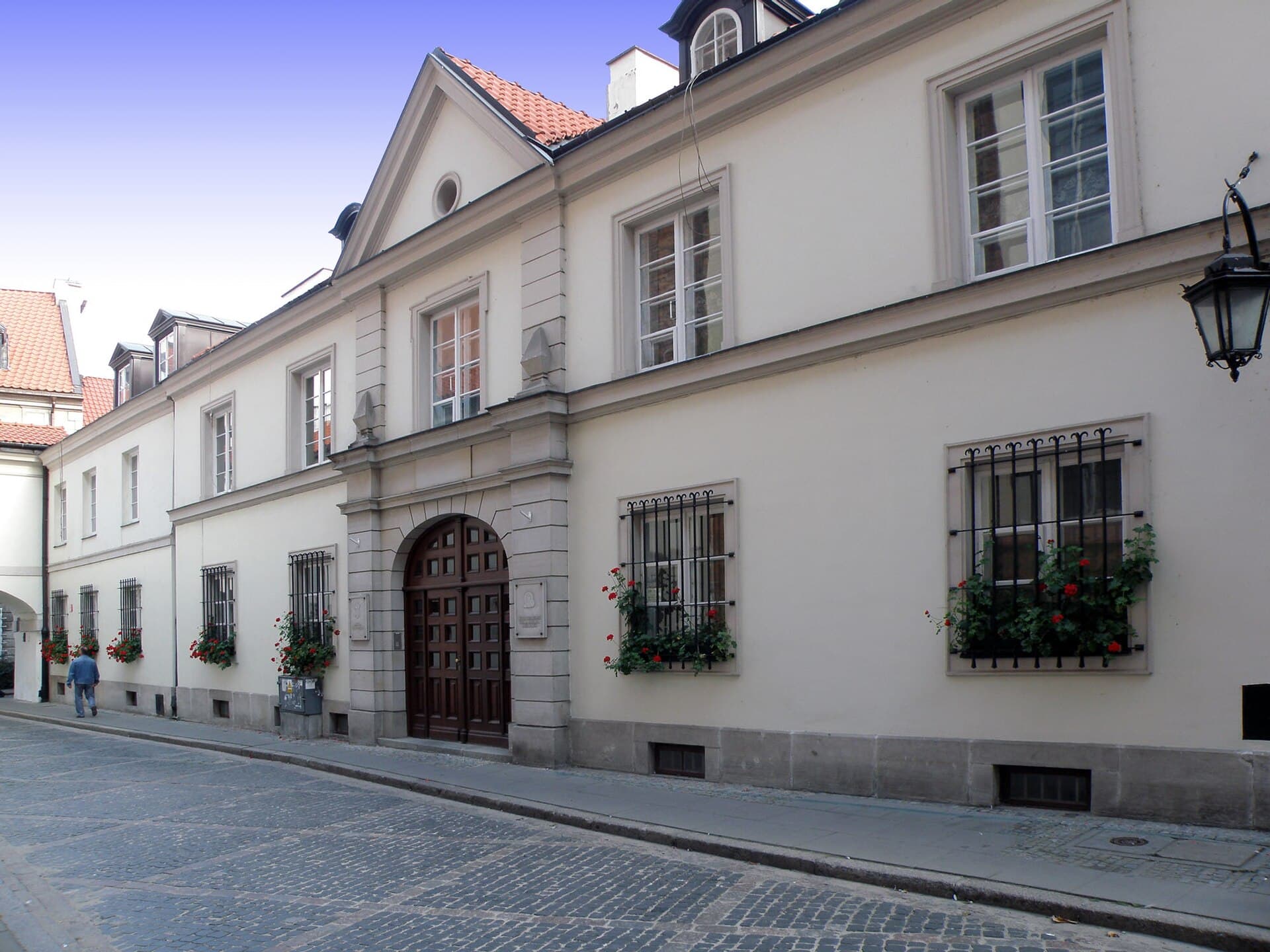 The Museum of the Warsaw ArchdioceseA museum of religious art in Warsaw's Old Town, holding the archdiocese's collec2 minutes walk4.5
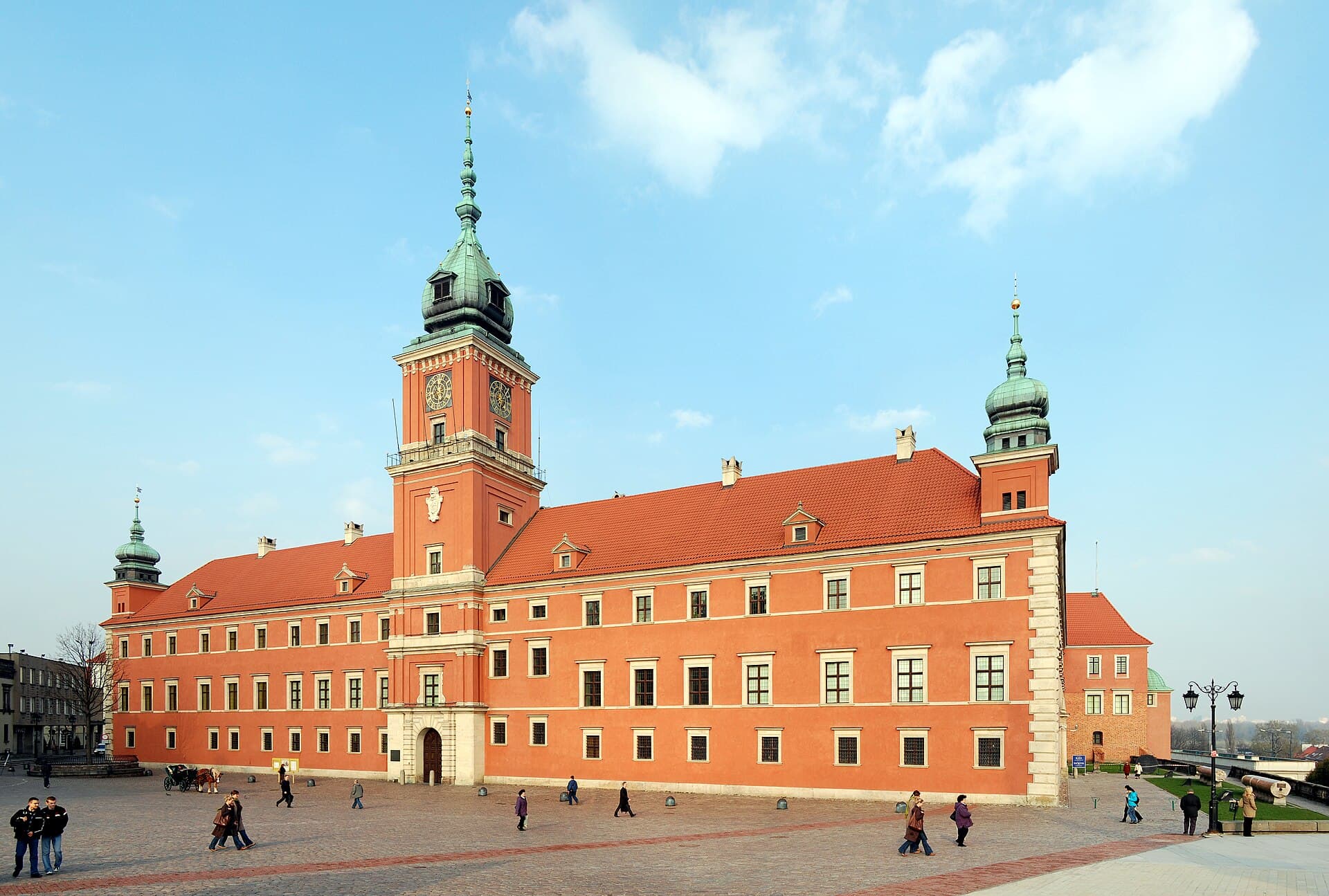 The Royal Castle in WarsawThe Royal Castle is Poland's recovered throne: seat of kings and parliament (her3 minutes walk4.8
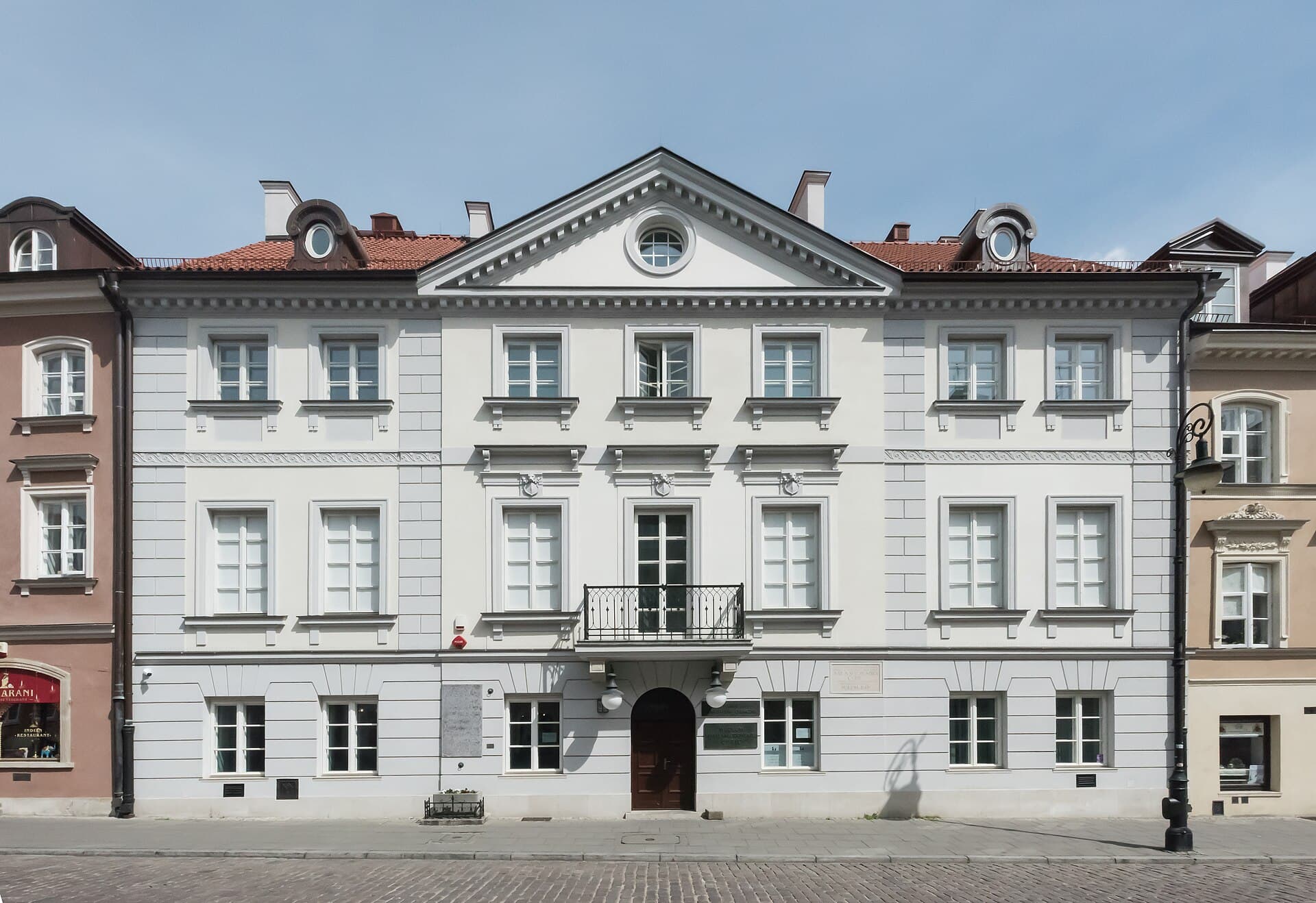 Maria Skłodowska-Curie MuseumA house in the New Town where Maria Skłodowska was born in 1867, known worldwide4 minutes walk4.4
As systematic punishment: after the 1944 Uprising Hitler ordered Warsaw erased from Europe's map, and burning and demolition squads worked for months after the population's expulsion — a city's annihilation as administrative decision. The rebuilding was the existential answer: it will not be erased — the meaning of the square's touchable pride.