
The Polish-Lithuanian Commonwealth
Among Europe's largest states and most religiously tolerant of its time.
Rafał Chmielewski — CC BY-SA 4.0 · Pklos — CC BY 4.0 · Pklos — CC BY 4.0 · Pklos — CC BY 4.0
A vast national museum in the Warsaw Citadel, opened to the public in 2024 after some twenty years of planning and building, covering a thousand years of Polish history in one building. The building is among the largest cultural projects in modern Poland: an immense white block inside the walls of the tsarist citadel, with over seven thousand square metres of exhibition space. The permanent display runs chronologically from the emergence of the Polish state in the tenth century, through the Polish-Lithuanian Commonwealth — one of Europe's largest states and among the most religiously tolerant of its time — then the partitions and the erasure of the state, independence in 1918, the two wars, the communist period, and on to 1989. This is the museum that provides the frame through which Poland's other museums are read: anyone visiting the Katyń Museum, the Warsaw Uprising Museum or Schindler's Factory without the general context loses half the meaning. The museum is new and large — allow two and a half to four hours. Interpretation is in English.
Among Europe's largest states and most religiously tolerant of its time.
It gives the context through which Poland's other museums are read.
It is worth more at the start of a Polish trip than at the end.
Warsaw Citadel, north of the city
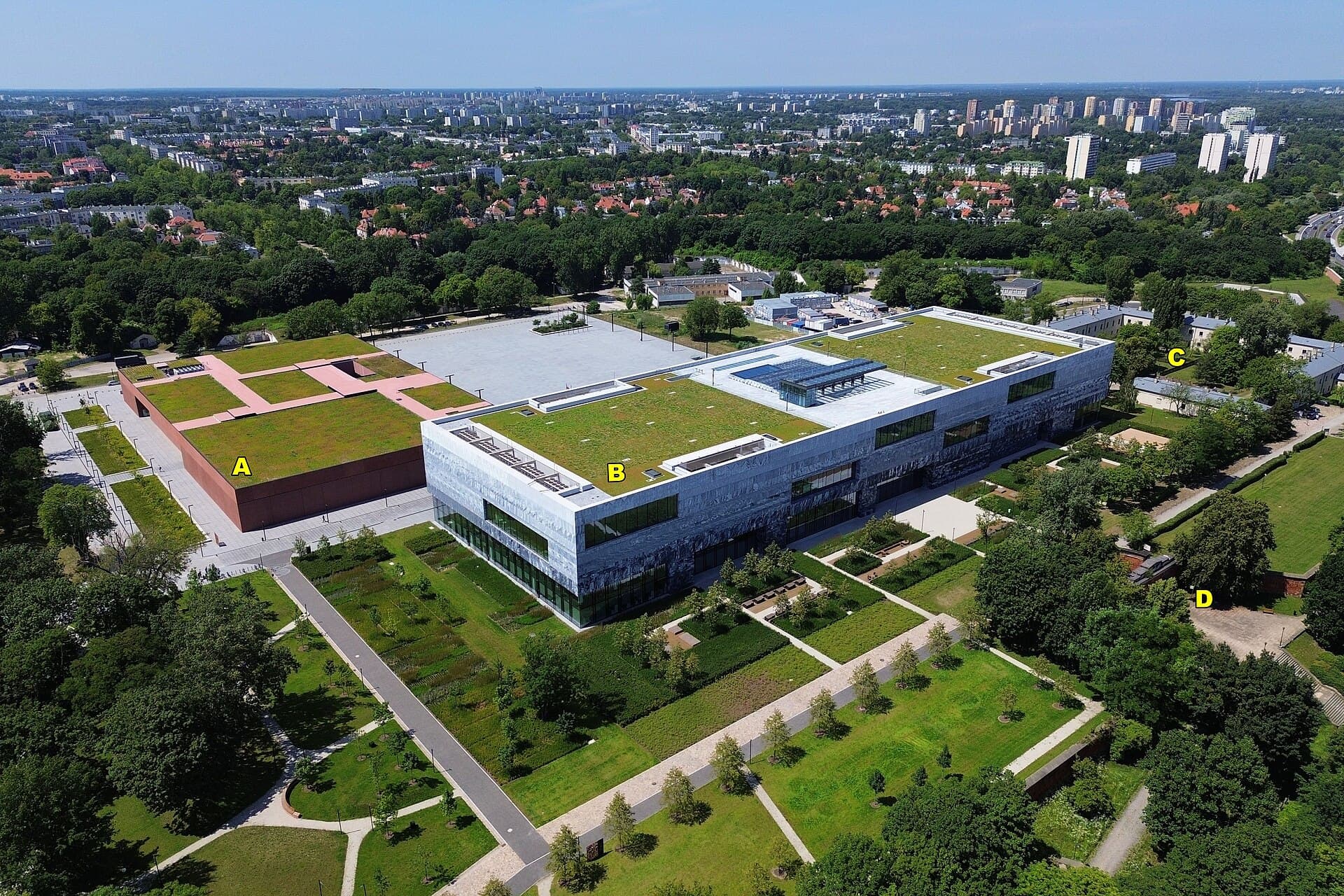 Polish Army MuseumThe museum of Polish military history, moved to its new home in the Warsaw Citad1 minute walk4.5
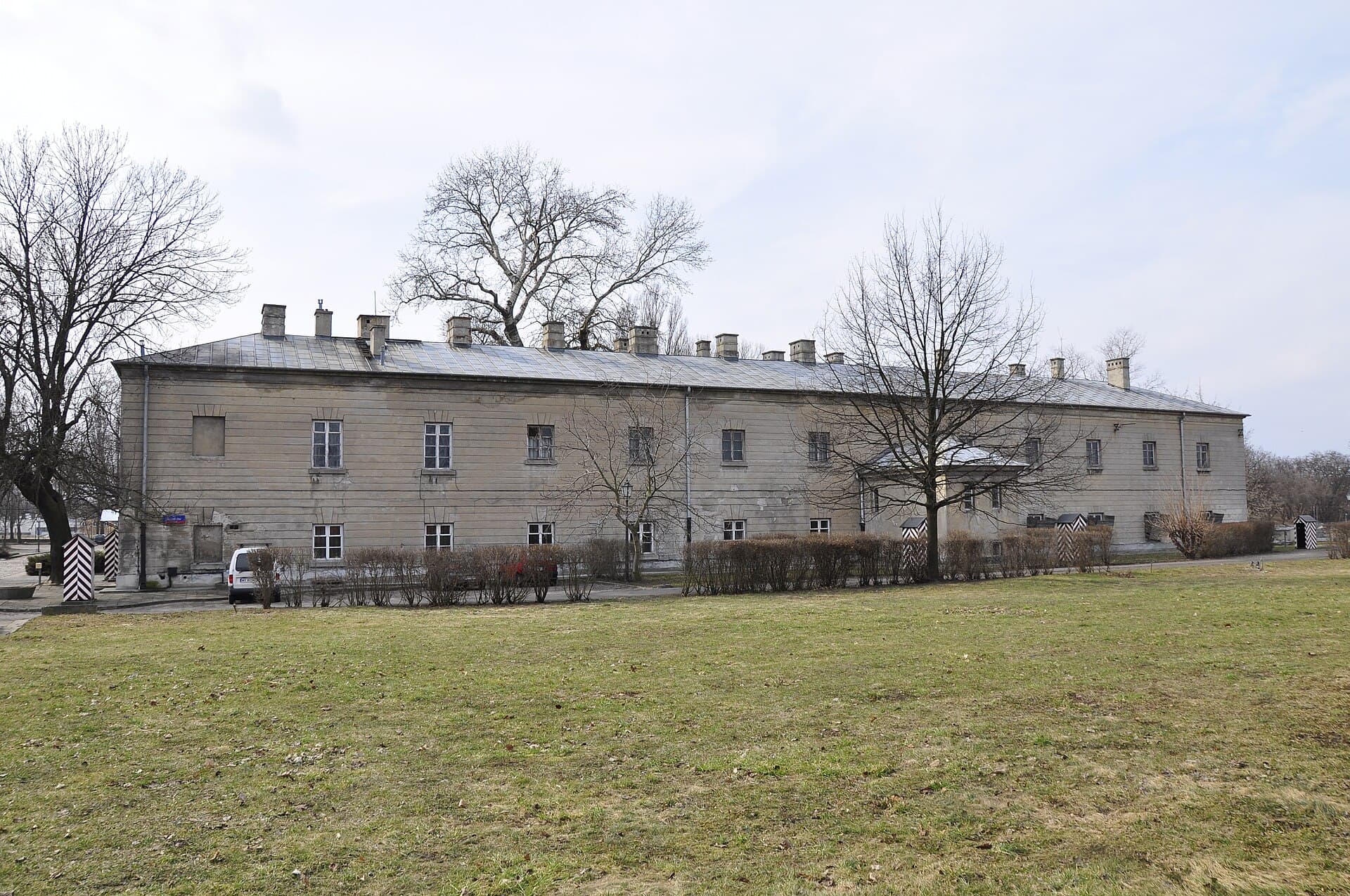 Tenth Pavilion Museum, Warsaw CitadelA former tsarist prison inside the Warsaw Citadel, now a museum on a century of 3 minutes walk4.4
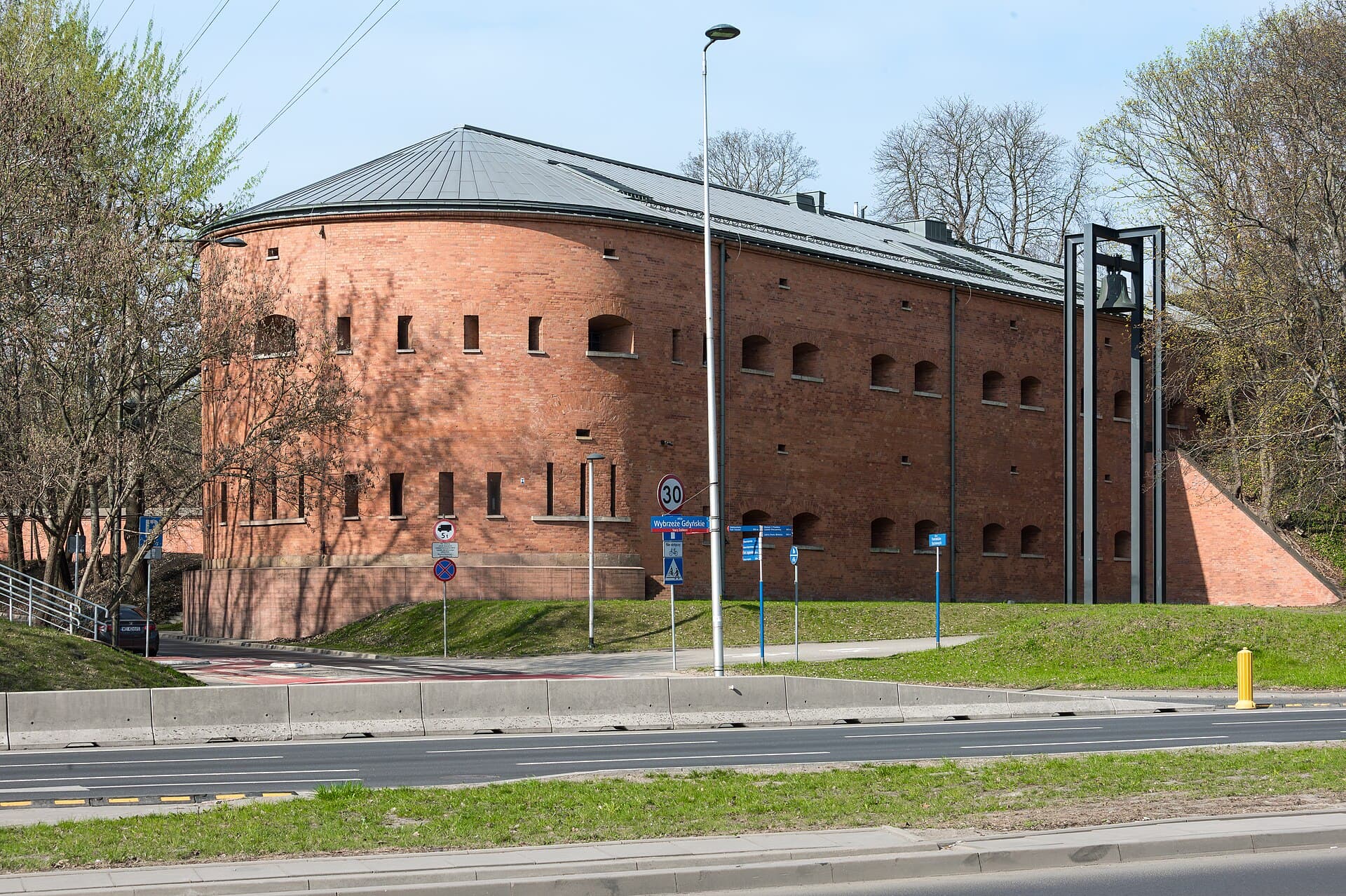 Katyń MuseumA museum inside a nineteenth-century bastion of the Warsaw Citadel devoted to th8 minutes walk4.6
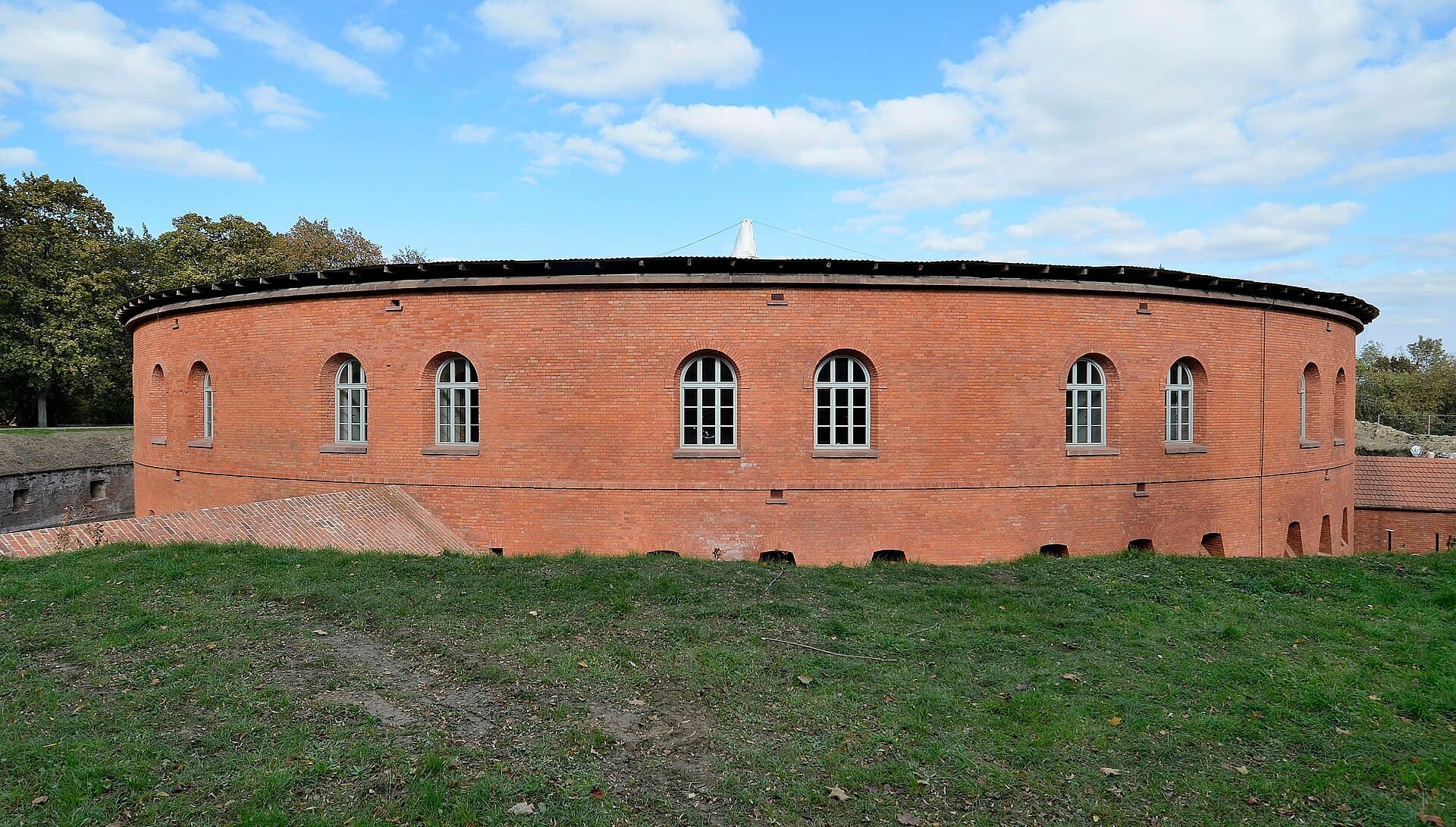 Fort LegionówA fort of the Warsaw Citadel system, built under Russian rule in the nineteenth 12 minutes walk4.6
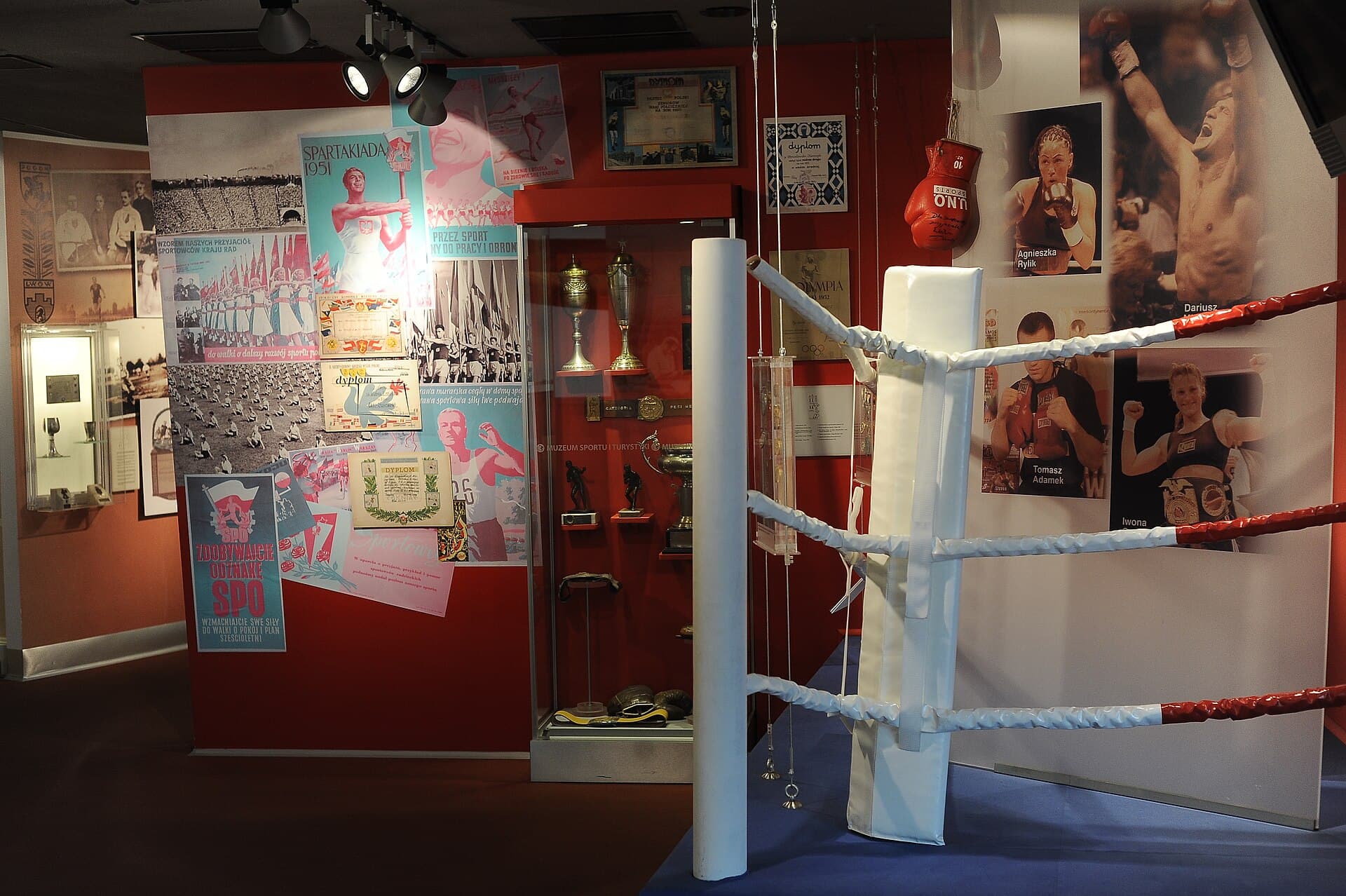 Museum of Sport and TourismA national museum of sport and tourism in Warsaw, documenting the history of Pol13 minutes walk4.6
A union of the Kingdom of Poland and the Grand Duchy of Lithuania formalised in 1569 and lasting until 1795. It was among Europe's largest states in area and population, ruled by a king elected by the nobility under a parliamentary system unusual in an age of absolute monarchies. It was known for relative religious tolerance that drew Jews, Protestants and Muslim Tatars fleeing persecution elsewhere. Its internal weakness is what later opened the way to its partition.
They are different: POLIN tells a thousand years of Jewish history in Poland, and this tells the history of the Polish state. Ideally visit both, since much of the story is shared and each has its angle. If there is time for only one day, the Polish History Museum first, as it gives the frame.