
The largest cavalry charge in history
At Vienna in 1683, led by the Polish king John III Sobieski.
Kapitel — CC BY-SA 4.0 · FOTO:Fortepan — ID 54682: Adományozó/Donor: Lencse Zoltán. archive copy at the Wayback Machine — CC BY-SA 3.0 · FOTO:Fortepan — ID 54683: Adományozó/Donor: Lencse Zoltán. — CC BY-SA 3.0 · Lukas Plewnia from Winterthur, Schweiz — CC BY-SA 2.0
The museum of Polish military history, moved to its new home in the Warsaw Citadel, covering a thousand years of a military past that was rarely quiet. The story it tells differs from any Western military museum: Poland generally fought its wars caught between two larger powers, lost its existence as a state for a hundred and twenty-three years, returned, and was then invaded from west and east together in September 1939 within a fortnight. Among its most important exhibits is the armour and weaponry of the Winged Hussars — the Polish heavy cavalry who fixed feathered wings behind their backs, and who decided the Battle of Vienna in 1683, halting the Ottoman advance into central Europe in the largest cavalry charge in history. Alongside them are exhibits from both world wars and a large outdoor area of tanks, aircraft and artillery that works well with children. The museum is large and part of it is outdoors — allow two to three hours.
At Vienna in 1683, led by the Polish king John III Sobieski.
Invasion from west and east together ended the state within a fortnight.
A large outdoor area that works well with children.
Warsaw Citadel
 Polish History MuseumA vast national museum in the Warsaw Citadel, opened to the public in 2024 after1 minute walk4.0
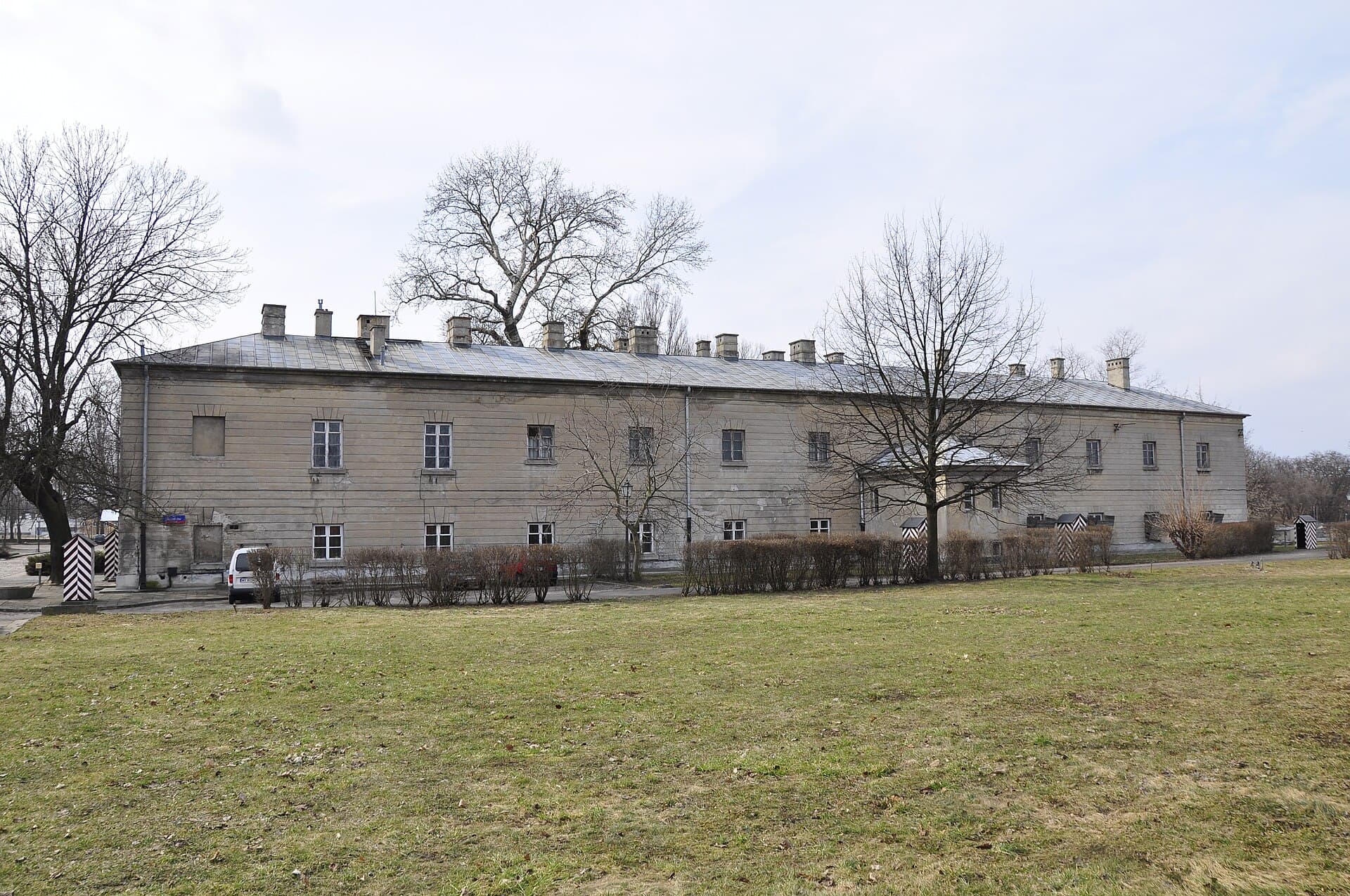 Tenth Pavilion Museum, Warsaw CitadelA former tsarist prison inside the Warsaw Citadel, now a museum on a century of 4 minutes walk4.4
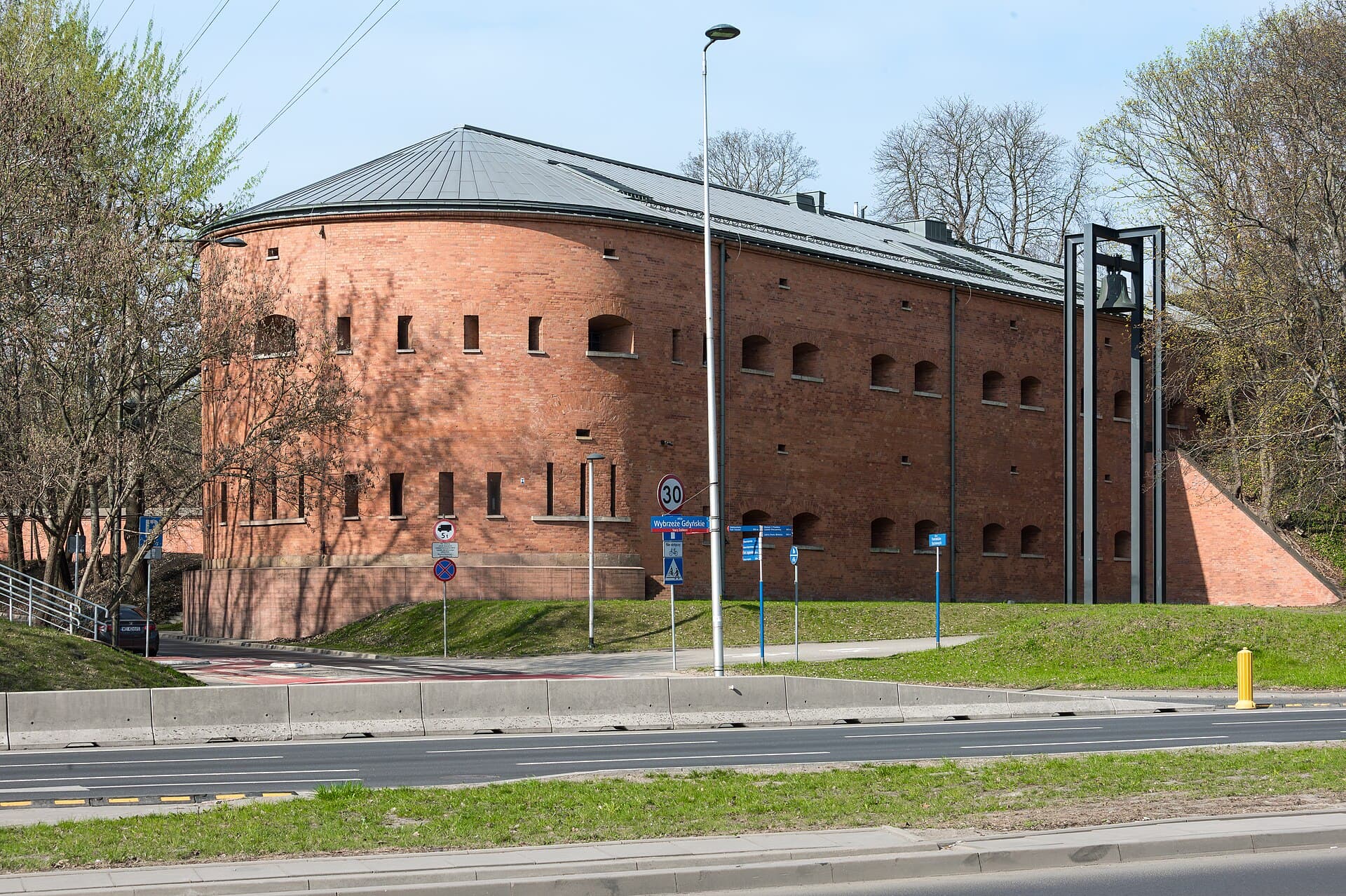 Katyń MuseumA museum inside a nineteenth-century bastion of the Warsaw Citadel devoted to th7 minutes walk4.6
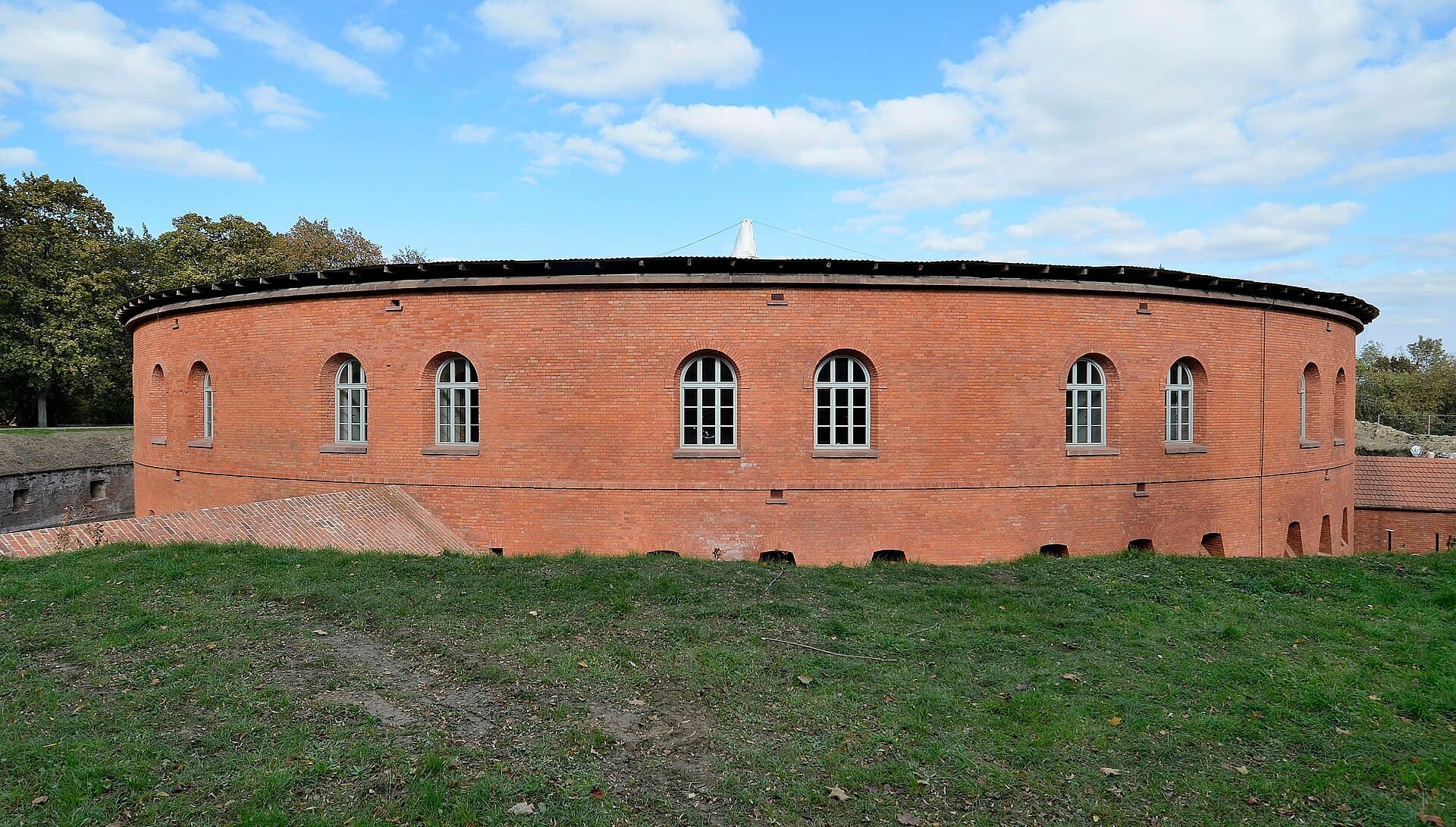 Fort LegionówA fort of the Warsaw Citadel system, built under Russian rule in the nineteenth 11 minutes walk4.6
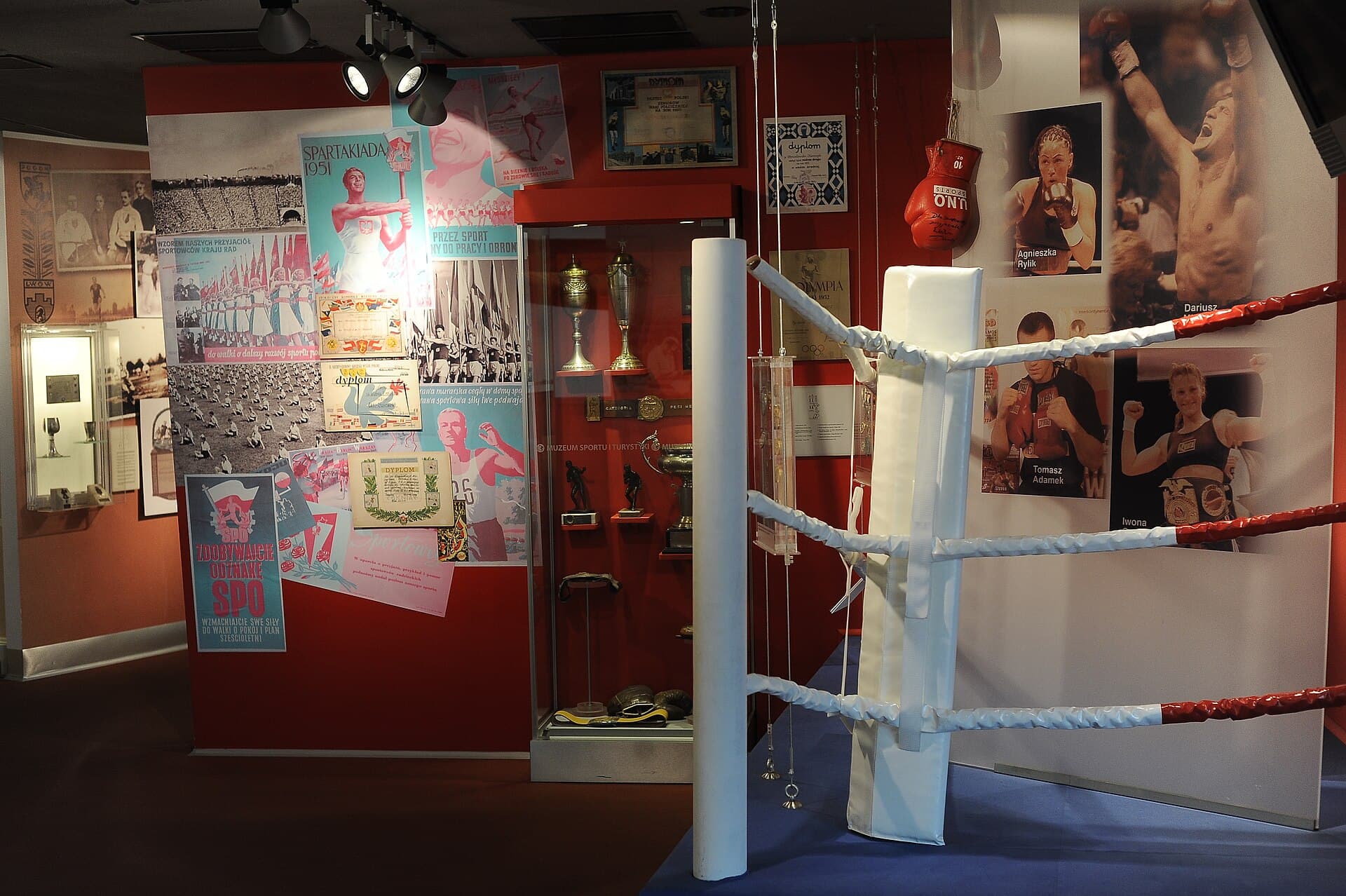 Museum of Sport and TourismA national museum of sport and tourism in Warsaw, documenting the history of Pol15 minutes walk4.6
The heavy cavalry of the Polish-Lithuanian Commonwealth between the sixteenth and eighteenth centuries, known for wooden frames covered in eagle feathers fixed behind the saddle or back. Their purpose is disputed — variously said to have frightened enemy horses, made noise during the charge, or been ceremonial. What is certain is that they were among the most effective cavalry in Europe for over a century.
Germany invaded Poland on 1 September, beginning the Second World War. On the seventeenth the Soviet Union invaded from the east, under a secret protocol of the Molotov-Ribbentrop pact in which the two divided eastern Europe. Poland was caught between two armies and received no practical help from its Western allies, and organised resistance ended in early October.