
Design over display
Concrete, walls, trees and light — the architecture itself carries the narrative.
Adrian Grycuk — CC BY 3.0 pl · Kgbo — CC BY-SA 4.0 · Kgbo — CC BY-SA 4.0 · Kgbo — CC BY-SA 4.0
A museum inside a nineteenth-century bastion of the Warsaw Citadel devoted to the Katyń massacre, and among the most powerfully designed museums in Poland. In the spring of 1940 the Soviet secret police, on orders from the highest leadership, executed around twenty-two thousand Polish officers, prisoners, policemen and intellectuals by a shot to the back of the head, burying them in mass graves in the Katyń forest and other sites. The aim was to eliminate Poland's leadership class. What deepened the wound was what followed: the Soviet Union denied responsibility for fifty years and attributed the killings to the Germans, and stating the truth in communist Poland was forbidden. Moscow did not acknowledge it officially until 1990. The museum opened in its present form in 2015, and its design is architectural above all: concrete paths, walls, trees and light, with personal objects recovered from the graves — spectacles, buttons, letters. It shows no bodies and no shocking images, yet it is profoundly heavy.
Concrete, walls, trees and light — the architecture itself carries the narrative.
Spectacles, buttons and letters recovered from the mass graves.
The museum shows no bodies, yet it is profoundly heavy nonetheless.
Warsaw Citadel, the Fourth Bastion
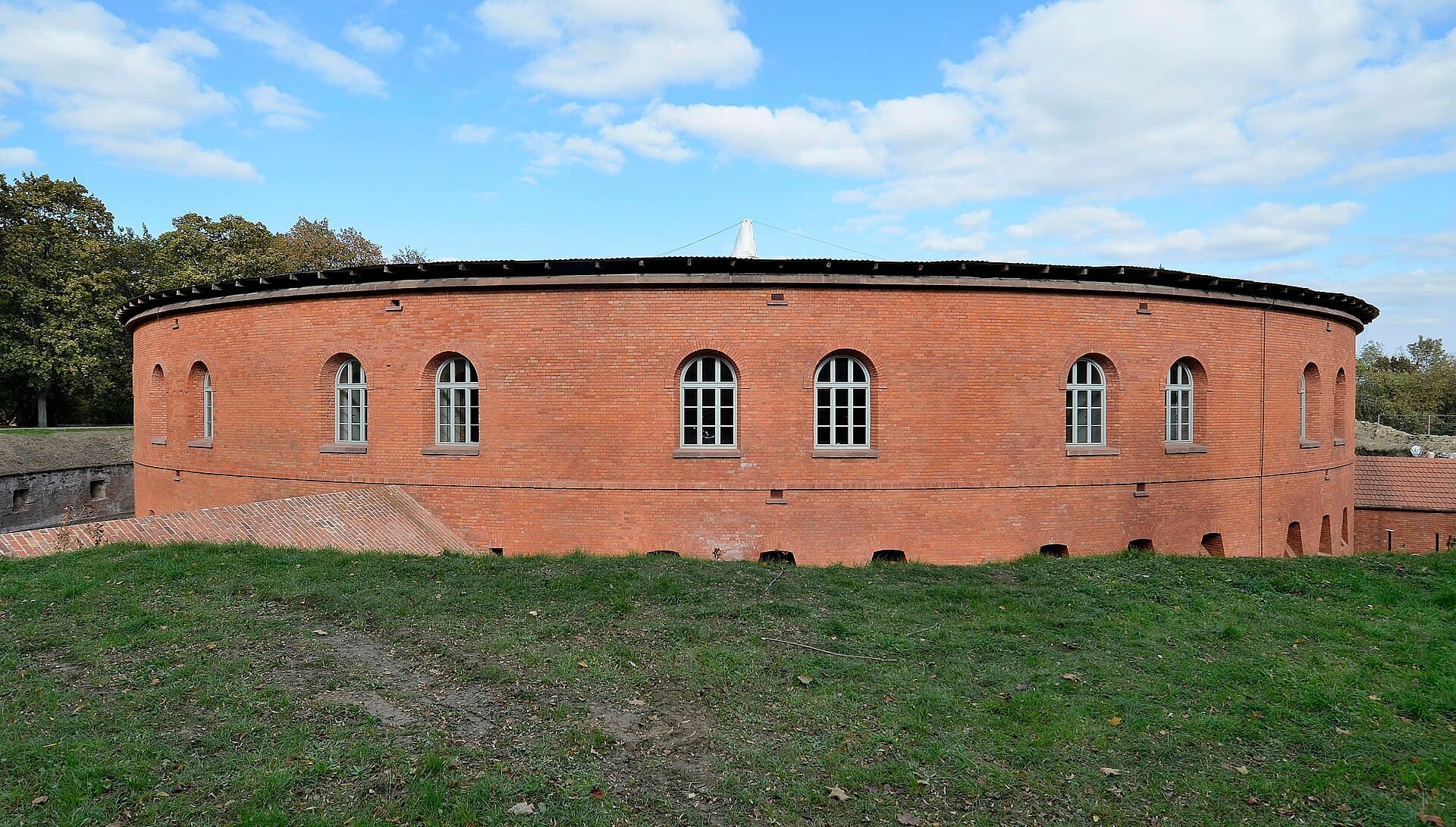 Fort LegionówA fort of the Warsaw Citadel system, built under Russian rule in the nineteenth 5 minutes walk4.6
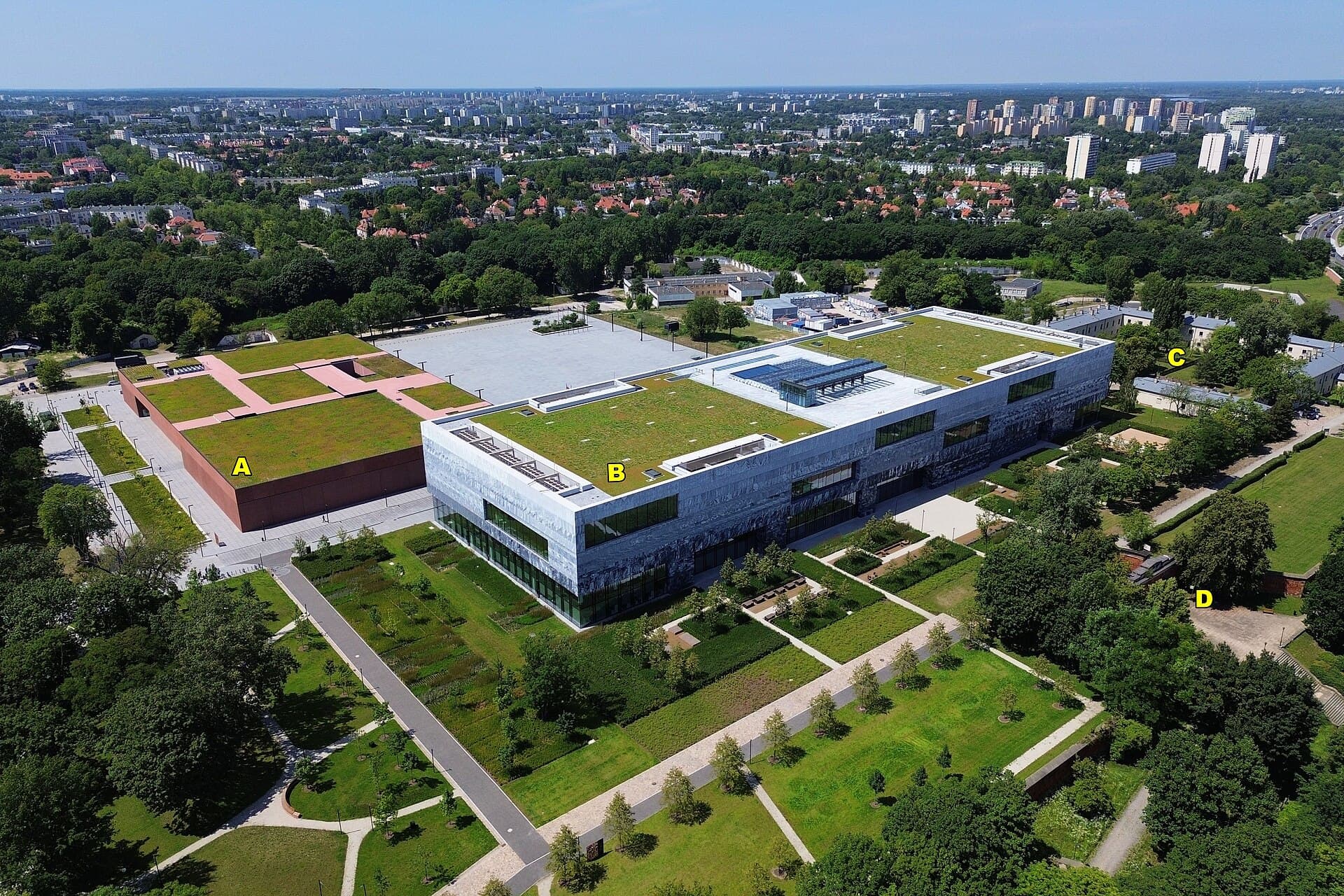 Polish Army MuseumThe museum of Polish military history, moved to its new home in the Warsaw Citad7 minutes walk4.5
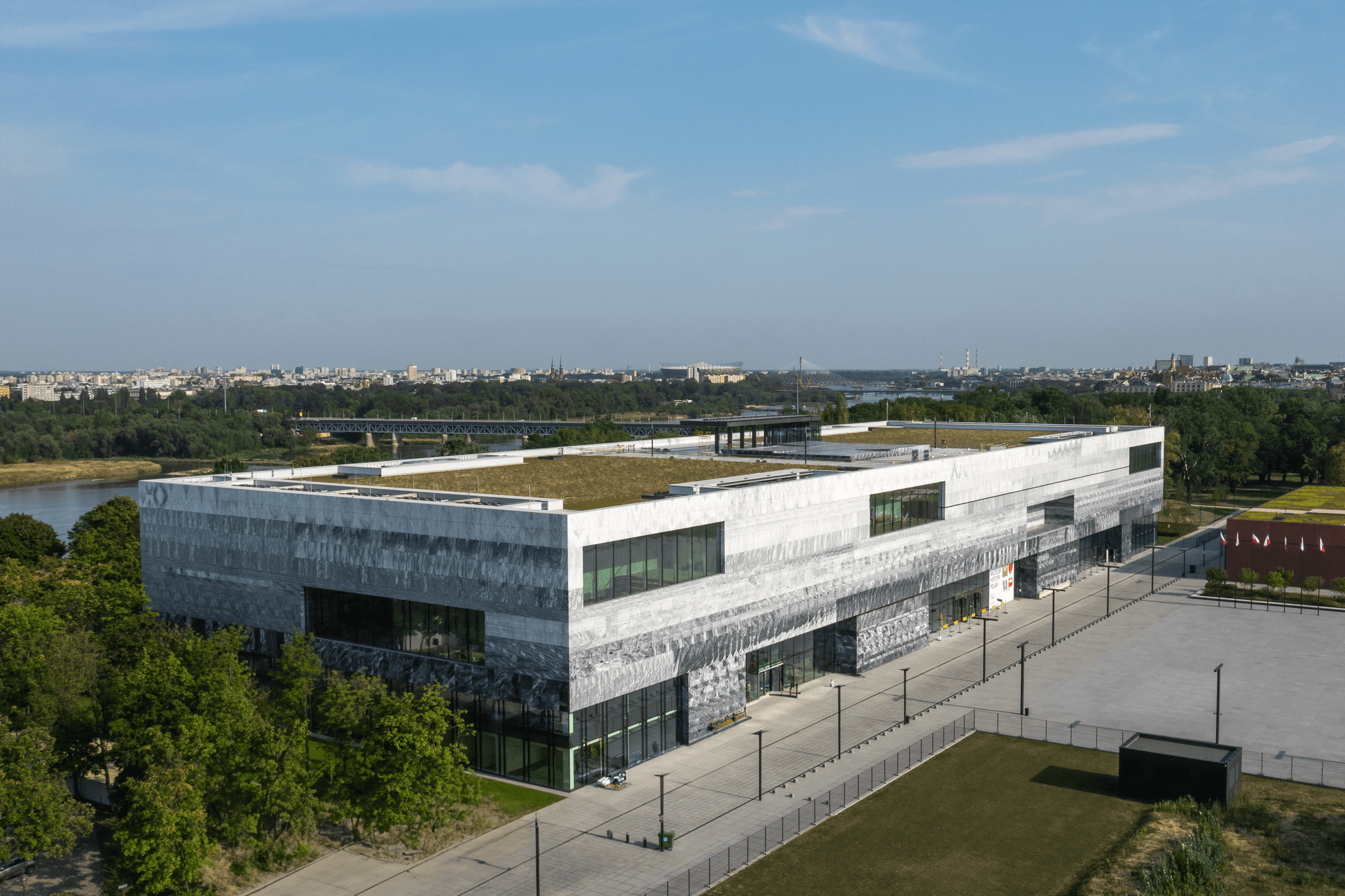 Polish History MuseumA vast national museum in the Warsaw Citadel, opened to the public in 2024 after8 minutes walk4.0
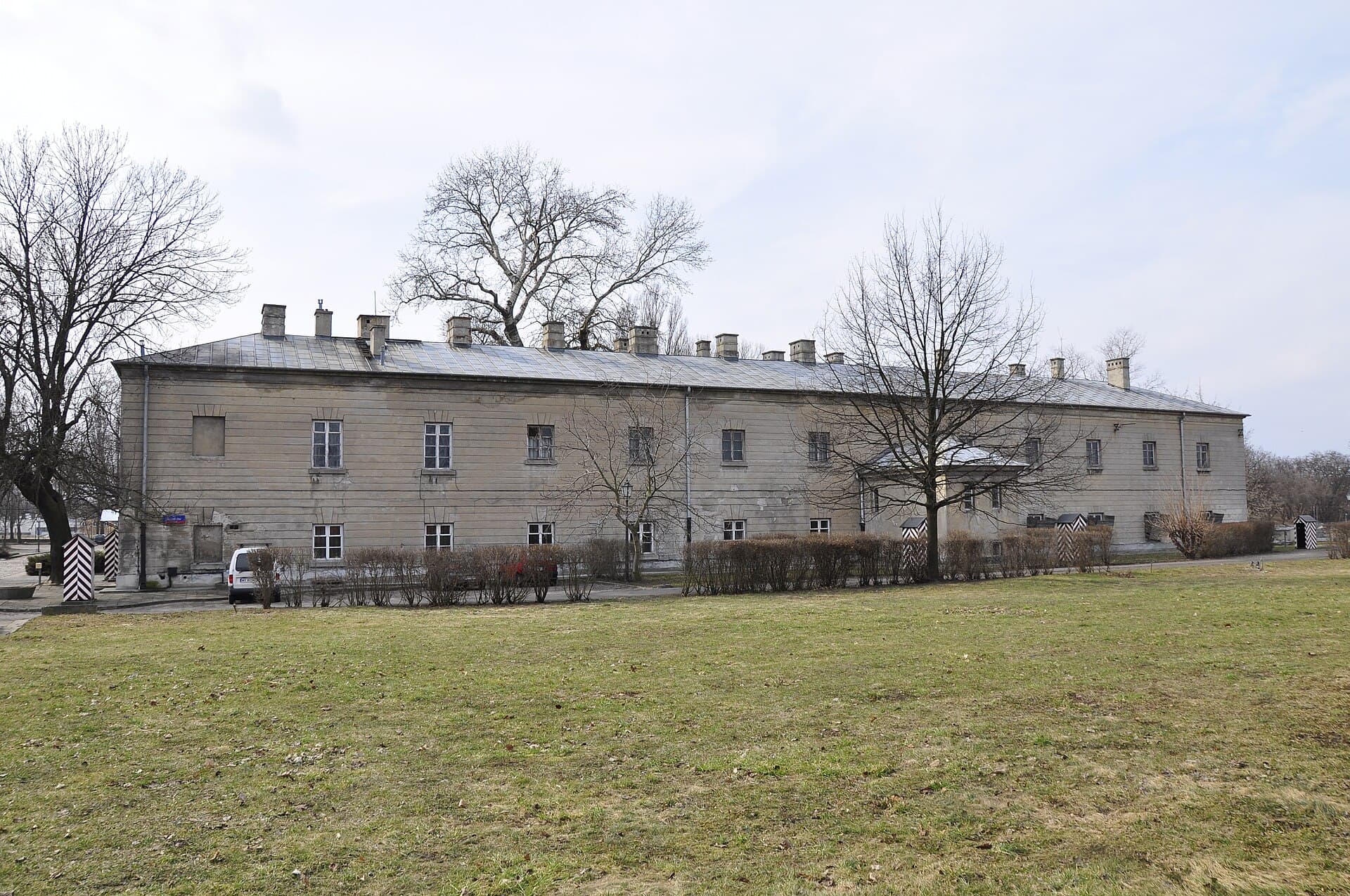 Tenth Pavilion Museum, Warsaw CitadelA former tsarist prison inside the Warsaw Citadel, now a museum on a century of 10 minutes walk4.4
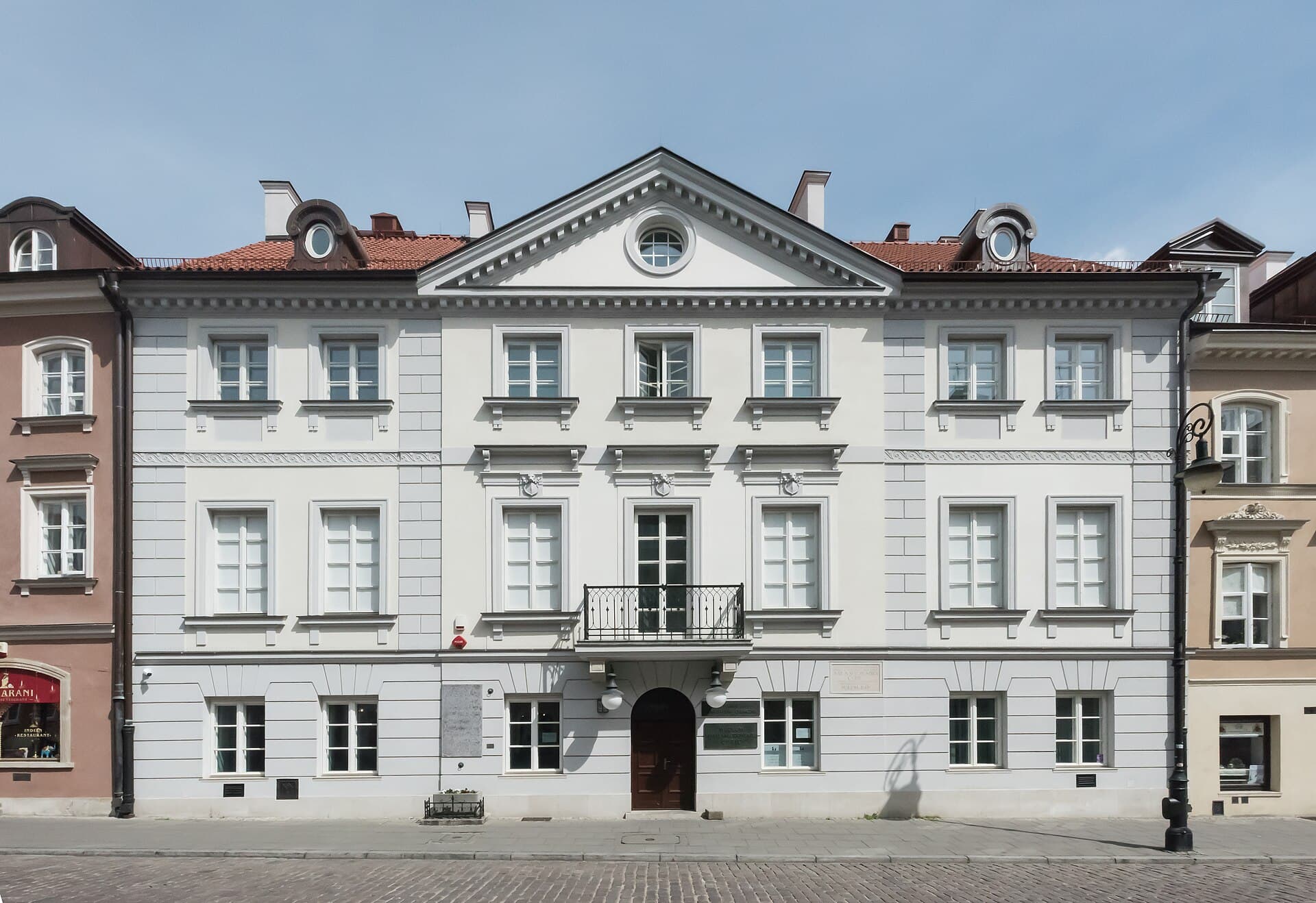 Maria Skłodowska-Curie MuseumA house in the New Town where Maria Skłodowska was born in 1867, known worldwide13 minutes walk4.4
Because it lasted half a century and was enforced. In communist Poland saying the Soviets were responsible was a crime, and the victims' families were barred from mourning publicly or even stating the truth. When Moscow finally acknowledged it in 1990, the admission was not merely a historical correction but the collapse of a pillar of the official narrative the country had lived under.
Three museums on one site: the Katyń Museum, the Tenth Pavilion Museum on the tsarist prison and the exiles to Siberia, and the Polish Army Museum, which has moved to the citadel. All three together make a full and heavy day. With limited time, the Katyń Museum is the strongest in design and effect.