
The walls
Over Guajará Bay.
Celso Abreu from Belém, Brasil — CC BY 2.0 · Roberto de vasconcel… — CC BY-SA 3.0 · Fernando Dall'Acqua — CC BY 2.0 · Joao Paulo Bessa Brito — CC BY-SA 4.0
The Forte do Presépio, later called the Forte do Castelo, was built in 1616 by Francisco Caldeira Castelo Branco at Mairi Point, where the Guamá River meets Guajará Bay; its construction marked the founding of the settlement of Feliz Lusitânia, today's Belém, and the start of Portuguese rule in the eastern Amazon. It commanded the port entrance and the navigation channel. The first stockade was damaged in the Tupinambá revolt and replaced by rammed-earth walls, and a stronger structure followed in 1621. After serving as an arsenal, hospital and military club, it is now part of the Feliz Lusitânia heritage complex, listed since 1962, with a museum. Tickets cost R$4, free on Tuesdays; Tuesday to Friday 10:00-17:00, weekends 9:00-13:00, closed Mondays.
Over Guajará Bay.
The city's origins.
Feliz Lusitânia.
Praça Frei Caetano Brandão, Cidade Velha, Belém
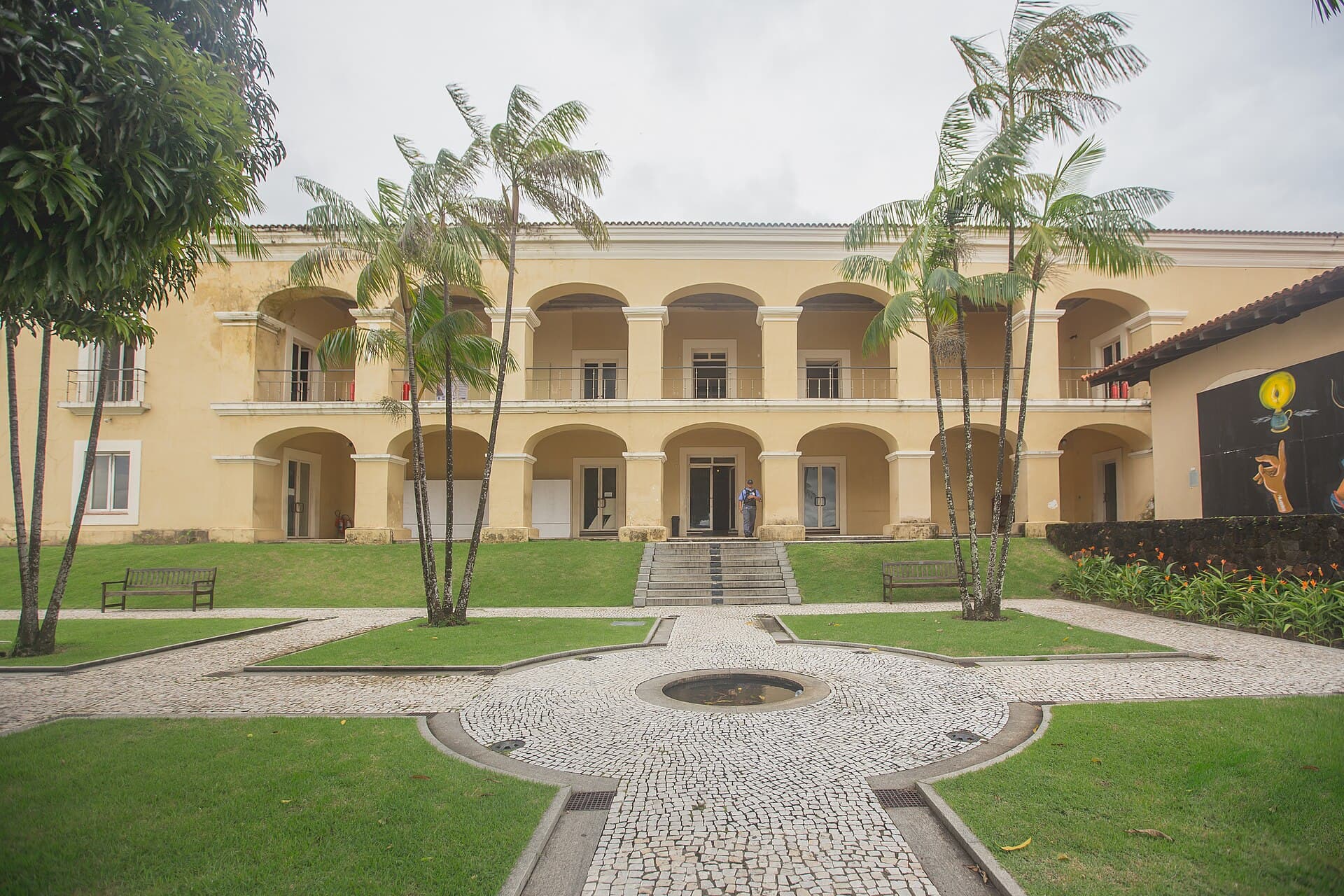 Casa das Onze JanelasThe House of the Eleven Windows is an 18th-century mansion in Belém's original c1 minute walk4.8
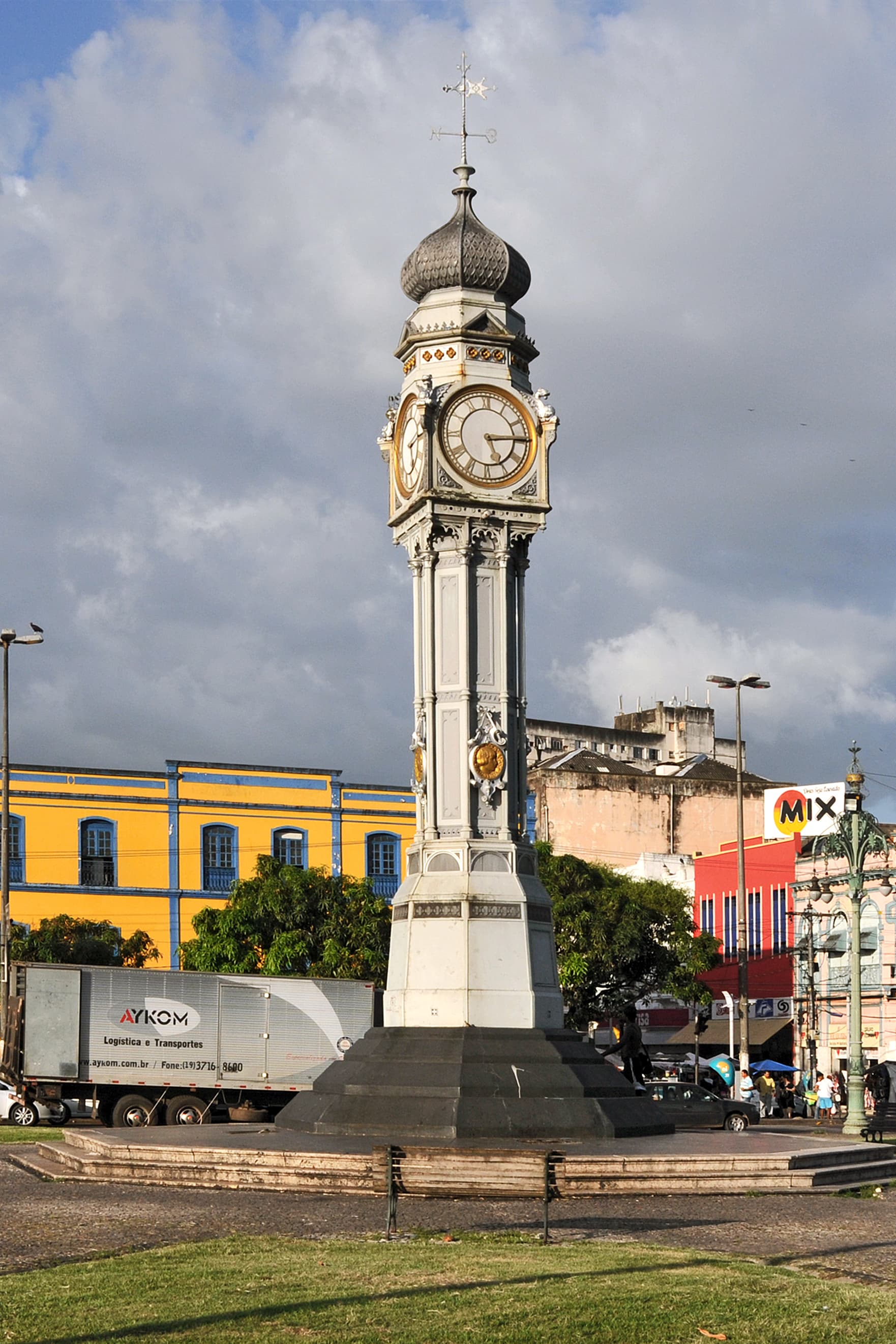 Praça do Relógio (Belém)The Clock Square, officially Praça Siqueira Campos, is a small square on the Ver2 minutes walk4.1
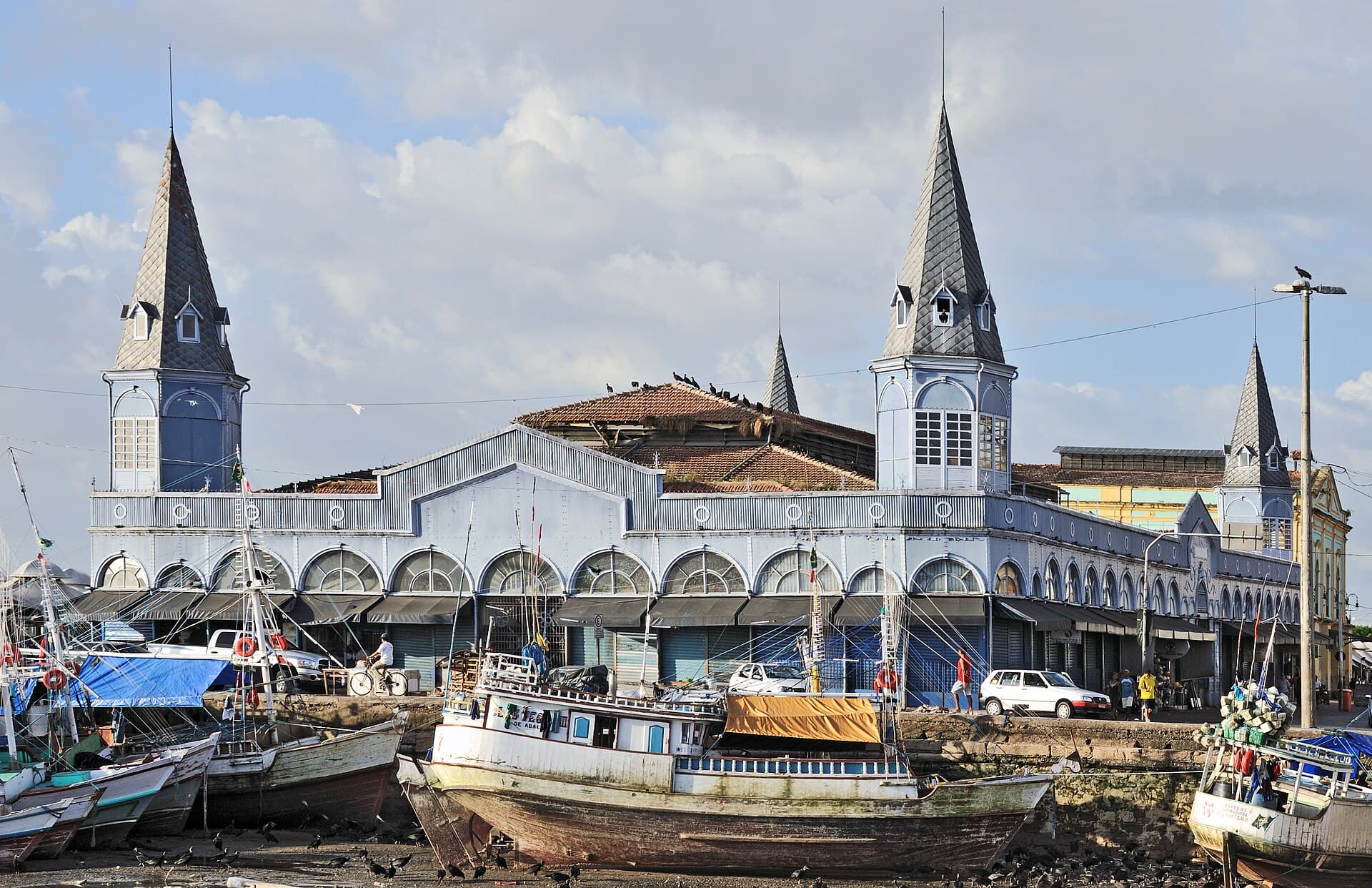 Ver-o-Peso MarketVer-o-Peso is the most famous market of the Amazon and one of Brazil's oldest, o3 minutes walk4.5
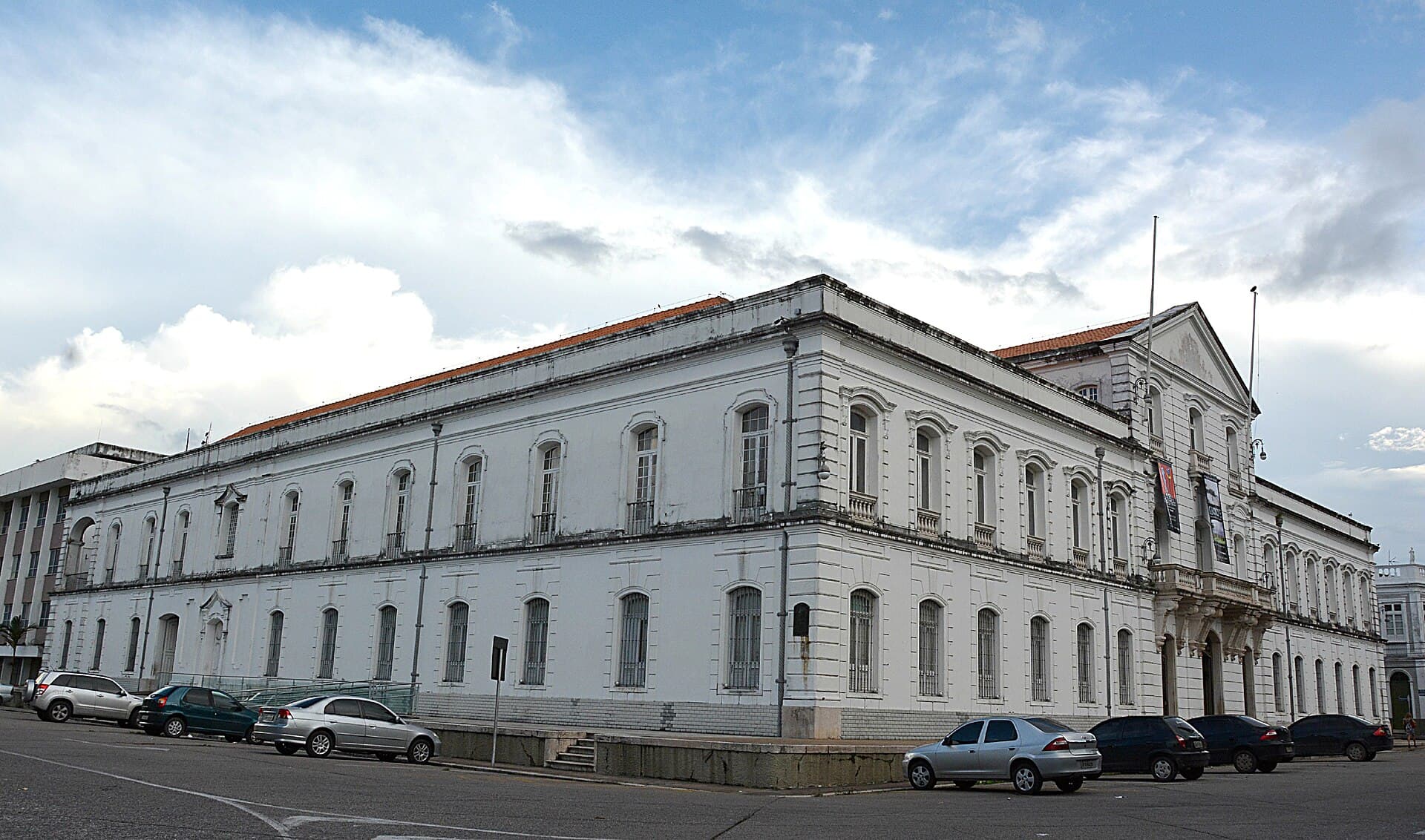 Palácio Lauro Sodré (Pará State Museum)The Lauro Sodré Palace, also known as the Government Palace, is a public buildin4 minutes walk4.5
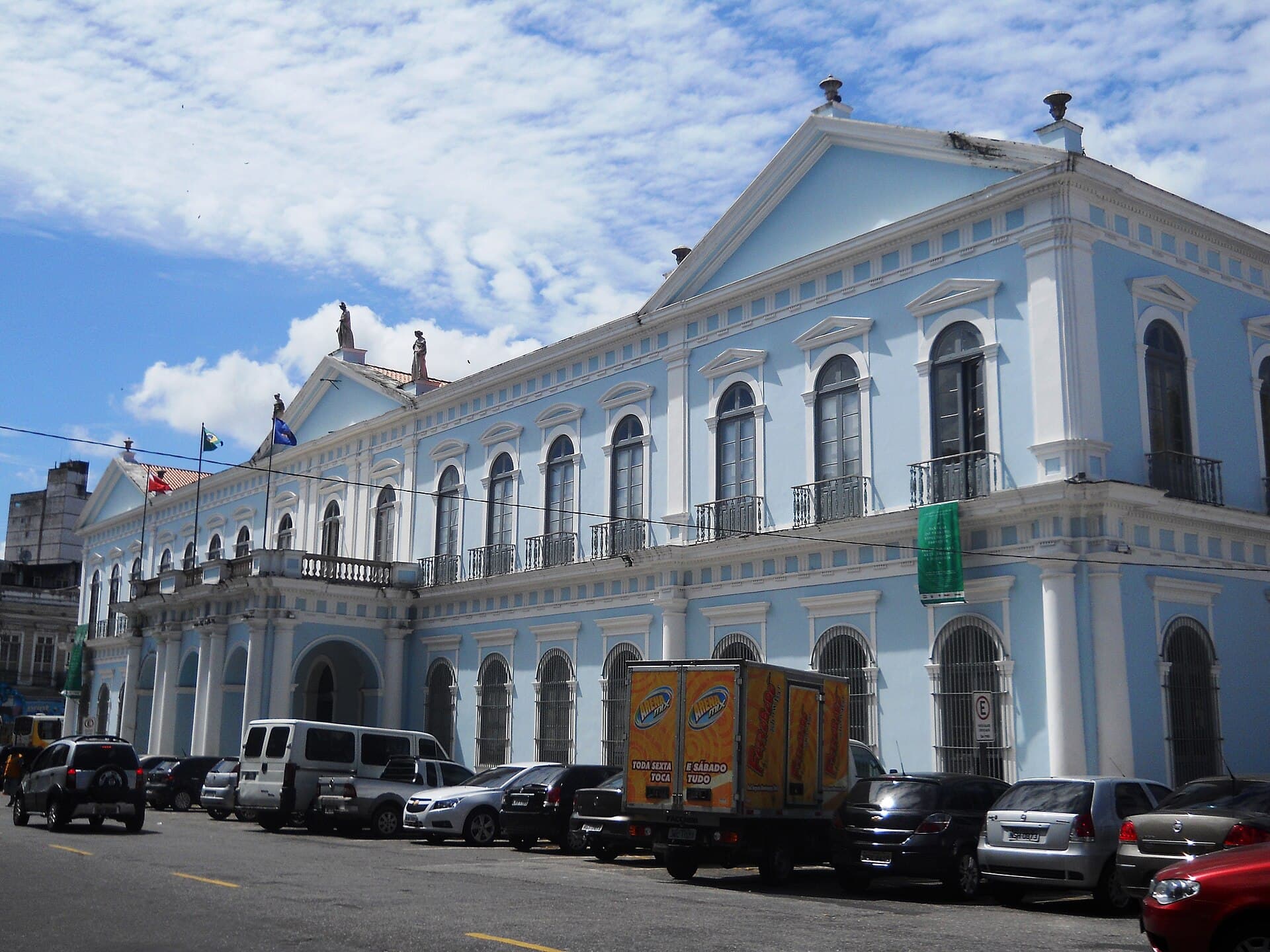 Palácio Antônio Lemos (Belém Art Museum)The Antônio Lemos Palace, first known as the «Blue Palace» for the colour of its4 minutes walk4.8
Its construction in 1616 marked the founding of Belém and the start of Portuguese rule in the eastern Amazon.