
Grand rooms
1911 decoration.
JLPizzol — CC BY-SA 4.0 · Celso Abreu from Belém, Brasil — CC BY 2.0 · Roberto de vasconcel… — CC BY-SA 3.0 · UserSocorrosimonetti and edited by -- RTA — CC BY-SA 4.0 · JLPizzol — CC BY-SA 4.0
The Antônio Lemos Palace, first known as the «Blue Palace» for the colour of its façade, is a public building José da Gama Abreu put up in 1860 in a late neoclassical style in Belém's Cidade Velha, in the rubber-boom years. It was enlarged in 1883, and in 1911 it was furnished and decorated in European fashion with work by artists such as Teodoro Braga, to rival the palaces of Rio de Janeiro and São Paulo. It was renamed in the 1950s after Antônio Lemos, the city's intendant from 1897 to 1911, who led its modernisation and planning in the golden age of rubber. Since 1994 it has housed both Belém's city hall and the Belém Art Museum, whose grand rooms show paintings, furniture and objects from the city's history and its artists. The palace sits at the heart of a protected heritage group that includes the Ver-o-Peso dock, Clock Square and the Government Palace, and it fits one walk with the Ver-o-Peso market and the Presépio fort. Check the museum's opening times before you visit.
1911 decoration.
Belém's history.
Near Ver-o-Peso.
Praça Dom Pedro II, Cidade Velha, Belém
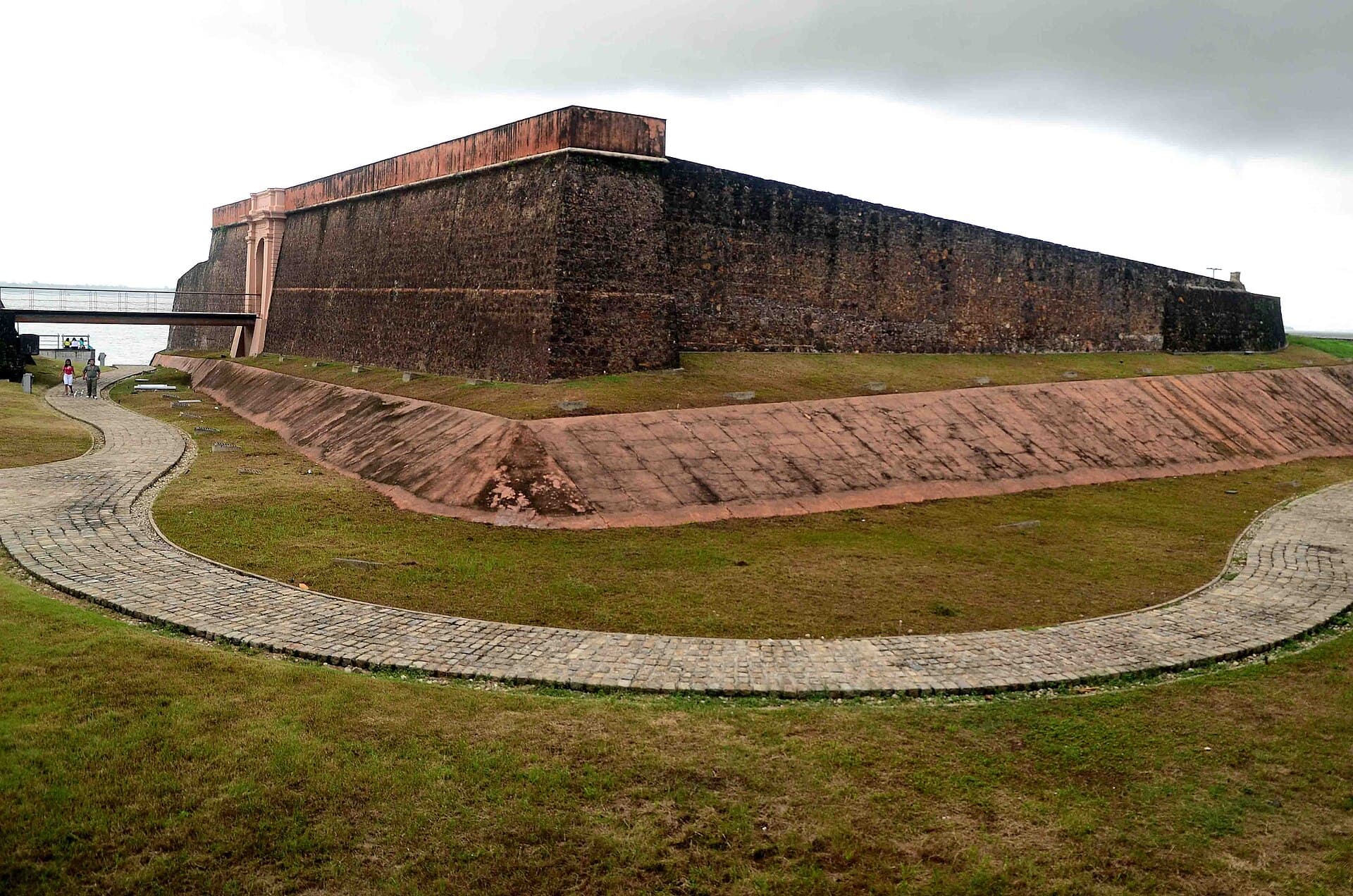 Forte do PresépioThe Forte do Presépio, later called the Forte do Castelo, was built in 1616 by F4 minutes walk4.6
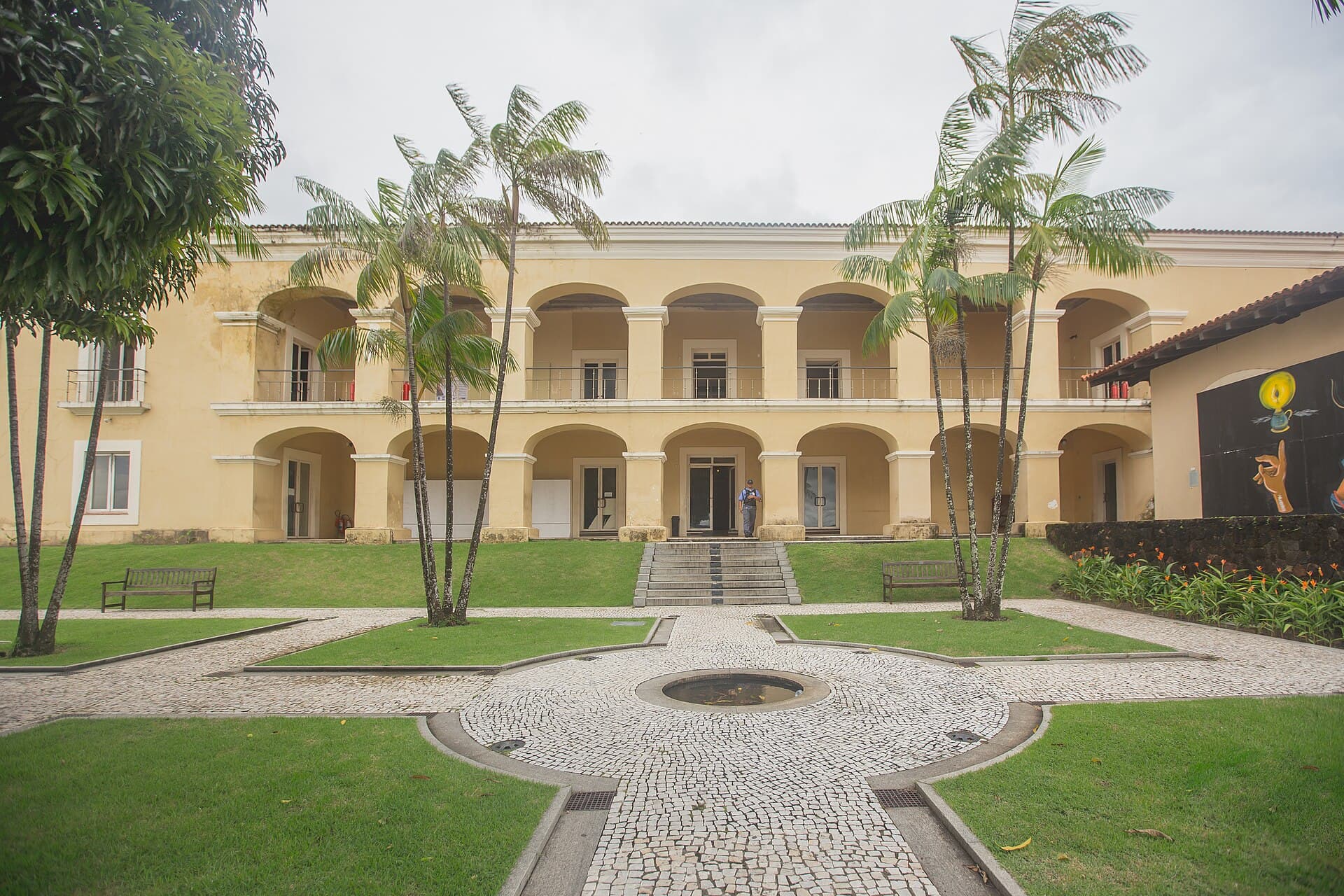 Casa das Onze JanelasThe House of the Eleven Windows is an 18th-century mansion in Belém's original c5 minutes walk4.8
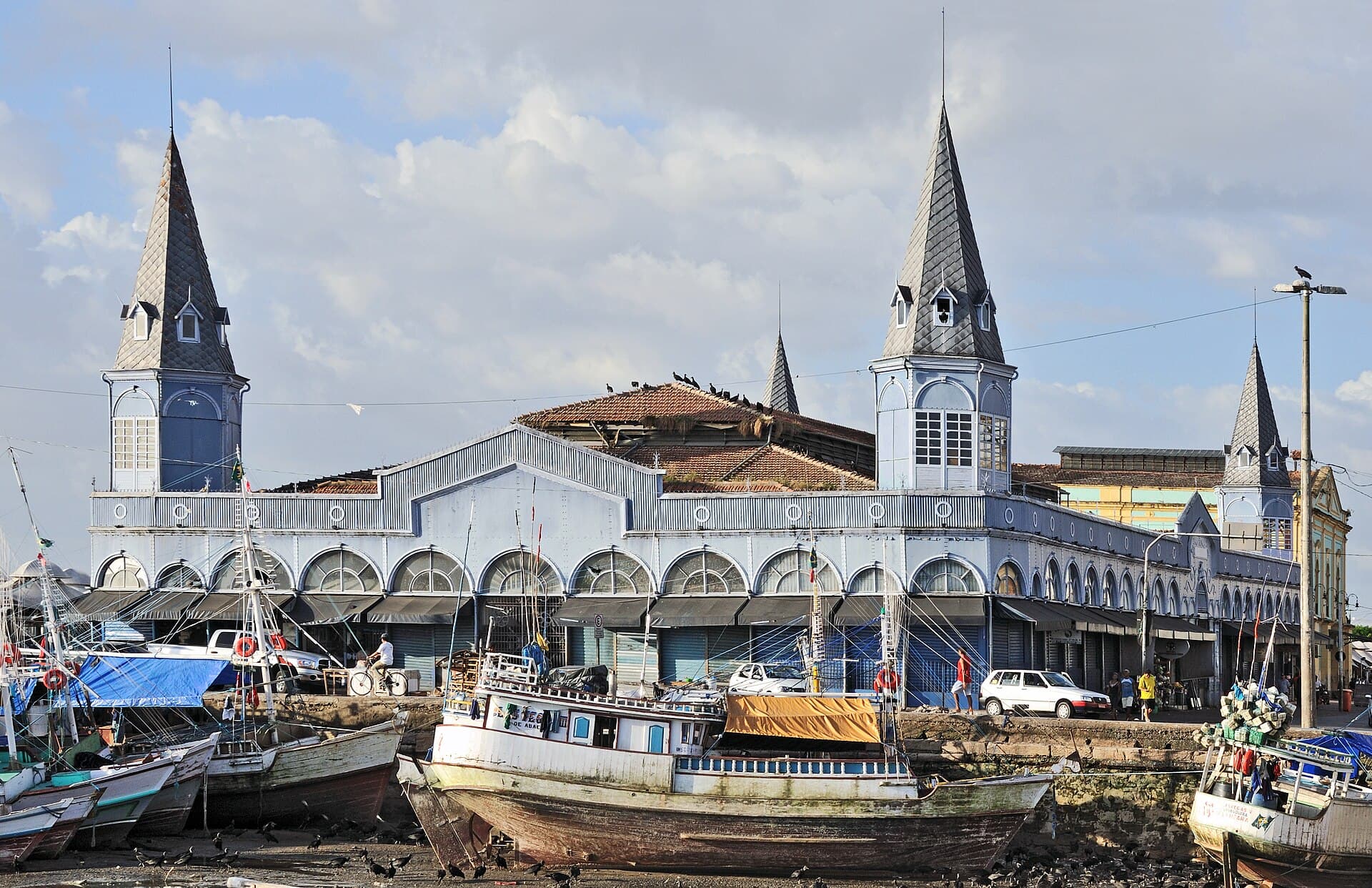 Ver-o-Peso MarketVer-o-Peso is the most famous market of the Amazon and one of Brazil's oldest, o5 minutes walk4.5
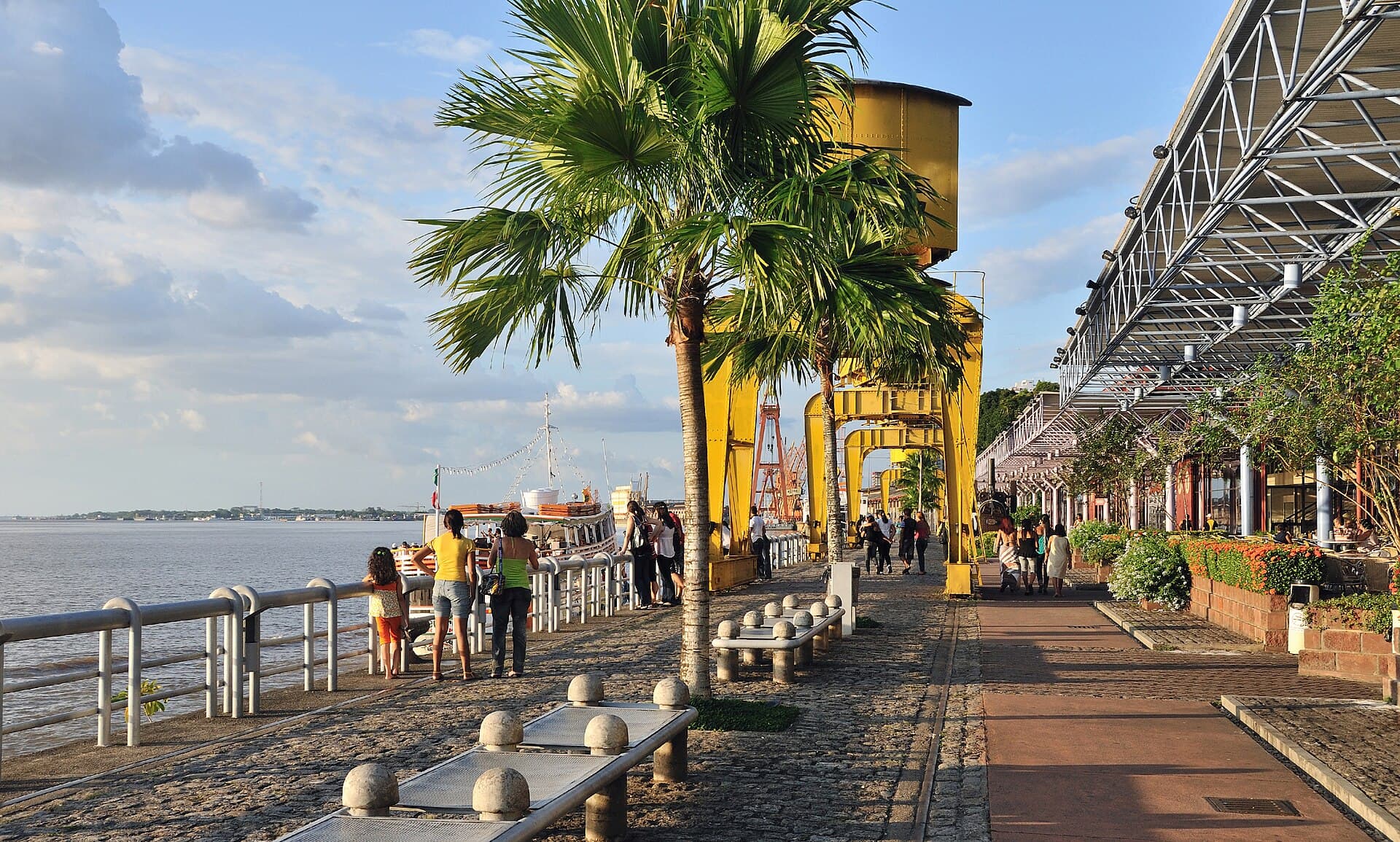 Estação das DocasEstação das Docas is a leisure complex on the Guajará Bay waterfront, created by12 minutes walk4.9
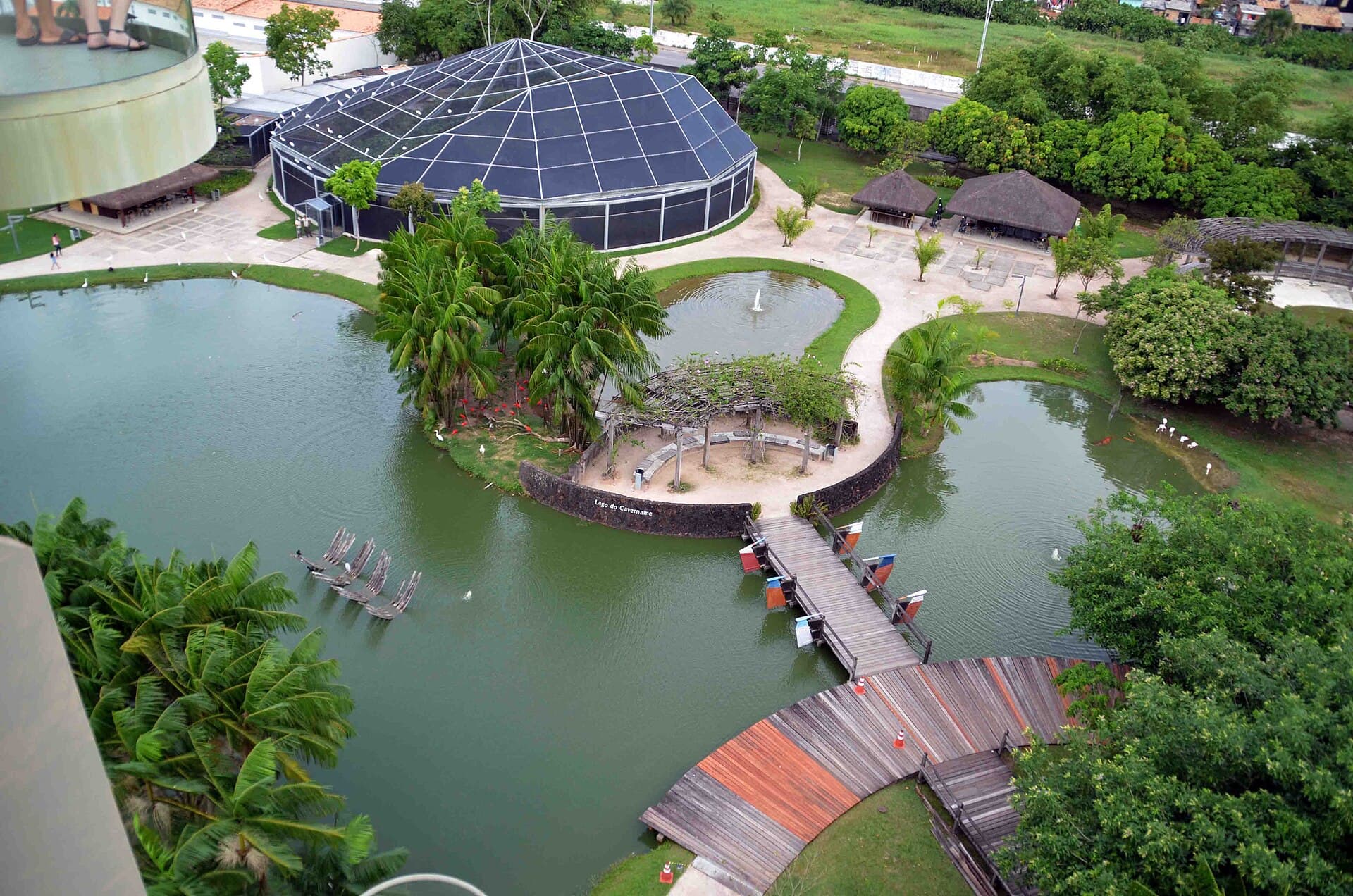 Mangal das GarçasMangal das Garças, Mangrove of the Herons, is a nature park opened on 12 January12 minutes walk4.9
Belém's city hall and the Belém Art Museum since 1994, in rooms decorated in 1911.