
The courtyard and stone divan
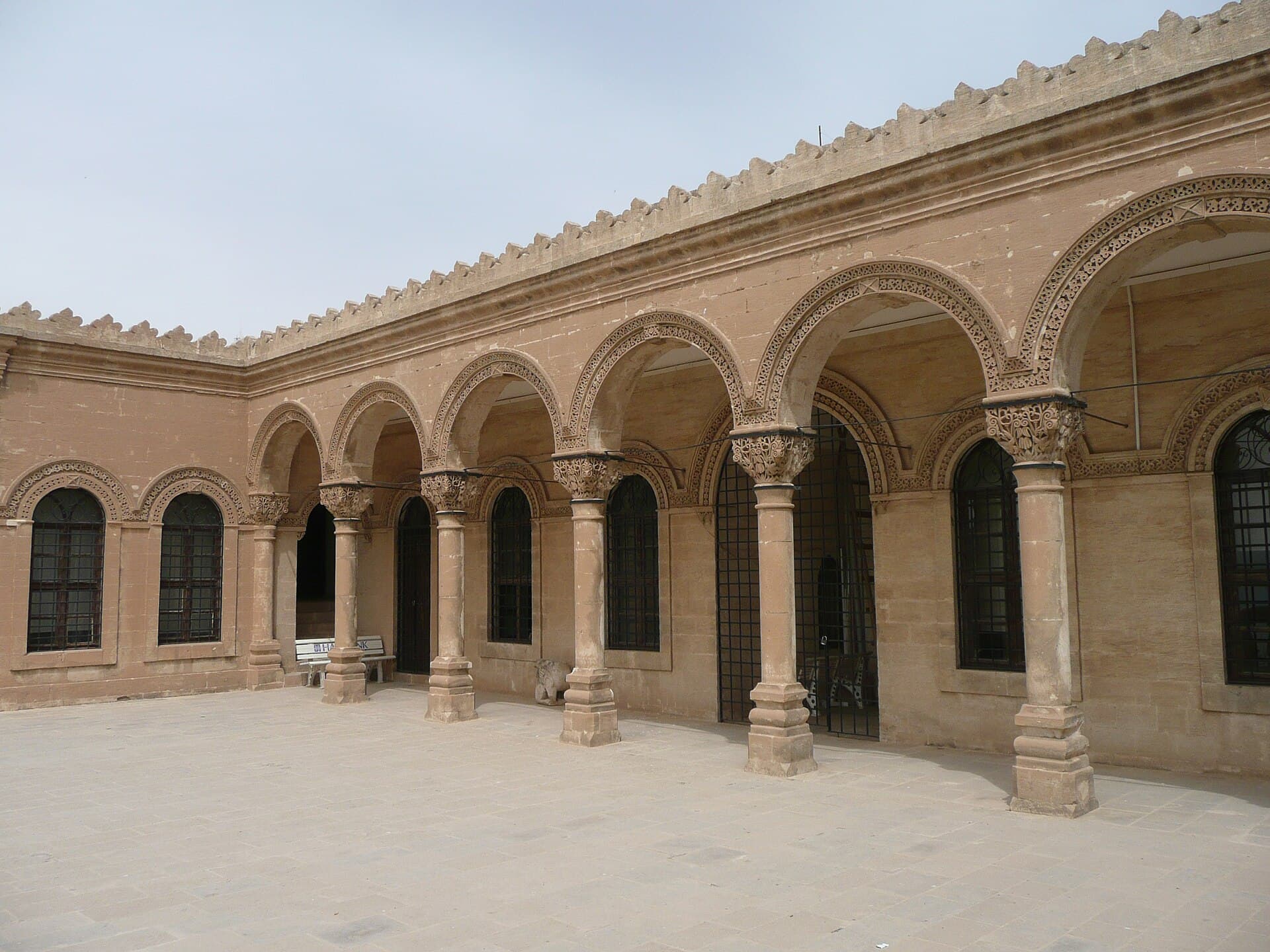
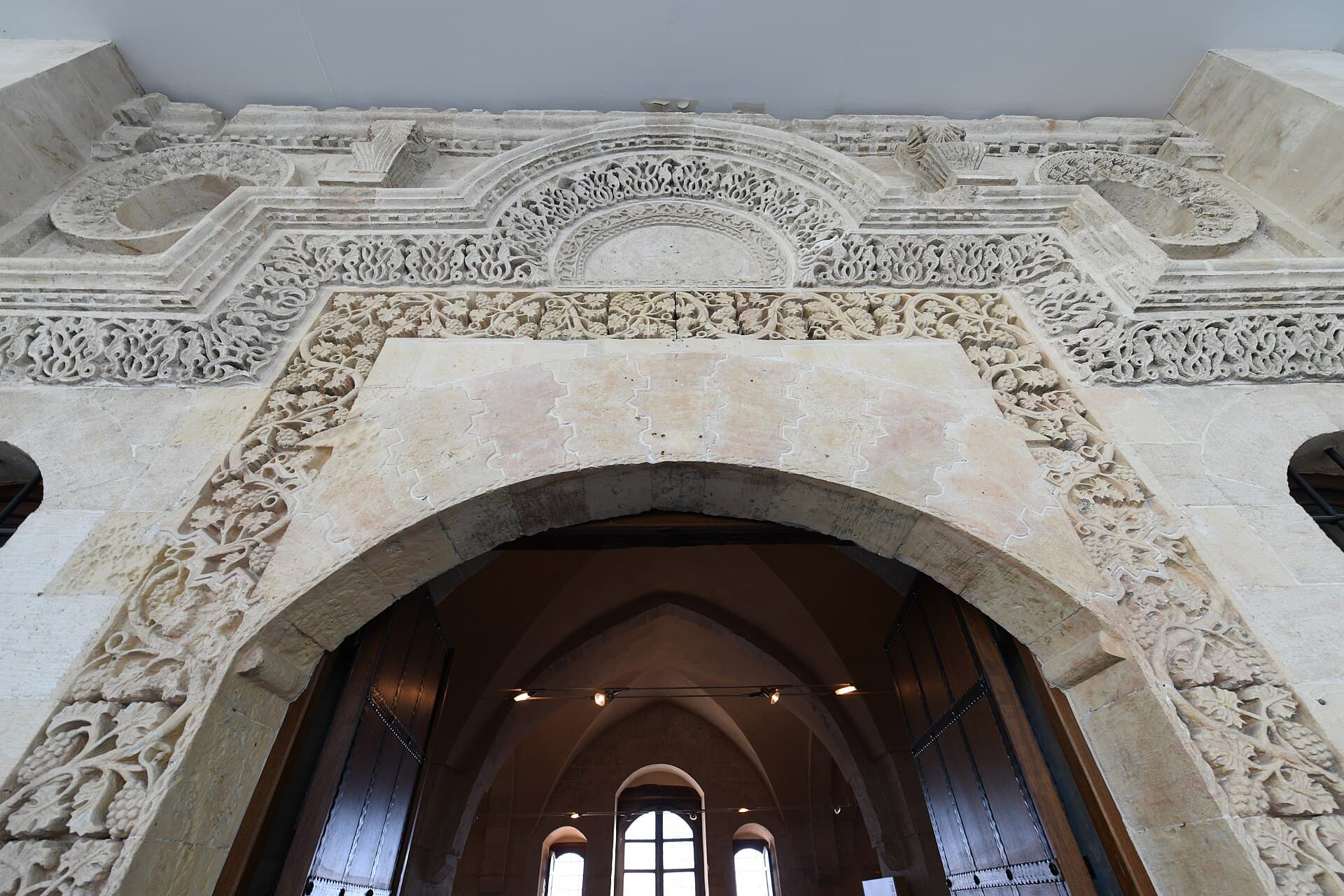
A broad honey-stone courtyard under the bell tower, with a lace-fine carved divan that is the best single thing here.
Prayers have been said in this church since 569, a good seventy years before Islam reached the region, and Mardin's Syriac Orthodox community still gathers here every Sunday. So this is not a fossil with a ticket desk: it is the city seat of the Syriac Orthodox Metropolitan of Mardin, which means you may well arrive to find the door shut because a service is under way, and that is the most honest thing about the place. It was first dedicated to Saint Behnam and his sister Sarah; the name Forty Martyrs arrived in 1170, when the relics of the Forty Martyrs of Sebaste were moved here after the city's original church of that name had been turned into a mosque. You reach it from 1. Cadde, Mardin's main street, down a narrow side alley about ten minutes' walk west of Cumhuriyet Meydanı. The alley opens without warning onto a broad courtyard of honey-coloured stone, a bell tower rising over one side and a stone divan carved as finely as lace along another. Entry is a modest ticket of around 70 Turkish lira. Inside stand three altars side by side, wooden altar doors said to be four centuries old, and root-dyed printed curtains described locally as among the oldest textiles surviving in the region, all relics of the six centuries and more, from 1293 to the early twentieth century, when this was a patriarchal centre rather than a parish church. The courtesies are the obvious ones: modest dress, low voices, and interior photography that may be limited or refused depending on who is on duty. Half an hour covers it, so fold the church into a walking loop of old Mardin with the Ulu Cami and the Zinciriye Medrese, all within minutes of one another. Children are fine here, but expect stairs everywhere and nowhere to wheel a pushchair. In August heat go early; the church closes for lunch between noon and 13:30, and it may shut without notice on church feast days.
A broad honey-stone courtyard under the bell tower, with a lace-fine carved divan that is the best single thing here.
Three altars side by side, closed by carved wooden doors said to be four centuries old.
Still the Metropolitan's city seat, with a Sunday liturgy, rather than a museum.
Şar Mahallesi, 1. Cadde (Cumhuriyet Caddesi), Artuklu
 Mardin MuseumThe finest exhibit in Mardin Museum is the building it lives in. Patriarch Ignat3 minutes walk4.7
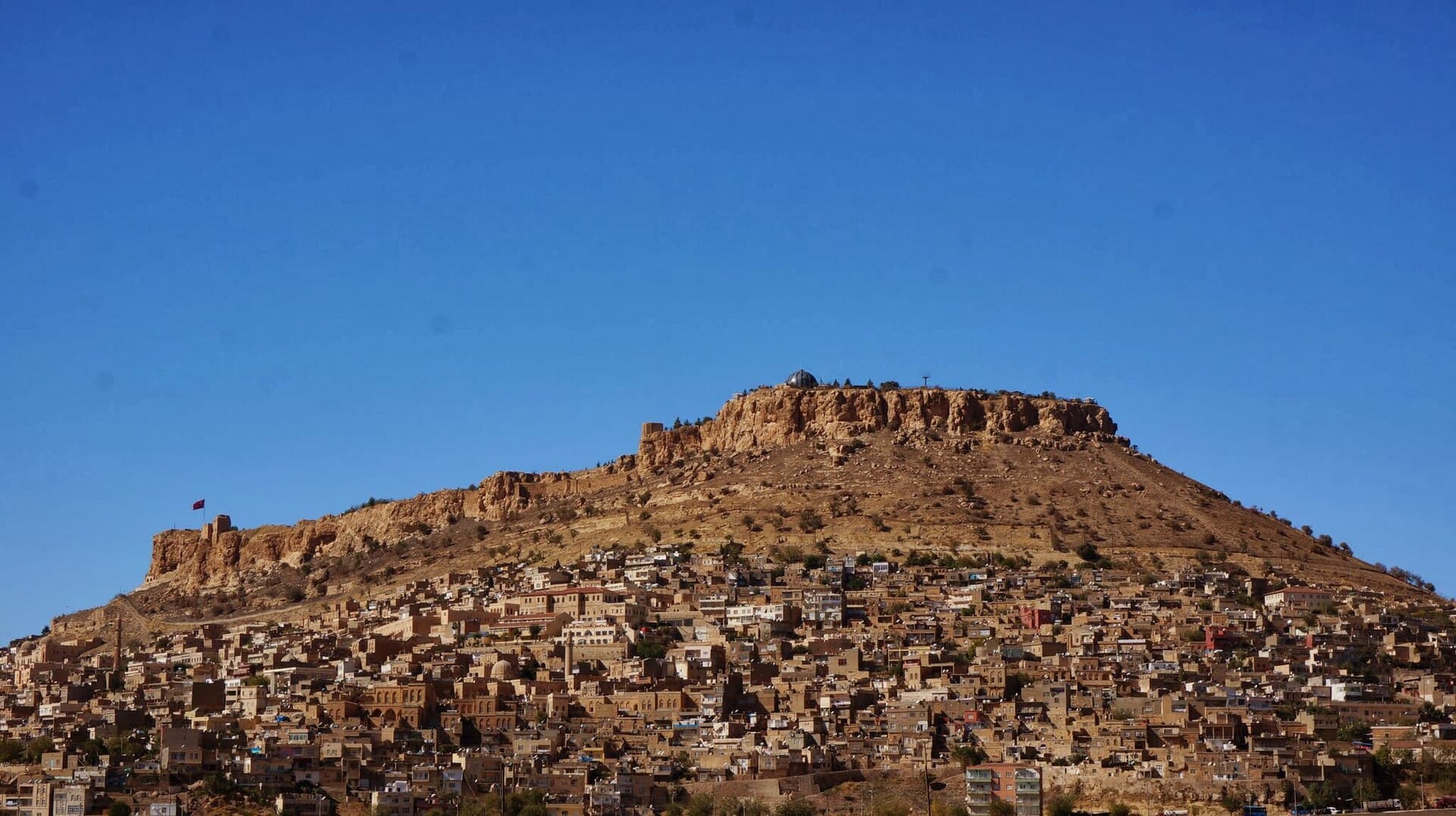 Old MardinFrom any rooftop in Old Mardin the Mesopotamian plain runs flat to the horizon u3 minutes walk4.8
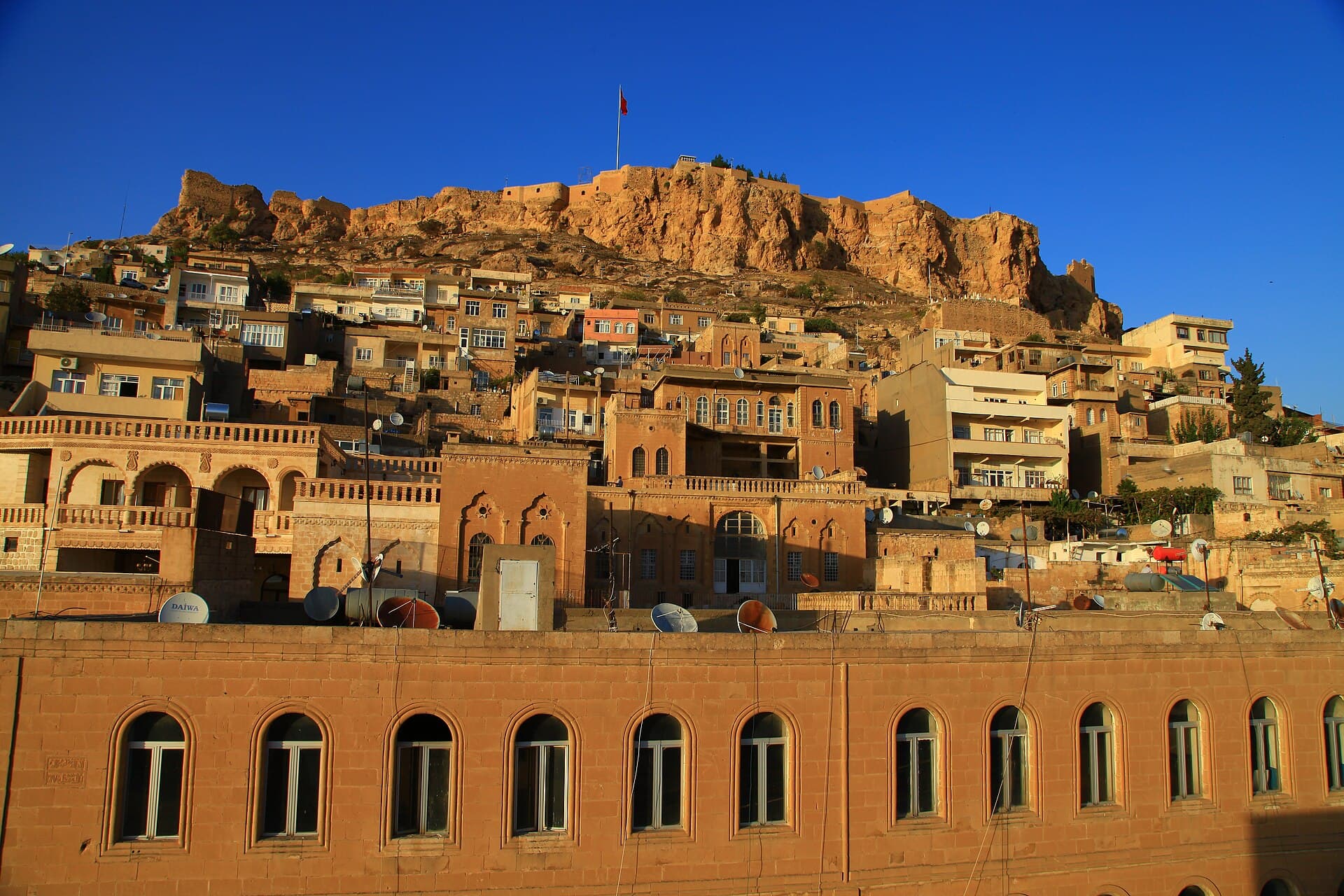 Mardin CastleMardin's most famous monument is the one nobody is allowed into. The castle the 7 minutes walk4.6
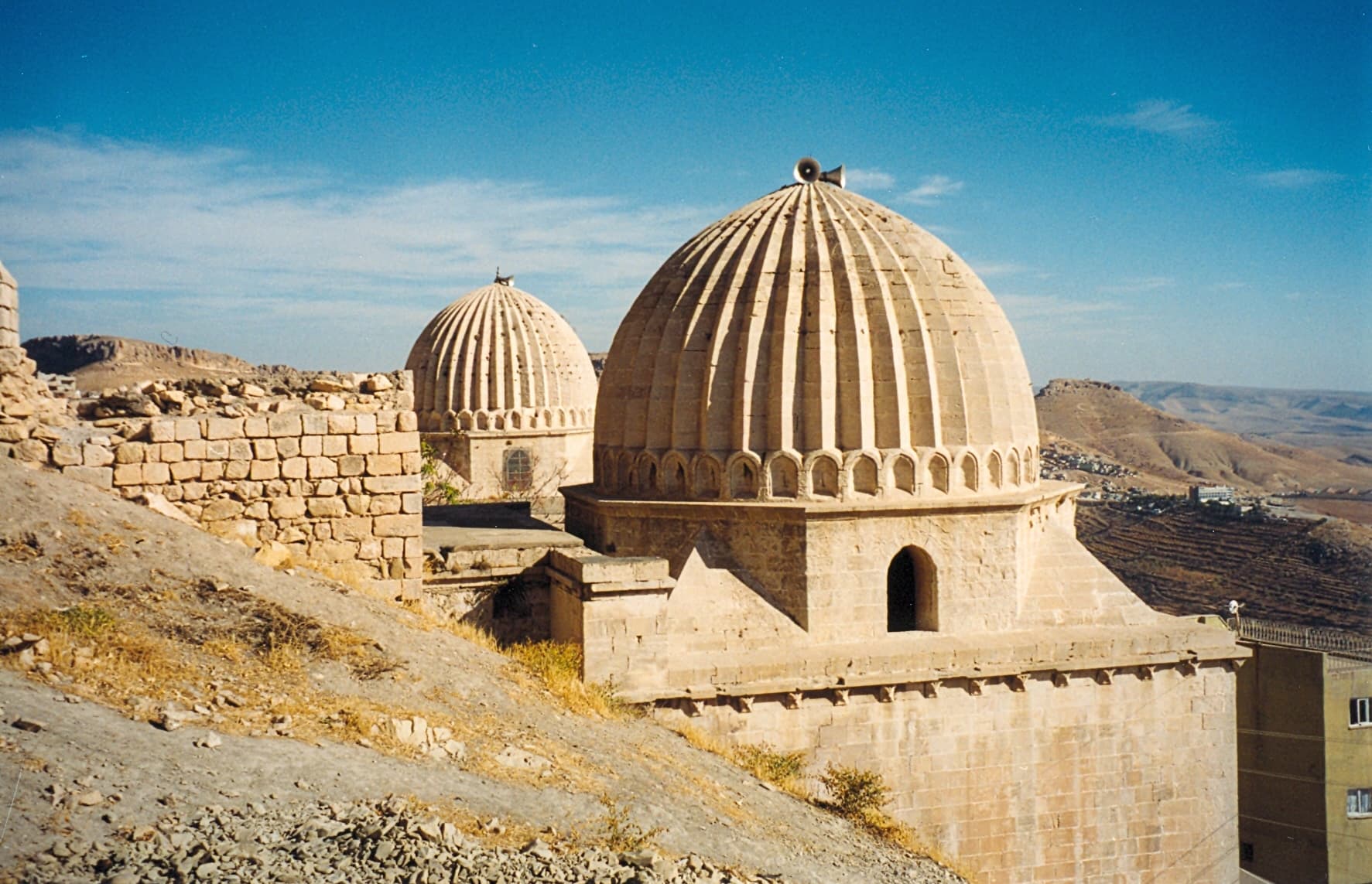 Zinciriye (Sultan Isa) MadrasaThe last Artuqid sultan of Mardin built this madrasa in 1385 and, as the town te8 minutes walk4.7
 Sakıp Sabancı Mardin City MuseumAt the entrance, in a large glass case against the barracks wall, sits a copper-15 minutes walk4.2
They are different propositions. This is a half-hour stop in the old town on a cheap ticket; Deyrulzafaran is some 6 km east of Mardin, needs a car or taxi, costs several times more (around 200 TRY at last check), and is far larger and richer. With one day in Mardin, take the church in your stride as you walk the main street, and make the monastery the visit you actually plan for.
Usually not before noon: the Sunday liturgy is held in the morning and the doors close to visitors while it runs. Pick another day of the week, or come on Sunday after 13:30.