
The Chevrolet Deluxe
Yahya Muin's copper-coloured 1950s taxi, preserved behind glass at the entrance with the story of the judges, deputies and brides it carried before his children gave it to the museum in 2019.
Dosseman — CC BY-SA 4.0 · Dosseman — CC BY-SA 4.0 · Dosseman — CC BY-SA 4.0 · Dosseman — CC BY-SA 4.0
At the entrance, in a large glass case against the barracks wall, sits a copper-coloured Chevrolet Deluxe from the early 1950s. Its owner, Yahya Muin Özyardımcı, had traded American cars since the 1930s, fetched this one from the port of İskenderun and drove it as a Mardin taxi for decades: judges, deputies and the Syriac metropolitan Hanna Dolabani rode in it, brides went to their weddings in it, and its fares sent his children to good schools. They gave it to the museum in 2019. That small story sets the tone: this is a museum about the people of Mardin and how they lived, not about its rulers and wars. The building is a cavalry barracks of 1889, raised under Abdülhamid II - long, narrow, cross-vaulted in the local honey-coloured stone - at the eastern end of 1. Cadde, the old Hükümet Caddesi; it later did duty as the tax office. The Sabancı Foundation restored it and opened it as a museum on 1 October 2009. The lower floor holds the Dilek Sabancı Art Gallery with rotating exhibitions; the upper floor is the city museum proper: wedding dress, the tools of goldsmiths, coppersmiths, weavers and soap-makers, reconstructed domestic rooms, and gravestones of different faiths that tell how Muslims, Syriacs, Armenians and Yazidis shared one hillside town, with archive film and photographs woven through. Make it your first stop before you lose yourself in the old town's alleys: an hour here decodes what you will later see in the stone houses and bazaars, and the terrace looks out over the Mesopotamian plain towards Syria. It works with children because it is short and air-conditioned, and in the July-August heat, when the thermometer passes 40°C, it is a welcome refuge. Expect steps at the entrance and stairs to the upper floor; pushchairs need a helping hand. Do not expect a large museum: the collection is modest, labels are mainly Turkish and English, and if you have only a few hours in Mardin, Deyrulzafaran and the Zinciriye Medrese come first. If you are staying a night or more, it is the best introduction to the city, and for very little money.
Yahya Muin's copper-coloured 1950s taxi, preserved behind glass at the entrance with the story of the judges, deputies and brides it carried before his children gave it to the museum in 2019.
The long 1889 building with its stone cross-vaults is worth a look in its own right, and its terrace opens onto the Mesopotamian plain.
Wedding dress, craftsmen's tools, reconstructed rooms and gravestones explain multi-faith Mardin in a single hour.
Gül Mah., 1. Cadde (Eski Hükümet Cd.), Artuklu, 47100 Mardin
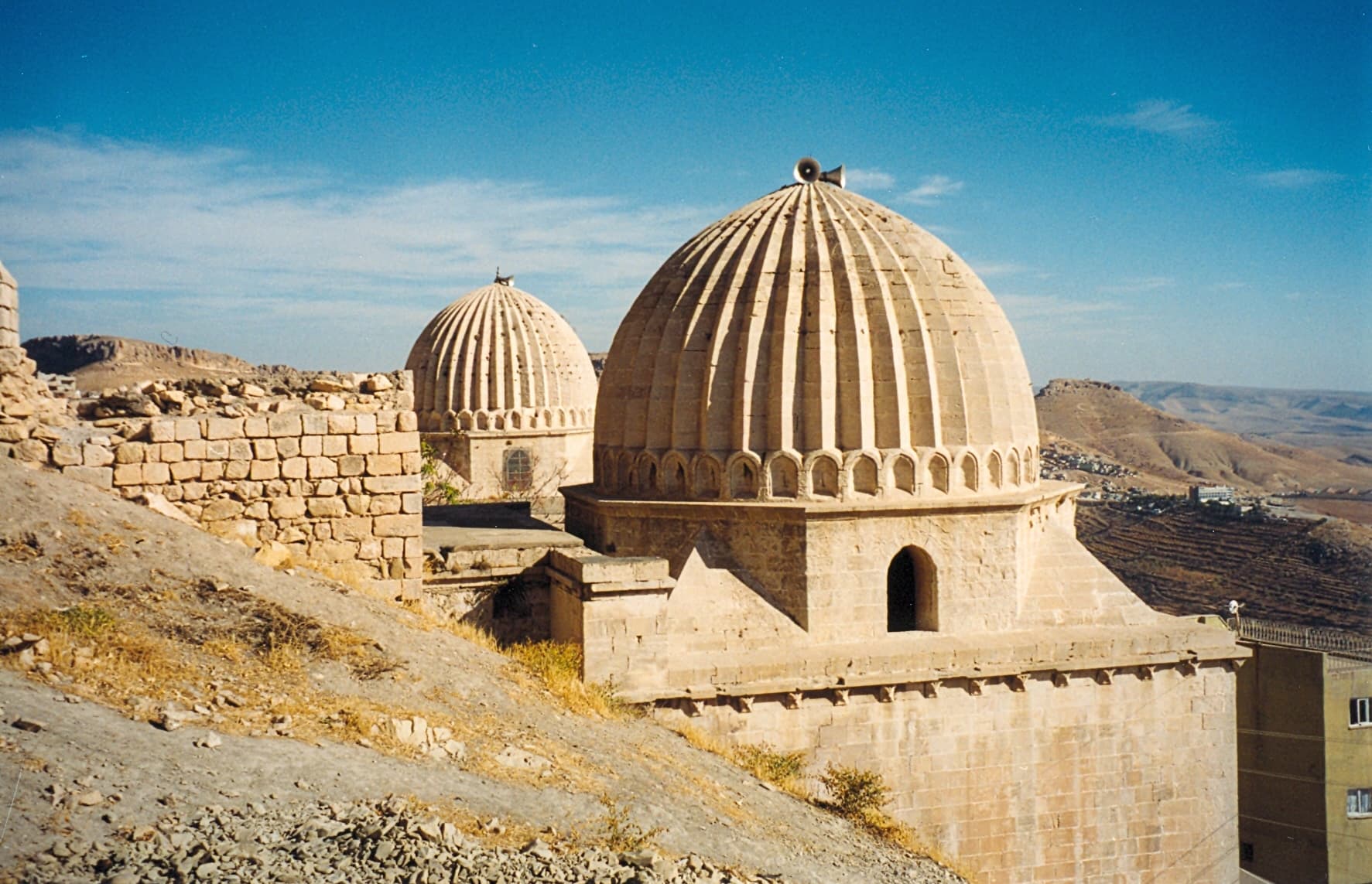 Zinciriye (Sultan Isa) MadrasaThe last Artuqid sultan of Mardin built this madrasa in 1385 and, as the town te7 minutes walk4.7
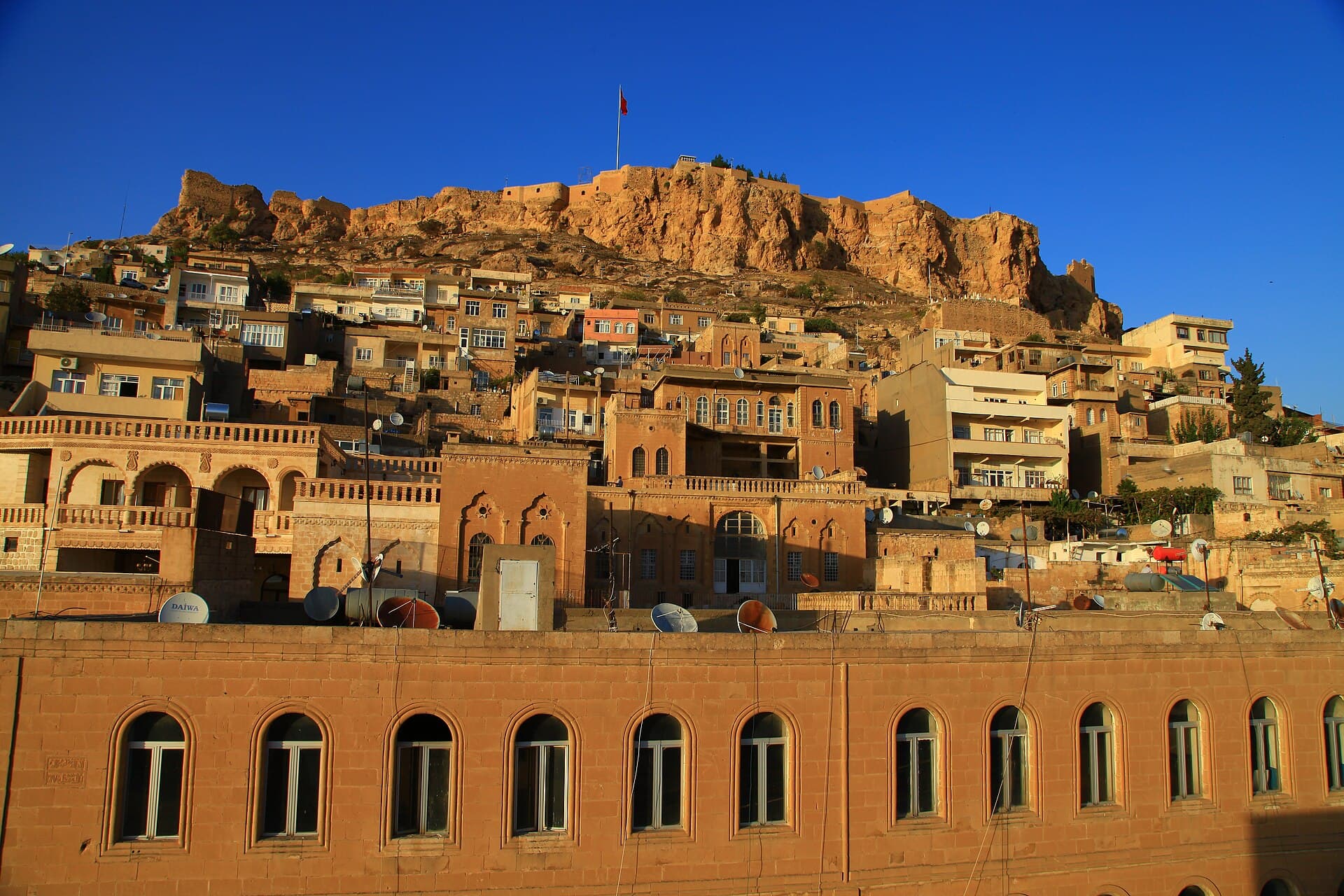 Mardin CastleMardin's most famous monument is the one nobody is allowed into. The castle the 9 minutes walk4.6
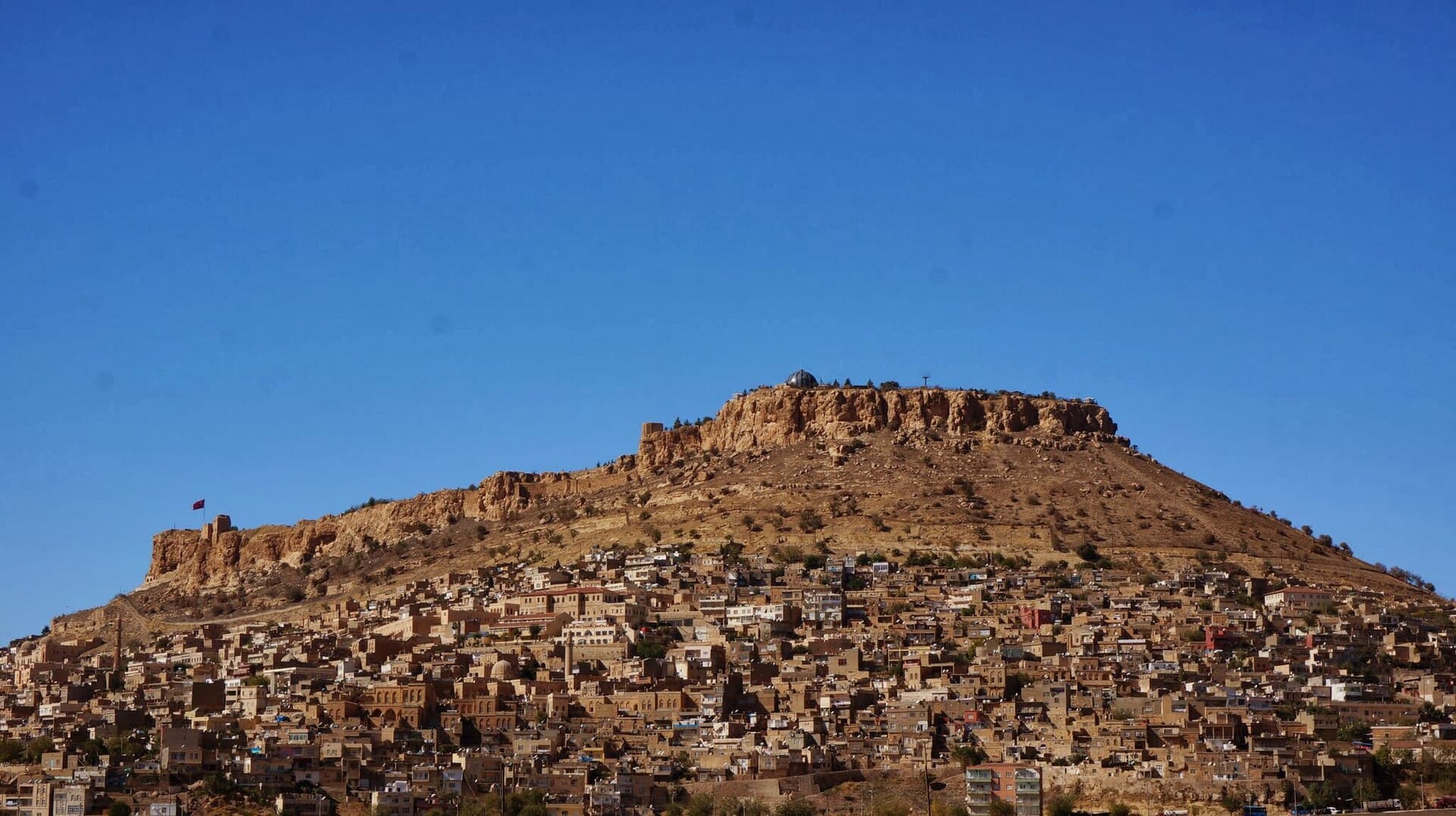 Old MardinFrom any rooftop in Old Mardin the Mesopotamian plain runs flat to the horizon u12 minutes walk4.8
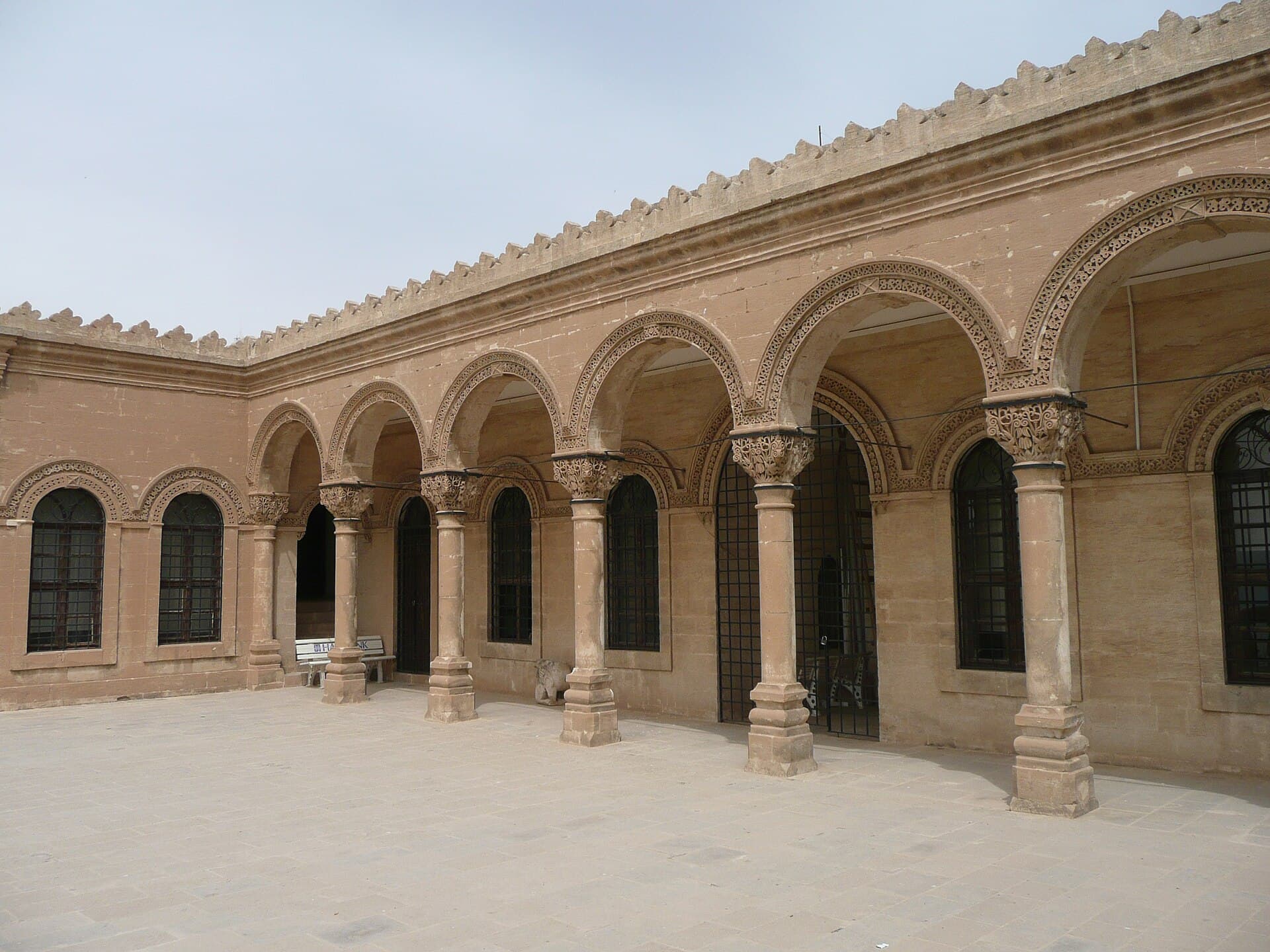 Mardin MuseumThe finest exhibit in Mardin Museum is the building it lives in. Patriarch Ignat13 minutes walk4.7
 Church of the Forty Martyrs (Mor Behnam)Prayers have been said in this church since 569, a good seventy years before Isl15 minutes walk4.4
With one day, visit only if it can be your first stop in the morning for about an hour; otherwise skip it for Deyrulzafaran, the Zinciriye and Kasımiye medreses and the old bazaar - the town itself is the bigger museum.
Yes - it is short and air-conditioned, and the old car and reconstructed rooms hold them better than the panels do, but there are no children's activities as such, and stairs separate the two floors.