
The patriarchate palace
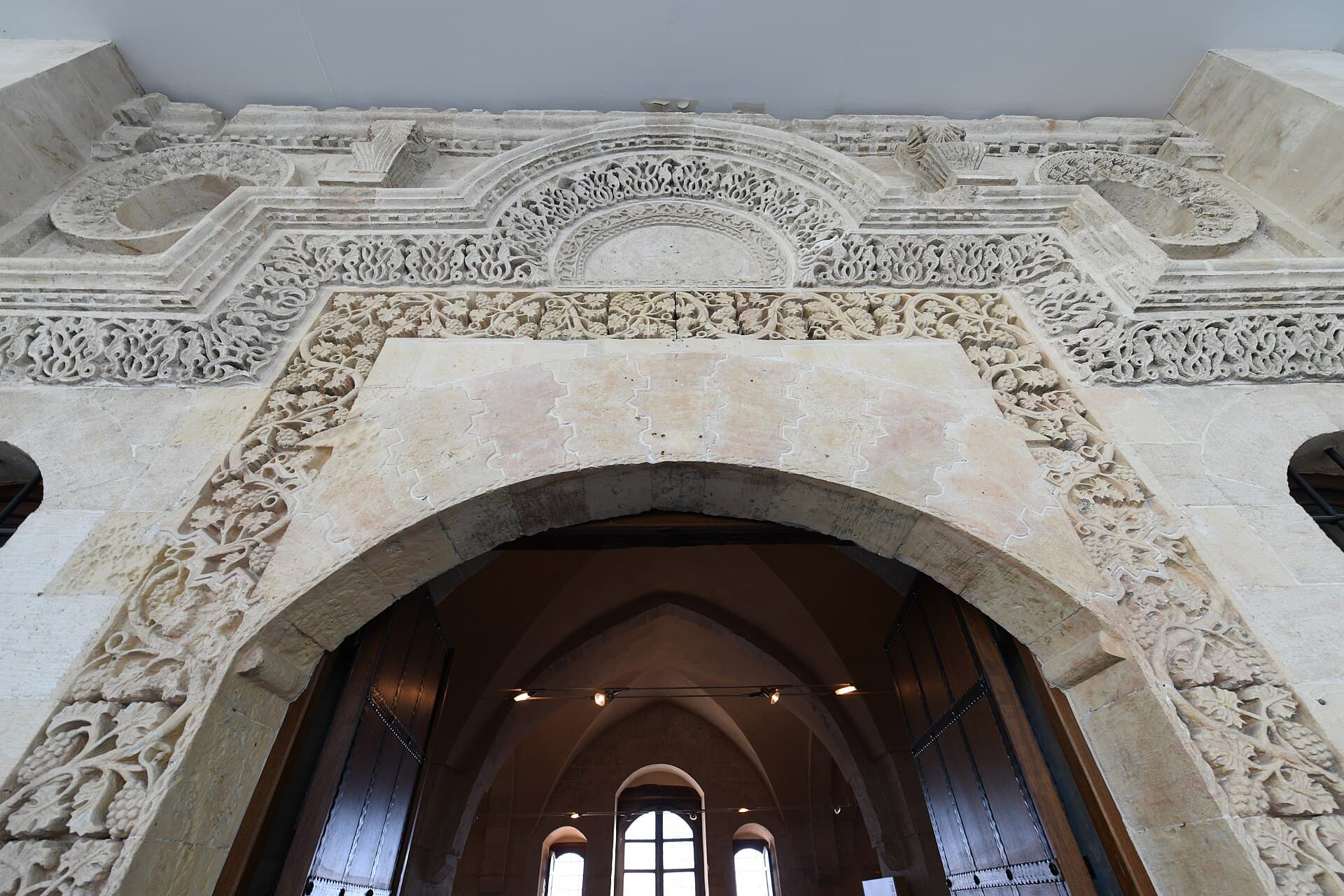
The three-storey 1895 building with its carved facade looks straight over the Mesopotamian plain and justifies the climb on its own.
Nevit Dilmen — CC BY-SA 3.0 · Nevit Dilmen — CC BY-SA 3.0 · Dosseman — CC BY-SA 4.0 · Dosseman — CC BY-SA 4.0
The finest exhibit in Mardin Museum is the building it lives in. Patriarch Ignatius Behnam Benni put up this honey-coloured limestone palace in 1895 as the seat of the Syriac Catholic Patriarchate, and it steps down the hillside in three storeys, its south facade carved with arches and foliage and turned squarely towards the Mesopotamian plain that runs on to the Syrian border; a small Church of the Virgin Mary survives in the east wing. Stand in the courtyard for a minute before you go in; the view is half the ticket. Inside is the province's state archaeology and ethnography collection, moved here in 2000 after early years in the Zinciriye Medrese. The display is arranged in four halls by theme rather than by century: an excavations hall with what came out of Dara, Nusaybin, Mardin Castle and the rescue digs in the Ilısu dam basin, then halls of faith, trade and daily life. The story runs from the Bronze Age, Assyrians and Urartians through Hellenistic, Roman and Byzantine finds to the Seljuks, Artuqids and Ottomans: cuneiform tablets, cylinder seals, figurines, tear bottles, oil lamps. The headline piece is the Sürekli Treasure, dug up at Sürekli village near Kızıltepe, a hoard of gold and silver jewellery from the 9th to 14th centuries that manages to put Abbasids, Ayyubids, Zengids, Artuqids and Ilkhanids into a single vitrine. The ethnography rooms are what most Arab visitors remember: the silver filigree, telkari, that made Mardin and Midyat famous, embroidered women's dress, the bitter mırra coffee sets you will be offered in any house here, and copperware from the old bazaar. See this section before you shop for silver in the market and you will know the real thing from the copy. Be realistic about it. This is a small provincial museum, an hour is plenty, and it does not compete with Istanbul or Antalya. But the thick stone keeps it cool, which counts for a lot in August when Mardin's stone throws the heat back at you. There are a lot of stairs between the floors and nothing is pushchair-friendly, though the ArkeoPark education hall runs coin-striking, ceramics and mock-excavation workshops that children enjoy when they are on. Closed Monday, seven euros for foreigners. It sits on the north side of Cumhuriyet Meydanı, so pair it with the Sakıp Sabancı City Museum and the Church of the Forty Martyrs, both a few minutes' walk away.
The three-storey 1895 building with its carved facade looks straight over the Mesopotamian plain and justifies the climb on its own.
Gold and silver jewellery from the 9th to 14th centuries that puts Abbasids, Ayyubids and Zengids together in one case.
Silver filigree, bitter-coffee sets and copperware, a quick lesson before you buy in the bazaar.
Şar Mahallesi, 1. Cadde, north side of Cumhuriyet Meydanı, Artuklu
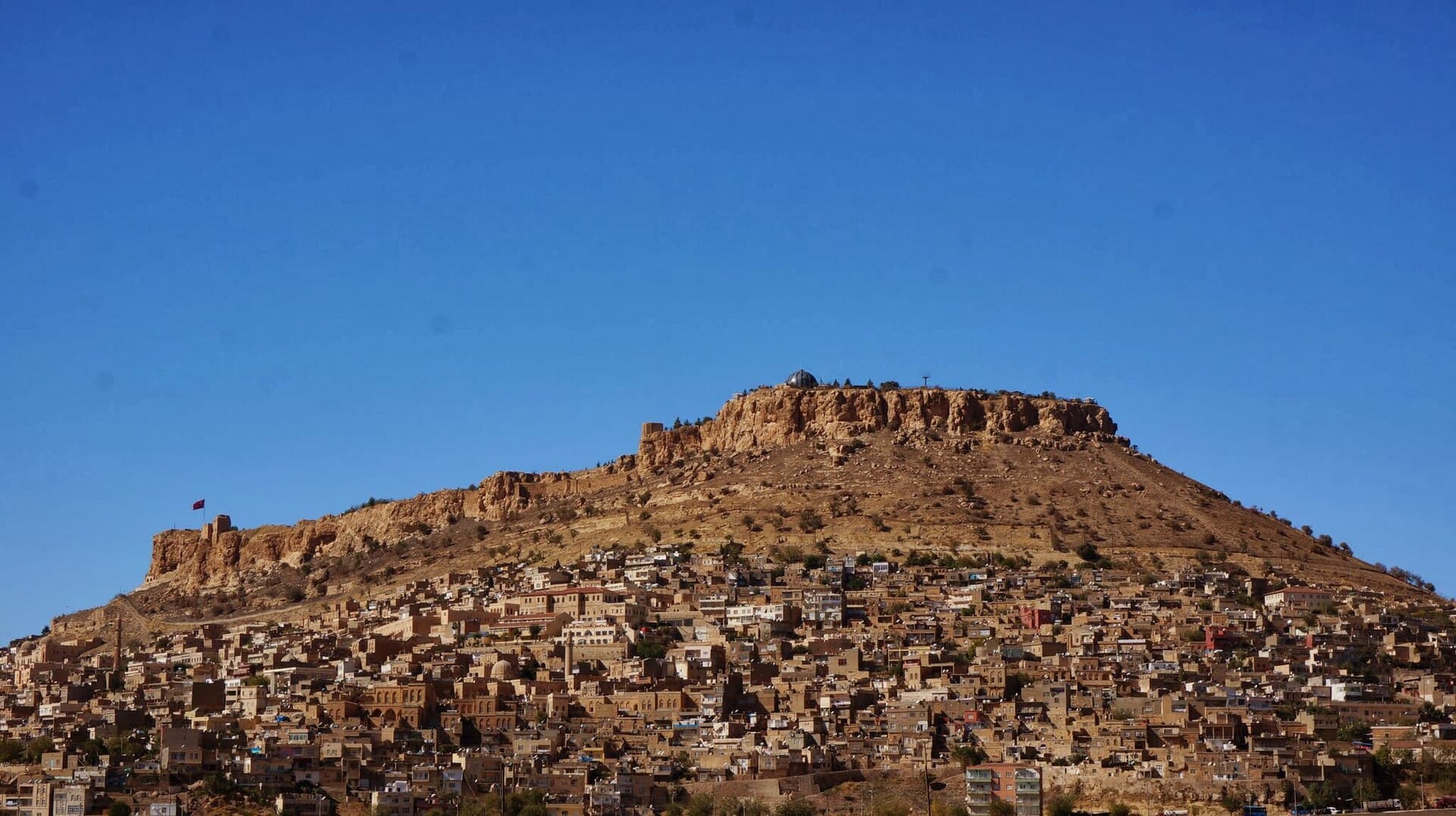 Old MardinFrom any rooftop in Old Mardin the Mesopotamian plain runs flat to the horizon u1 minute walk4.8
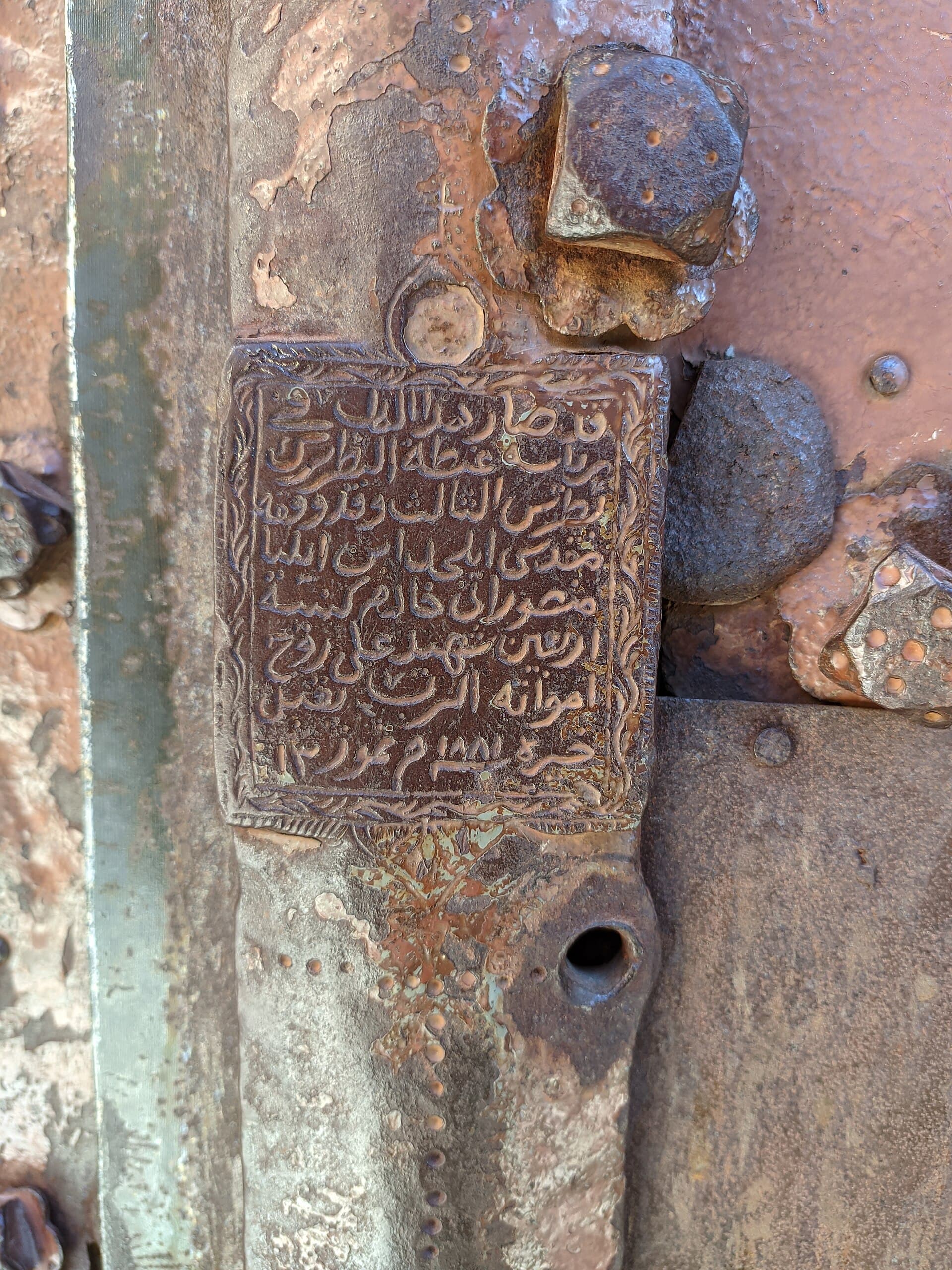 Church of the Forty Martyrs (Mor Behnam)Prayers have been said in this church since 569, a good seventy years before Isl3 minutes walk4.4
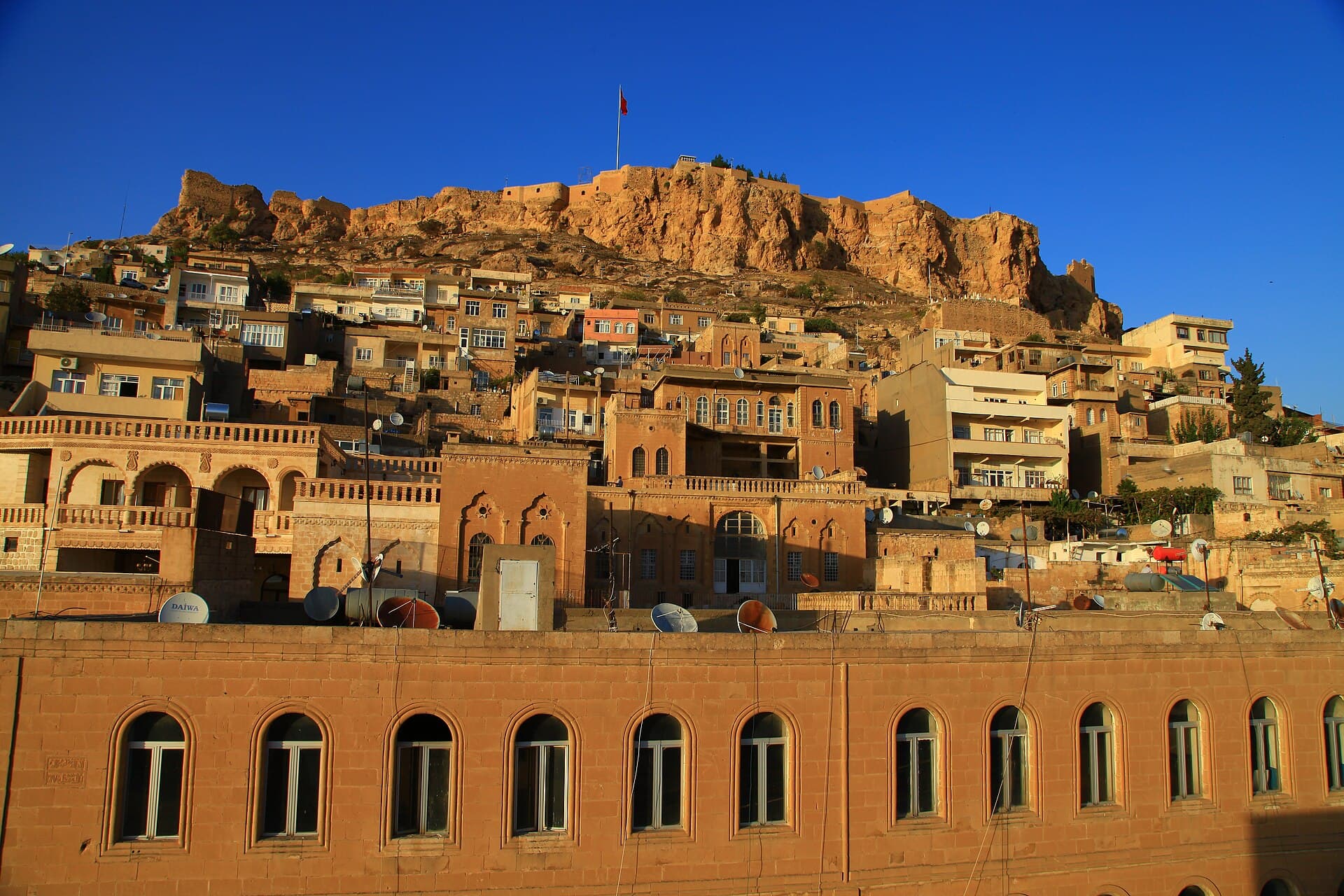 Mardin CastleMardin's most famous monument is the one nobody is allowed into. The castle the 5 minutes walk4.6
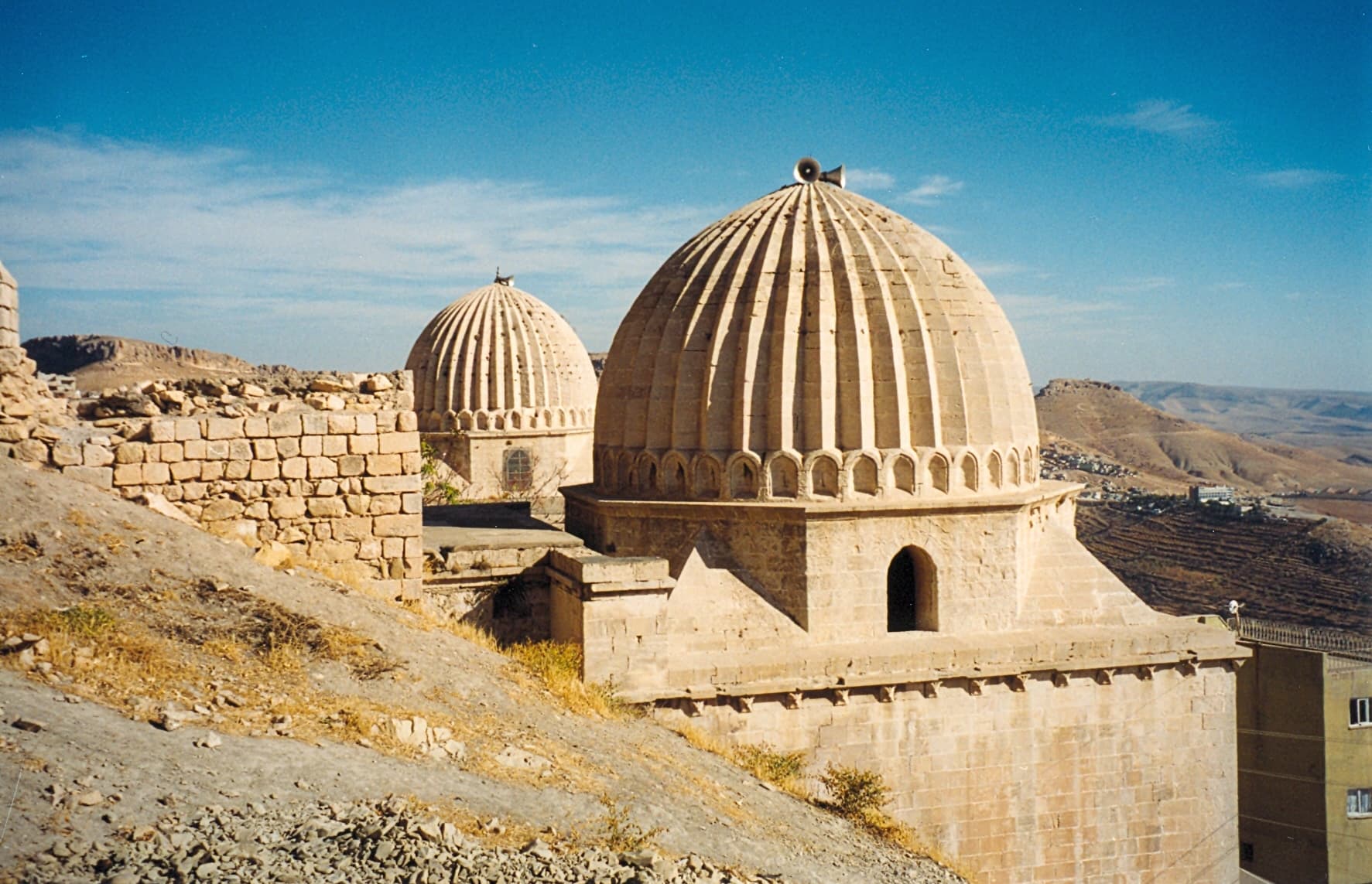 Zinciriye (Sultan Isa) MadrasaThe last Artuqid sultan of Mardin built this madrasa in 1385 and, as the town te6 minutes walk4.7
 Sakıp Sabancı Mardin City MuseumAt the entrance, in a large glass case against the barracks wall, sits a copper-13 minutes walk4.2
With a single hour, choose the Sabancı: its displays are newer and livelier and it explains the city itself. Mardin Museum wins for anyone drawn to ancient archaeology or to the patriarchate building and its view. They are a few minutes apart on foot, so both fit into one morning.
Yes if the workshops are running: the ArkeoPark education hall offers coin-striking, ceramics, painting and simulated digs. The archaeology galleries themselves exhaust young patience in half an hour, and the many stairs rule out pushchairs.