
The skyline
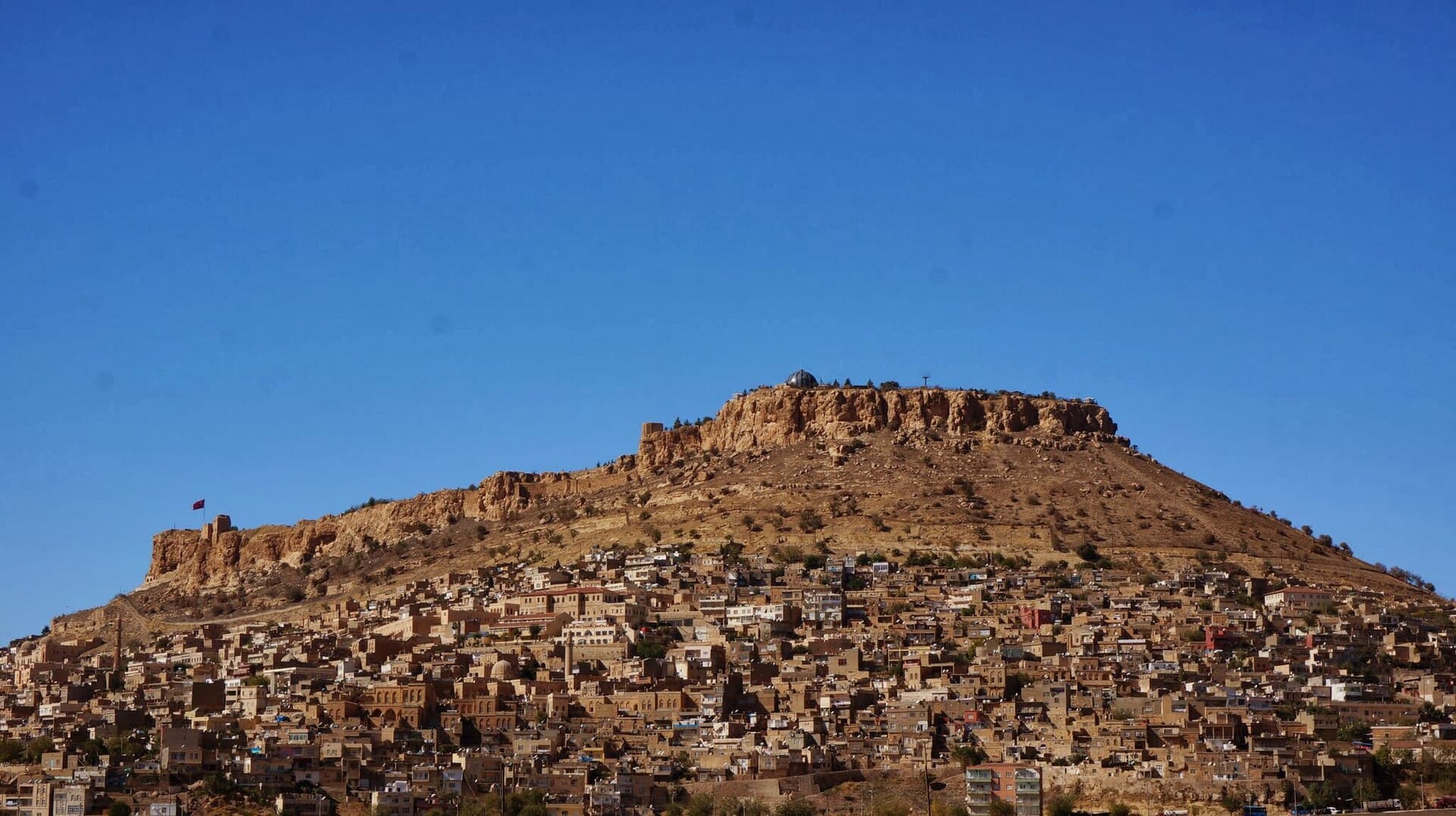
The castle's bulk above the domes and minarets is the Mardin picture you already know, and it peaks at sunset from any old-town rooftop.
MSinjari — CC BY-SA 4.0 · Dosseman — CC BY-SA 4.0 · Dosseman — CC BY-SA 4.0 · Dosseman — CC BY-SA 4.0
Mardin's most famous monument is the one nobody is allowed into. The castle the Turks call the Eagle's Nest sits on the crest of the rock the old town hangs from, at roughly 1,200 m, and since the early 1960s it has been a closed military zone topped by a radar installation. There is no ticket, no gate, no opening time, and the perimeter fence is not somewhere to wander up to for a photograph. That is not a footnote to this page, it is the page: everything you will see of Mardin Castle, you will see from below. And yet no account of Mardin works without it. The cliff itself does most of the job of a wall, with masonry appearing only where the slope relents, and the castle gate sits halfway up the rock face rather than at its foot. Most scholars date the first castle to the tenth-century Hamdanids, though some argue for Roman foundations; the Artuqids made it their seat, and most of what stands today is Akkoyunlu and Ottoman rebuilding. The story goes that Timur, who wrecked the town twice, in 1394 and 1401, never took the citadel itself. Decline set in through the late Ottoman period; excavation and conservation only began in 2014, in fits and starts under Mardin Museum, uncovering the remains of the castle mosque and hundreds of finds from the Artuqid to the Ottoman era. The right way to visit the castle is not to. The best vantage is the roof terrace of the Zinciriye Madrasa, one of the highest points a visitor may legally reach and directly beneath the cliff; after that, the rooftop cafes along 1. Cadde, where the castle's bulk rises over domes and minarets; and from the opposite side, the lay-bys on the eastern approach road give the whole composition at once, castle on top, stone houses spilling below it, the Mesopotamian plain running to the horizon and, on a clear night, the lights of Nusaybin and Qamishli across the Syrian border. Sunset from any of these is when the castle looks its best, and the famous photograph of Mardin you already have in your head was almost certainly taken from one of them. For planning purposes, give the castle no slot of its own: fifteen minutes of looking, ideally with a cup of bitter almond coffee from a terrace. For families that is oddly good news, since there is no climb and no stairs beyond the madrasa's own steps. Avoid midday in July and August, when temperatures climb towards 40°C and the limestone turns into an oven; spring and autumn are Mardin's real season, and a brief winter snowfall on the ramparts makes the view better still. Official promises to open it to visitors have circulated for well over a decade, but at the time of writing no date exists, so do not build a trip around the hope.
The castle's bulk above the domes and minarets is the Mardin picture you already know, and it peaks at sunset from any old-town rooftop.
One of the highest points a visitor may reach, right under the cliff for about 200 TRY, with the castle above you and the plain below in one frame.
A cliff doing the work of a wall, a gate halfway up the rock, and the tale of Timur, who wrecked the town twice and is said never to have taken the citadel itself.
Above 1. Cadde, Artuklu, old Mardin
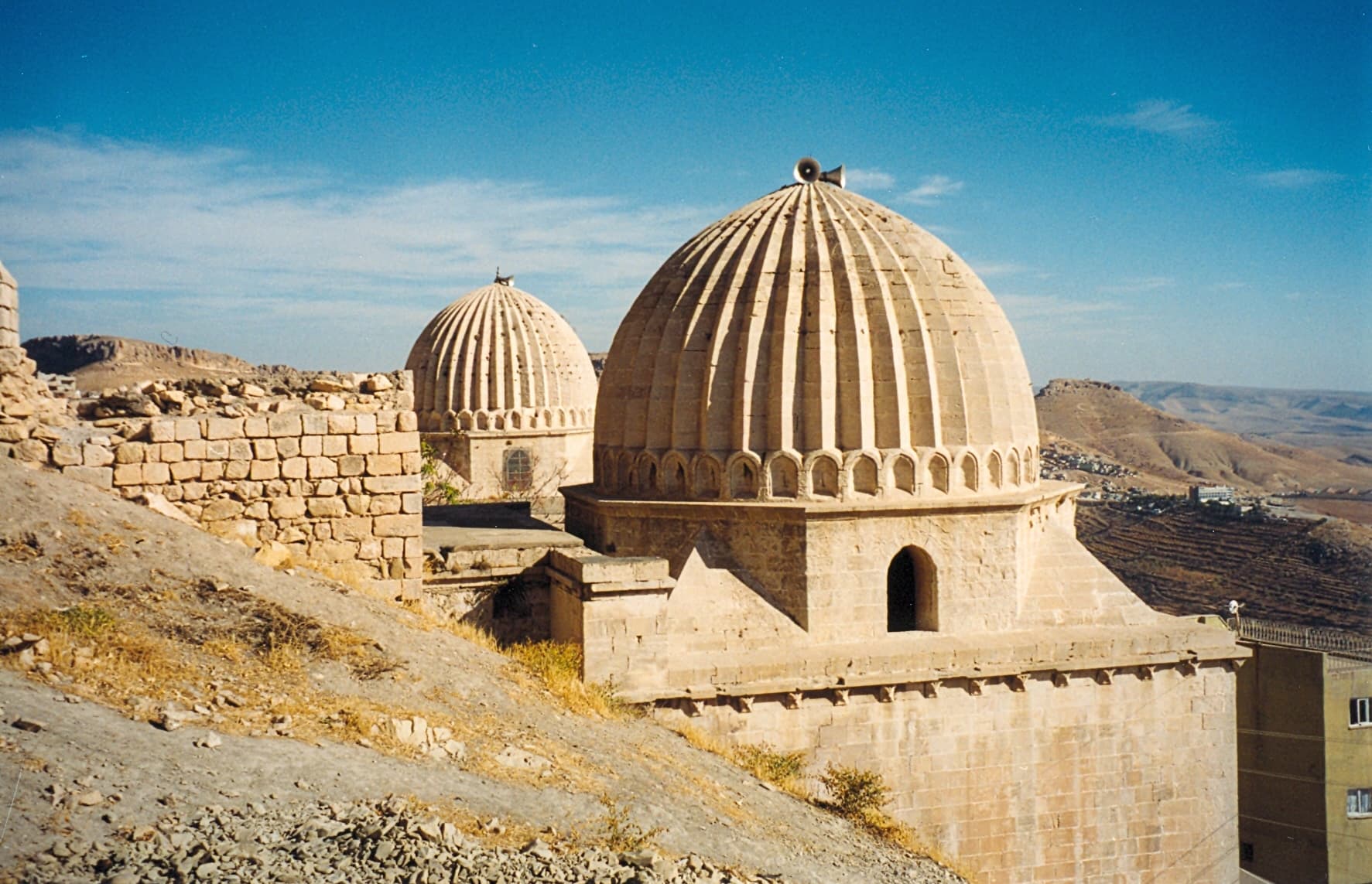 Zinciriye (Sultan Isa) MadrasaThe last Artuqid sultan of Mardin built this madrasa in 1385 and, as the town te2 minutes walk4.7
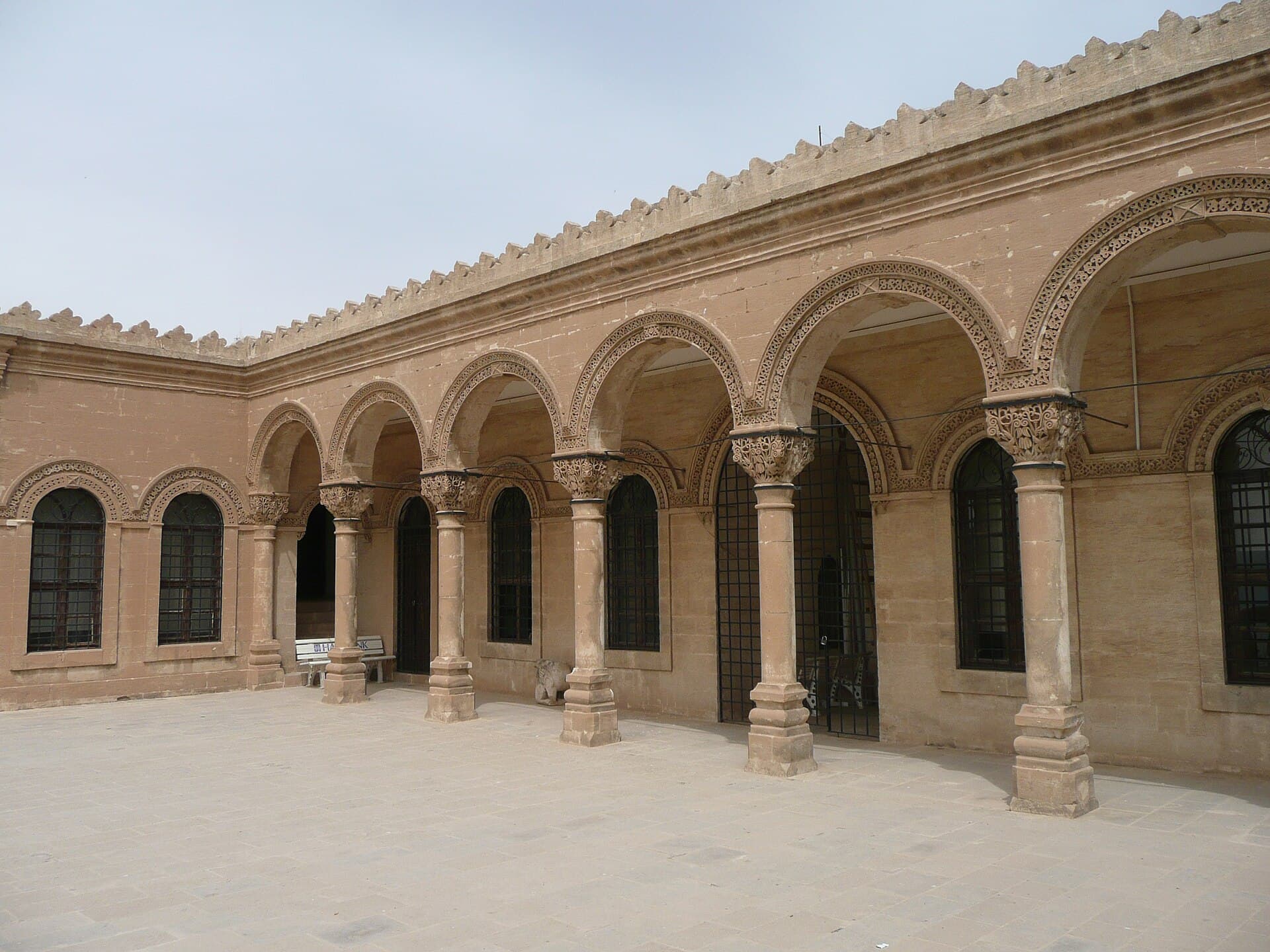 Mardin MuseumThe finest exhibit in Mardin Museum is the building it lives in. Patriarch Ignat5 minutes walk4.7
 Old MardinFrom any rooftop in Old Mardin the Mesopotamian plain runs flat to the horizon u5 minutes walk4.8
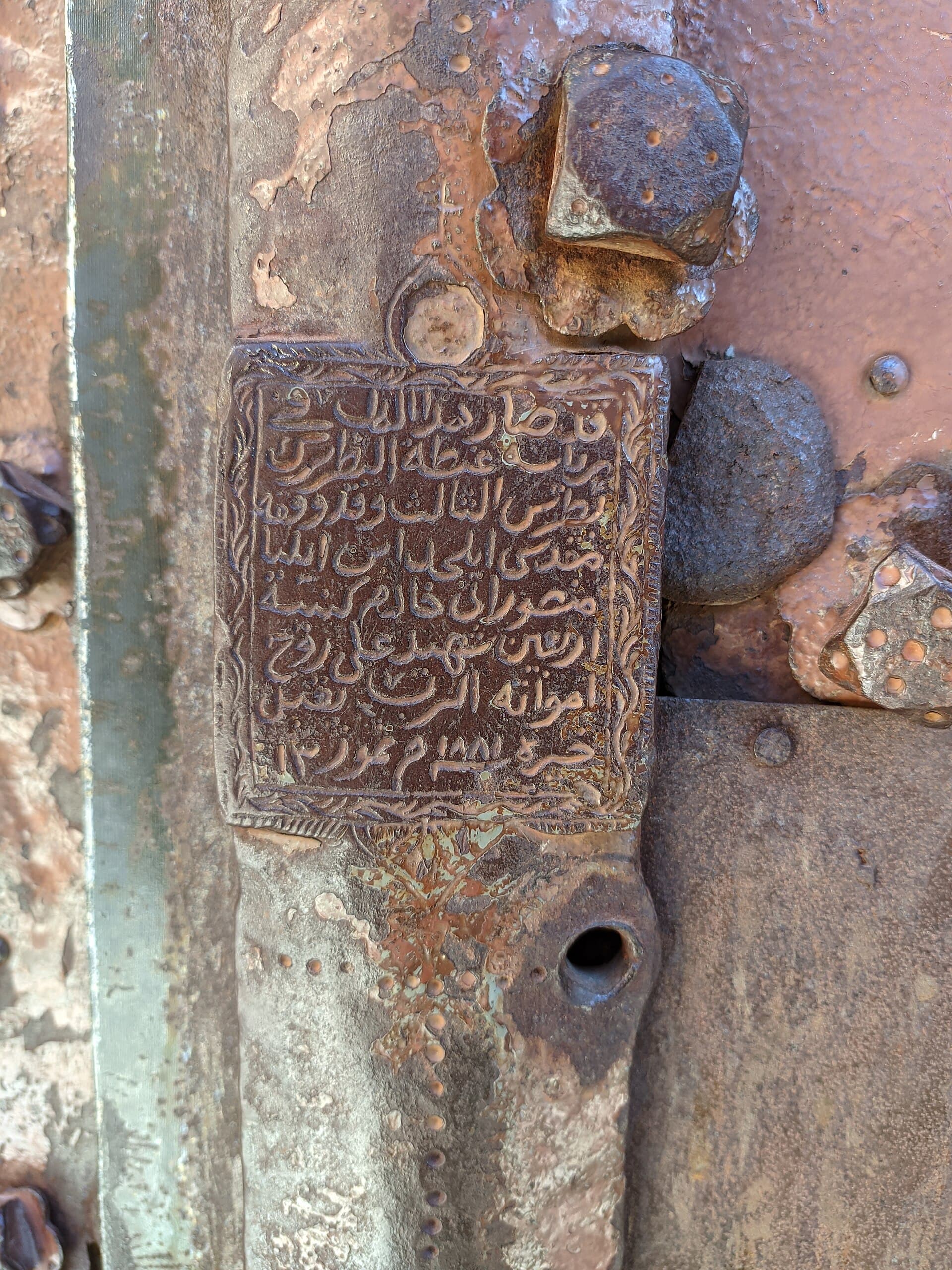 Church of the Forty Martyrs (Mor Behnam)Prayers have been said in this church since 569, a good seventy years before Isl7 minutes walk4.4
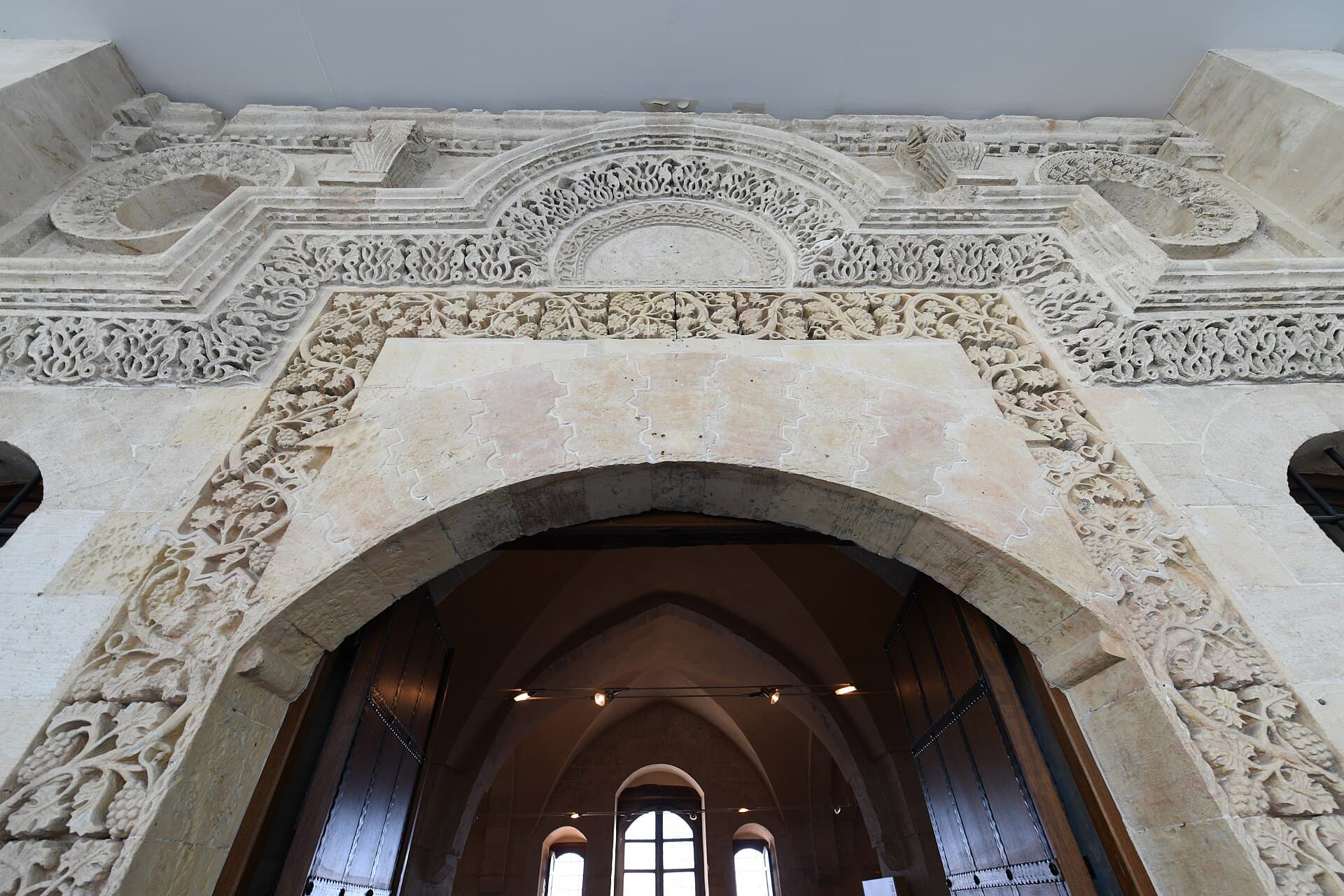 Sakıp Sabancı Mardin City MuseumAt the entrance, in a large glass case against the barracks wall, sits a copper-9 minutes walk4.2
No. It has been a closed military zone since the 1960s with a radar installation, and approaching or photographing the fence is not permitted. The closest legal point is the Zinciriye Madrasa roof, which is all you need for the photograph.
Without hesitation, yes: the castle was never the reason to come, only the backdrop. The old town, the madrasas, the monasteries around it and Dara fill two days easily, and the castle is in every photograph without your ever entering it.