
The real hull
Board Amundsen's and Nansen's actual ship.
Pudelek (Marcin Szala) — CC BY-SA 4.0 · Holger Uwe Schmitt — CC BY-SA 4.0 · Holger Uwe Schmitt — CC BY-SA 4.0 · Holger Uwe Schmitt — CC BY-SA 4.0
Fram is the ship that sailed farthest north and farthest south of any vessel on earth: built by Colin Archer (1892) with a special rounded hull that let pack ice lift it, not crush it — carrying Nansen toward the North Pole, then Amundsen to the South, beating unlucky Scott by four weeks (1911) in exploration's greatest race. The real full-size ship stands inside a museum built purposely around it (you climb aboard, walking crew quarters and the captain's cabin) — the story told with modern adventure: a frozen ice tunnel at a true minus 18, a 4D cinema simulating a polar storm, and taxidermied sled dogs as they accompanied the expeditions. The sister Gjøa museum beside it holds Amundsen's ship that first crossed the Northwest Passage — one ticket enters both, making the visit a complete lesson in Norwegian polar exploration history.
Board Amundsen's and Nansen's actual ship.
A true minus 18 — the pole, genuinely felt.
Bygdøynesveien 39, 0286 Oslo
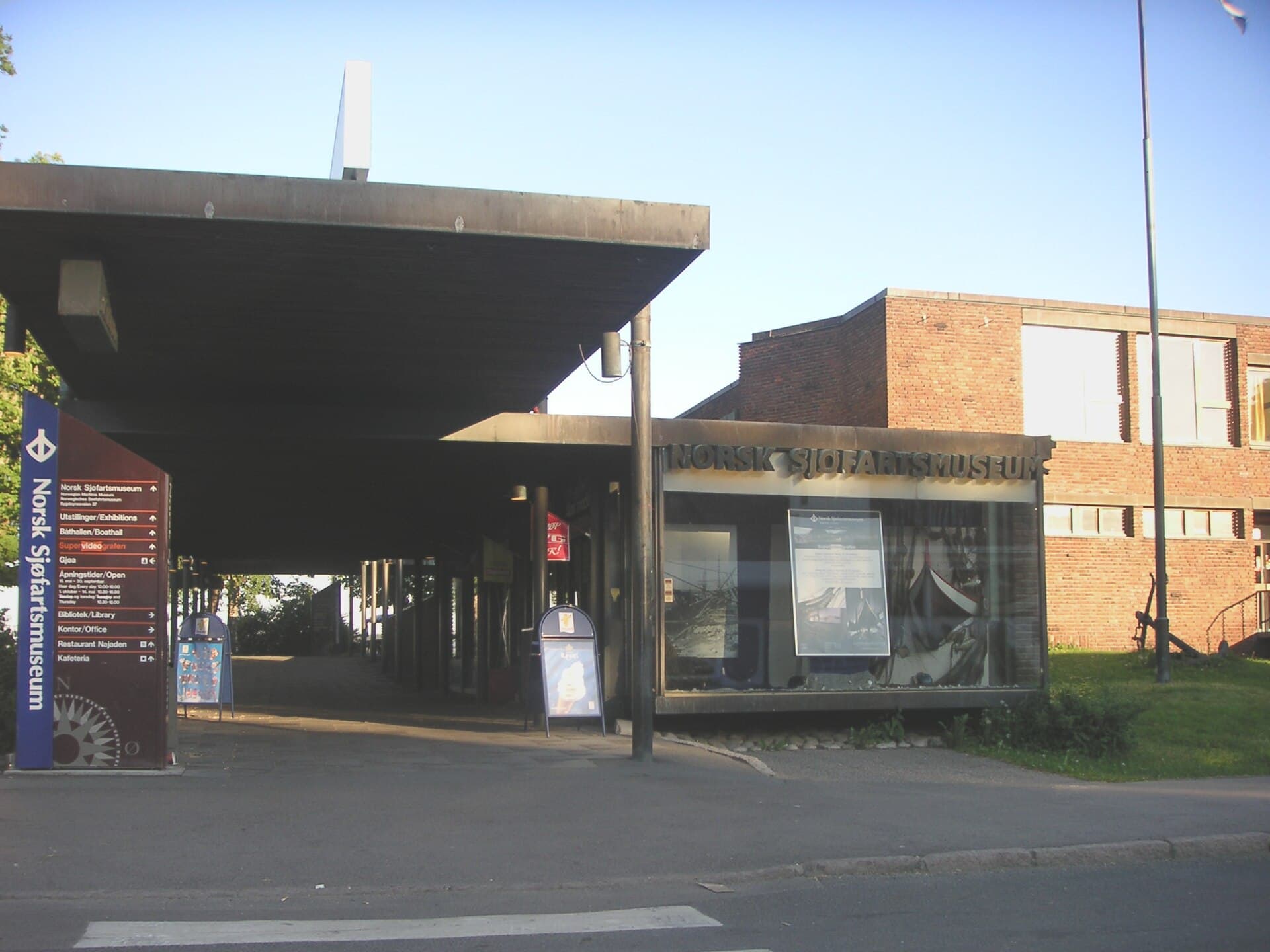 The Norwegian Maritime MuseumThe Norwegian Maritime Museum stands on the Bygdøy peninsula west of Oslo, the l1 minute walk4.3
 The Norwegian Pharmacy MuseumA small museum of pharmacy history inside the grounds of the Norwegian Folk Muse10 minutes walk4.8
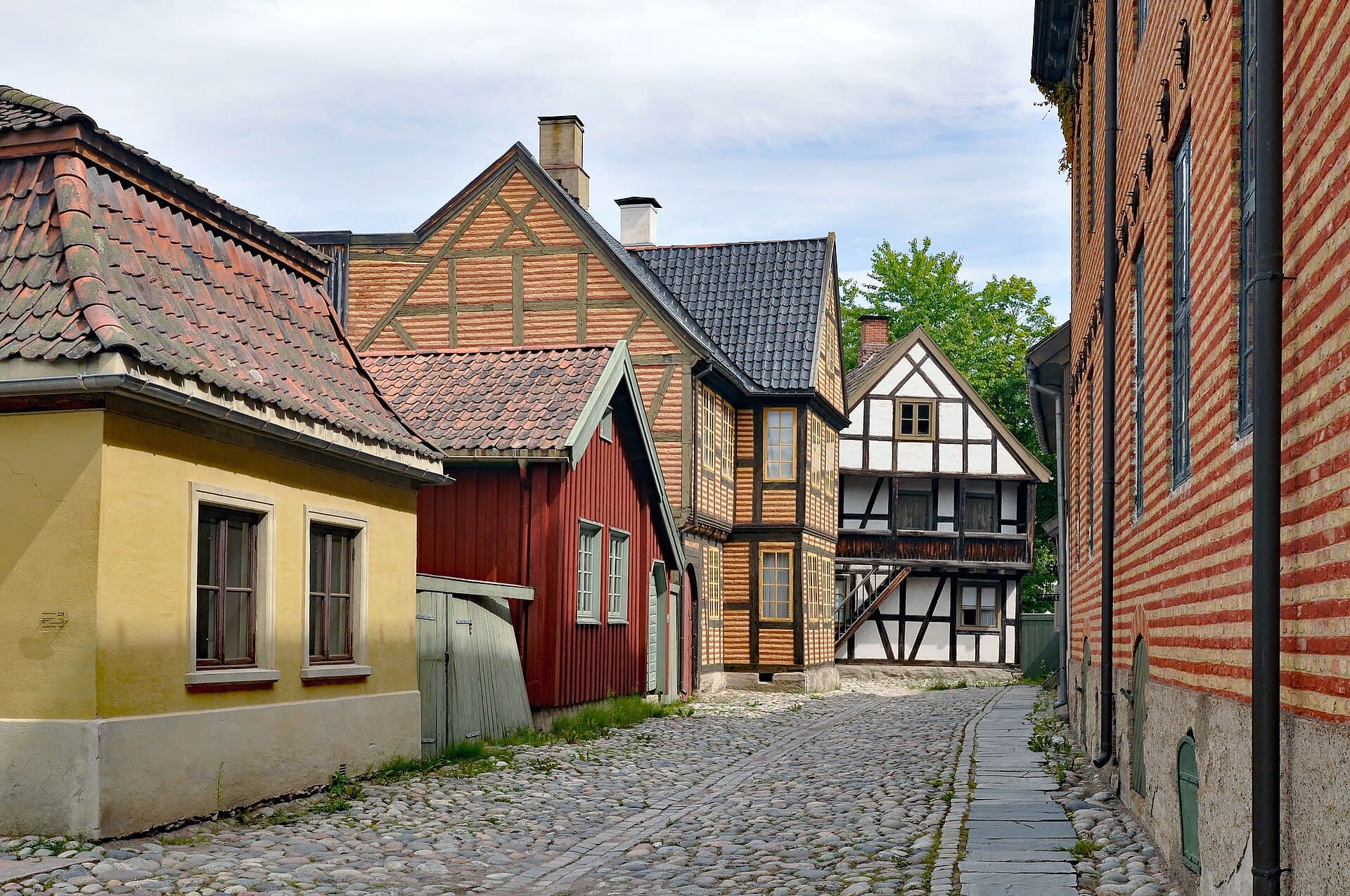 The Norwegian Museum of Cultural HistoryThe Folk Museum is Norway in miniature, outdoors: over 160 historic buildings mo11 minutes walk4.6
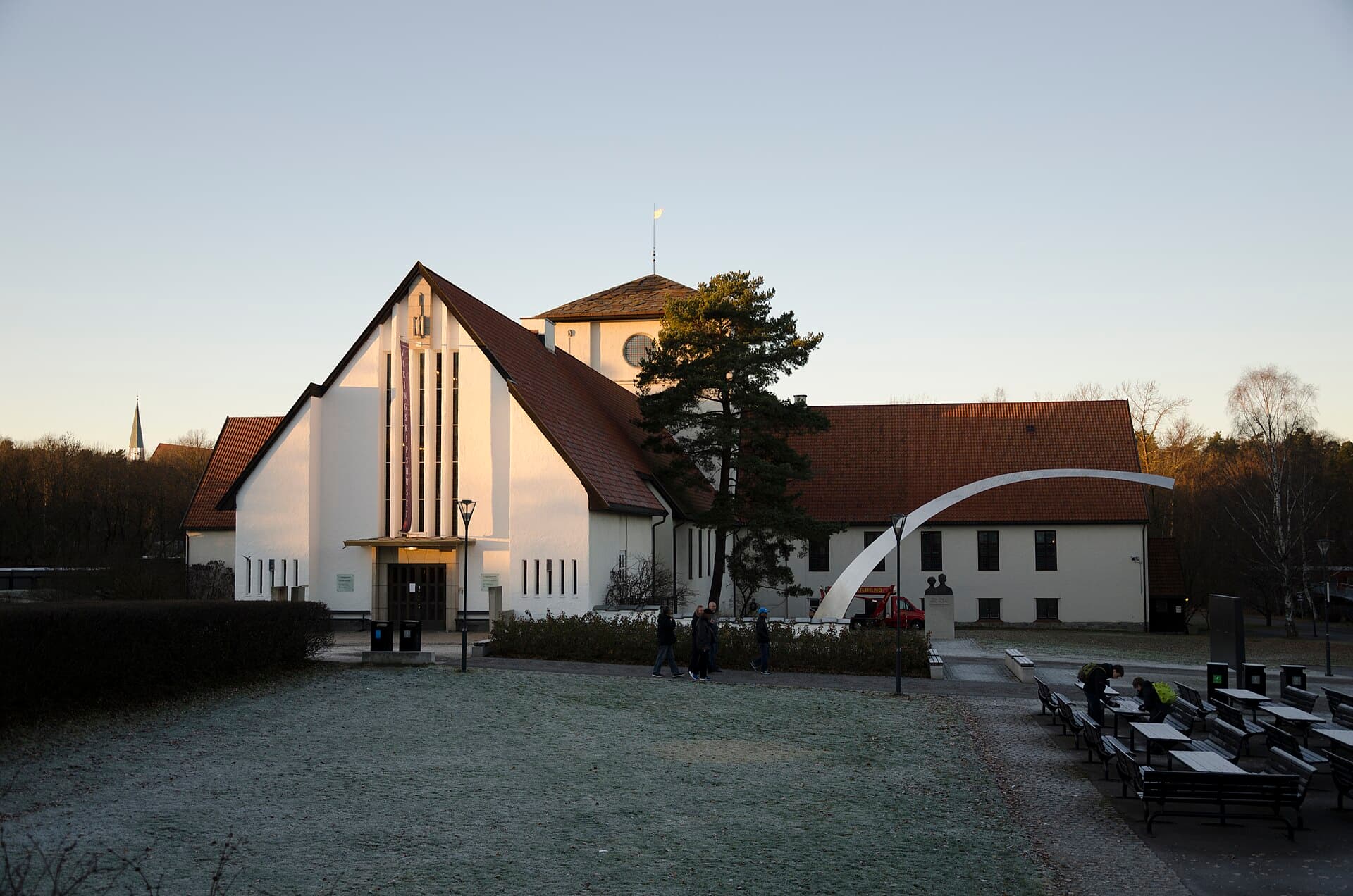 The Viking Ship Museum (Museum of the Viking Age)The Viking Ship Museum holds the most complete Viking wooden ships surviving on 11 minutes walk4.3
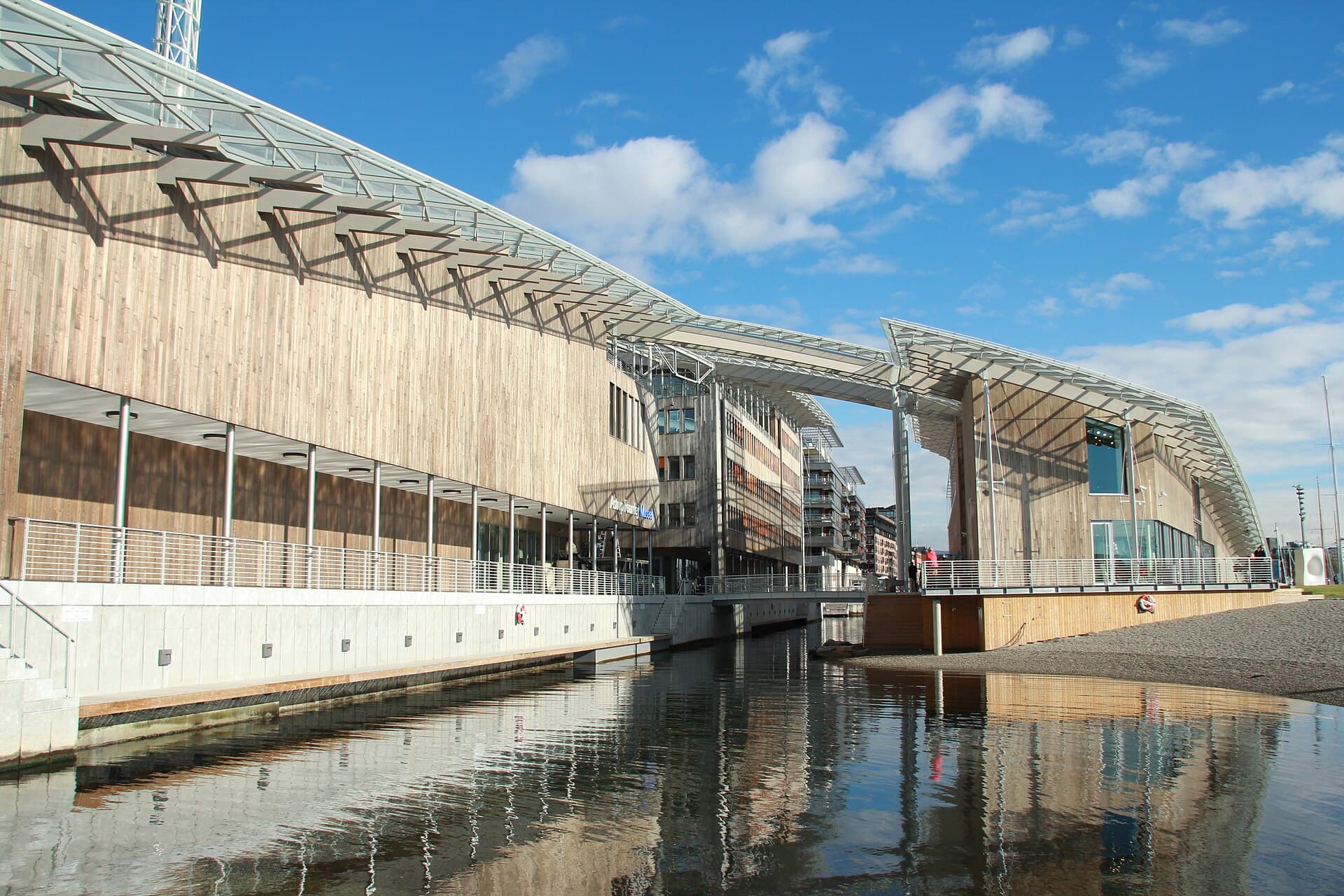 Astrup Fearnley MuseumA private museum of contemporary art on the tip of the Tjuvholmen peninsula, in 16 minutes walk4.2
Amundsen planned with cold Norwegian precision: sled dogs, not ponies (Scott's ponies died in the cold), a shorter route via the Ross Ice Shelf, and rigorous fuel-depot planning — reaching the pole 14 December 1911, Scott four weeks behind to find the Norwegian flag waiting, dying with his team on the return. The two tales are taught together as a lesson in planning, not luck.