
The Gol stave church
Medieval centuries transplanted whole.
P. Hughes — CC BY 4.0 · Axel Lindahl — Public domain · Axel Lindahl — Public domain · Olaf Martin Peder Væring — Public domain
The Folk Museum is Norway in miniature, outdoors: over 160 historic buildings moved stone and timber from every region of the country (from 1894) onto the green Bygdøy estate — mountain farms, old town houses, and a medieval wooden stave church (from Gol, 13th century) transplanted whole, counted among Norway's holiest religious relics. It runs with living costumed staff baking, weaving and making traditional cheese before visitors — and Edvard Grieg's apartment plus twentieth-century Oslo flats (1905, 1930, 1970...) inside the actual buildings show daily life's evolution house by house. Summer stages folk dances and craft markets, winter turns it a white family sledge ground — and it naturally pairs with Bygdøy's other museums (Fram and the Vikings minutes' walk away): the three together make a complete museum-island day.
Medieval centuries transplanted whole.
1905 to 1970, daily life house by house.
Museumsveien 10, 0287 Oslo
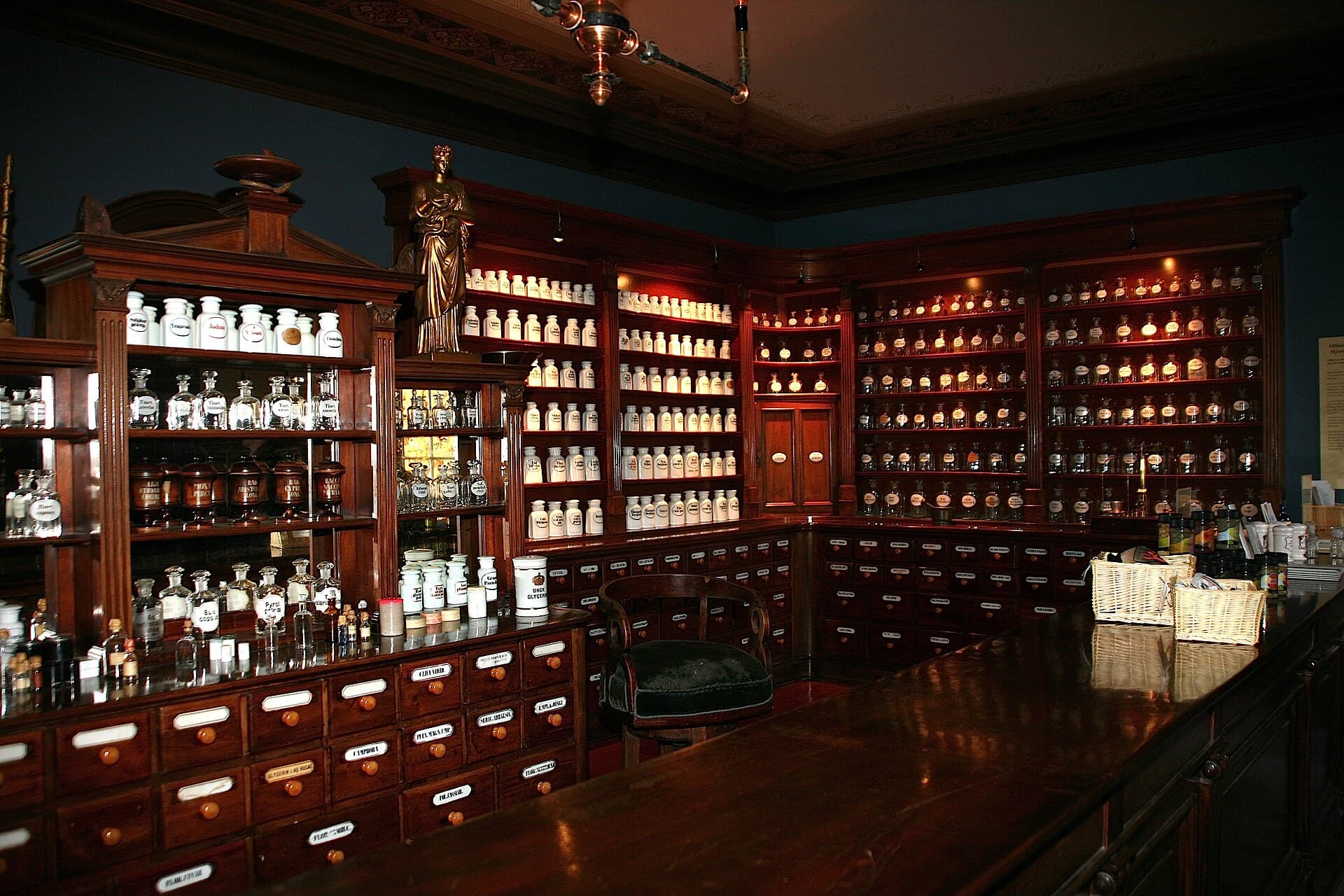 The Norwegian Pharmacy MuseumA small museum of pharmacy history inside the grounds of the Norwegian Folk Muse1 minute walk4.8
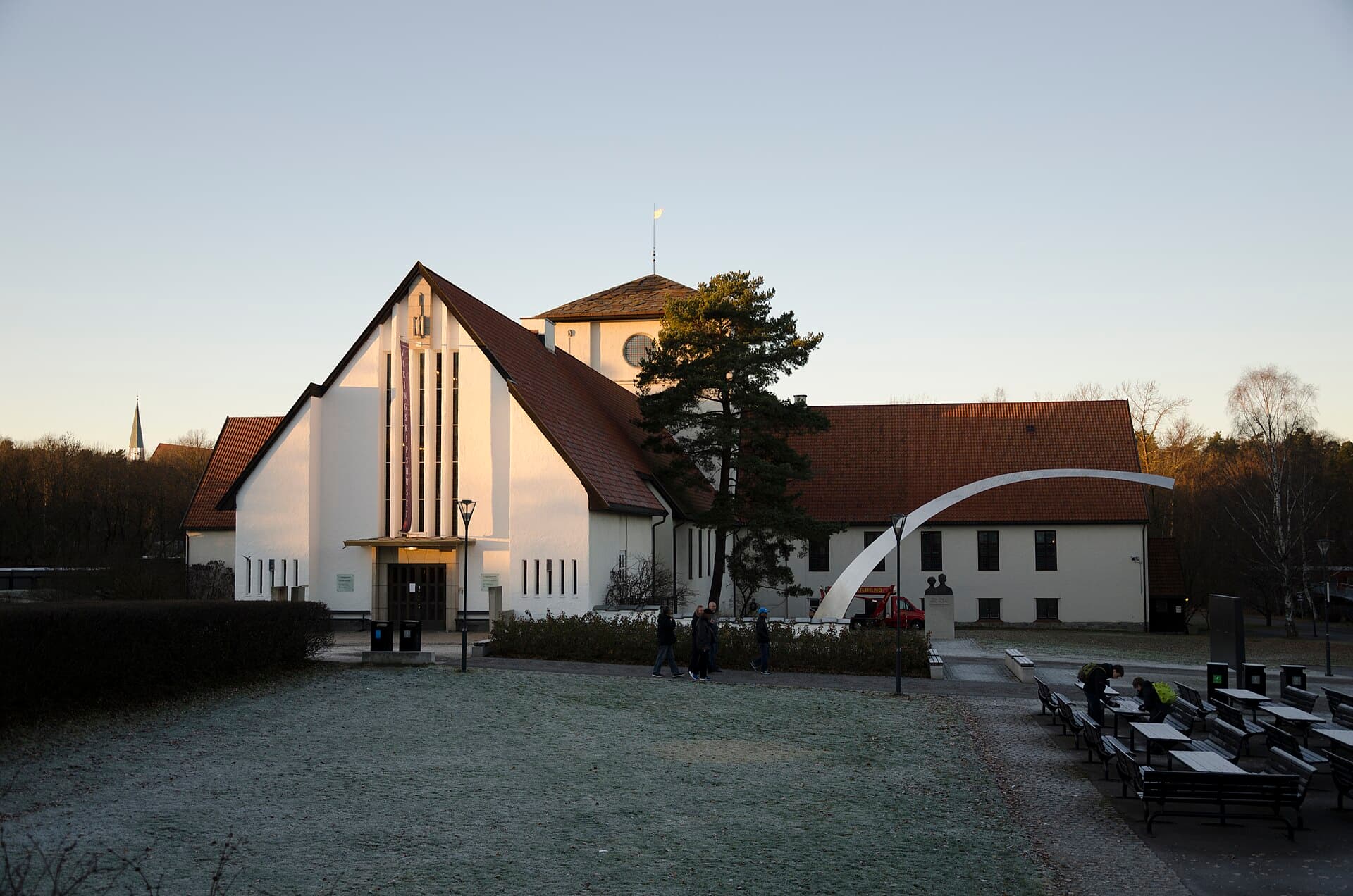 The Viking Ship Museum (Museum of the Viking Age)The Viking Ship Museum holds the most complete Viking wooden ships surviving on 3 minutes walk4.3
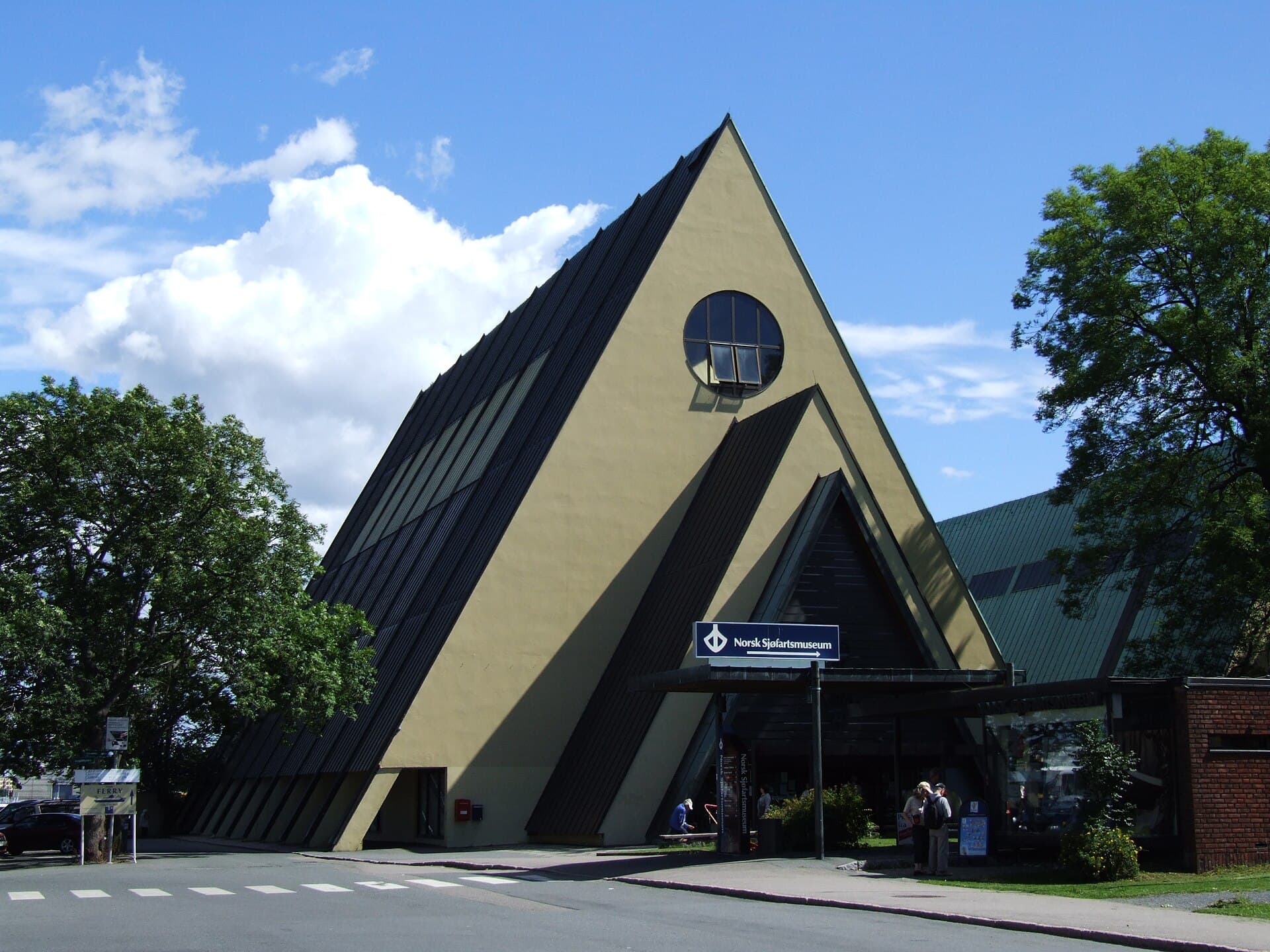 The Fram MuseumFram is the ship that sailed farthest north and farthest south of any vessel on 11 minutes walk4.6
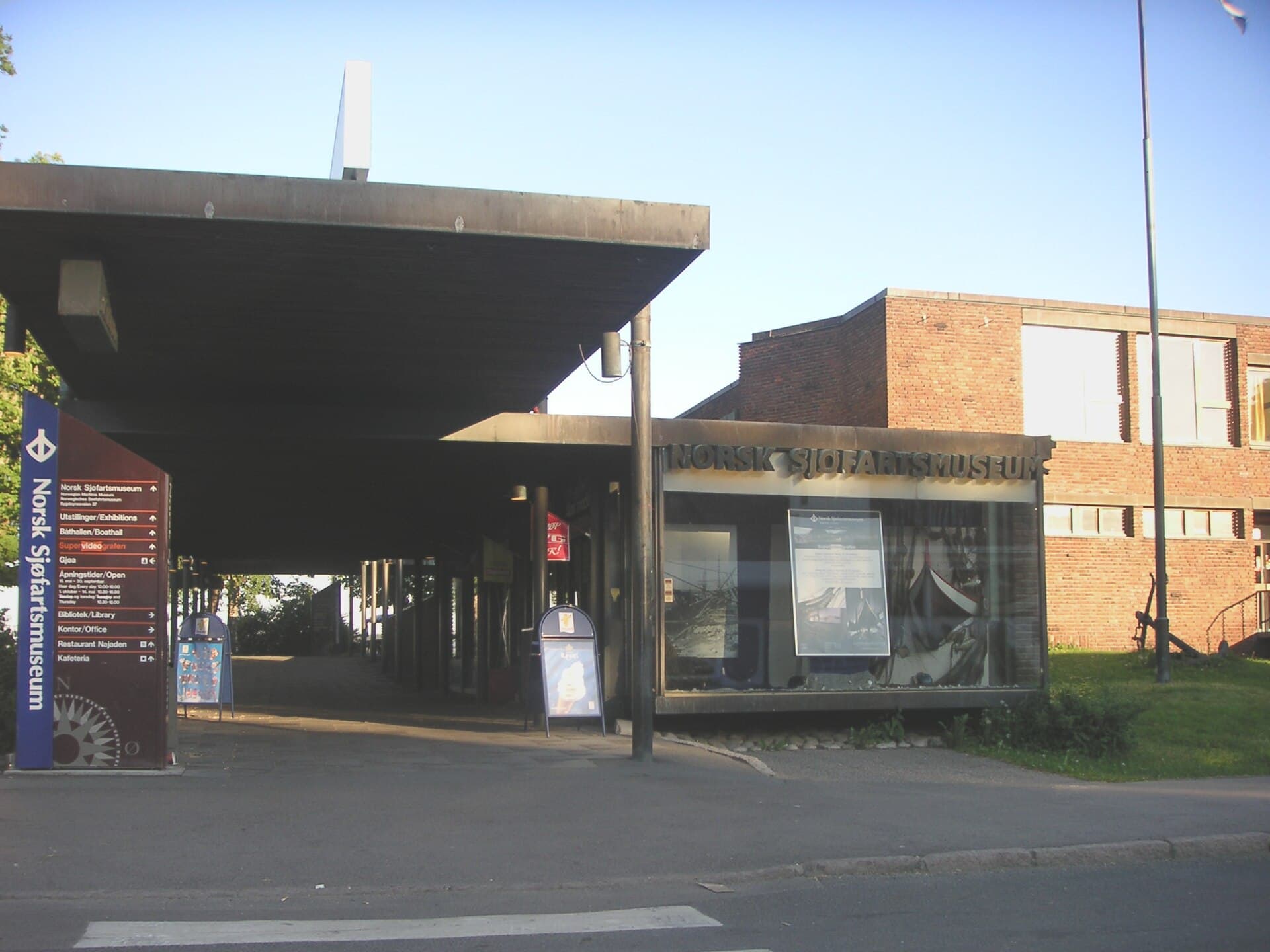 The Norwegian Maritime MuseumThe Norwegian Maritime Museum stands on the Bygdøy peninsula west of Oslo, the l11 minutes walk4.3
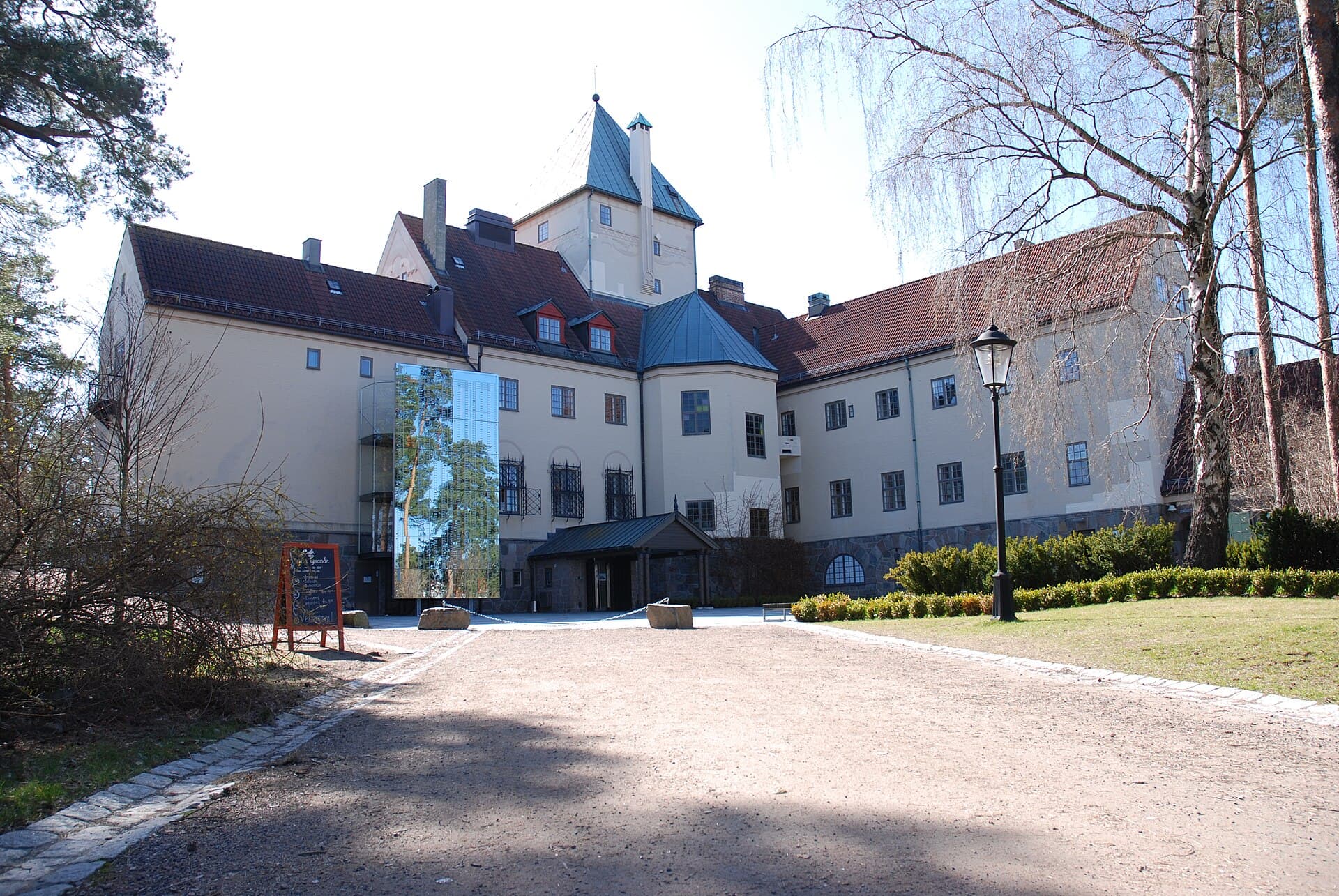 The Holocaust and Minority Studies CentreThe centre occupies Villa Grande on the Bygdøy peninsula, a large house whose hi12 minutes walk4.5
Unique medieval Norwegian vertical-timber churches — built with almost no iron nails, using the very techniques of Viking shipbuilding, decorated with dragon carvings carrying pre-Christian paganism inside Christian walls. Only around twenty-eight survive worldwide — each a rare human relic, not merely a local Norwegian one.