
The navigation instruments
How sailing was done before satellites.
Hans-Petter Fjeld — CC BY-SA 2.5 · Bahnfrend — CC BY-SA 4.0 · Bahnfrend — CC BY-SA 4.0 · Bahnfrend — CC BY-SA 4.0
The Norwegian Maritime Museum stands on the Bygdøy peninsula west of Oslo, the last of the maritime museums gathered there: the Fram Museum, the Kon-Tiki Museum and the folk museum are all minutes away on foot. Its subject is wider than its neighbours': not one voyage or one ship but Norway's relationship with the sea as a whole — fishing, merchant shipping, shipbuilding, coastal navigation and offshore oil. Norway has one of the largest merchant fleets in the world relative to its population, and this museum explains how. Its most notable exhibit is the Gokstad faering — a nineteenth-century open boat in which one man crossed the Atlantic in 1893 to prove Viking ships had been capable of it. Alongside are ship models, marine paintings, navigation instruments and sections on life aboard. The site is on the water and the view is part of the visit.
How sailing was done before satellites.
Four maritime museums minutes apart.
Bygdøynesveien 37, 0286 Oslo
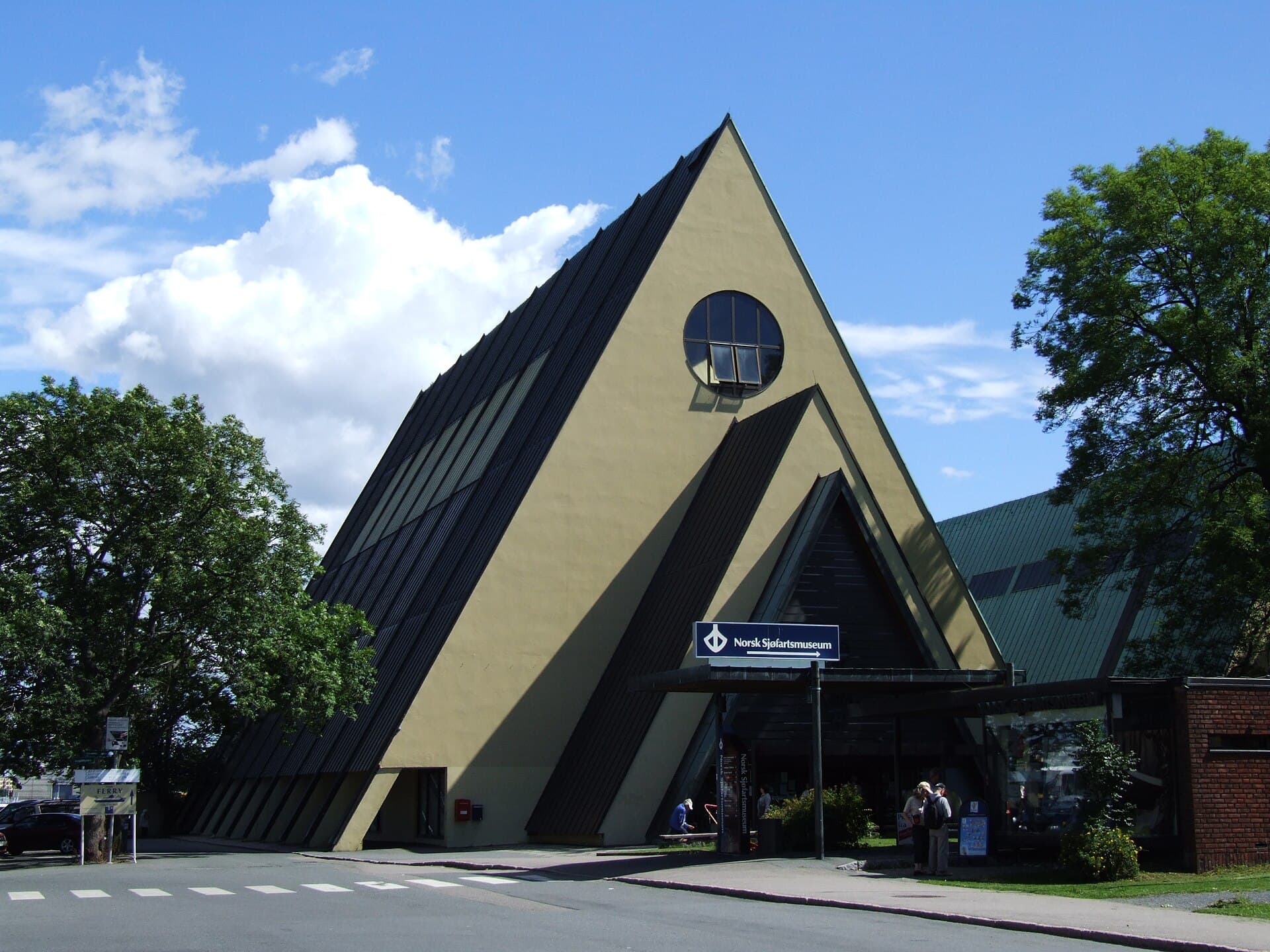 The Fram MuseumFram is the ship that sailed farthest north and farthest south of any vessel on 1 minute walk4.6
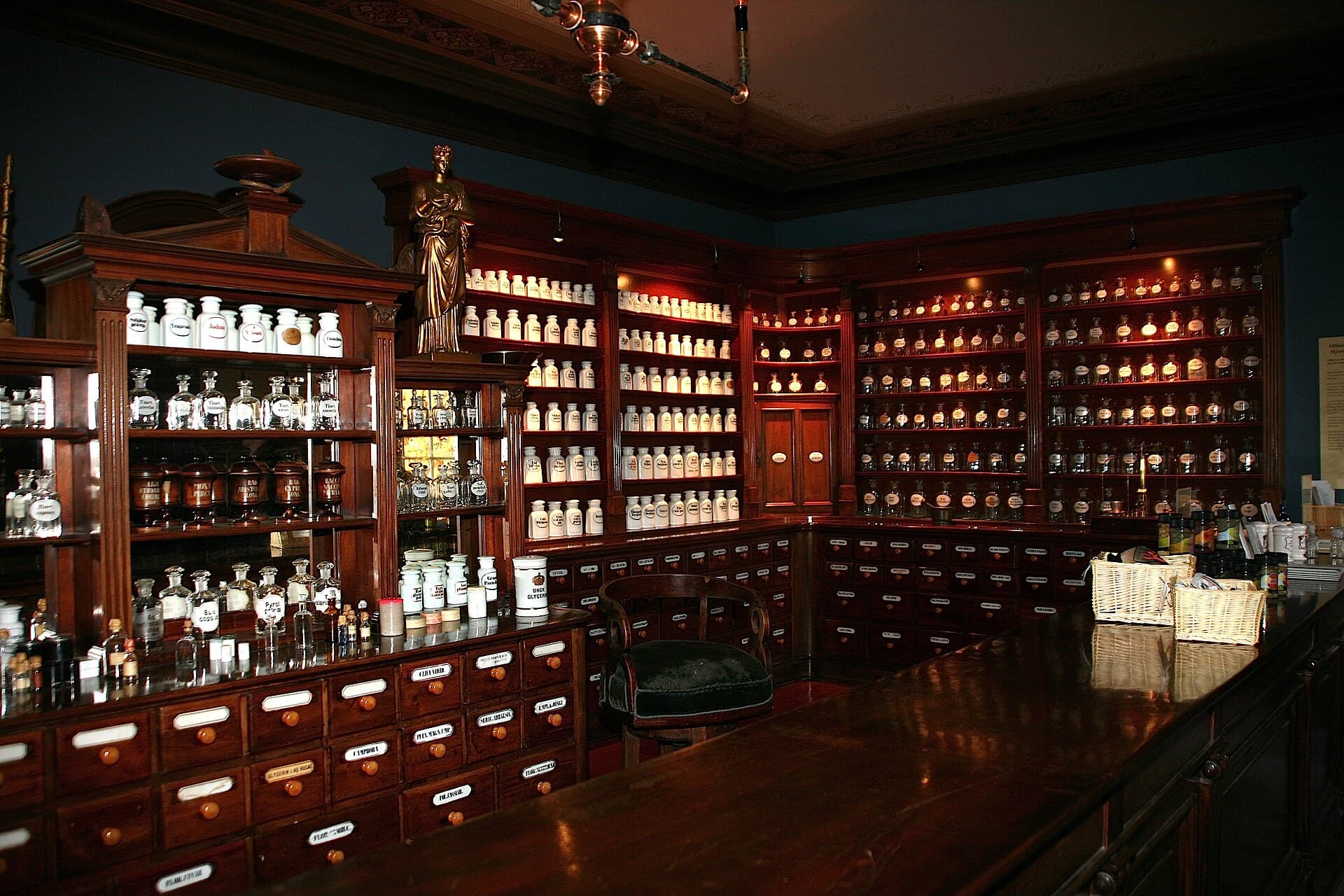 The Norwegian Pharmacy MuseumA small museum of pharmacy history inside the grounds of the Norwegian Folk Muse10 minutes walk4.8
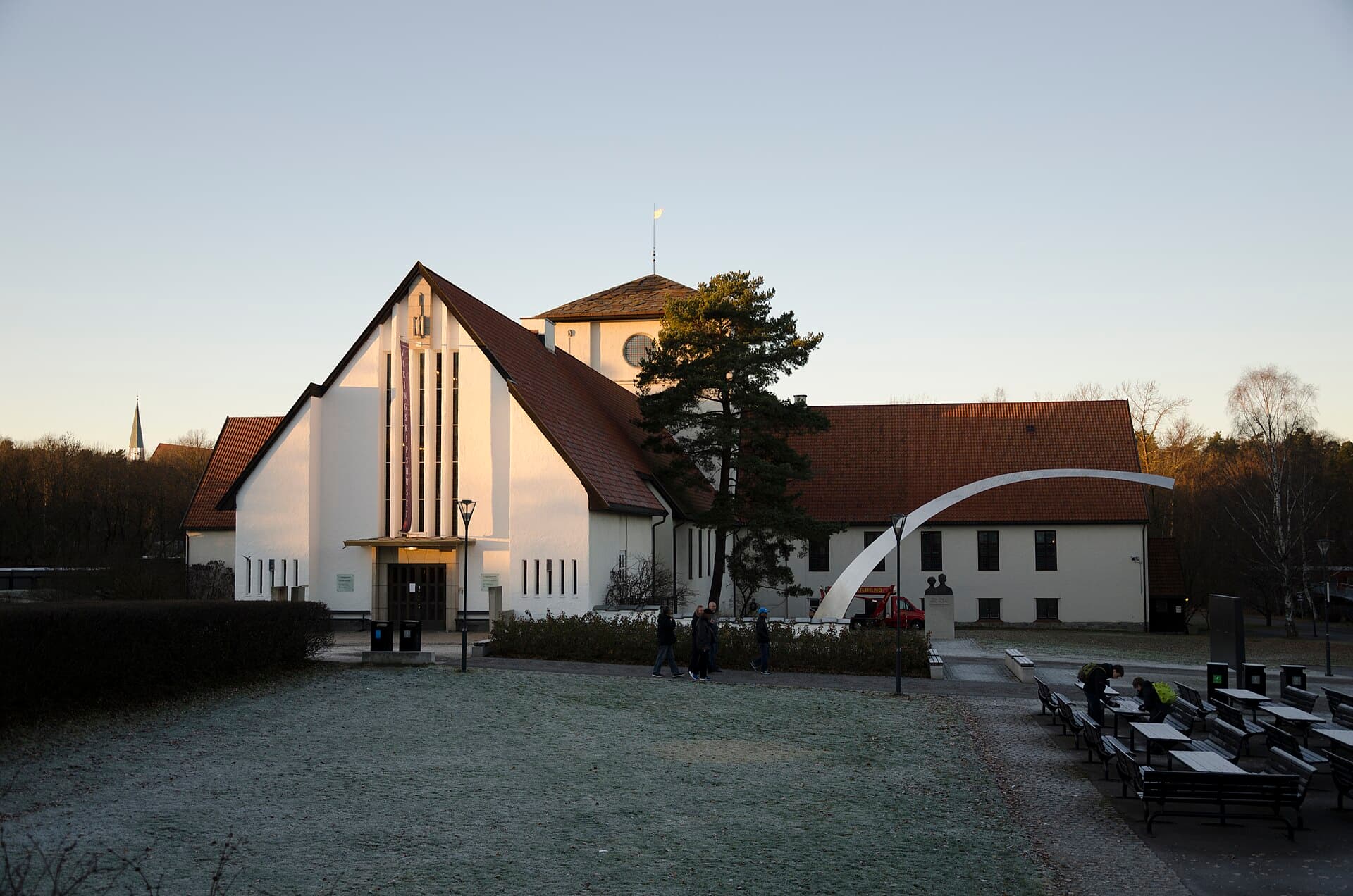 The Viking Ship Museum (Museum of the Viking Age)The Viking Ship Museum holds the most complete Viking wooden ships surviving on 10 minutes walk4.3
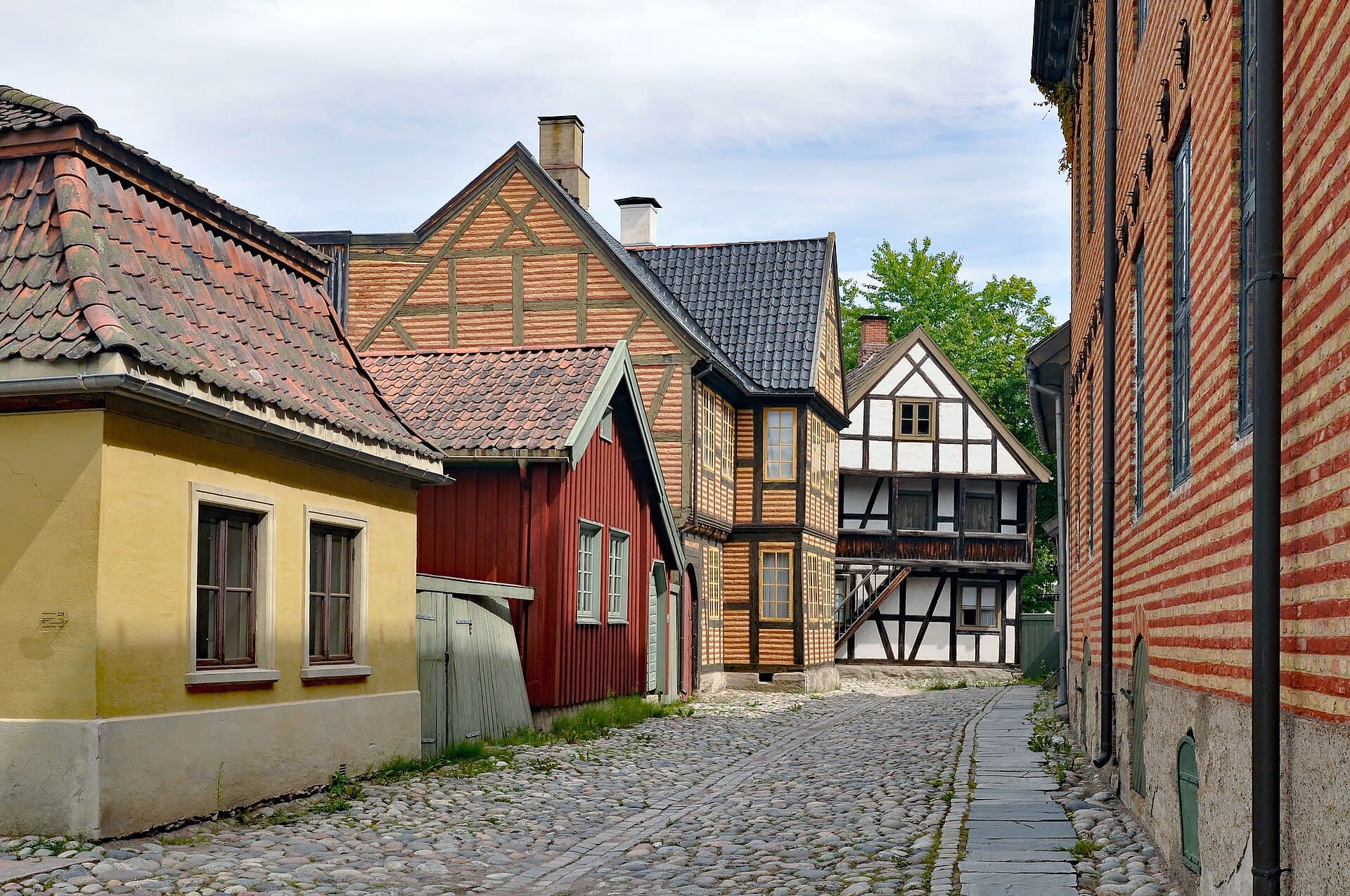 The Norwegian Museum of Cultural HistoryThe Folk Museum is Norway in miniature, outdoors: over 160 historic buildings mo11 minutes walk4.6
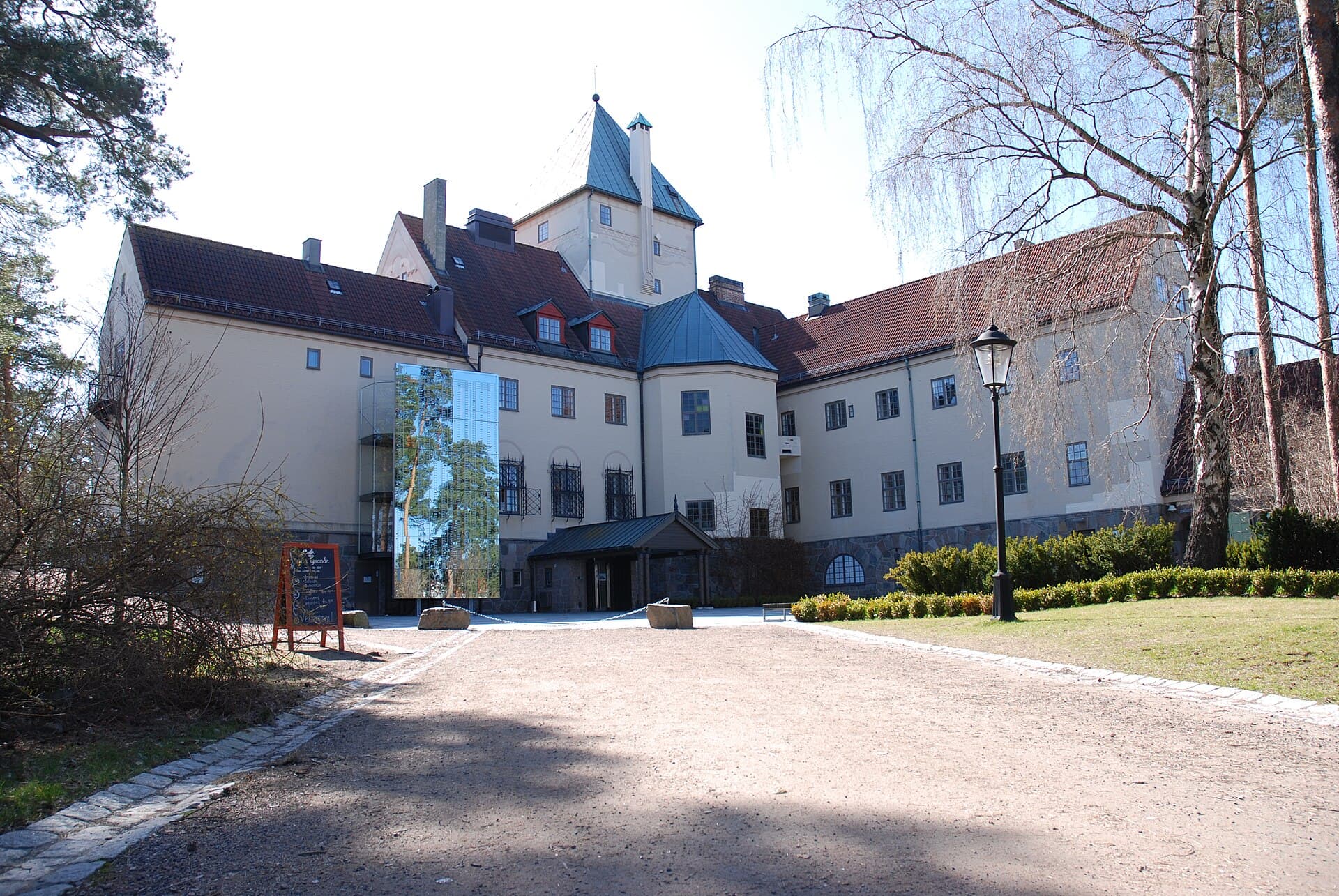 The Holocaust and Minority Studies CentreThe centre occupies Villa Grande on the Bygdøy peninsula, a large house whose hi15 minutes walk4.5
Take the ferry from the Rådhusbrygge pier in front of the city hall in summer — a ten-minute crossing and far better than bus thirty. Order it: the Viking Ship Museum first if it is open (it has been in a long rebuild — check), then the open-air folk museum with its stave church, then the Fram, Kon-Tiki and Maritime museums, which stand together at the point. A comfortable full day, and Bygdøy has beaches if the weather is good.