
The Oseberg ship
Complex spiral carving — the most famous Viking relic.
Peulle — CC BY-SA 4.0 · Jac Brun — Public domain · Unknown authorUnknown author — Public domain · Narve Skarpmoen — Public domain
The Viking Ship Museum holds the most complete Viking wooden ships surviving on earth: the Oseberg, Gokstad and Tune — raised from royal graves preserved in decay-blocking blue clay (9th-10th century), buried with their treasures as queens and nobles prepared for a seaborne afterlife journey — the Oseberg especially, its complex spiral carving the world's most famous Viking relic. The original building (1926) that housed them a century has been progressively closing over risk to the fragile ships from vibration — the collection is now moving to the larger new Museum of the Viking Age on the same site, a long-running construction expected to open later this decade. If in Oslo during the partial closure: check the Museum of Cultural History's site before planning around it — parts of the collection may show temporarily elsewhere, and Bygdøy itself (Fram, the Folk Museum) still fills a beautiful, historic day.
Complex spiral carving — the most famous Viking relic.
Blue clay preserving wood a thousand years.
Huskolveien 19, 0287 Oslo
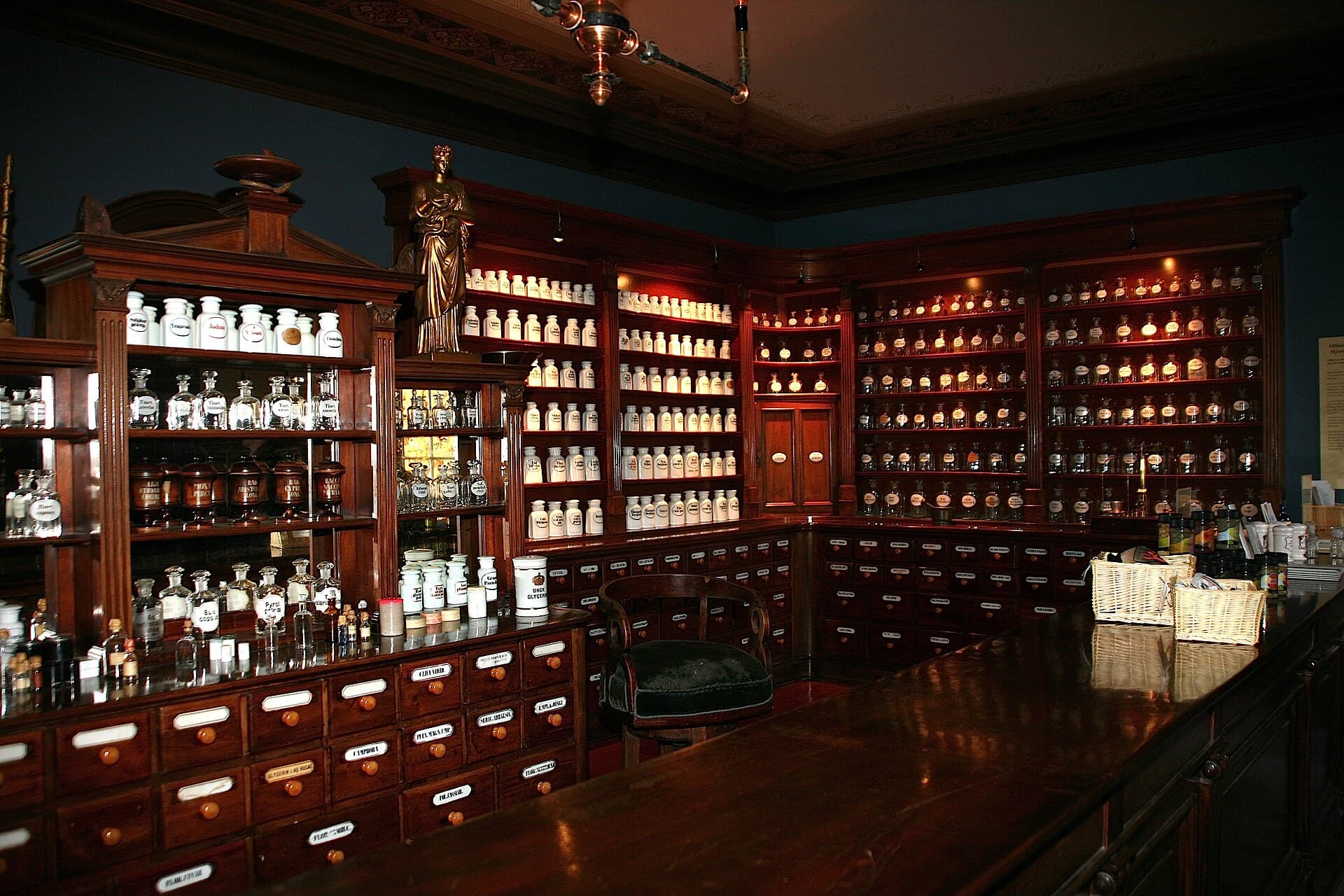 The Norwegian Pharmacy MuseumA small museum of pharmacy history inside the grounds of the Norwegian Folk Muse3 minutes walk4.8
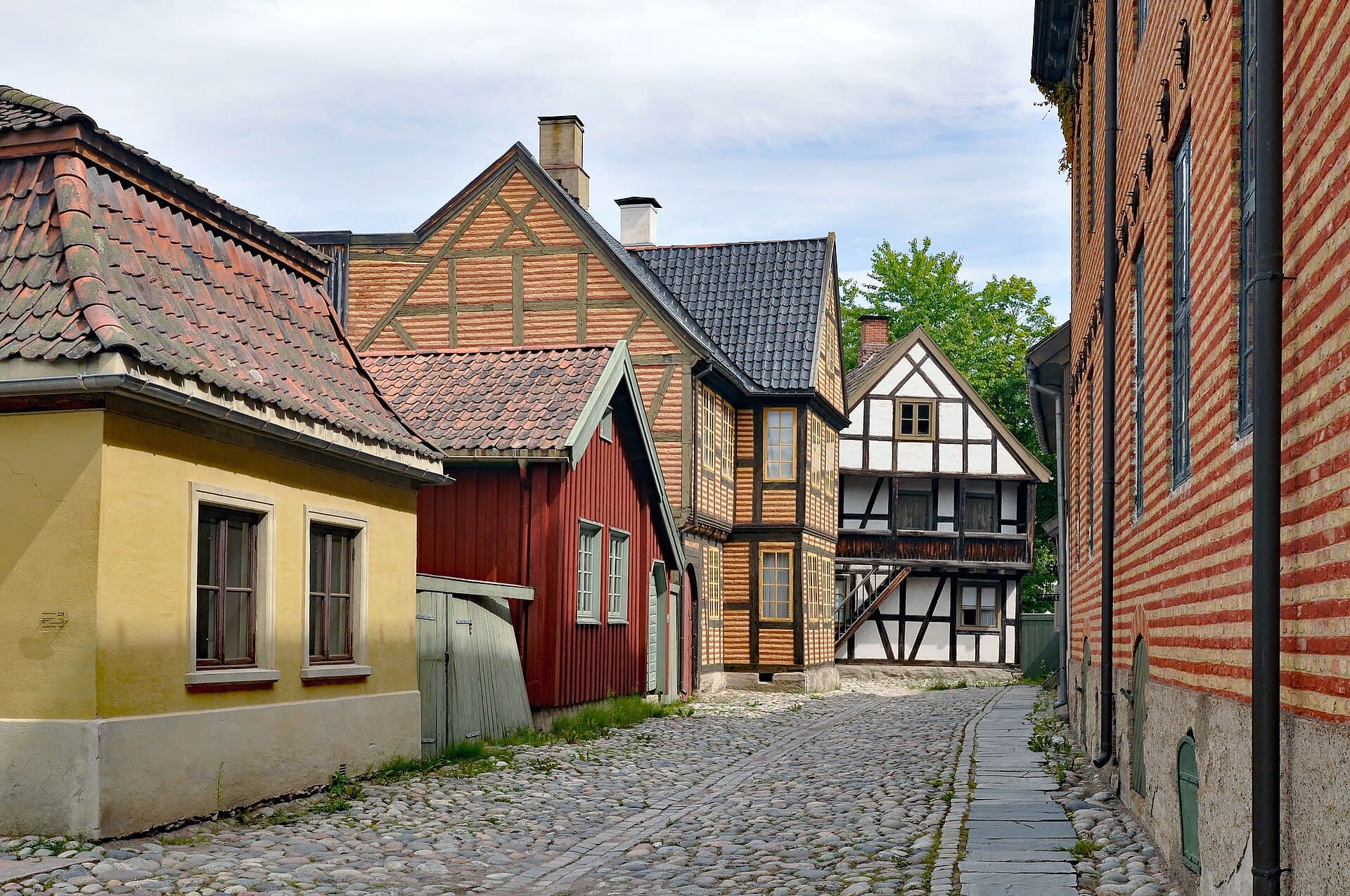 The Norwegian Museum of Cultural HistoryThe Folk Museum is Norway in miniature, outdoors: over 160 historic buildings mo3 minutes walk4.6
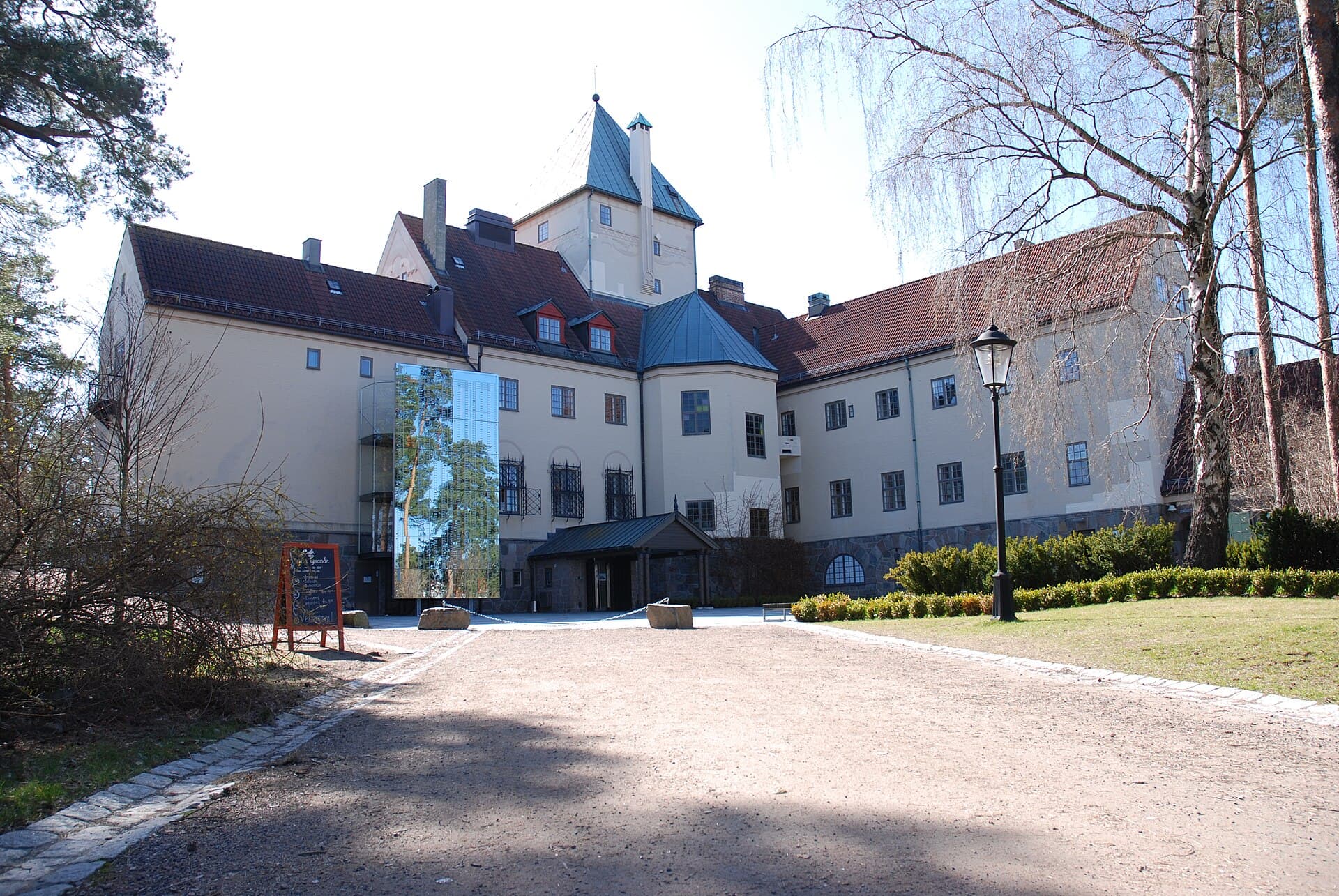 The Holocaust and Minority Studies CentreThe centre occupies Villa Grande on the Bygdøy peninsula, a large house whose hi9 minutes walk4.5
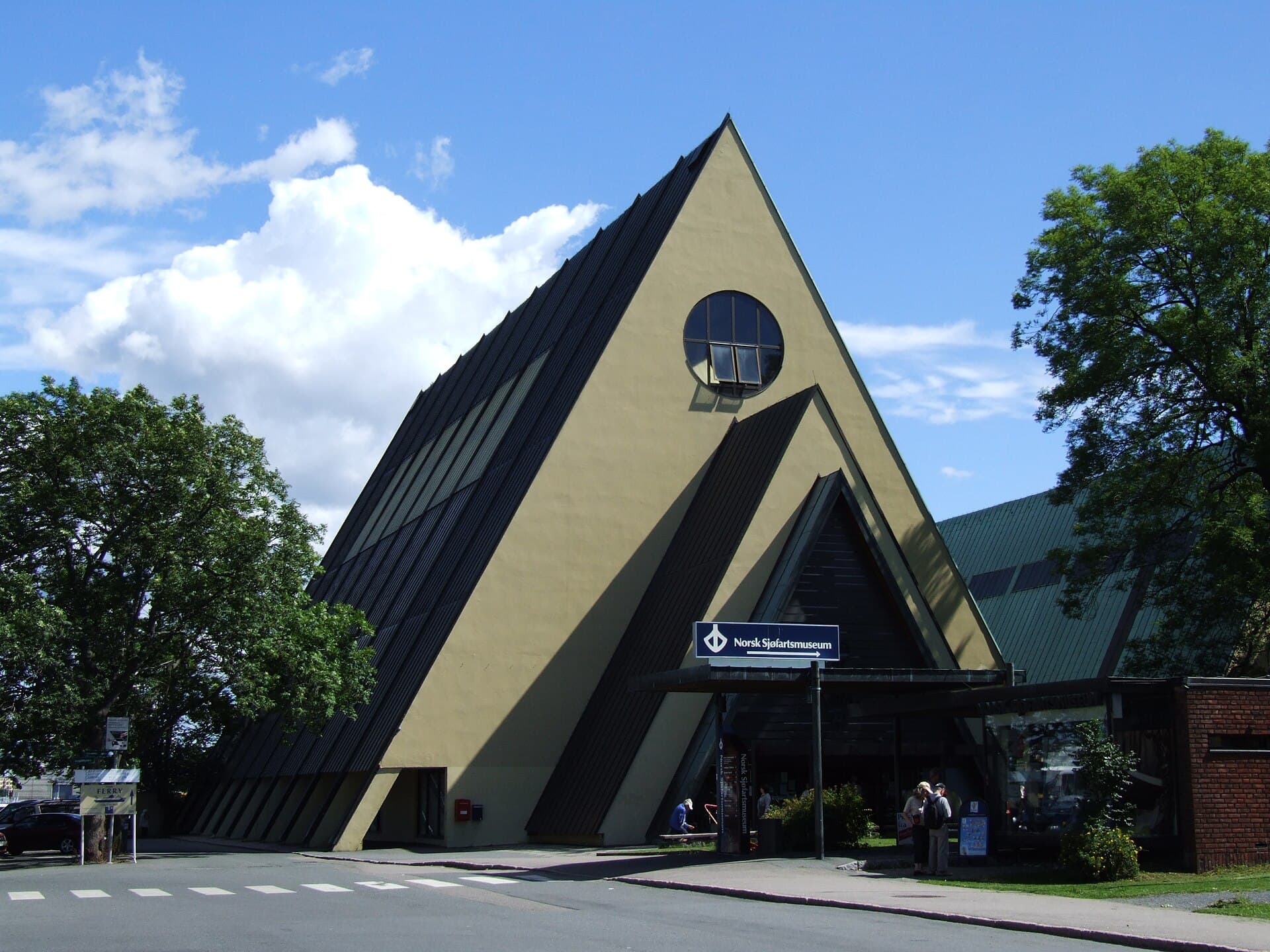
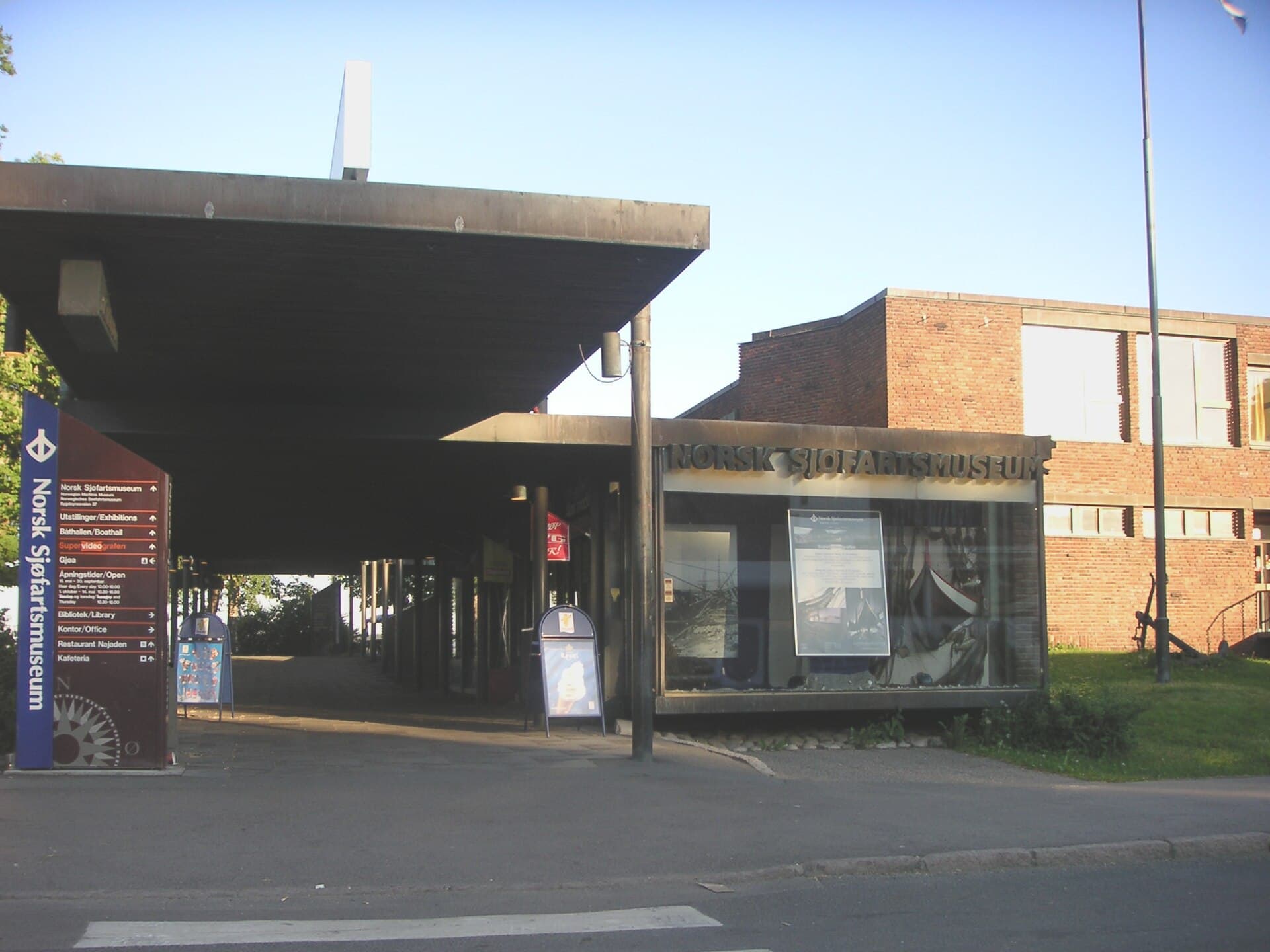 The Norwegian Maritime MuseumThe Norwegian Maritime Museum stands on the Bygdøy peninsula west of Oslo, the l10 minutes walk4.3
 The Fram MuseumFram is the ship that sailed farthest north and farthest south of any vessel on 11 minutes walk4.6
Engineering studies found the fragile ships exposed to cumulative damage from visitor vibration and the old building itself — Norway chose a larger new museum with advanced vibration protection on the same site over restoring the old one. The decision protects the heritage rather than neglecting it — the new opening is awaited as a national event.