
A trade that gave a name
The vinegar makers worked here, and Rome's streets carry their crafts' names.
Lalupa — CC BY-SA 4.0 · Lalupa — CC BY-SA 4.0 · Lalupa — CC BY-SA 4.0 · Kleuske — CC BY 3.0 nl
A small arch on a side street near Campo de' Fiori, leading to a medieval inner courtyard that has stayed as it was while the city around it changed entirely. The courtyard is very small and unarranged: peeling ochre walls, an external stone stair, wooden balconies, plant pots and sometimes washing hung out. Nothing in it is prepared for visitors. The name comes from an old trade: the vinegar makers worked in this district, and many streets in old Rome carry the names of the crafts that gathered in them. The value of the place is that it shows what Rome was before the wide streets were cut through in the late nineteenth century: a mass of courtyards, lanes and houses pressed together, most of it demolished to build the modern city. The courtyard is private and lived in although it is open — enter quietly and respectfully, and do not photograph residents' windows.
The vinegar makers worked here, and Rome's streets carry their crafts' names.
A mass of courtyards, mostly demolished in the late nineteenth century.
A stone stair, wooden balconies and hanging washing.
Near Campo de' Fiori, central Rome
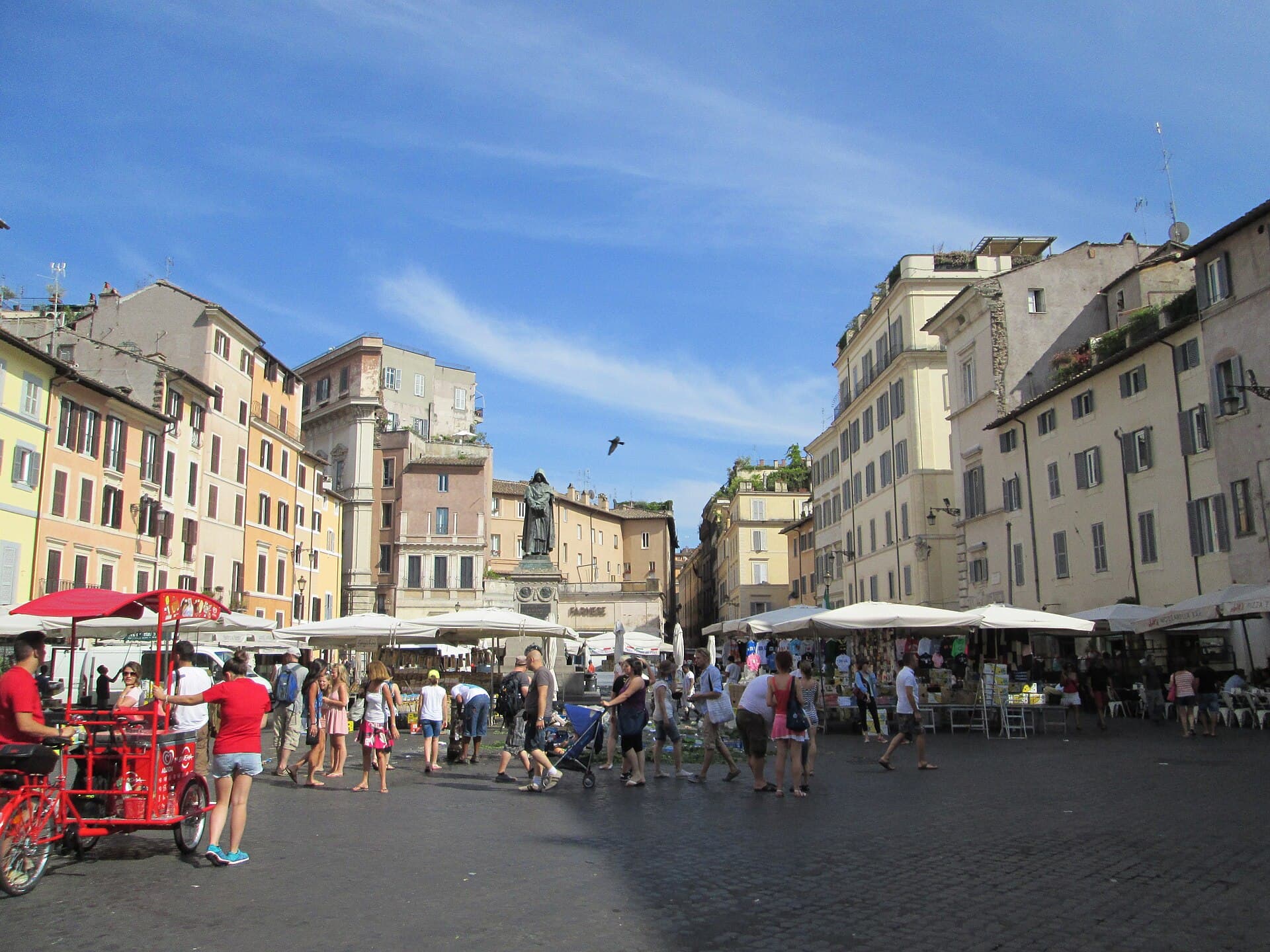 Campo de' FioriThe only square in historic central Rome without a church — and that is no accid1 minute walk4.5
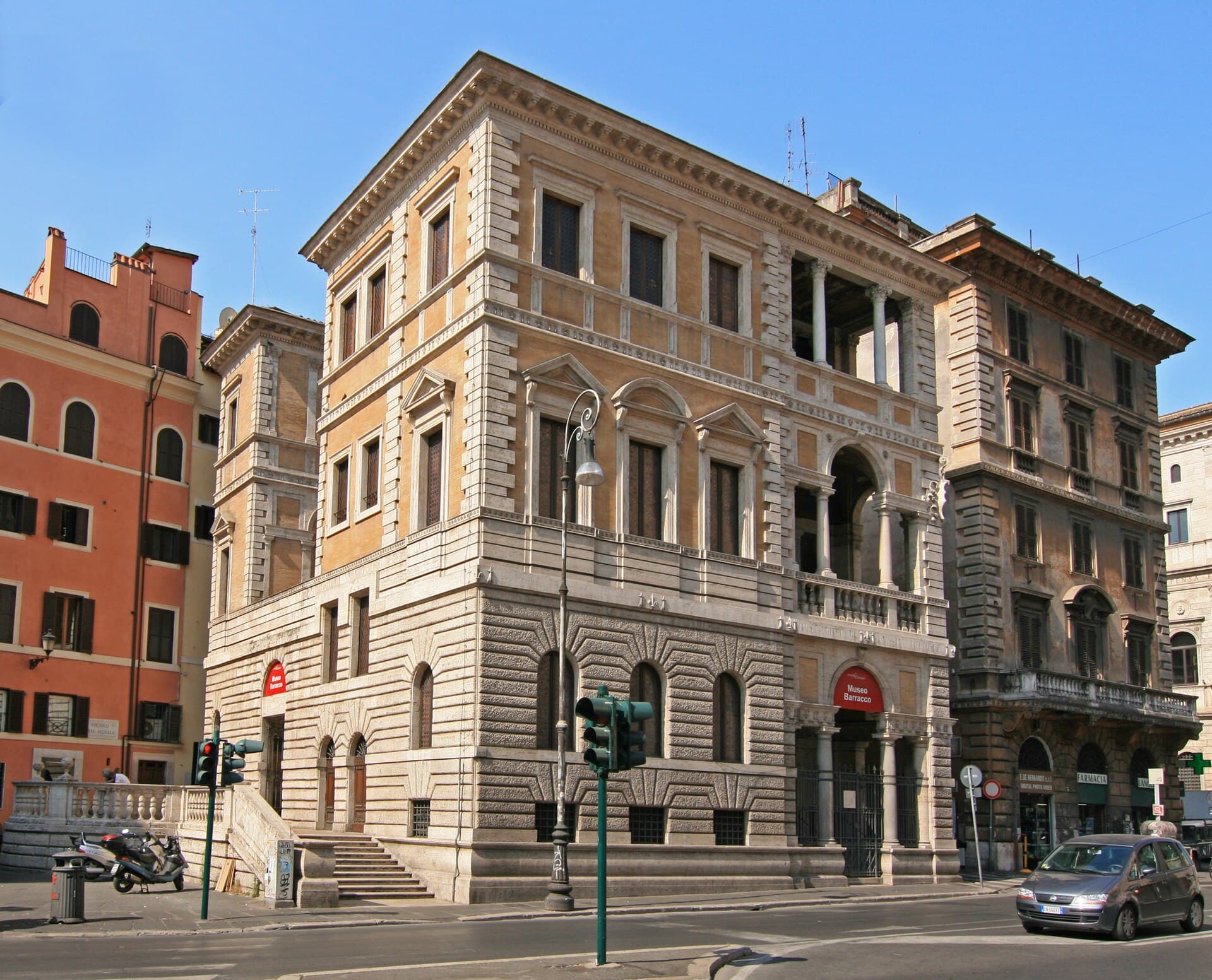 Barracco Museum of Ancient SculptureThe building has been carrying the wrong name for five centuries. Its cornices a1 minute walk4.5
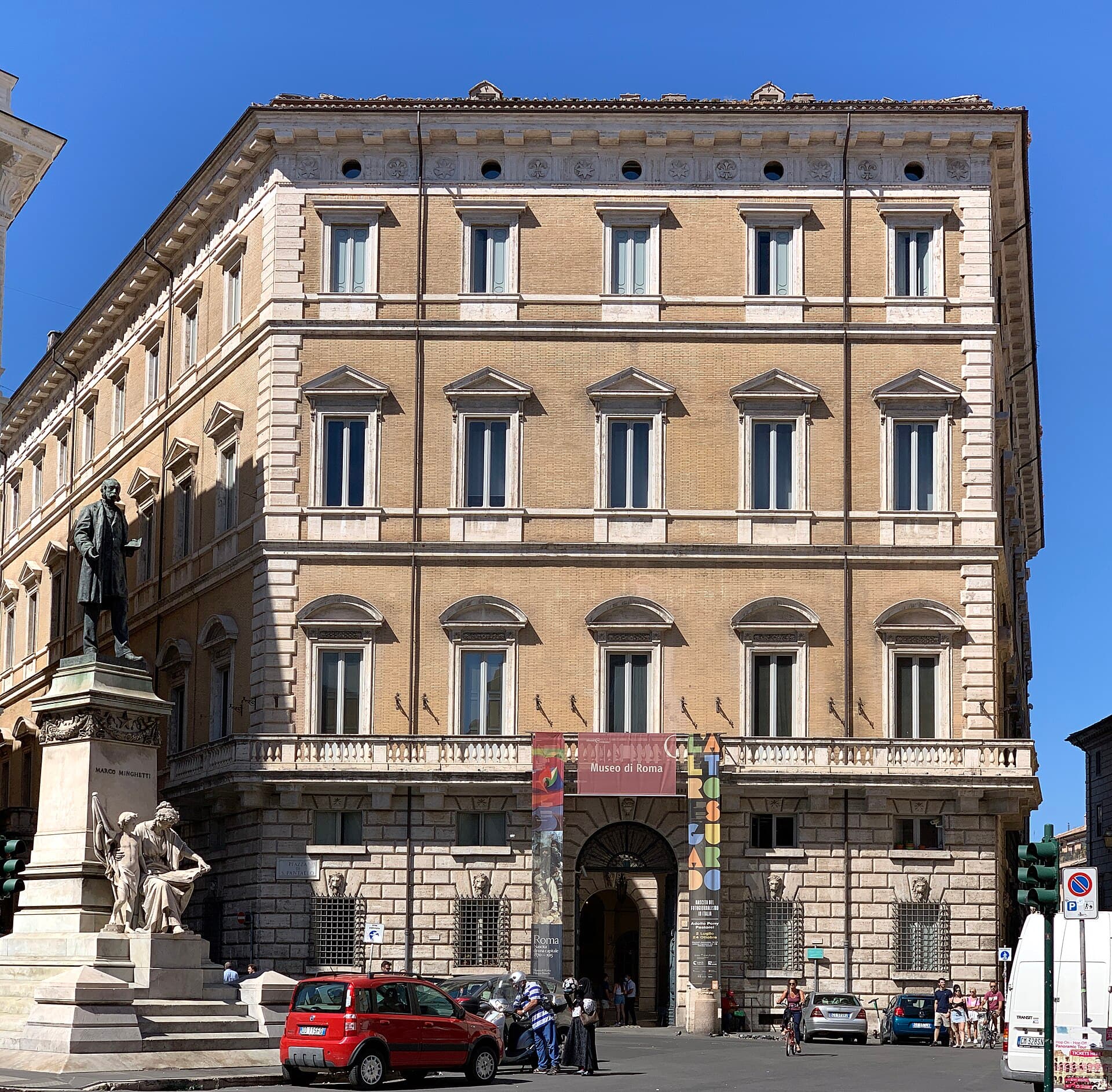 Palazzo BraschiA late eighteenth-century palace on the edge of Piazza Navona, built by Pope Piu2 minutes walk4.4
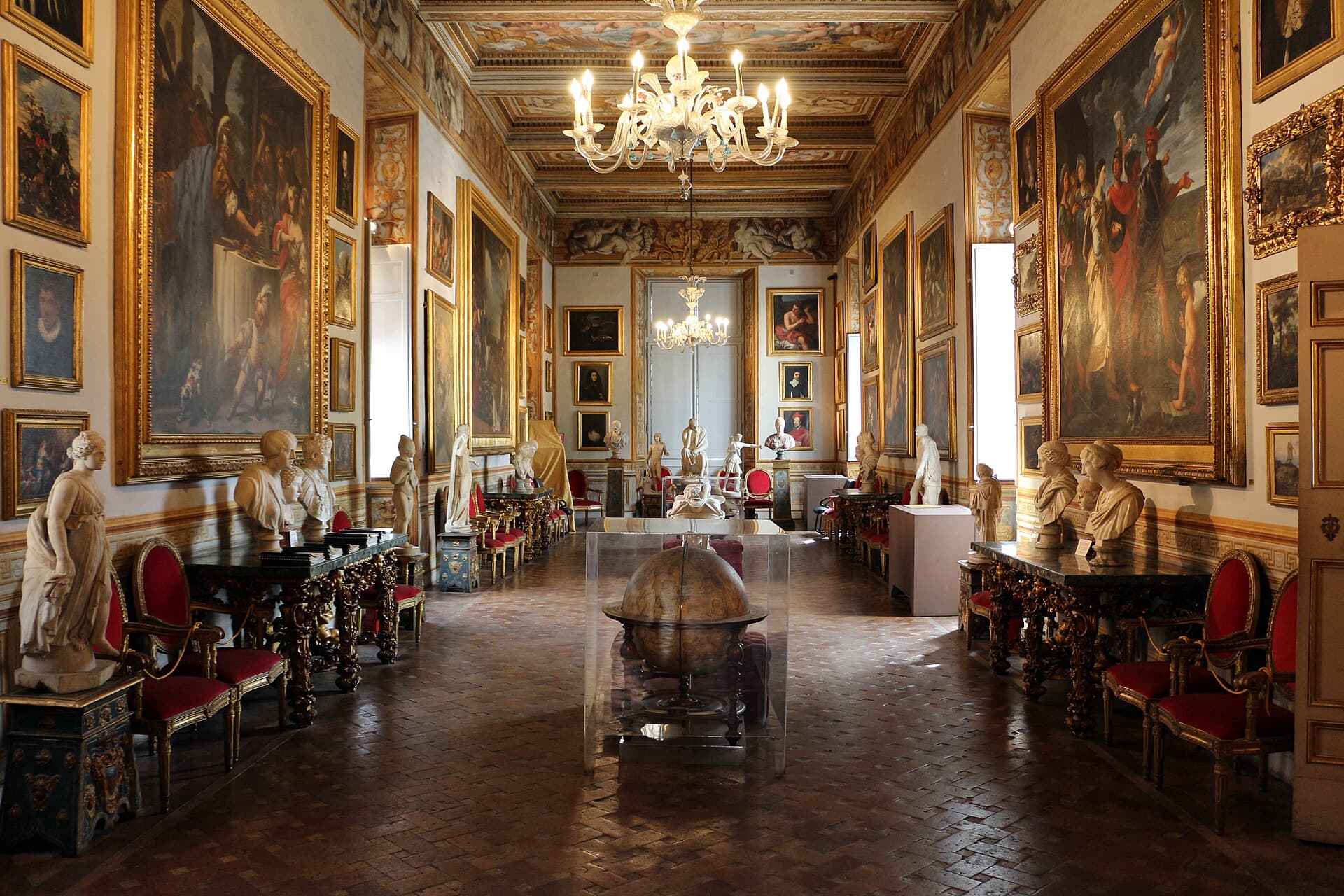 Galleria SpadaA corridor that looks thirty-seven metres long is in fact about eight. The statu3 minutes walk4.4
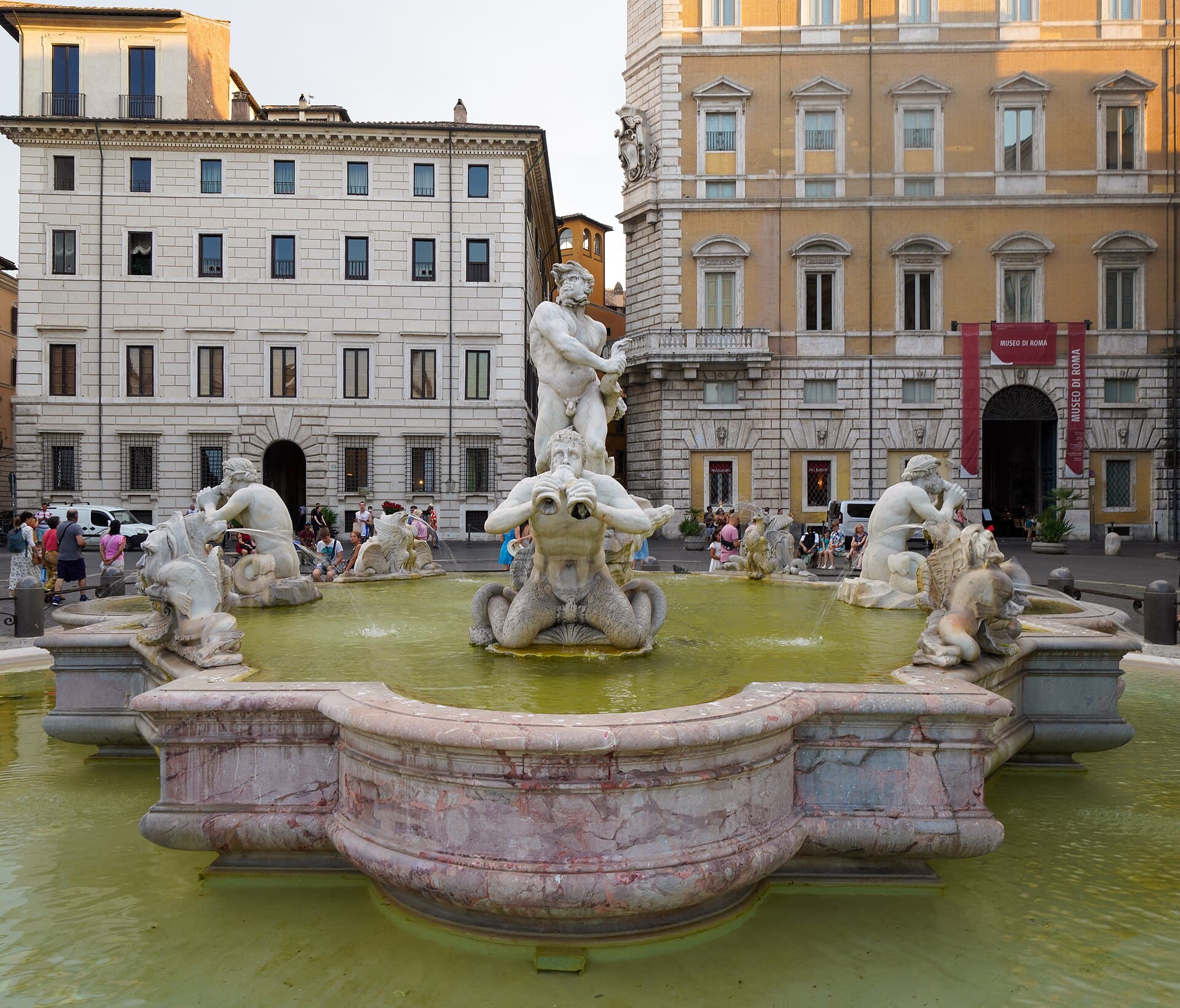 Fontana del MoroThree fountains punctuate Piazza Navona, and the most famous stands at its centr3 minutes walk4.9
Looking for halal food near The Arch of the Vinegar Makers? There are several options nearby, from Moroccan and Indian kitchens to quick casual spots and places with a view. Confirm the halal status and opening hours before you go — these can change.
After Rome became the capital of a united Italy in 1871 it needed the fabric of a modern capital: ministries, wide streets, bridges and embankments to stop the river flooding. Whole medieval districts were demolished and their residents moved out, including much of the old Jewish quarter. It happened again in the 1930s when the fascist government cut Via dei Fori Imperiali over the forums and demolished the Borgo district in front of St Peter's. What survives of old Rome is scattered in pockets like this one.
The square itself is a vegetable market in the morning and nightlife in the evening, with the statue of Giordano Bruno at its centre, burned here in 1600. Around it: Piazza Farnese with its great palace, today the French embassy; the long straight Via Giulia; and the Jewish quarter to the east with its restaurants and the Theatre of Marcellus. All within a short walk.