
The hop merchant's villa
The home of a Jewish family enriched by the hop trade.
Demidow — CC BY-SA 3.0 · Tilman2007 — CC BY-SA 4.0 · Tilman2007 — CC BY-SA 4.0 · HerrMay — CC BY-SA 4.0
A municipal museum of regional art housed in a neo-baroque merchant's villa in the Marienvorstadt, put up between eighteen ninety-three and eighteen ninety-five. The building is half the story. It was raised by the Jewish couple Emil Hopf and Elisabeth Auguste, and the Hopfs were substantial hop merchants at a time when Nuremberg had become an internationally important hub for trading the one crop that beer cannot be made without. That gives the villa a double character: a listed monument on one hand, and a quiet memorial to the commercial history of Nuremberg's Jewish families on the other. It opened as a museum on the twenty-third of May two thousand and fourteen as part of the city's art and culture quarter, and the collection has grown since to some five and a half thousand works documenting the art of the city and its region from nineteen hundred onwards. Visiting is a calm, unhurried business: former living rooms turned one by one into galleries, with temporary shows alongside the permanent display. An hour to ninety minutes is plenty. Note that it closes on Mondays, that entry is free on Wednesday evenings between six and eight, and that a nine-euro day pass also opens the neighbouring Kunsthalle and Kunsthaus if you intend to see more than one building.
The home of a Jewish family enriched by the hop trade.
Five and a half thousand works from nineteen hundred on.
Blumenstrasse 17, 90402 Nuremberg
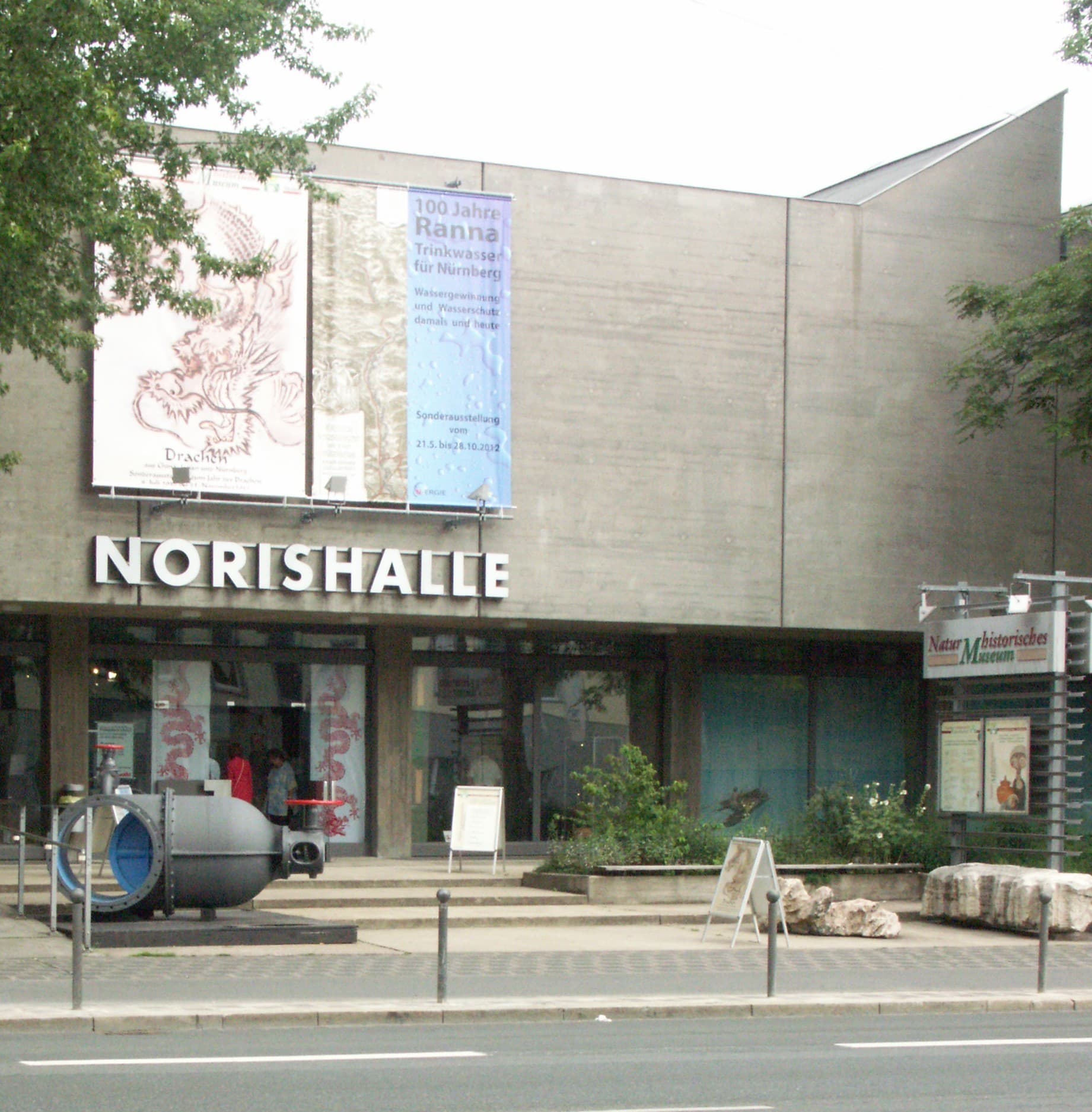 Natural History MuseumNuremberg's natural history museum is run by the Natural History Society founded3 minutes walk4.4
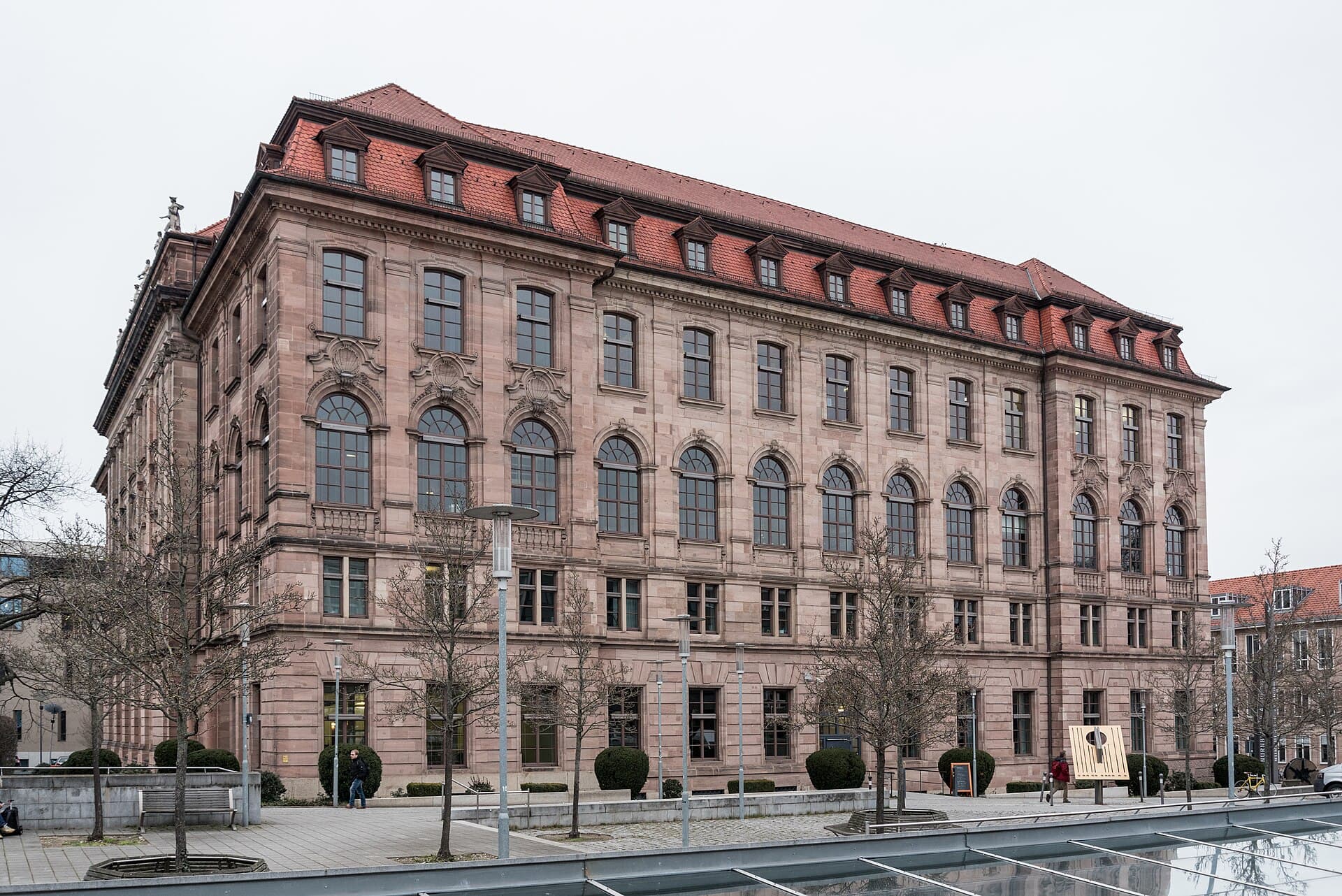 Museum of Applied ArtsNuremberg's applied arts museum is a product of a nineteenth-century European mo4 minutes walk4.5
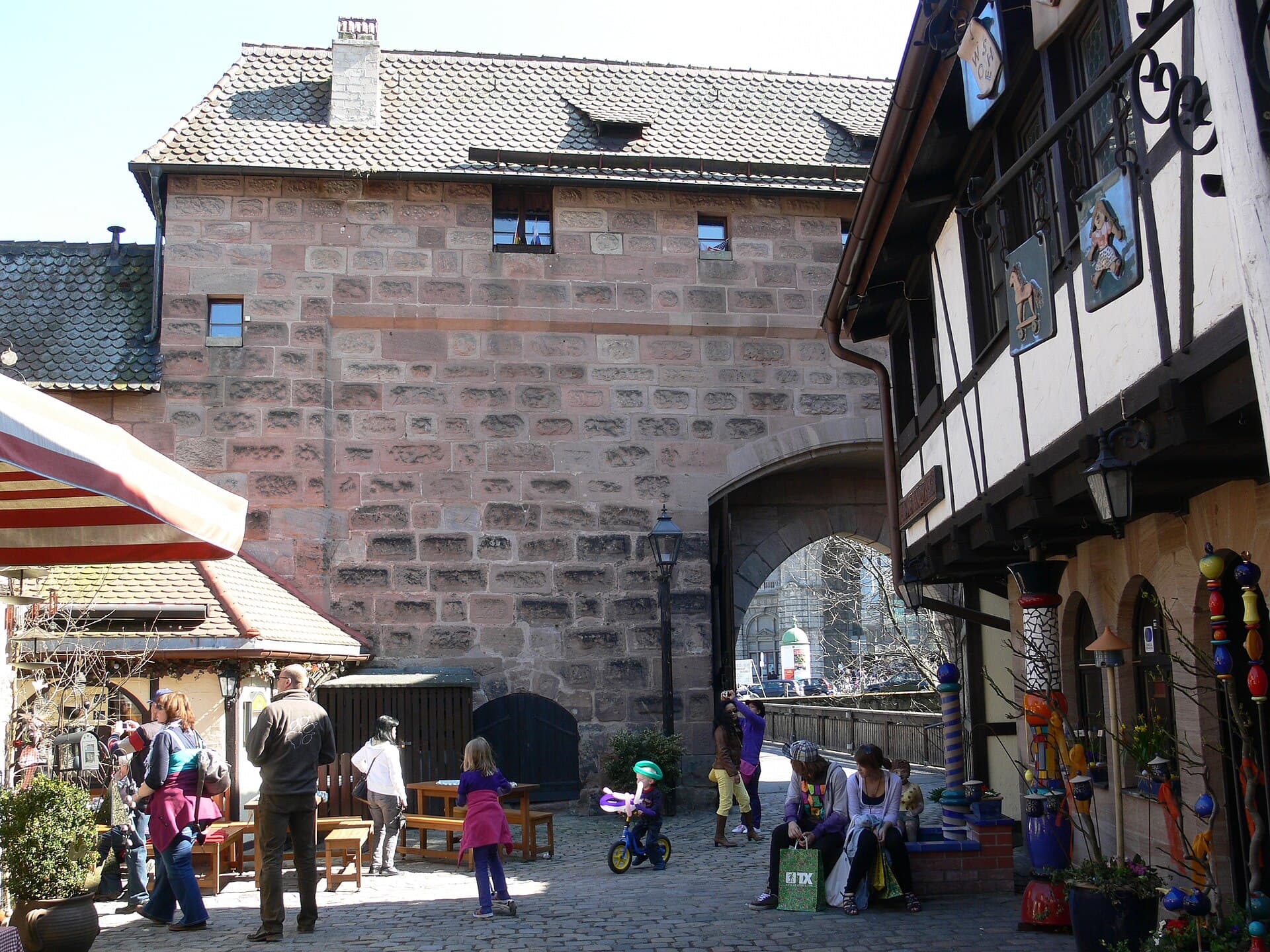 HandwerkerhofThe Handwerkerhof is a cluster of small timber-framed houses set inside the city6 minutes walk4.7
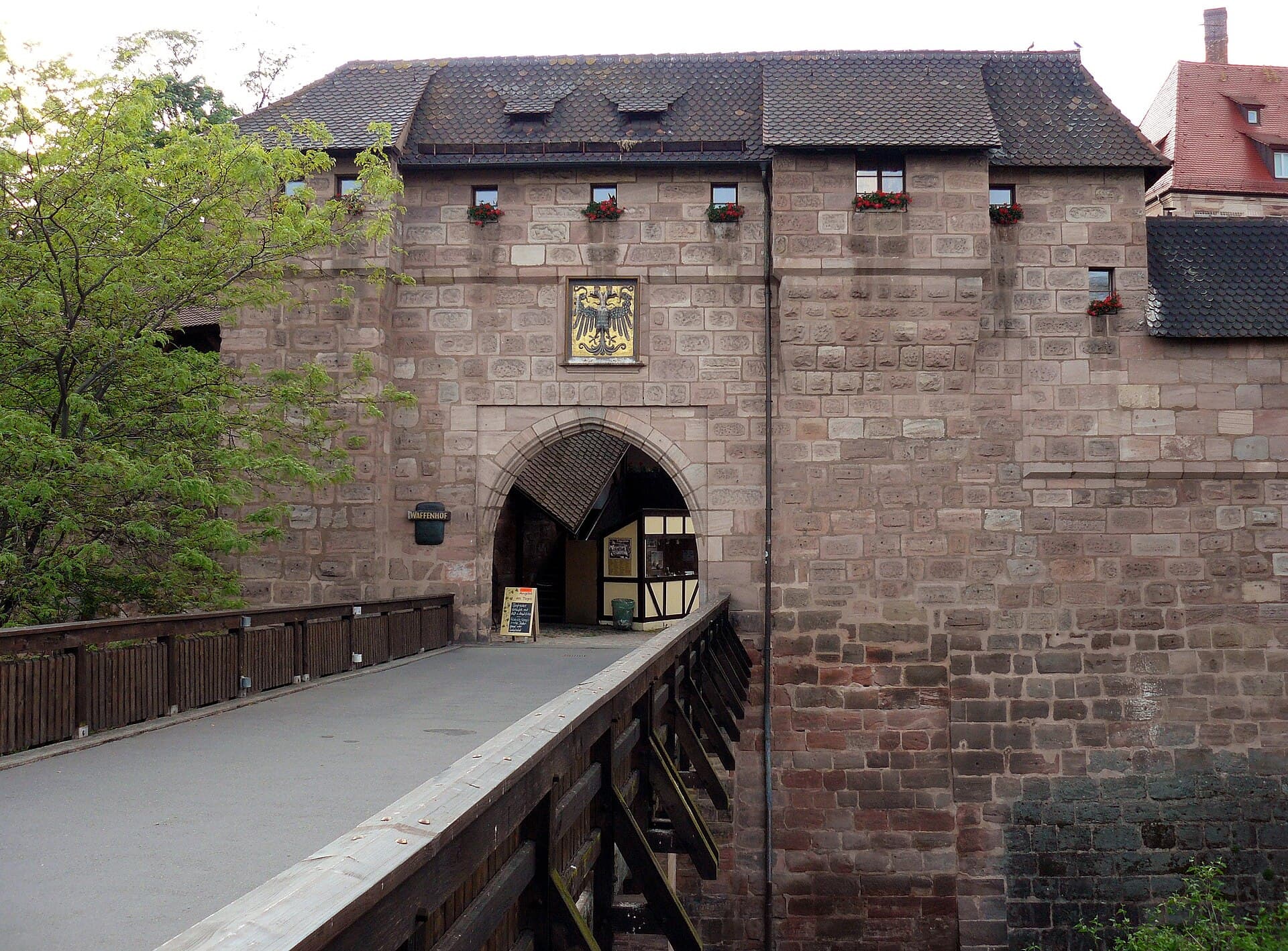 Frauentor GateThe Frauentor is one of the four great gates in Nuremberg's old wall, and its ma7 minutes walk4.6
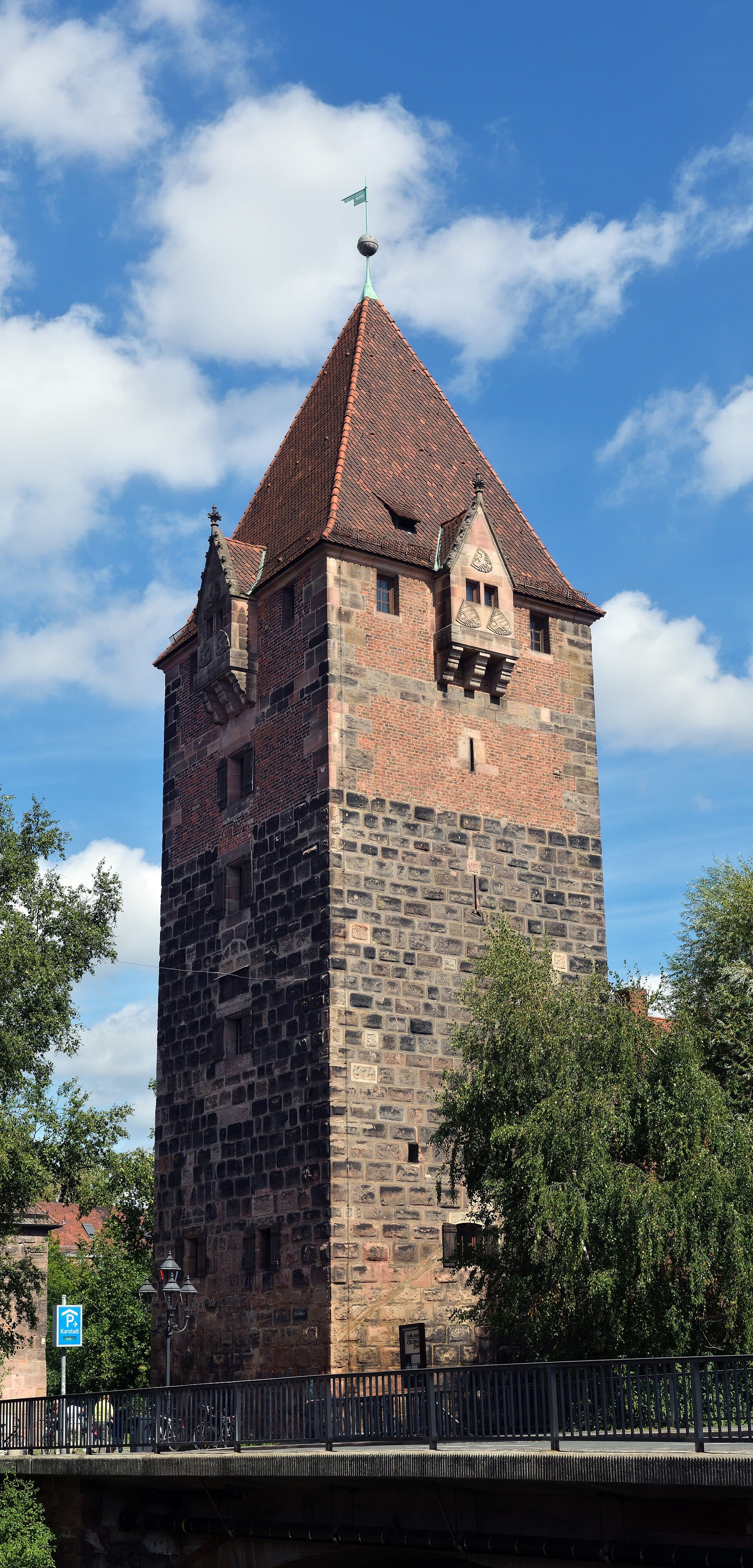 The Debtors' TowerThe Schuldturm is a square stone tower standing in the river Pegnitz inside Nure7 minutes walk4.6
If you have room for one museum in Nuremberg, the Germanisches Nationalmuseum is the obvious choice — it is Germany's largest museum of cultural history. The Kunstvilla is for a second or third day, when you want something smaller and quieter that is about this city and its own twentieth-century artists rather than the nation.