
Bavarian fossils
From a region rich in Jurassic finds.
Naturhistorische Gesellschaft Nürnberg e.V. — Public domain · Diliff — CC BY-SA 3.0 · Diliff — CC BY-SA 3.0 · Diego Delso — CC BY-SA 4.0
Nuremberg's natural history museum is run by the Natural History Society founded in 1801, among the oldest civic scientific societies in Germany — meaning the museum is the product of a citizens' initiative rather than a state institution, and that origin is still visible in its character. The collection is more varied than the name suggests: fossils from the region (Bavaria is rich in Jurassic fossils), minerals, and an ethnological collection on the cultures of Central America specifically — the last unexpected in a regional natural history museum and among its strongest sections. There is also a section on caves and subterranean life, a local subject: the Franconian Switzerland region north of Nuremberg holds hundreds of caves and has produced important fossil discoveries. The museum is small and traditional in presentation and cheap, and it is a reasonable option on a wet day rather than a destination sought out.
From a region rich in Jurassic finds.
Franconian Switzerland holds hundreds of caves.
Gewerbemuseumsplatz 4, 90403 Nuremberg
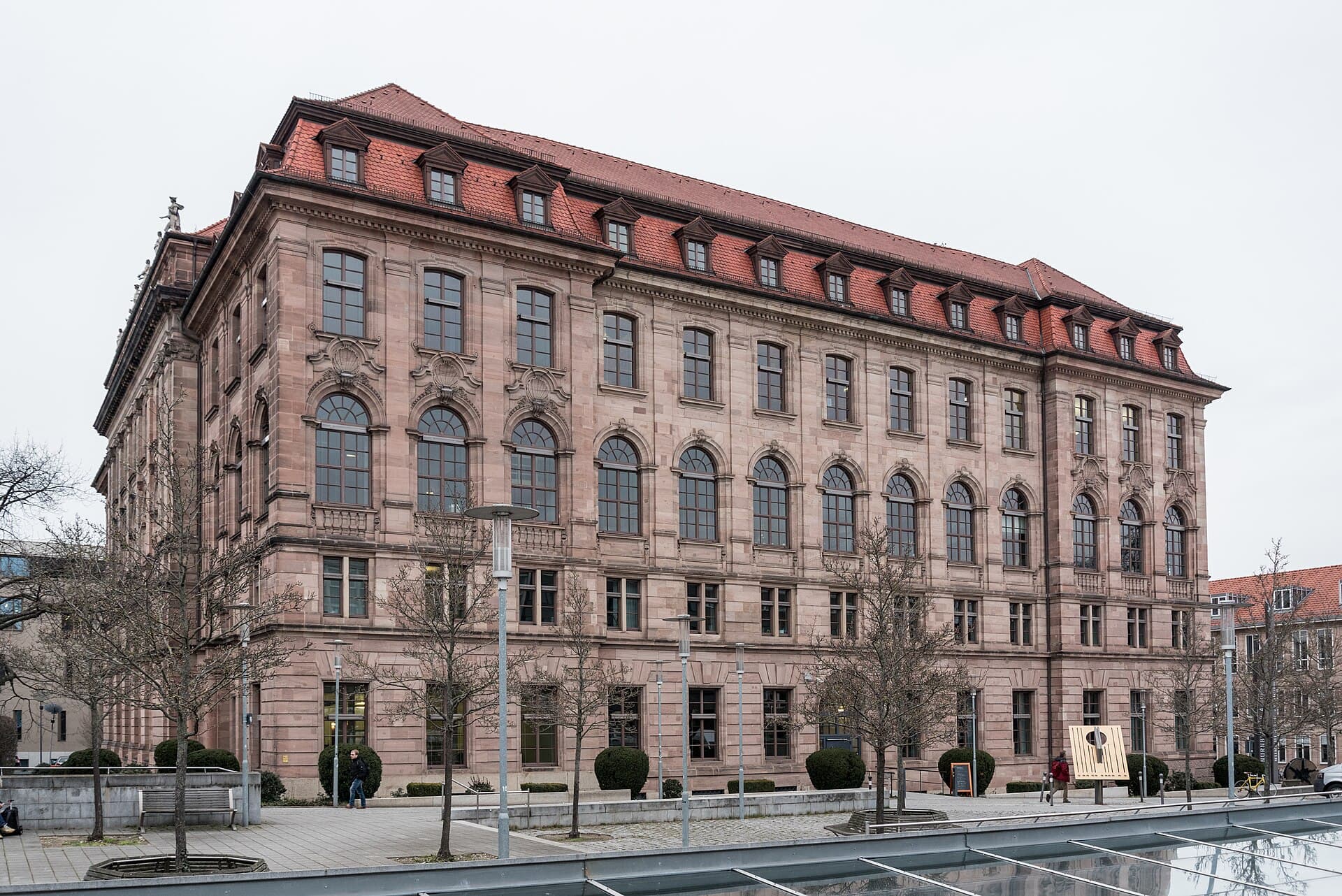 Museum of Applied ArtsNuremberg's applied arts museum is a product of a nineteenth-century European mo1 minute walk4.5
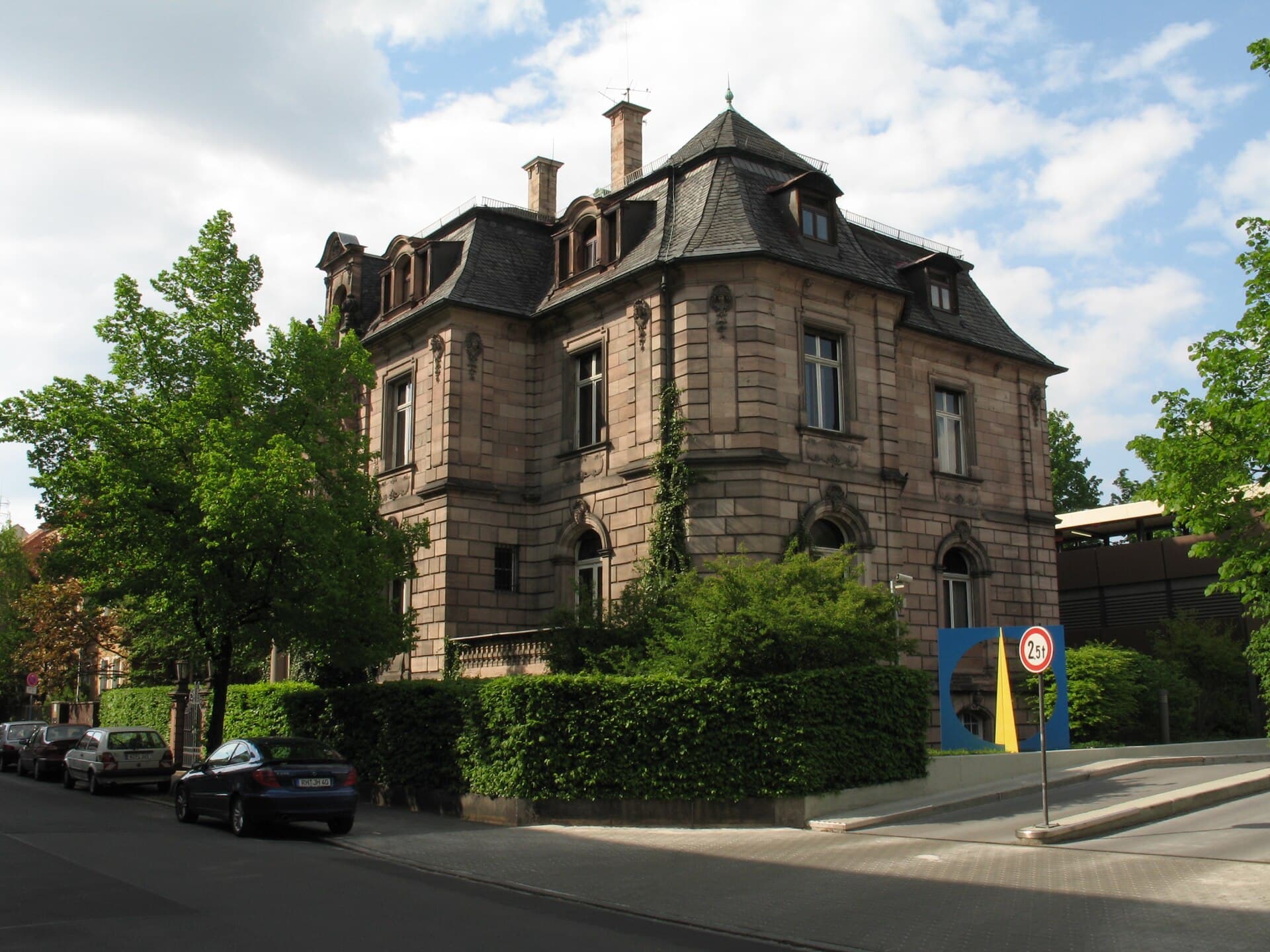 KunstvillaA municipal museum of regional art housed in a neo-baroque merchant's villa in t3 minutes walk4.4
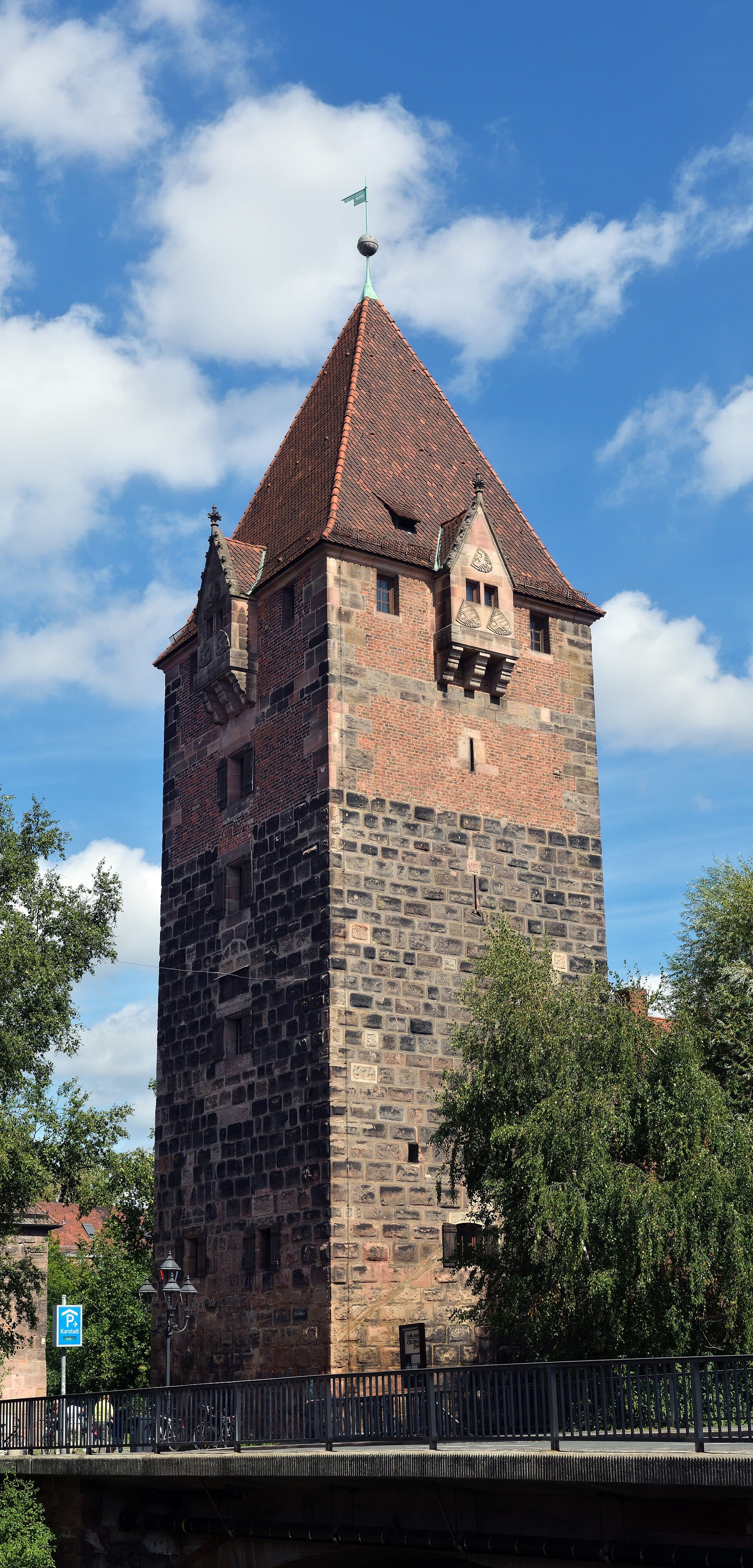 The Debtors' TowerThe Schuldturm is a square stone tower standing in the river Pegnitz inside Nure4 minutes walk4.6
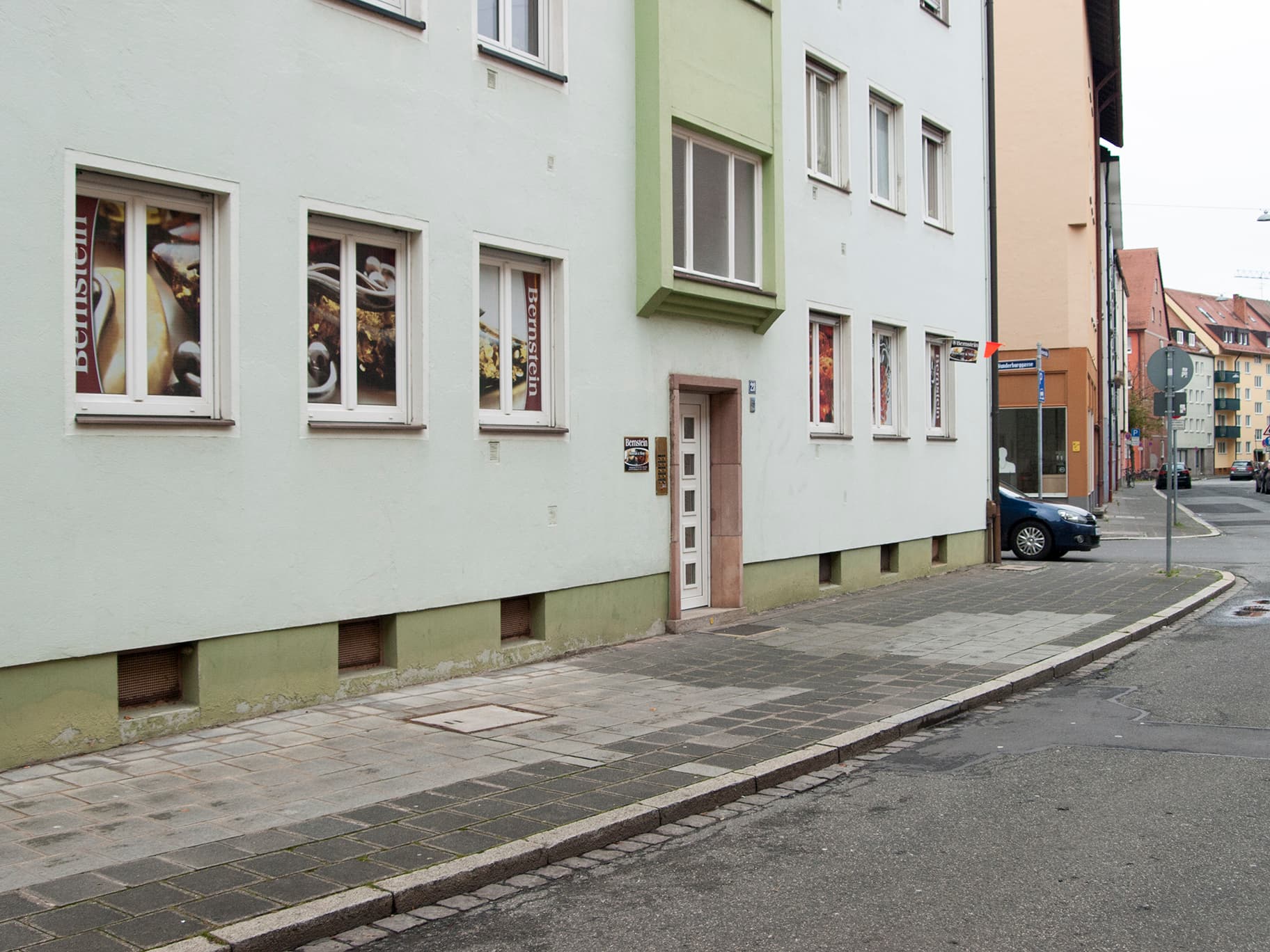 The Amber Museum, NurembergAn amber collection in Nuremberg attached to a commercial shop, showing pieces o5 minutes walk4.8
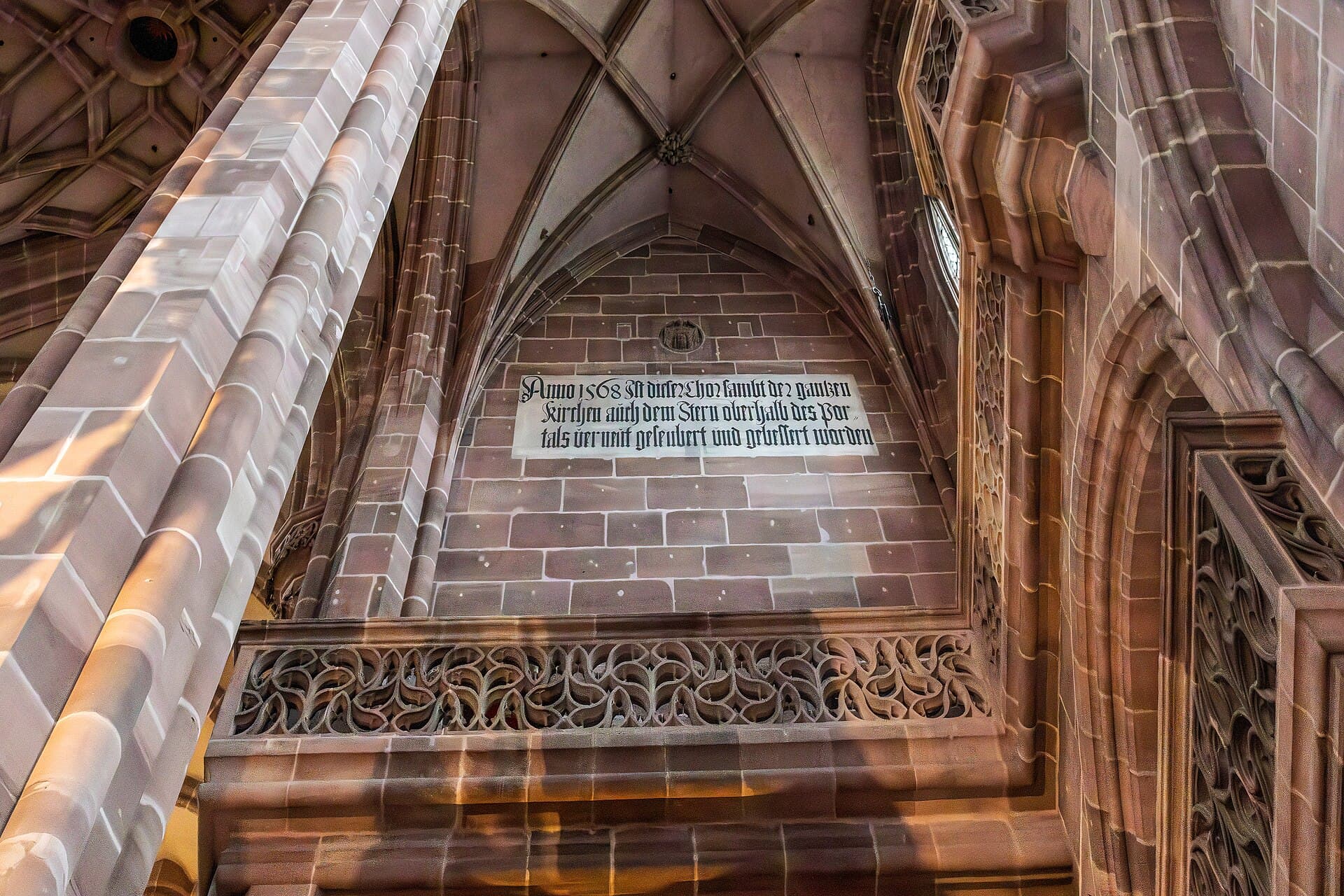 St Lorenz ChurchThe great church of the old town south of the river, its twin towers standing ei6 minutes walk4.6
A region of limestone hills and rock north of Nuremberg, named in the nineteenth century by analogy with the Swiss mountains when it became a destination for romantic excursions. It holds over a thousand caves, eroded rock formations and hilltop castles, and is among Germany's best-known climbing areas. Its caves have produced cave bear bones and Stone Age tools.