
The Poseidon
In bronze at the square's centre before the art museum.
Eskil Malmberg — CC BY 4.0 · Public domain · Andrzej Otrębski — CC BY-SA 4.0 · K. W. Gullers — CC BY-SA 4.0
Götaplatsen is Gothenburg's cultural square, at the upper end of the main avenue **Avenyn**, ringed by the city's major institutions: the **Museum of Art**, the **Concert Hall**, the **City Theatre** and the **Central Library**. It was created in 1923 for the international exhibition held to mark three hundred years since the city's founding, and designed as a statement: Gothenburg is not only an industrial port. At its centre stands the bronze **Poseidon** by the sculptor Carl Milles, placed in 1931 — the sea god standing naked holding a fish, an emblem for a maritime city. It caused a considerable row when unveiled and has been Gothenburg's first symbol ever since. From the art museum steps the view runs down the whole of Avenyn to the river. **The square is free and always open**, and it is where the city celebrates and gathers — when a Gothenburg team wins, people come here.
In bronze at the square's centre before the art museum.
From the museum steps to the river.
Götaplatsen, at the top of Avenyn, Gothenburg
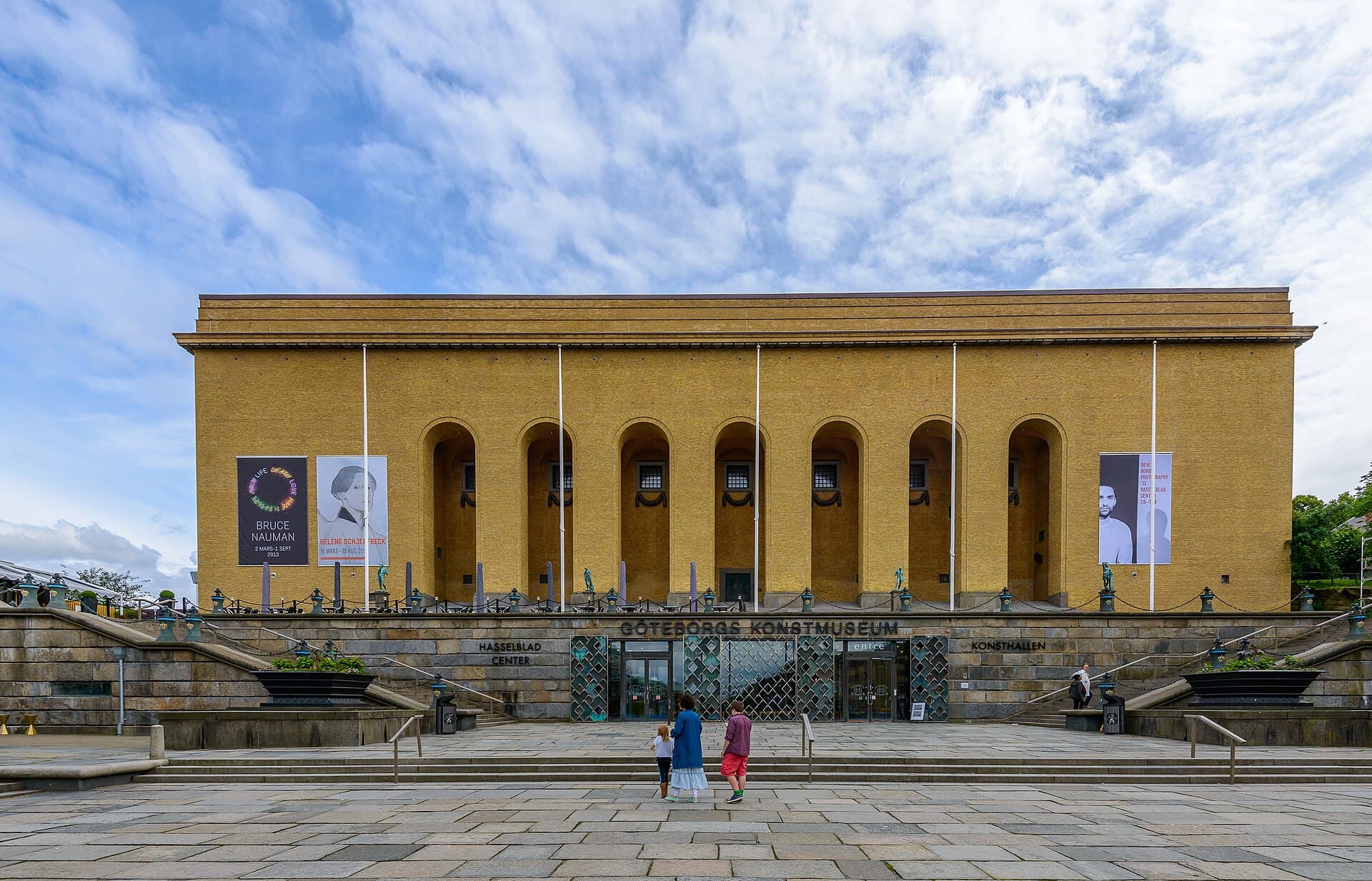 Gothenburg Museum of ArtGothenburg Museum of Art stands at the top of Gotaplatsen square, closing the vi1 minute walk4.7
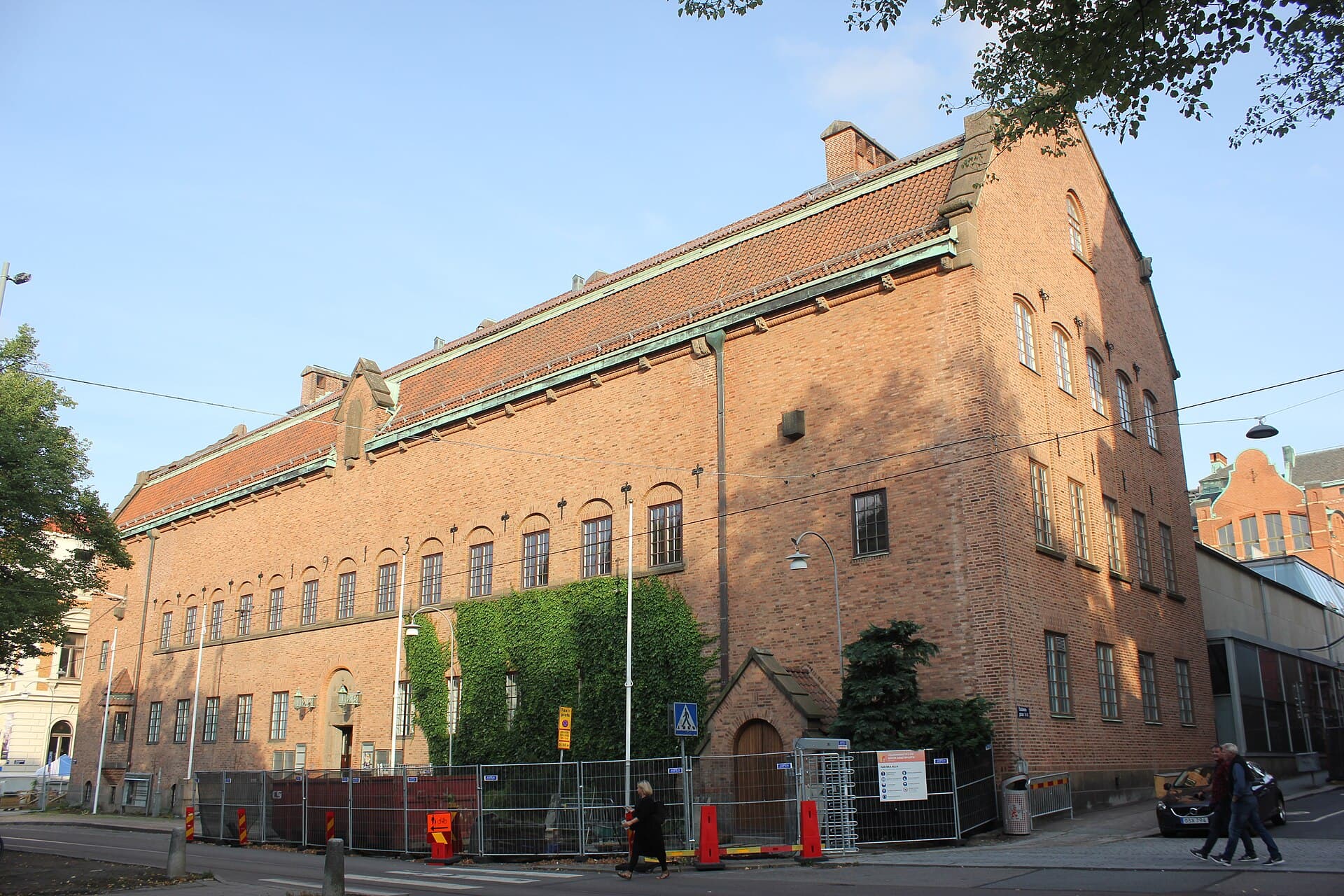 The Röhsska Museum of DesignThe Röhsska is **Sweden's only museum devoted to design and the applied arts**, 6 minutes walk4.3
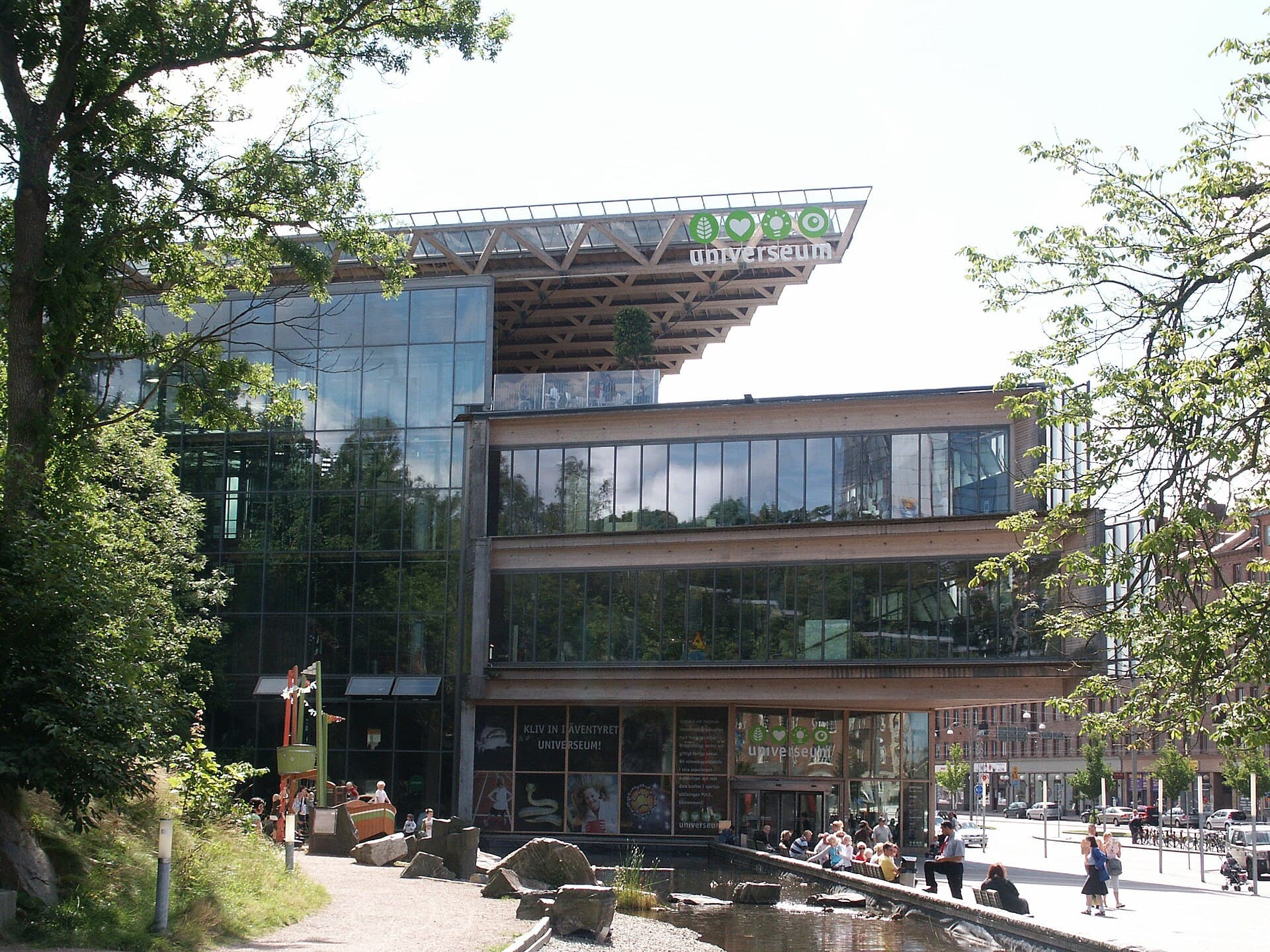 UniverseumUniverseum is a national science centre combining an interactive museum, an indo8 minutes walk4.3
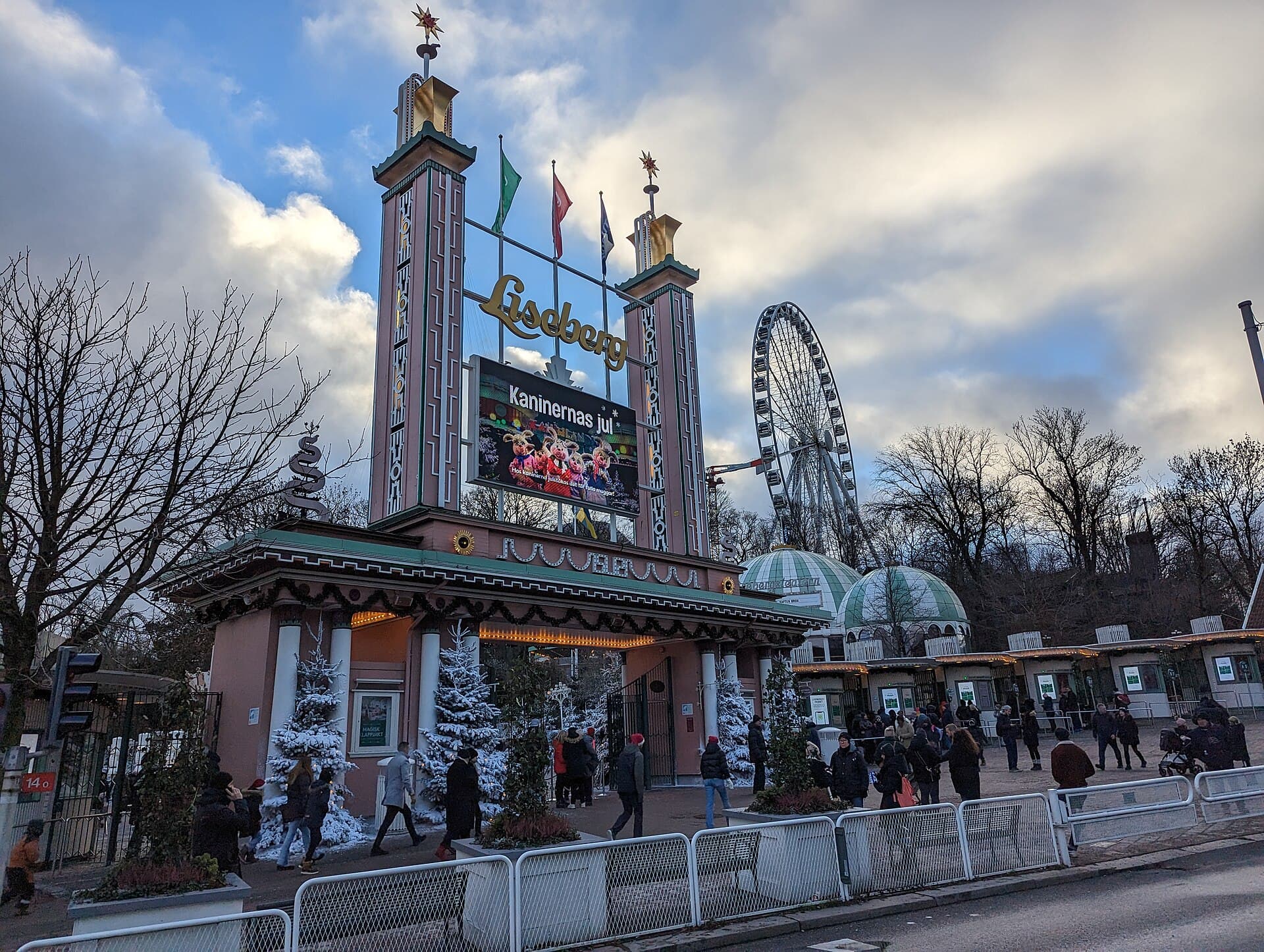 LisebergLiseberg is the largest amusement park in the Nordic countries and the most visi8 minutes walk4.6
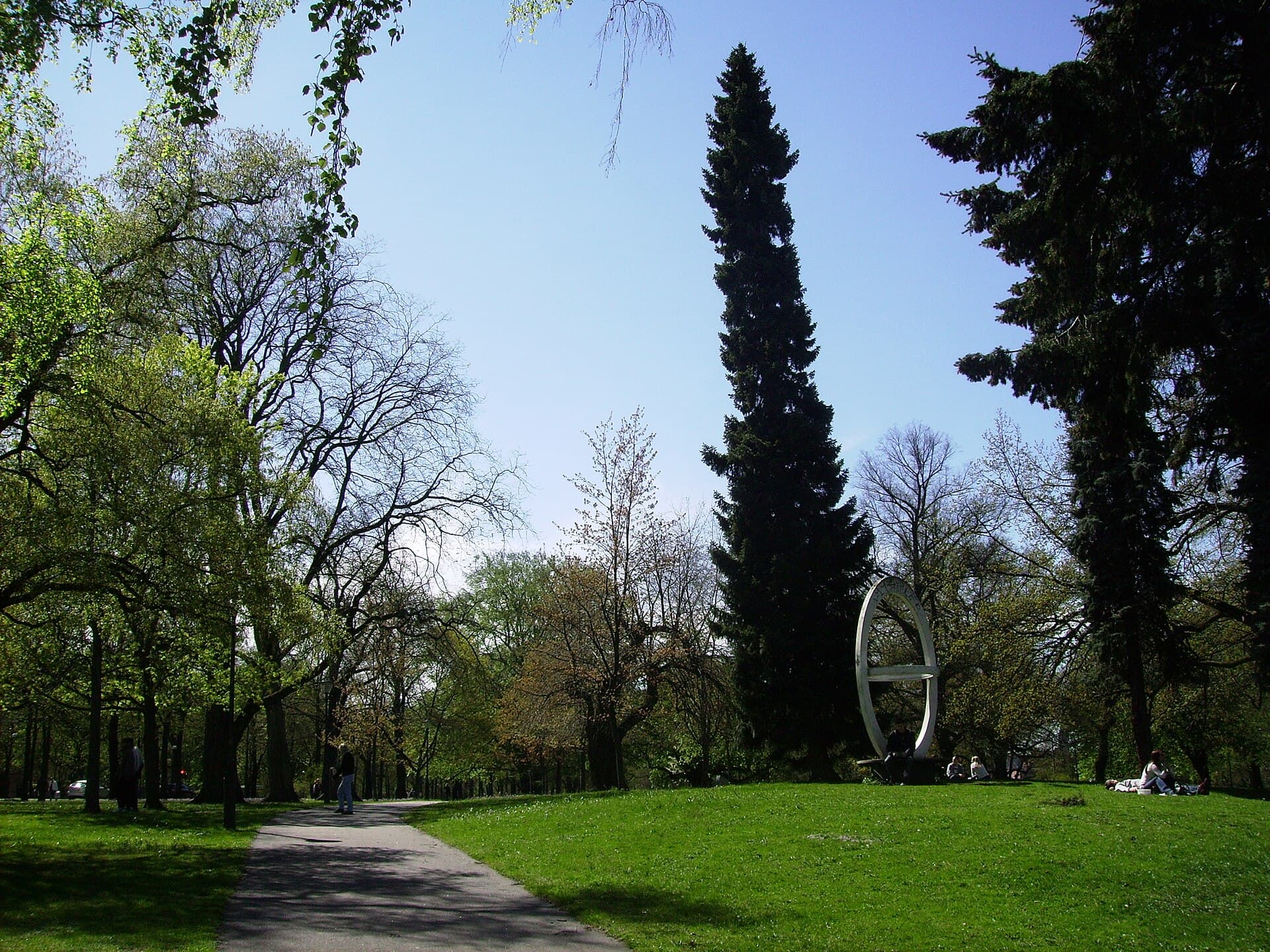 KungsparkenKungsparken is a green strip wrapping historic central Gothenburg along the line11 minutes walk4.4
Gothenburg's main street, in full Kungsportsavenyen, running about a kilometre from Götaplatsen down to the canal and the city centre. It was laid out in the nineteenth century on the model of the Paris boulevards, with trees on both sides. It carries the cafés, restaurants, bars and the city's smarter frontages, and it is Gothenburg's first place for a night out — **and very loud at weekends**. By day it is an enjoyable walk, and at its lower end are the Trädgårdsföreningen botanical garden and the covered Saluhallen market. Its restaurant prices are above average — the side streets are better value.