
Swedish design
Furniture, glass and ceramics across a century.
Andrzej Otrębski — CC BY-SA 4.0 · Unknown authorUnknown author — CC BY-SA 4.0 · Unknown authorUnknown author — CC BY 4.0
The Röhsska is **Sweden's only museum devoted to design and the applied arts**, and it is the right place to understand why Scandinavian design looks the way it does. It was founded in 1916 on a bequest from the Röhss brothers, Gothenburg merchants. The collection runs to about fifty thousand objects: furniture, glass, ceramics, textiles, fashion, industrial design and posters — mainly Swedish, with European and Asian sections. Its most important part covers **twentieth-century Swedish design** and its stated principle: beauty for all — the idea that cheap everyday things should be well designed, rather than beauty being a luxury. That social principle is the origin of what later became commercial Scandinavian design, and it fed directly into IKEA. There is also a good Asian collection of Chinese and Japanese ceramics. **Charges are low** and entry is free for under-twenties. In the quiet university district of Vasastaden.
Furniture, glass and ceramics across a century.
Chinese and Japanese ceramics in a design museum.
Vasagatan 37-39, Gothenburg
 KungsparkenKungsparken is a green strip wrapping historic central Gothenburg along the line6 minutes walk4.4
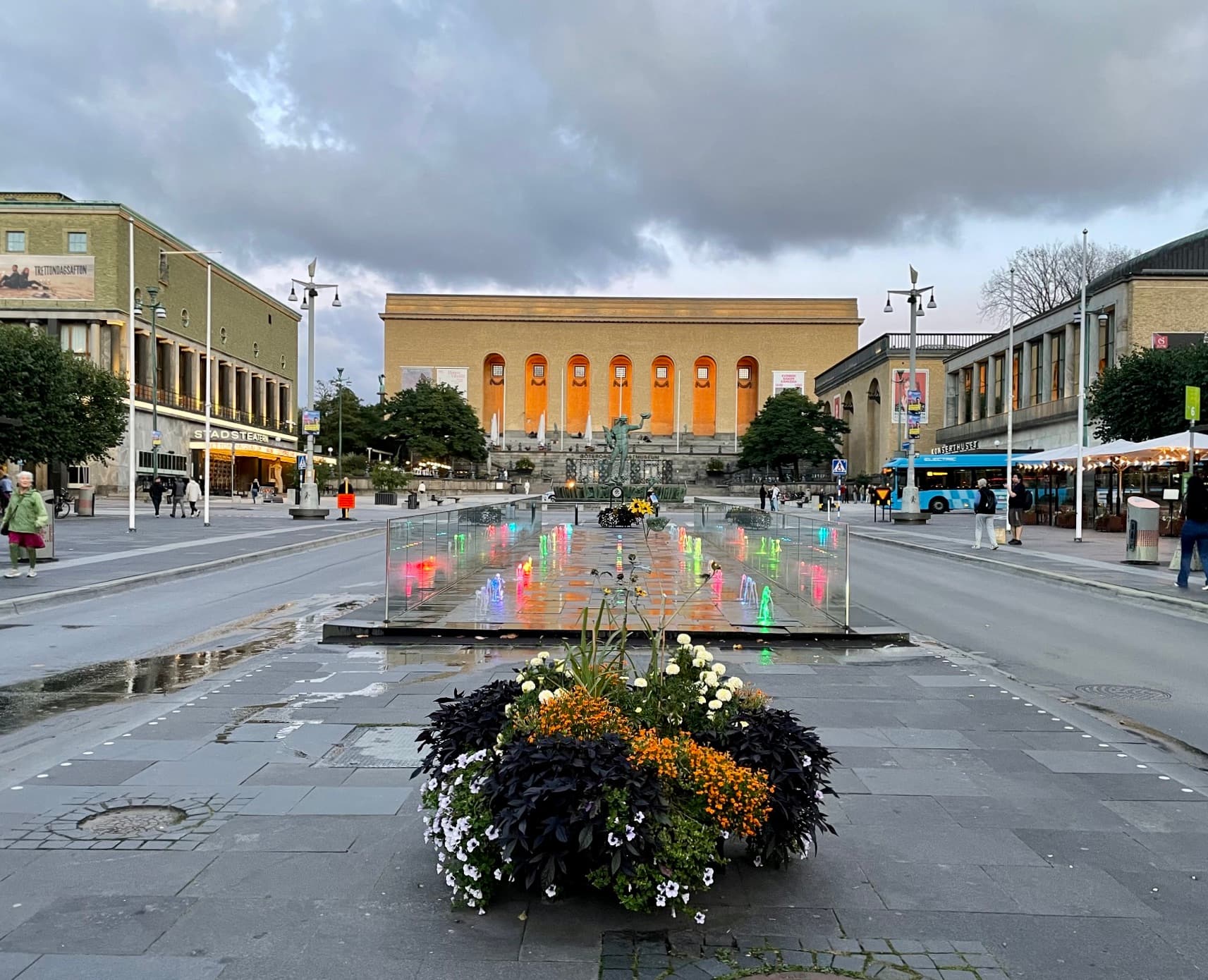 GötaplatsenGötaplatsen is Gothenburg's cultural square, at the upper end of the main avenue6 minutes walk4.2
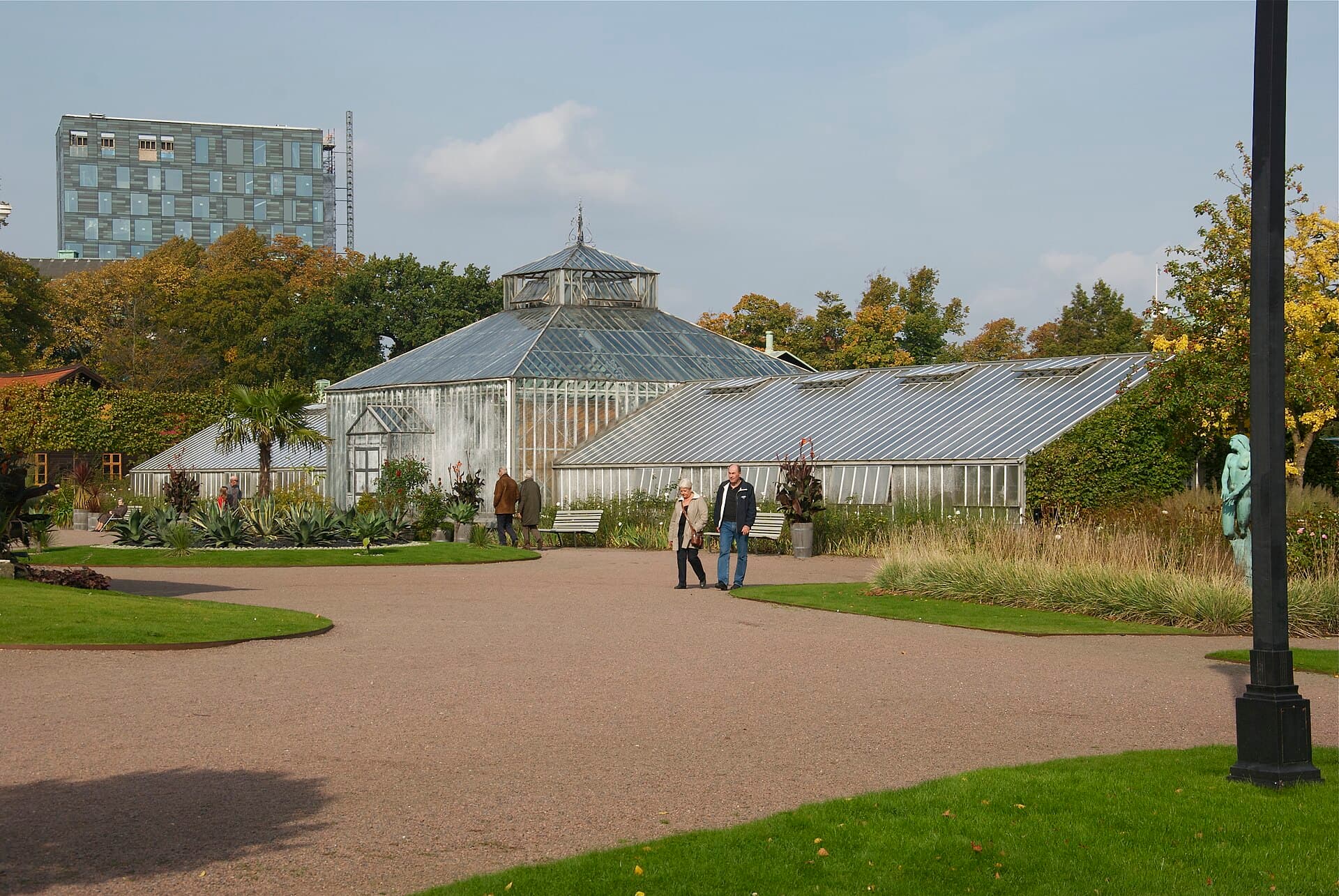 The Garden Society of GothenburgTradgardsforeningen is a historic garden squarely in the centre of Gothenburg, m7 minutes walk4.4
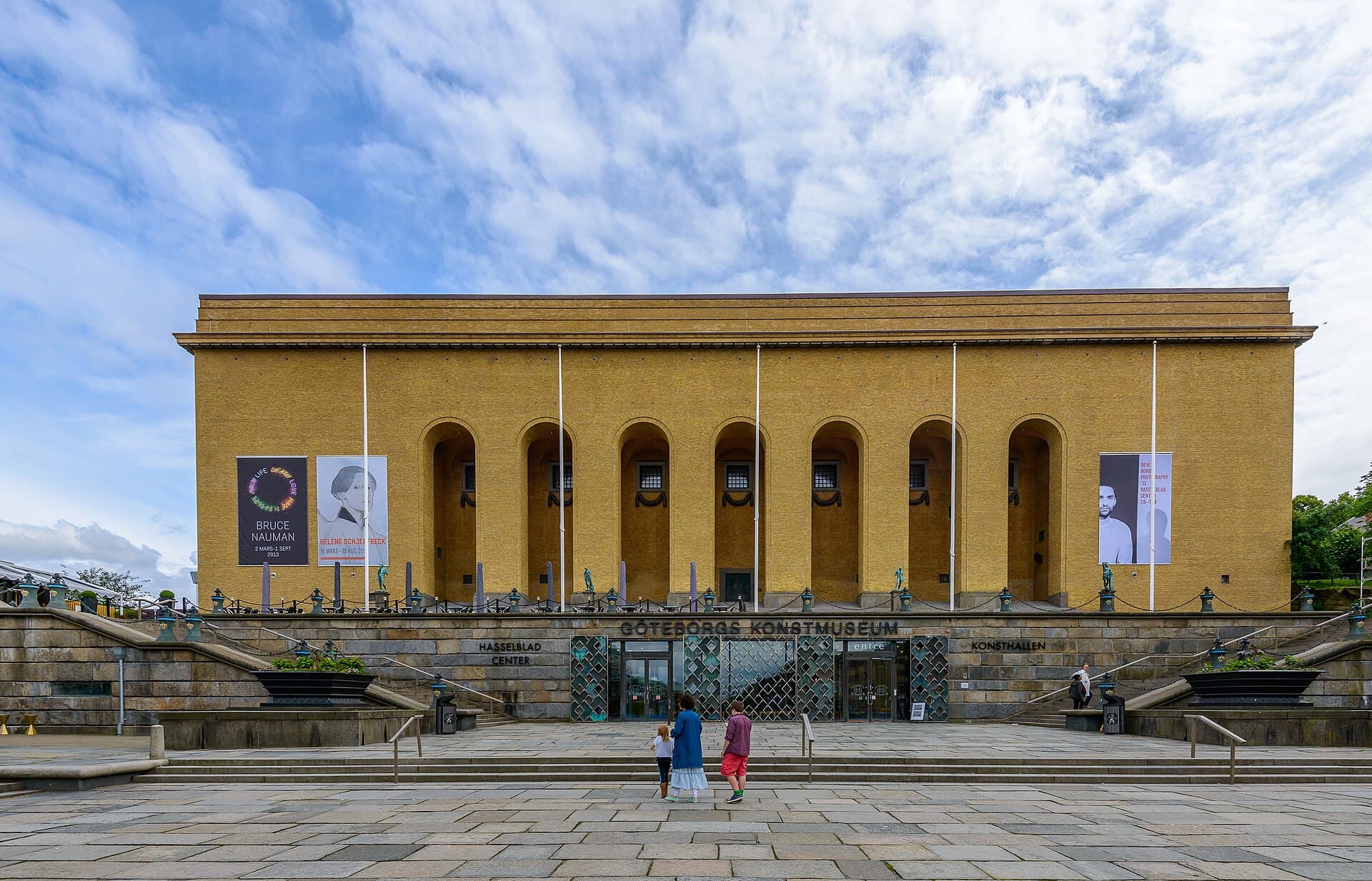 Gothenburg Museum of ArtGothenburg Museum of Art stands at the top of Gotaplatsen square, closing the vi7 minutes walk4.7
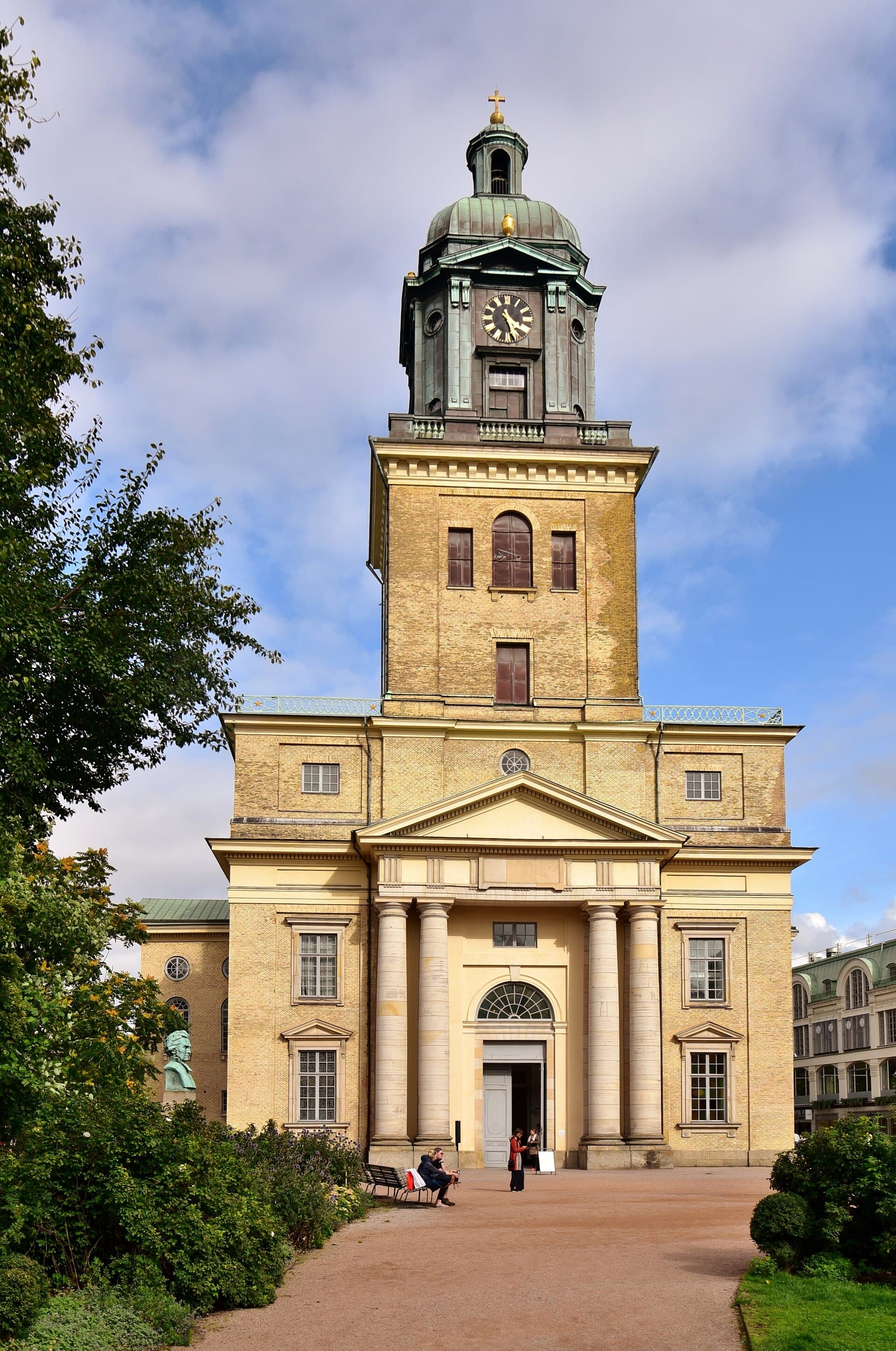 Gothenburg CathedralGothenburg Cathedral stands in the middle of the city, and is the **third** buil9 minutes walk4.5
For material reasons before aesthetic ones. **Light**: long dark winters force pale colours, reflective surfaces and large windows. **Wood**: abundant, cheap forest, so the basic material is timber rather than marble. **Small homes** and middling incomes in egalitarian societies, so furniture has to be practical and affordable. And above that an explicit social principle that took hold in the 1930s: good design is a right rather than a privilege, and factories should produce it for everyone. The result is a plain, functional, pale style — which IKEA later exported to the world.