
The Furstenberg Gallery
Zorn, Larsson and Munch under overhead light.
Bolstermage — CC BY-SA 3.0 · Photograph by Mike Peel (www.mikepeel.net). — CC BY-SA 4.0 · Photograph by Mike Peel (www.mikepeel.net). — CC BY-SA 4.0 · Photograph by Mike Peel (www.mikepeel.net). — CC BY-SA 4.0
Gothenburg Museum of Art stands at the top of Gotaplatsen square, closing the vista of Kungsportsavenyen — the city's main avenue — behind a severe brick facade of 1923, with Carl Milles's huge bronze Poseidon in front of it, a figure that became Gothenburg's emblem. Its treasure is the Furstenberg Gallery on the top floor: the world's most important collection of late-nineteenth-century Nordic art, the period called the golden age of northern painting. Works by Anders Zorn, Carl Larsson, Edvard Munch and Peder Severin Kroyer hang together in a space purpose-designed for natural overhead light. The wider collection includes Rembrandt, Rubens, Van Gogh, Monet and Picasso, plus sections of modern and contemporary Swedish art. The museum is far quieter than its Stockholm counterparts and can be seen with genuine concentration without crowds — and its position at the head of the Avenyn makes it a natural stop on any walk.
Zorn, Larsson and Munch under overhead light.
Rembrandt, Van Gogh, Monet and Picasso.
Gotaplatsen, 412 56 Gothenburg
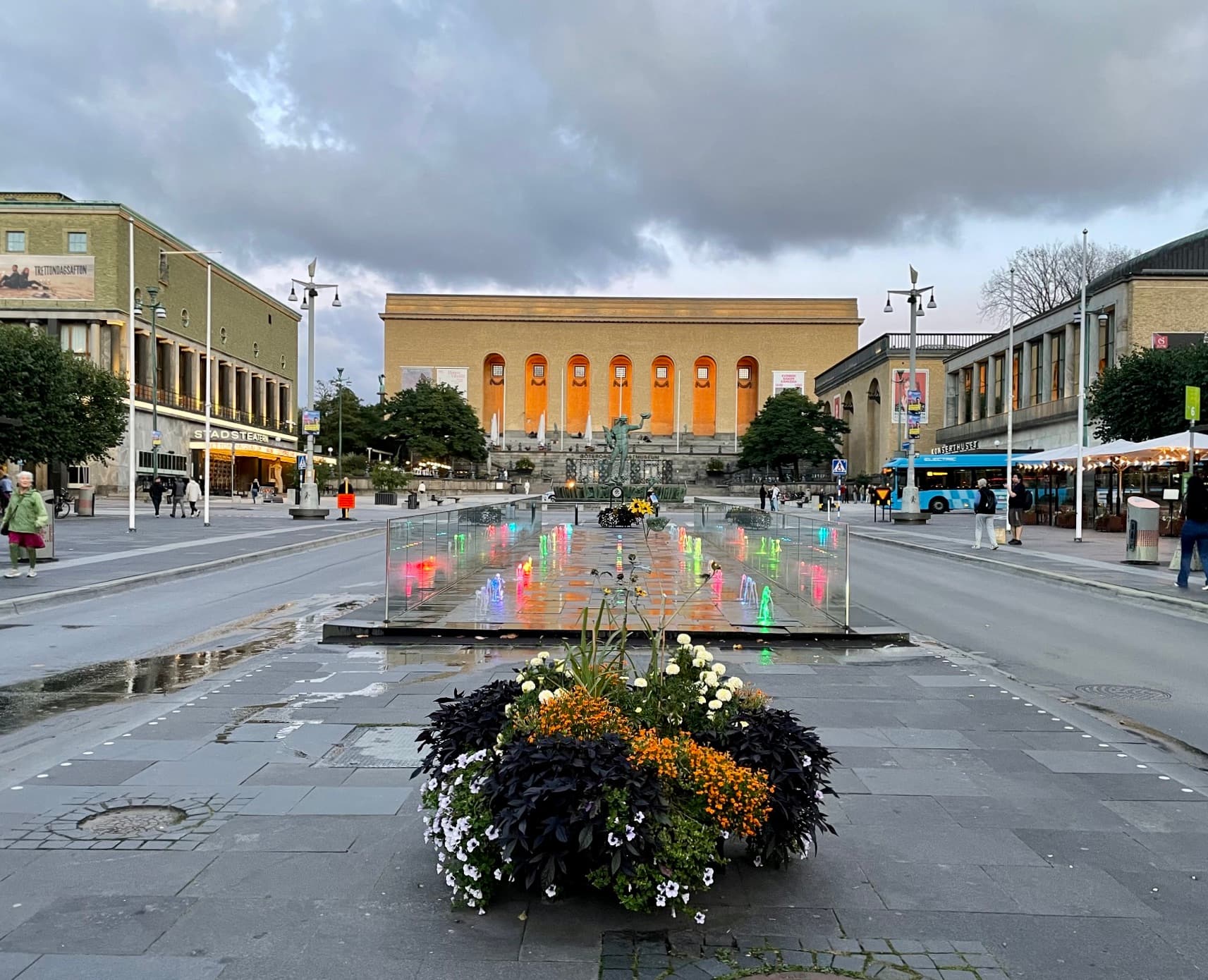 GötaplatsenGötaplatsen is Gothenburg's cultural square, at the upper end of the main avenue1 minute walk4.2
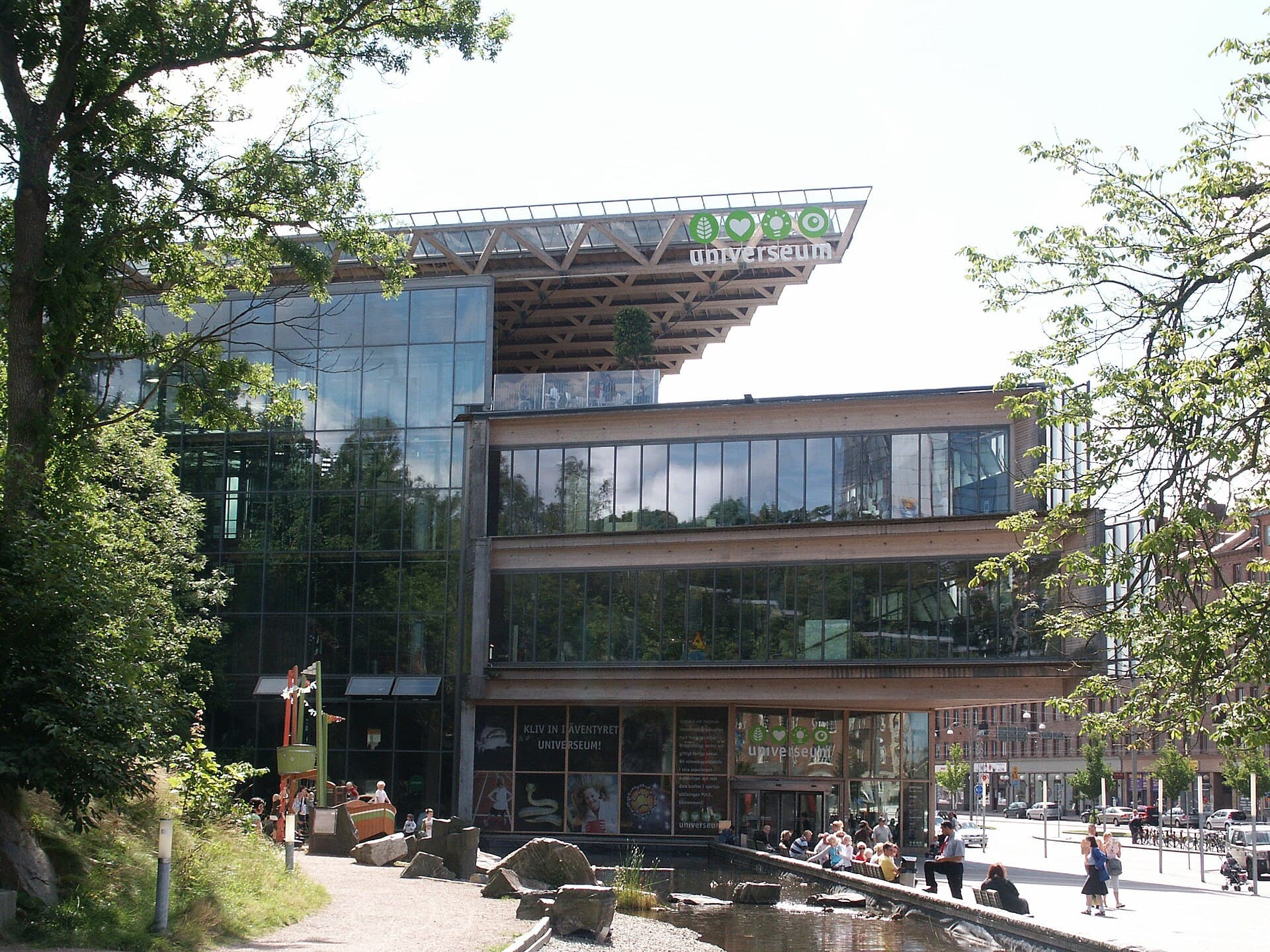 UniverseumUniverseum is a national science centre combining an interactive museum, an indo7 minutes walk4.3
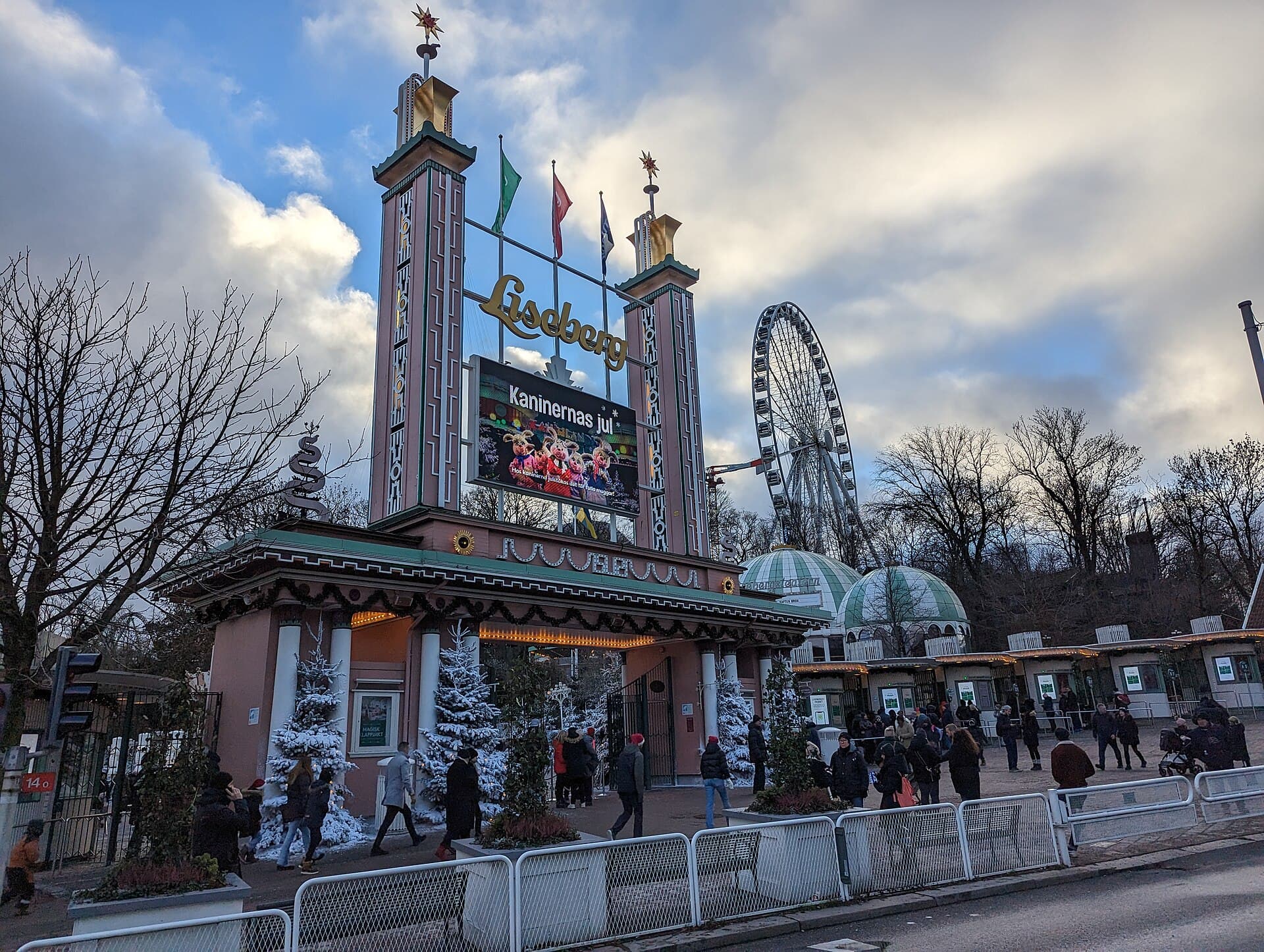 LisebergLiseberg is the largest amusement park in the Nordic countries and the most visi7 minutes walk4.6
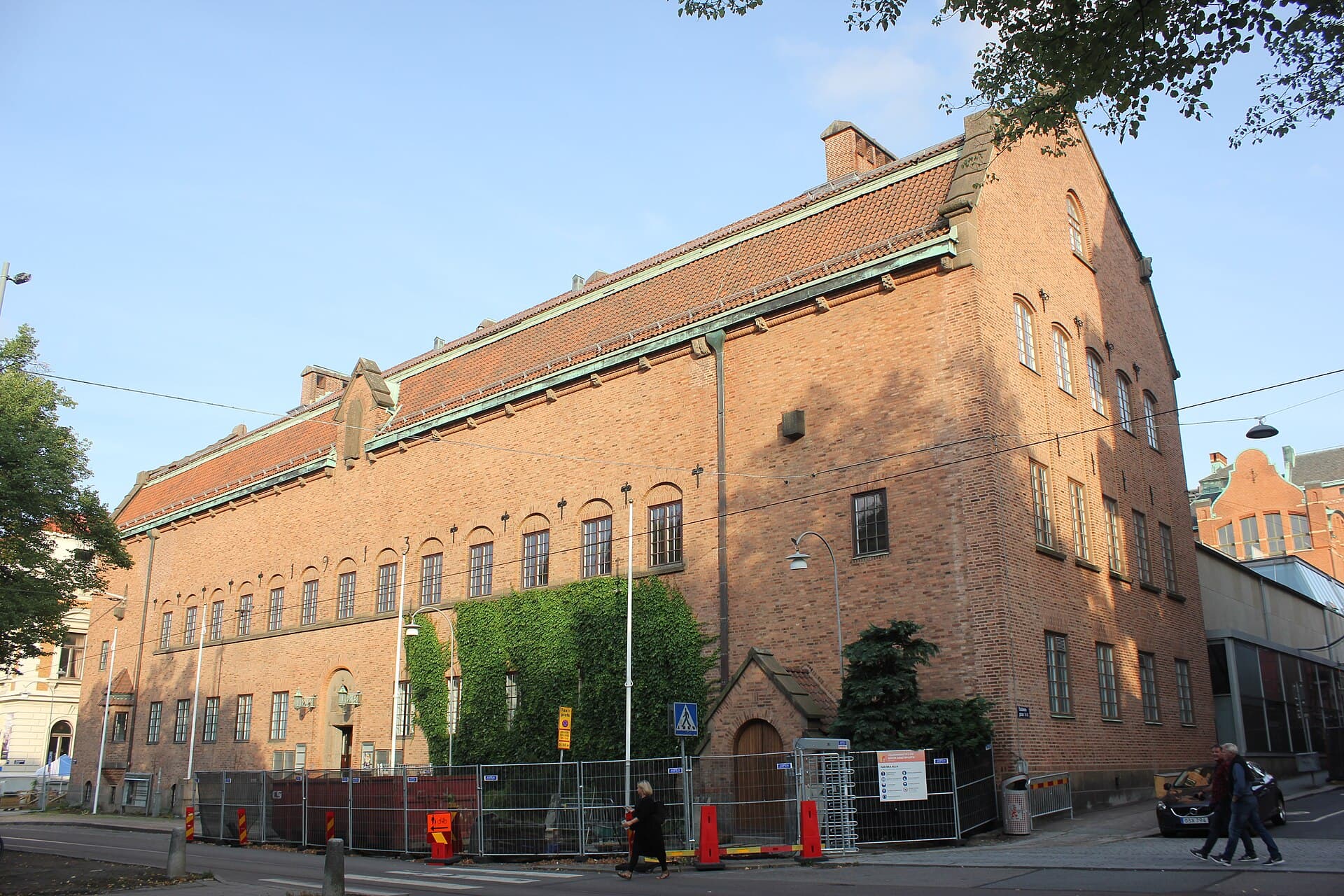 The Röhsska Museum of DesignThe Röhsska is **Sweden's only museum devoted to design and the applied arts**, 7 minutes walk4.3
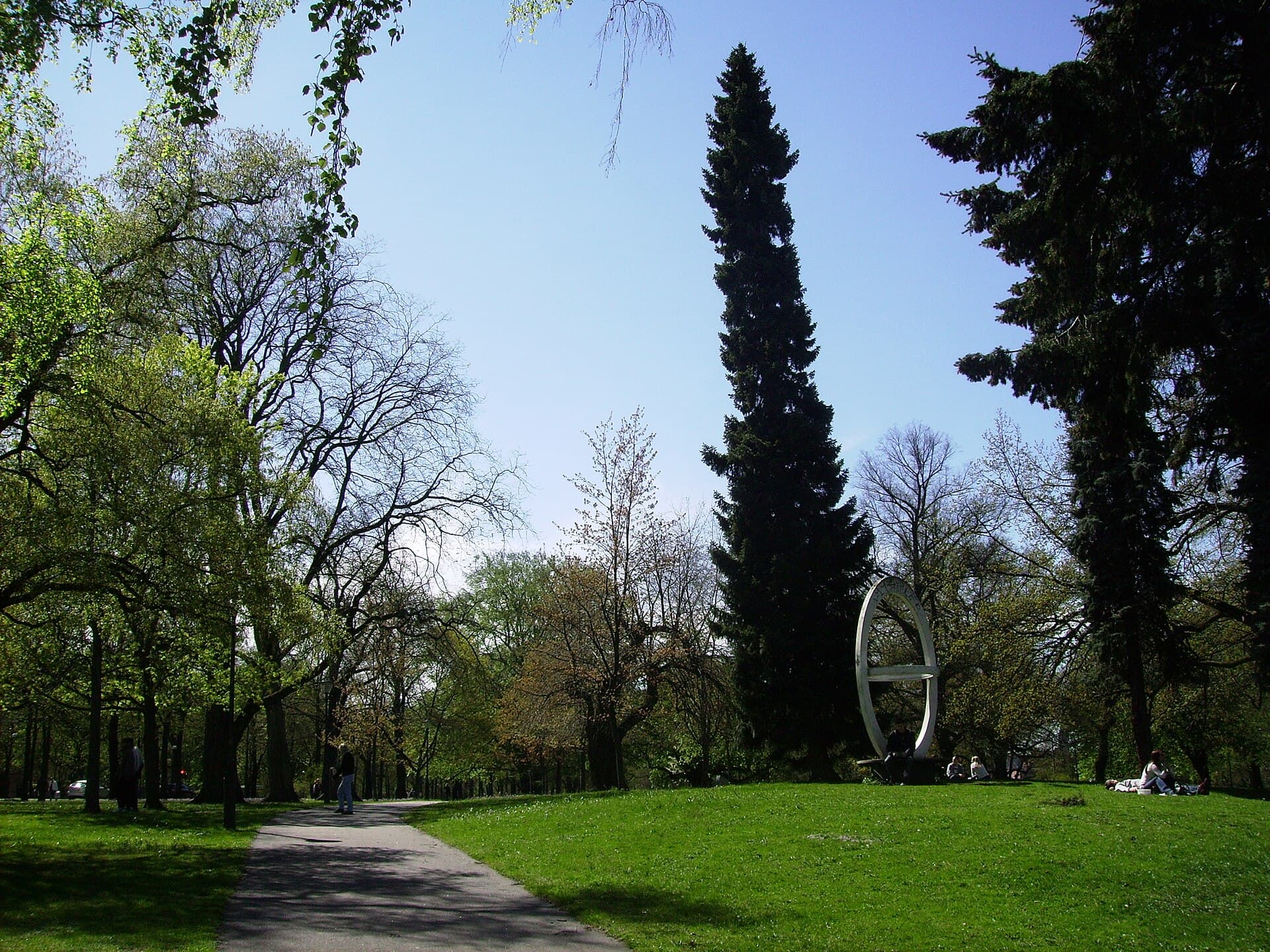 KungsparkenKungsparken is a green strip wrapping historic central Gothenburg along the line13 minutes walk4.4
It is the period from the 1880s to the early twentieth century when northern painters trained in Paris returned home and applied modern French technique to local subjects: the long summer light, snow, timber houses and rural life. The result is a distinctive style joining European impressionism to a northern sensitivity to light, and the Furstenberg Gallery is the best place to see it gathered.