
The glasshouse
Of 1878, modelled on London's Crystal Palace.
Raphael Saulus — Public domain · W. Bulach — CC BY-SA 4.0 · Maria Eklind — CC BY-SA 2.0 · Andrzej Otrębski — CC BY-SA 4.0
Kungsparken is a green strip wrapping historic central Gothenburg along the line of the **old moat** — and that strange shape, a long narrow curving park, is the trace of the city walls demolished in the nineteenth century. It was laid out from 1839 in the English manner by the German gardener Heinrich August Wilhelm Keitz. When the fortifications came down nothing was built in their place: the moat was left as water and its banks were planted — an early and intelligent urban decision, much like what Vienna did with its Ring. It holds more than a thousand trees of a hundred and seventy species, among the richest tree collections in Sweden, some of them veterans. At one end is the **Trädgårdsföreningen** botanical garden with a large rose garden and an 1878 glasshouse modelled on the Crystal Palace — that one takes a nominal ticket. The Paddan sightseeing boats pass along the moat under its bridges. **Free and always open.**
Of 1878, modelled on London's Crystal Palace.
The Paddan boats passing under the park's bridges.
Kungsparken, Gothenburg
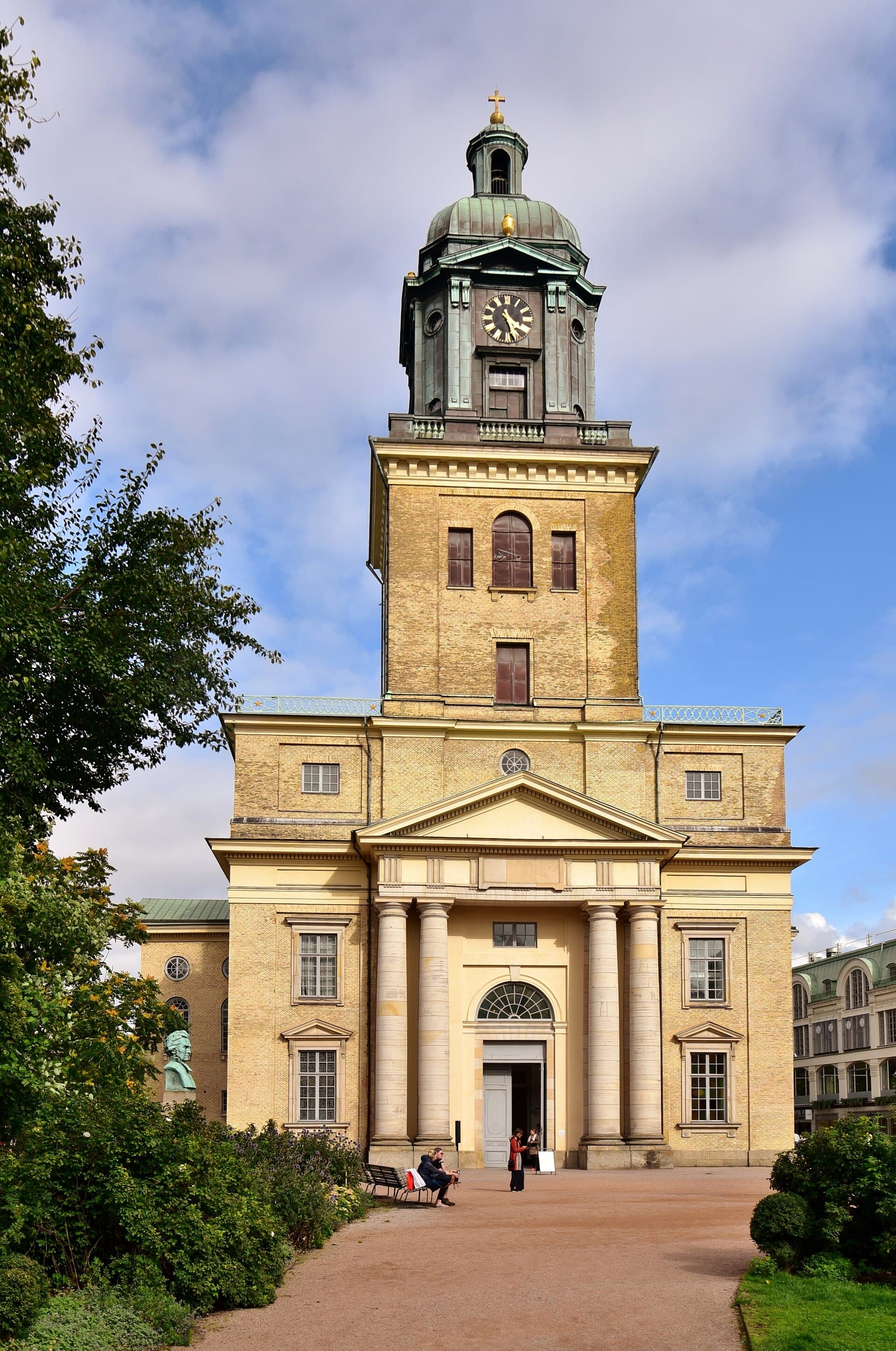 Gothenburg CathedralGothenburg Cathedral stands in the middle of the city, and is the **third** buil5 minutes walk4.5
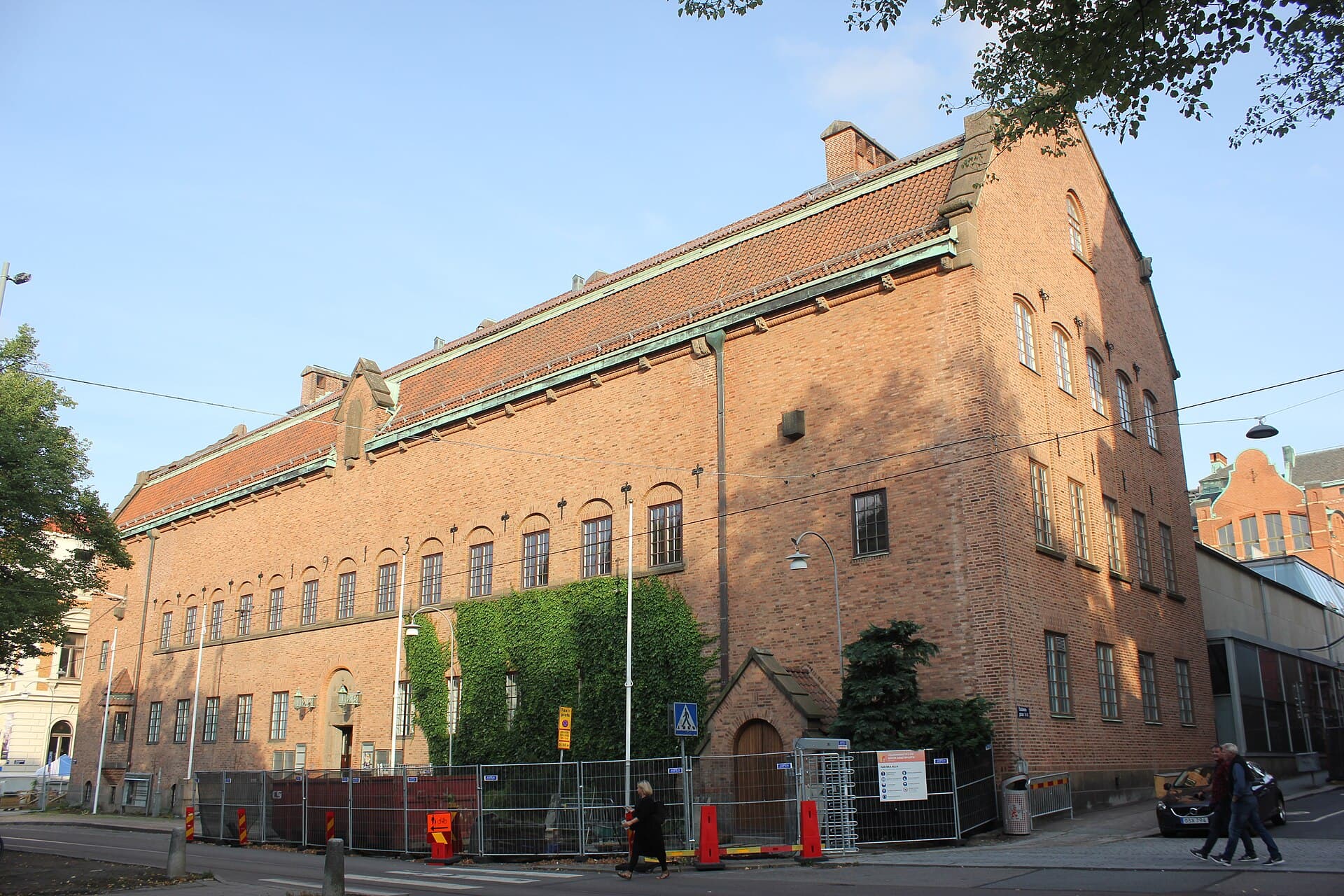 The Röhsska Museum of DesignThe Röhsska is **Sweden's only museum devoted to design and the applied arts**, 6 minutes walk4.3
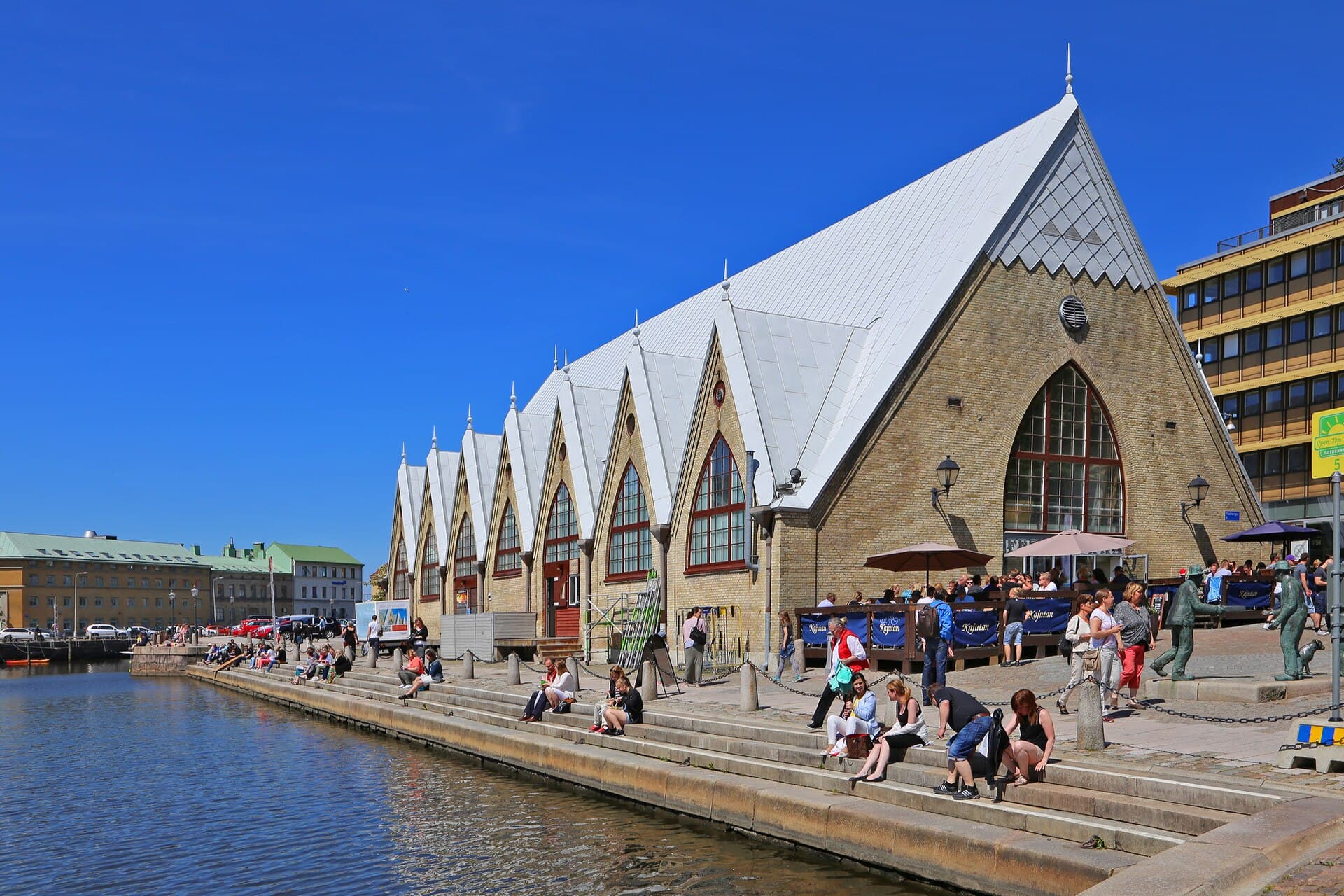 Feskekorka (The Fish Church)Feskekorka is a fish market built in 1874 on the bank of the Rosenlund canal, it6 minutes walk4.0
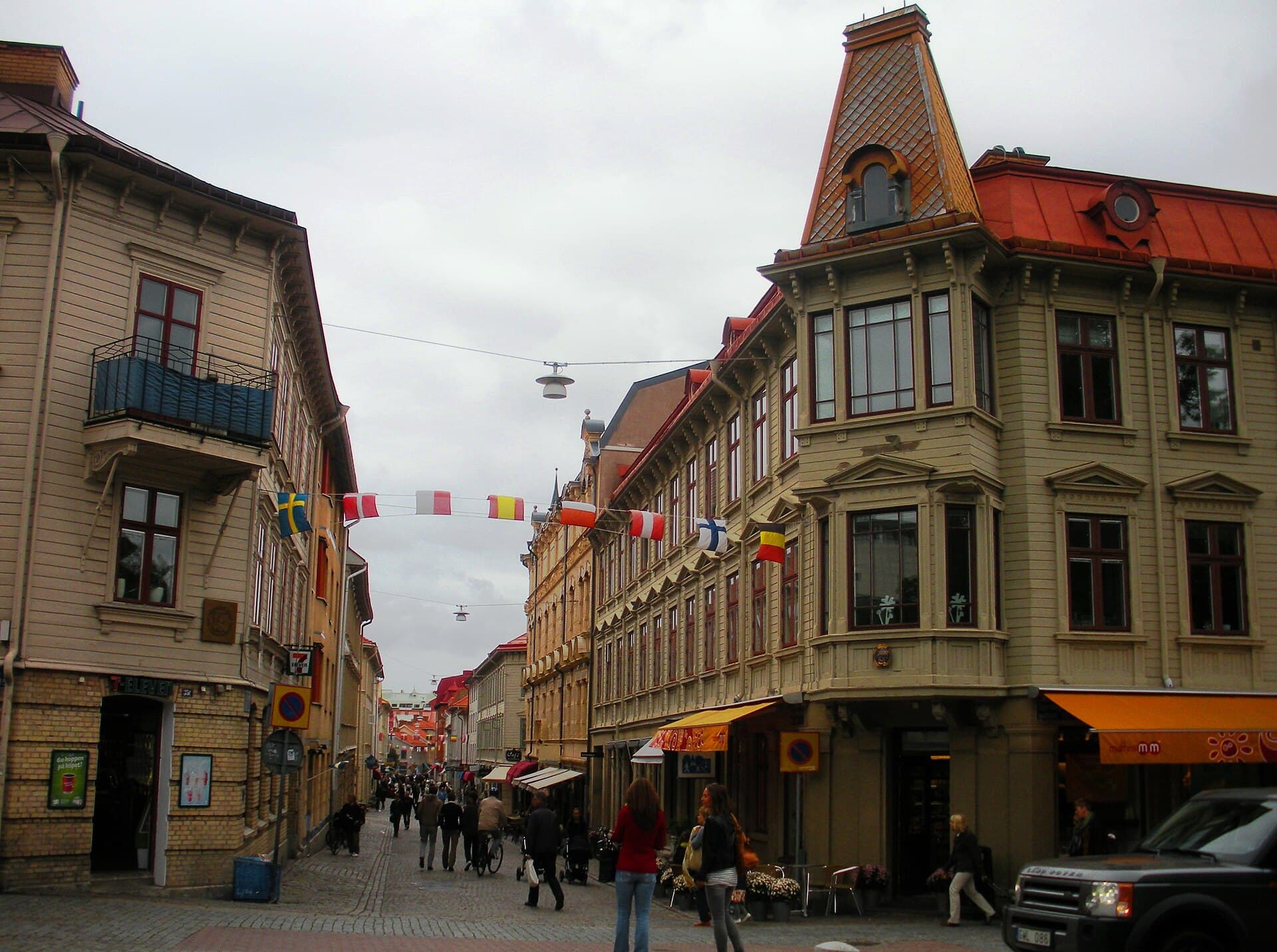 HagaHaga is Gothenburg's oldest suburb, laid out in 1648 outside the city walls to h8 minutes walk4.6
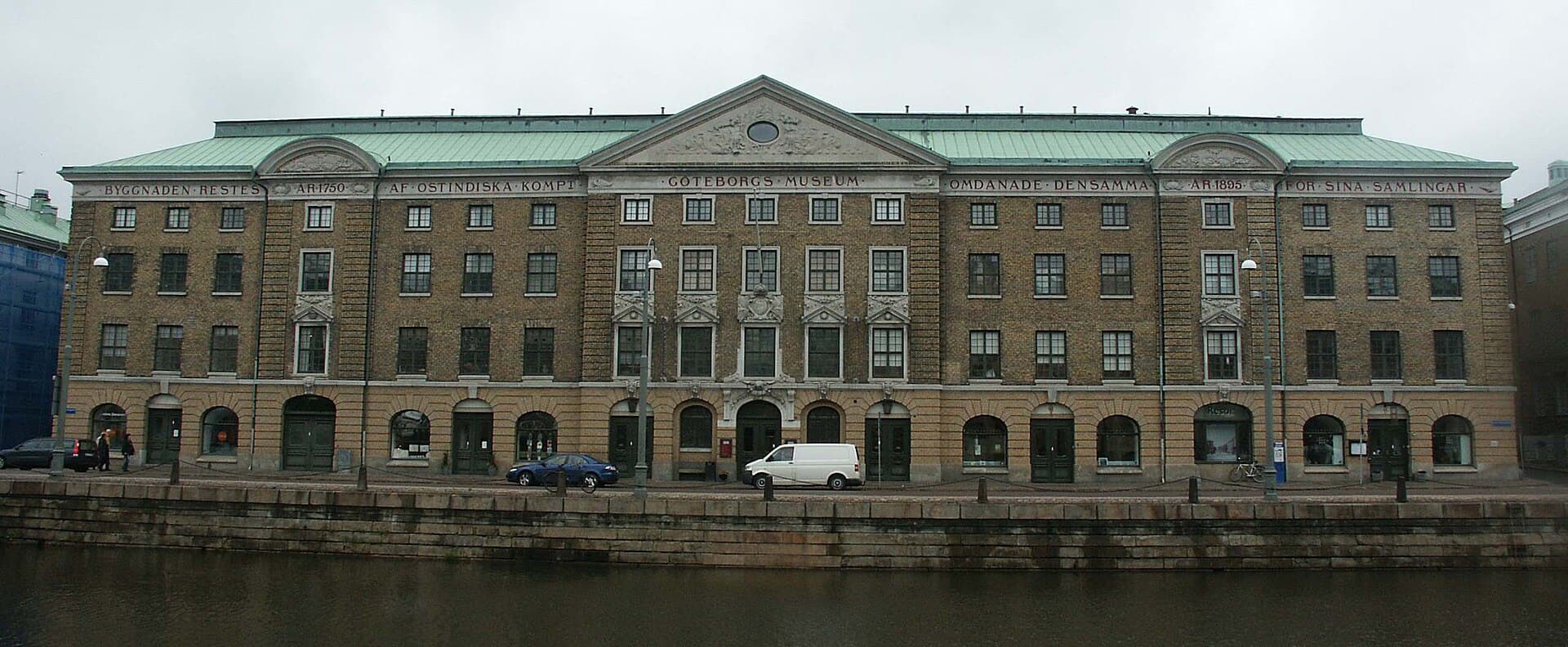 The Museum of GothenburgThe Museum of Gothenburg occupies the Swedish East India Company building of 1758 minutes walk4.5
Because the Dutch planned it. When Gustavus Adolphus founded the city in 1621 he brought in engineers from the Netherlands because they were the world's best at building on low wet ground — which is exactly what the site at the mouth of the Göta river is. They laid the city out on a canal system and a straight street grid like their own towns, ringed by a moat and walls. The **Stora Hamnkanalen** and the eastern canal survive, and the moat survives as this park. That is why a visitor from Amsterdam finds Gothenburg familiar — the resemblance is not a coincidence.