
The name of a vanished friary
The square is named for a Franciscan house removed after the Revolution.
Corentin Eustacchi — CC BY-SA 4.0 · Chabe01 — CC BY-SA 4.0 · Andrzej Otrębski — CC BY-SA 4.0 · Romainbehar — CC0
A square in the heart of the Presqu'île, one of the main meeting points in Lyon's commercial centre, named after the Franciscan friary that stood here before the French Revolution. What marks it out is the unusual pairing on its sides: the Gothic church of Saint-Bonaventure on one, and the massive nineteenth-century Palais du Commerce on the other. A medieval church faces a temple of trade from the industrial age, and that juxtaposition sums up Lyon's history as a commercial and religious city at once. The square today is a metro station and a hub of movement: transport lines, cafés, shops and constant traffic. It is not a square for sitting long but a place to pass through, and that is part of its character. Practical point: free and always open, and you pass it on any walk along the Presqu'île. The visit is minutes, and the value lies in noticing the contrast between the two buildings rather than in the square itself.
The square is named for a Franciscan house removed after the Revolution.
A monumental nineteenth-century building reflecting Lyon's commercial wealth.
A square of movement and transport — minutes are enough.
Presqu'île, central Lyon
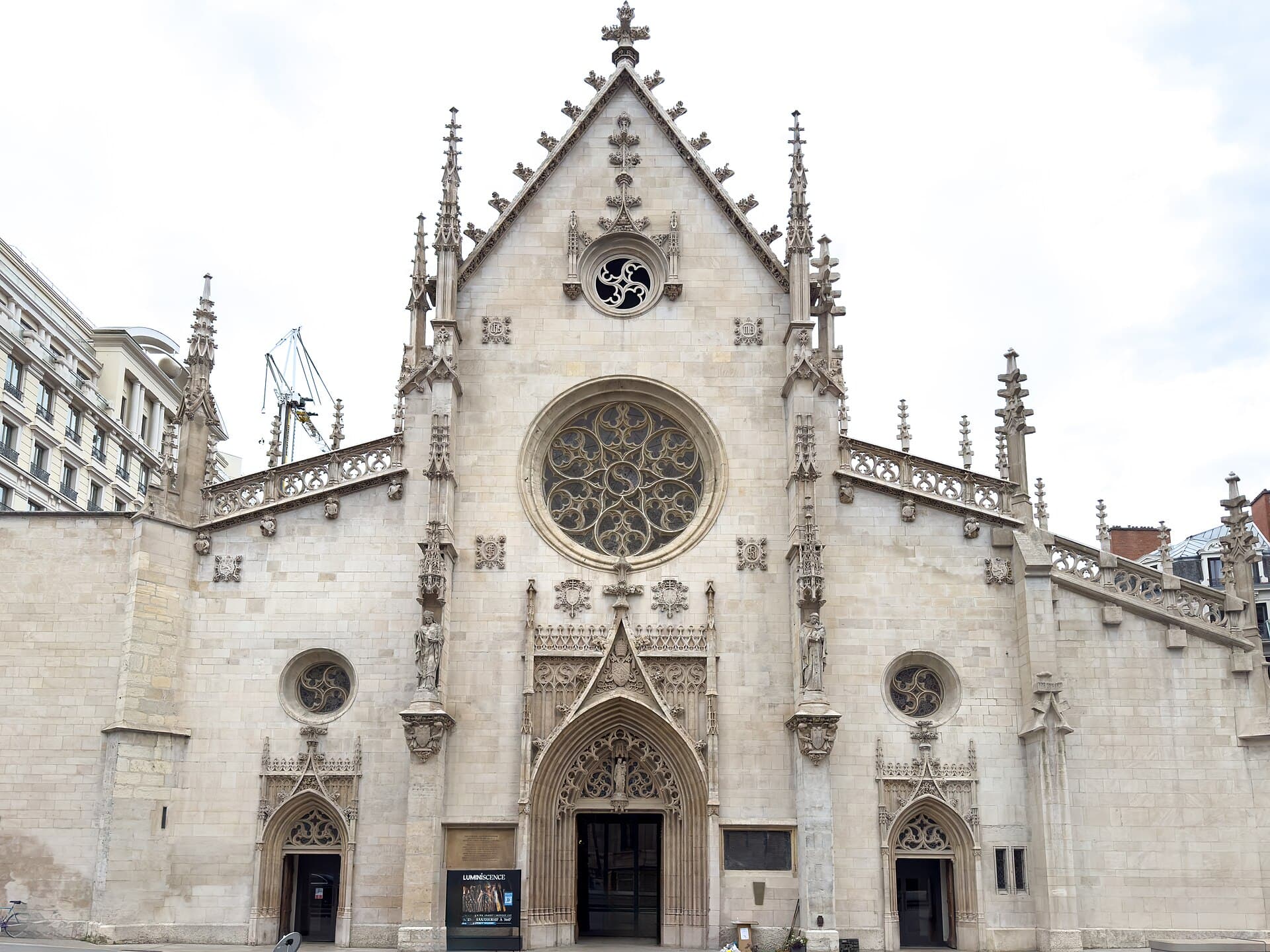 The Basilica of Saint BonaventureA Gothic church in the commercial heart of Lyon, and the only surviving church o1 minute walk4.6
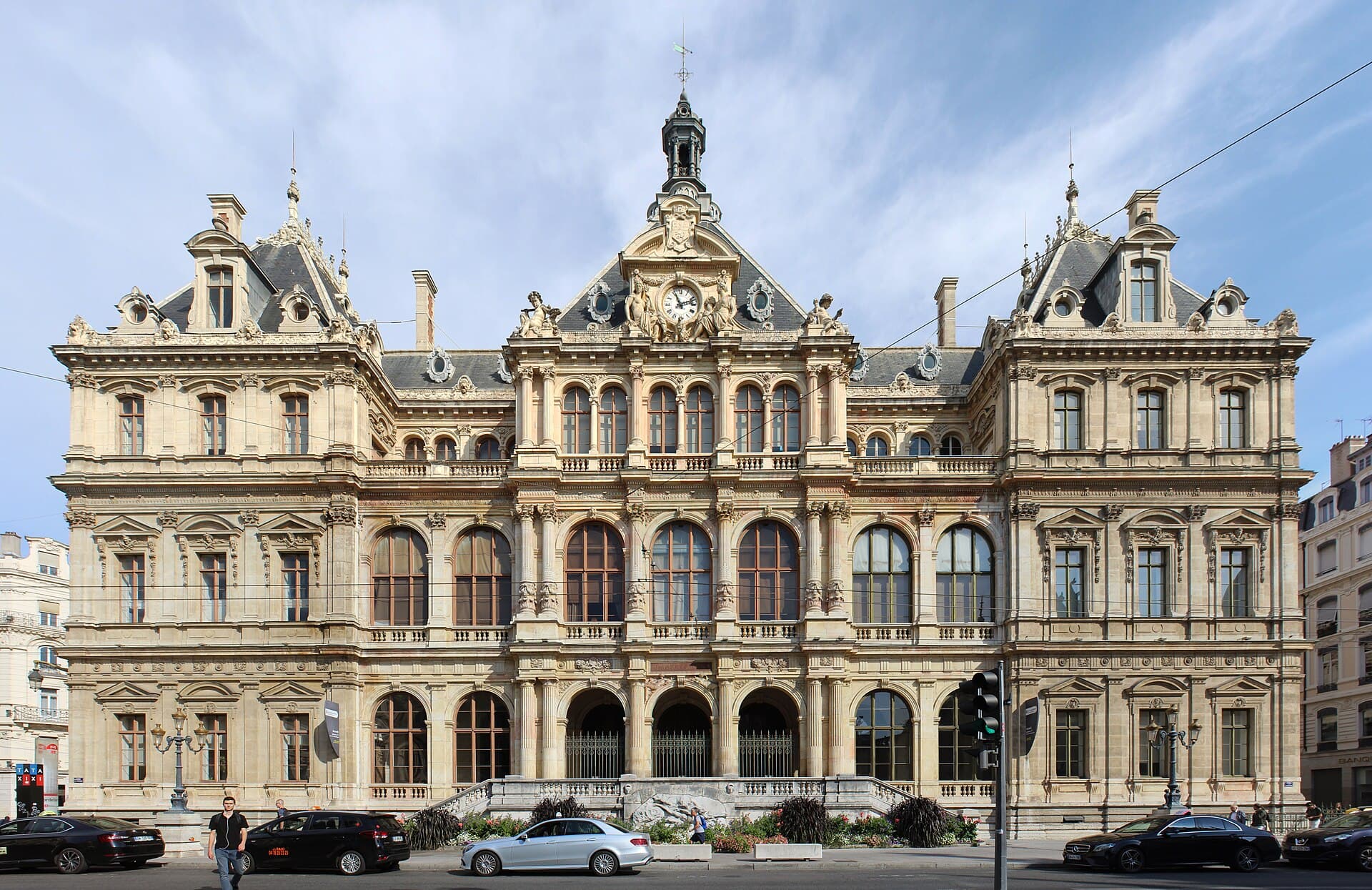 The Palais de la BourseA mid-nineteenth-century building in the heart of Lyon, built as the city's stoc1 minute walk4.8
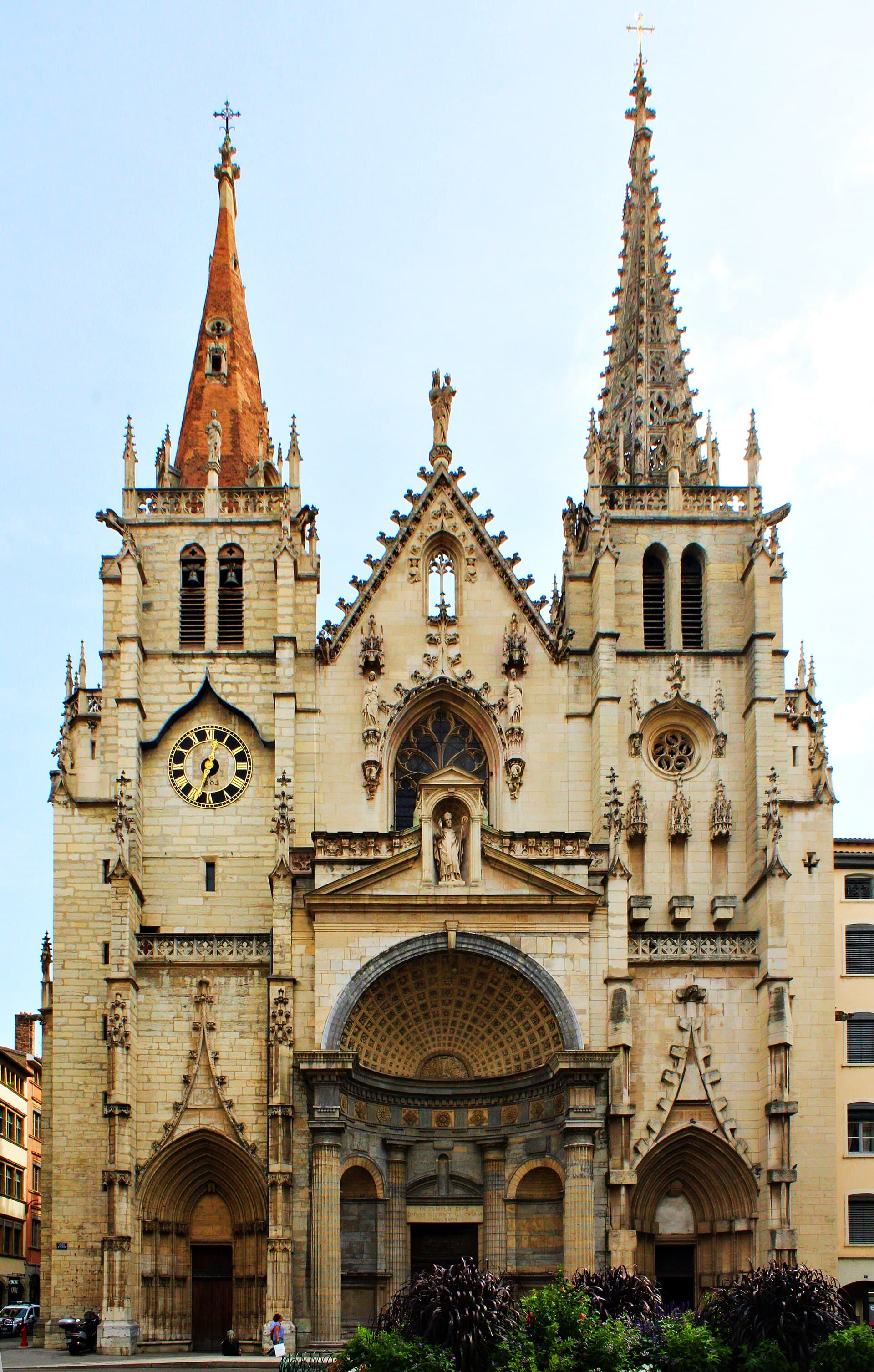 Church of Saint-NizierA Gothic church in the middle of the Presqu'île, among the most prominent religi4 minutes walk4.6
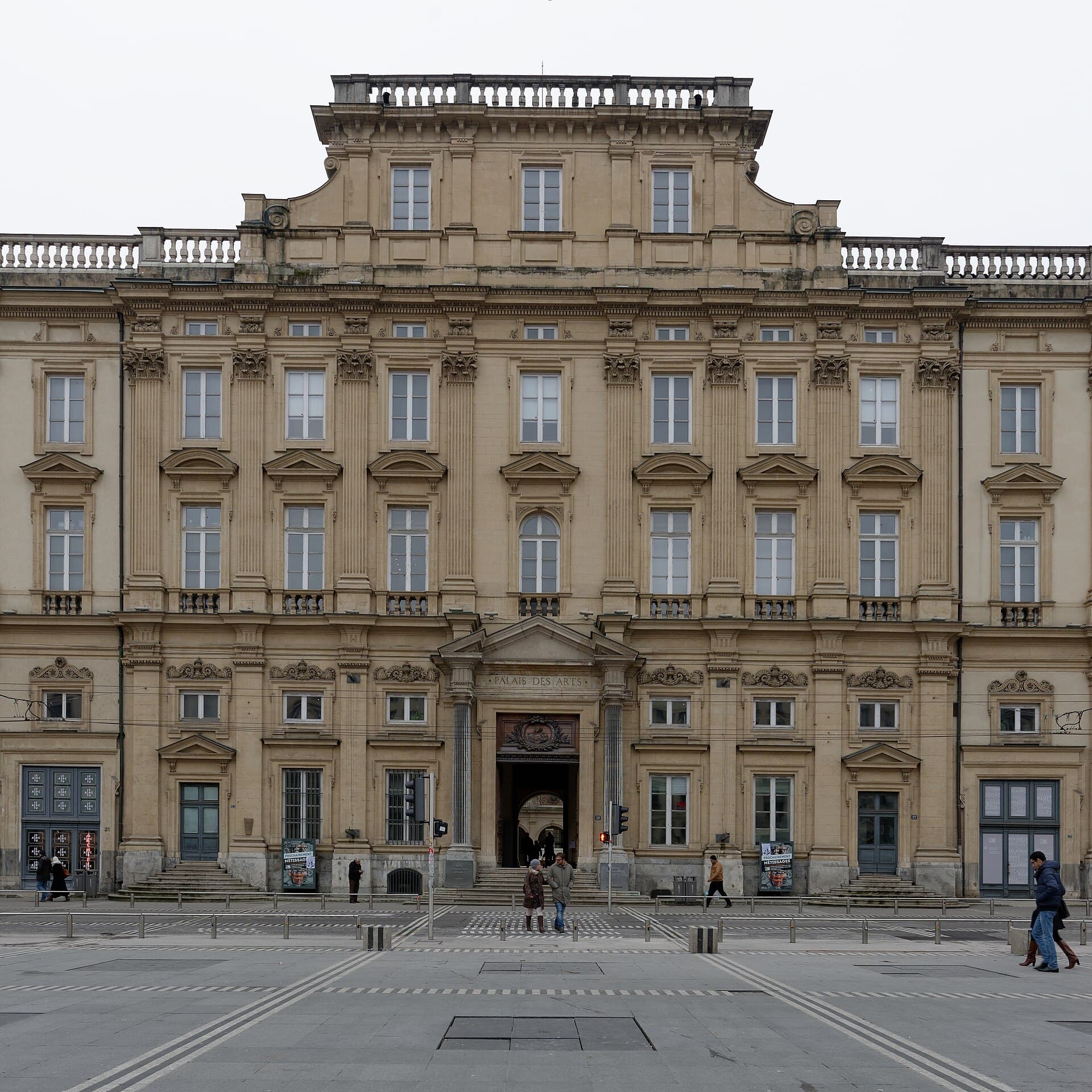 Museum of Fine Arts, LyonOne of the most important art museums in France outside Paris, occupying a seven6 minutes walk4.4
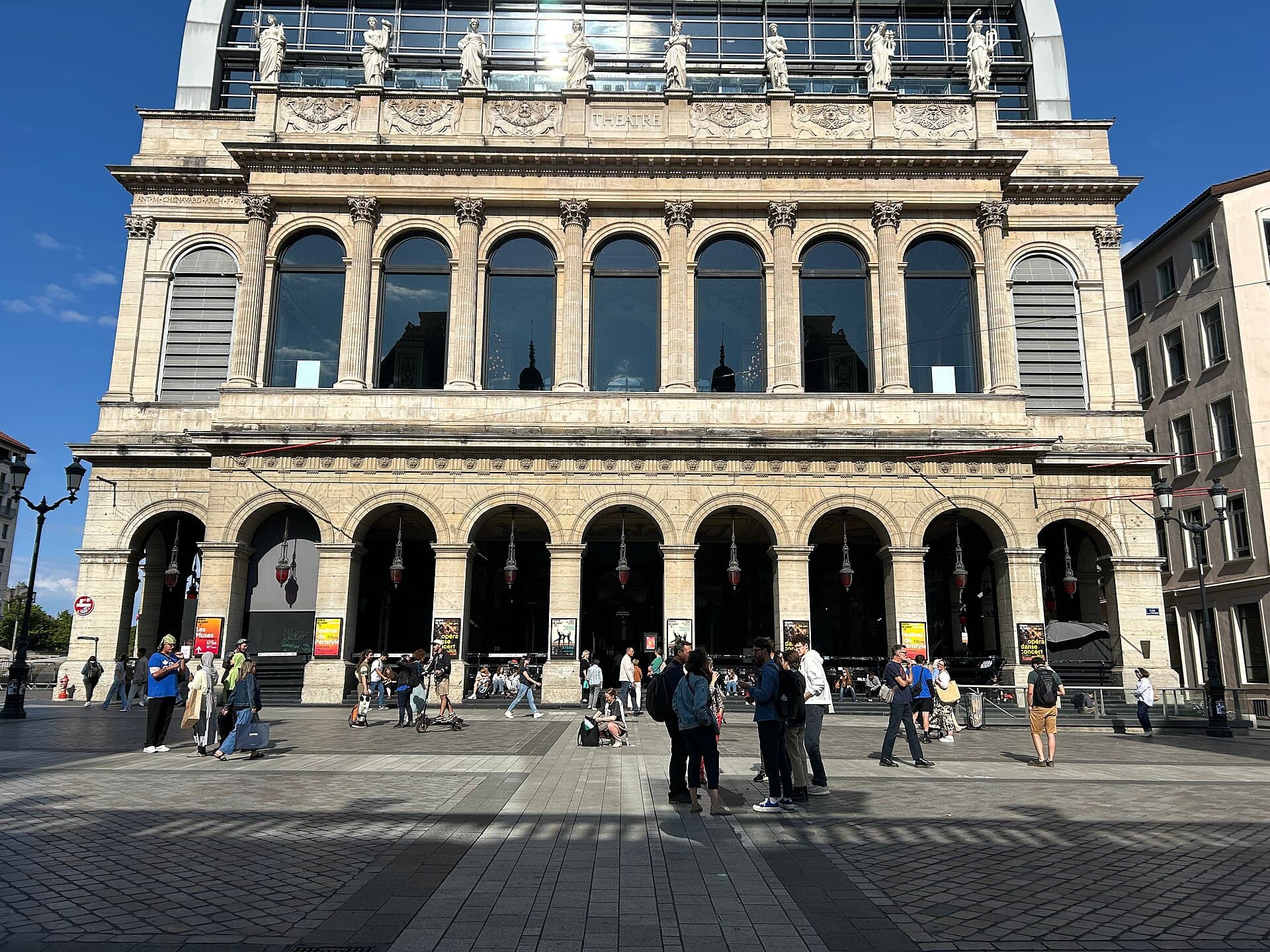 Opéra Nouvel, LyonLyon's national opera house, and one of Europe's boldest examples of fusing a co6 minutes walk4.4
For minutes only, and you will pass it regardless. Look at the two facing sides — the Gothic church and the Palais du Commerce — which sum up what Lyon was. Then continue south to Place Bellecour or north to Place des Terreaux.
From Place des Terreaux in the north to Place Bellecour in the south, taking in Saint-Nizier, Place des Cordeliers and the shopping streets. It runs about a kilometre and a half and covers Lyon's commercial and historic heart in an hour or two with stops.