
The Tabriz masters' mihrab
Some ten and a half metres of polychrome tilework where the whole story of Ottoman ceramics begins.
Brücke-Osteuropa — Public domain · Mustafa DUMAN — CC BY 3.0 · Dosseman — CC BY-SA 4.0 · Dosseman — CC BY-SA 4.0
It is called the Green Mosque and its façade is white marble, so do not judge it from the street. The green is all inside: a mihrab about ten and a half metres tall sheathed in green, turquoise, blue, white, yellow and purple tiles, a sultan's loge above the entrance glinting with gold, and two side eyvans where hardly a wall is left bare. An inscription on the mihrab credits the «masters of Tabriz», and this is the first time Persian tilework appears on this scale in an Ottoman mosque; everything you later see in Istanbul starts here. Work began in 1412 for Sultan Mehmed I Çelebi, the man who stitched the state back together after Timur's invasion. The shell was finished in late 1419 and the decoration by summer 1424, under the vizier-architect Hacı İvaz Paşa. The plan is not one hall but an inverted T: a marble portal carved with astonishing finesse, then a fountain under the first dome, then a prayer hall raised a few steps above it. The domes were once clad in blue and green tile, replaced with lead in the restoration that followed the 1855 earthquake, and the two minarets were rebuilt in that nineteenth-century restoration and end in baroque stone caps. The last major restoration ran from 2010 to 2012, and the mosque has been on the UNESCO World Heritage list since 2014. Entry is free and this is a working mosque, so the usual applies: headscarf for women, shoulders and knees covered, shoes off at the door, and closure to visitors around each prayer, longer on Friday midday. The sultan's loge is off limits and can only be admired from below, so bring a long lens if the photographs matter to you. The visit itself takes half an hour, but do not leave the hill without the Green Tomb opposite on the upper terrace, which really is tiled on the outside, though the colour is closer to turquoise than green, and the Turkish and Islamic Arts Museum in the old madrasa just below (a state museum with its own ticket; check its hours before you go). For families: the site sits on a slope, reached from the street by short flights of steps, so a pushchair is possible but not comfortable, and Panorama 1326 some four hundred metres downhill makes the afternoon easier with small children. Best of all is early morning between the dawn and noon prayers, when the place is empty and morning light falls through the windows onto the tiles.
Some ten and a half metres of polychrome tilework where the whole story of Ottoman ceramics begins.
A gilded balcony above the entrance, tiled with stars and polygons, admired from below only.
Among the finest carving in early Ottoman architecture; linger before you take your shoes off.
Yeşil Mah., Yeşil Caddesi, Yıldırım, Bursa
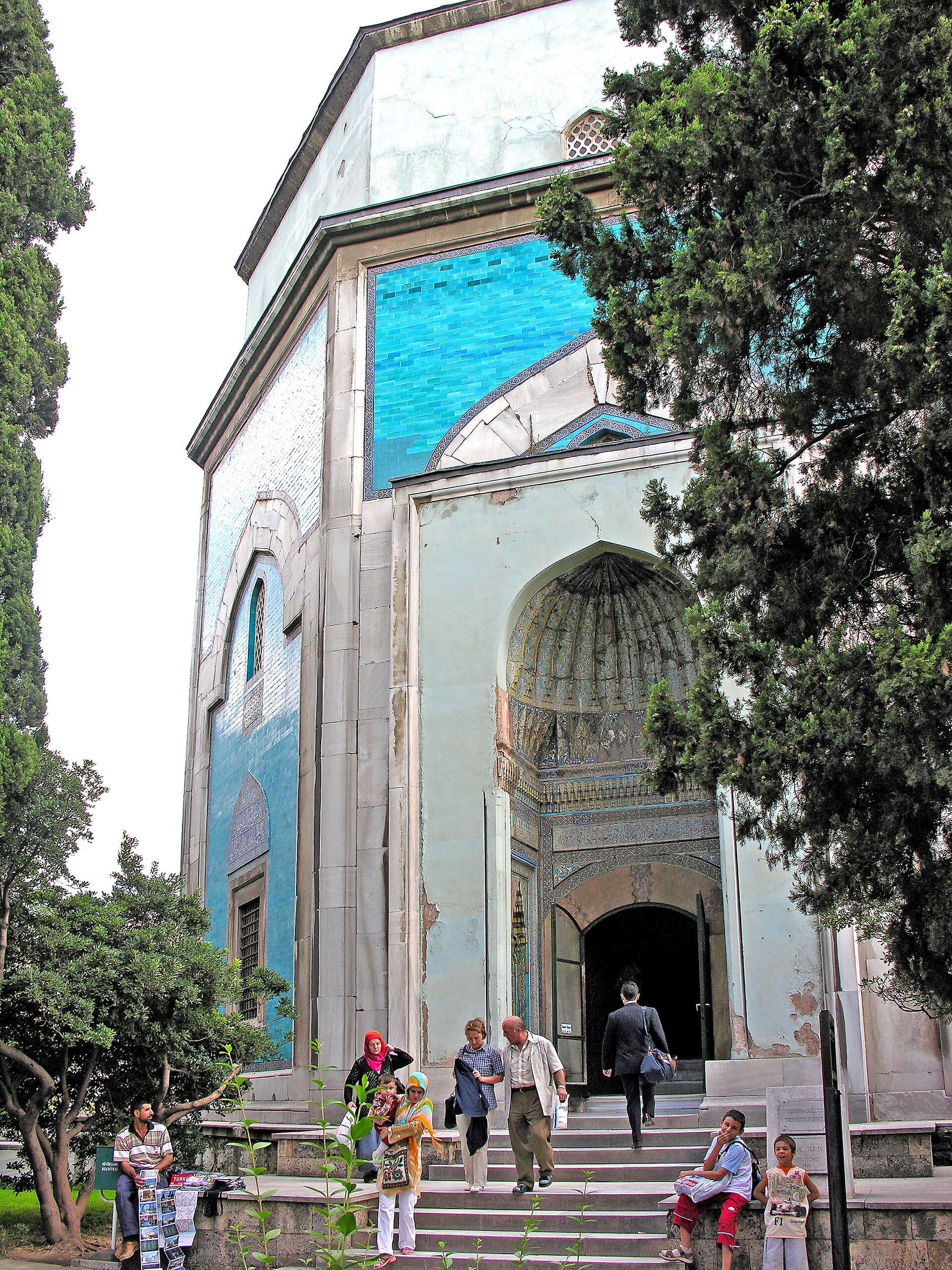 Green Tomb (Yeşil Türbe)The sultan who stitched the Ottoman state back together after the disaster at An1 min walk
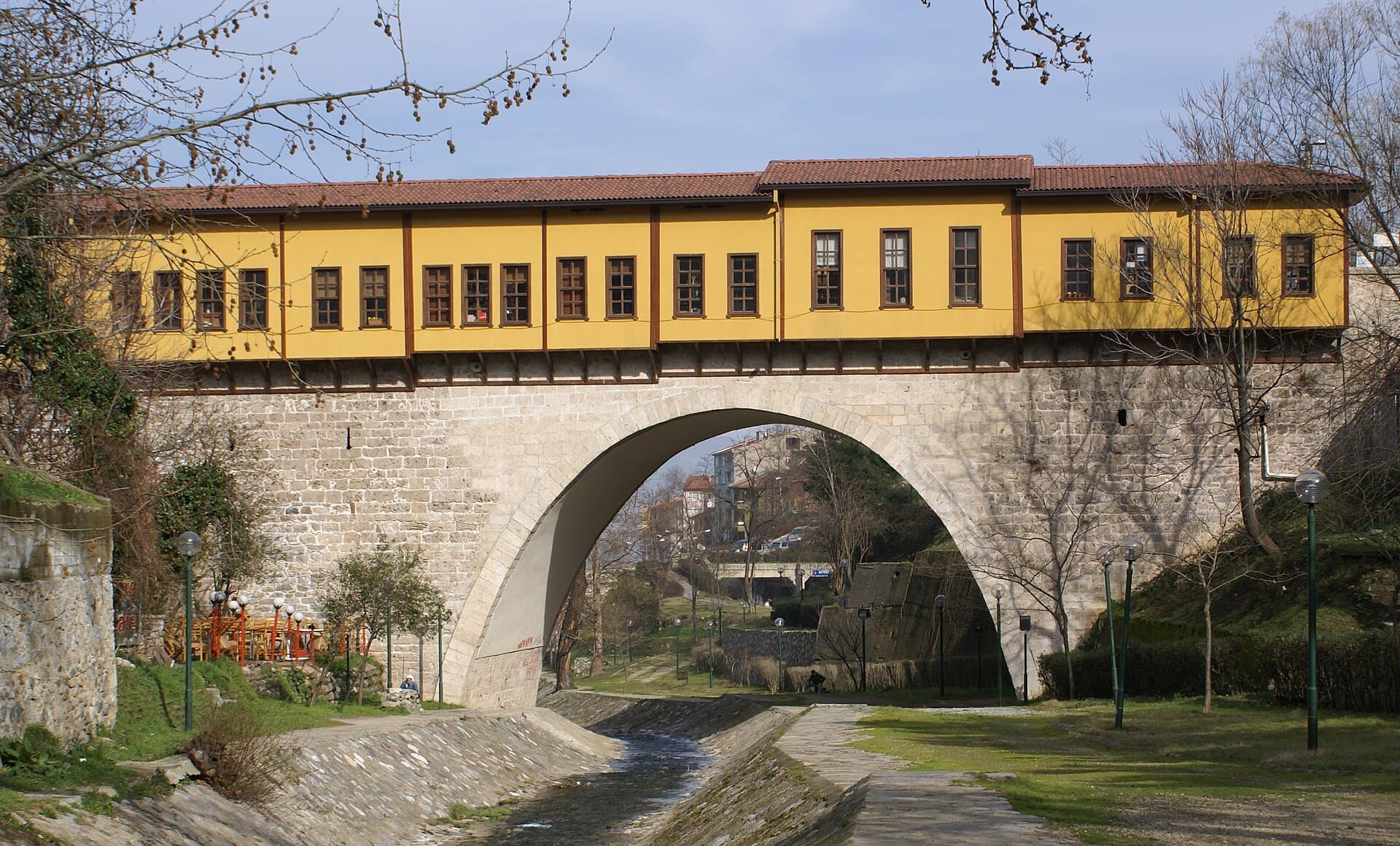 Irgandı BridgeIt is a bazaar that happens to be a bridge, not a bridge that happens to have a 4 min walk
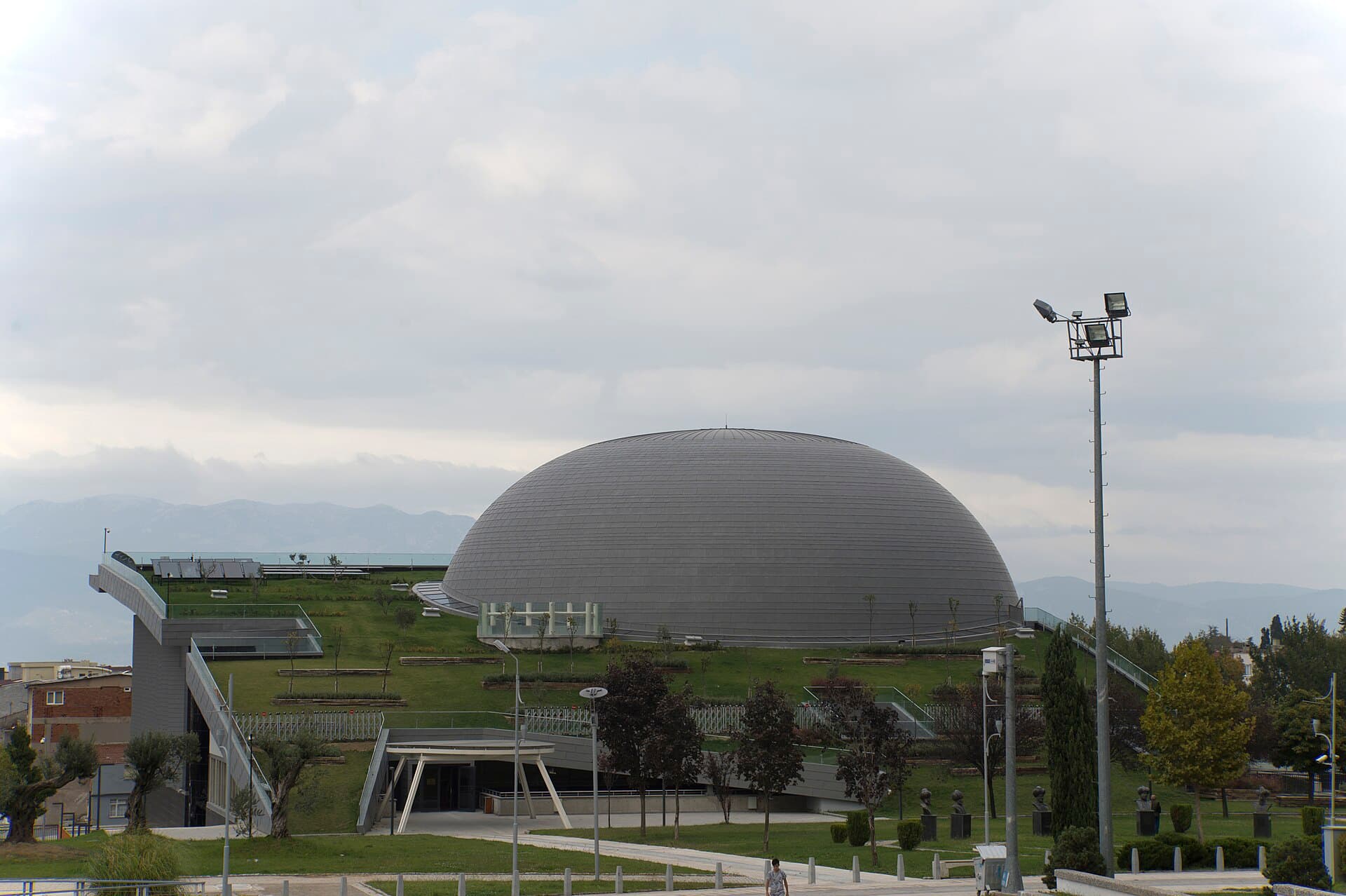 Panorama 1326 Bursa Conquest MuseumOn 6 April 1326 Bursa's citadel surrendered to Orhan Gazi after a long siege and6 min walk
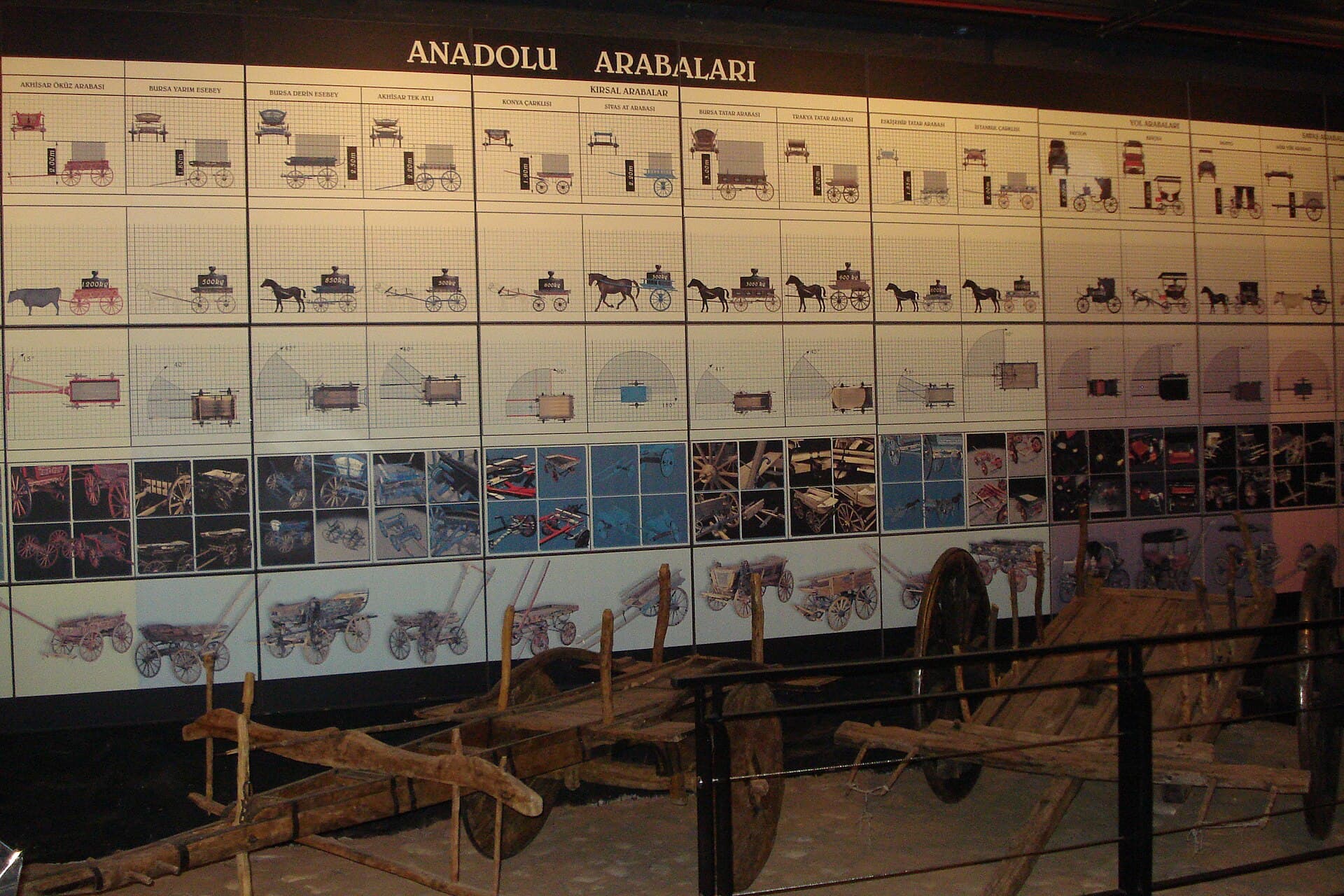 Tofaş Museum of Cars and Anatolian CarriagesThe oldest design here is a war chariot some twenty-six centuries old, rebuilt p8 min walk
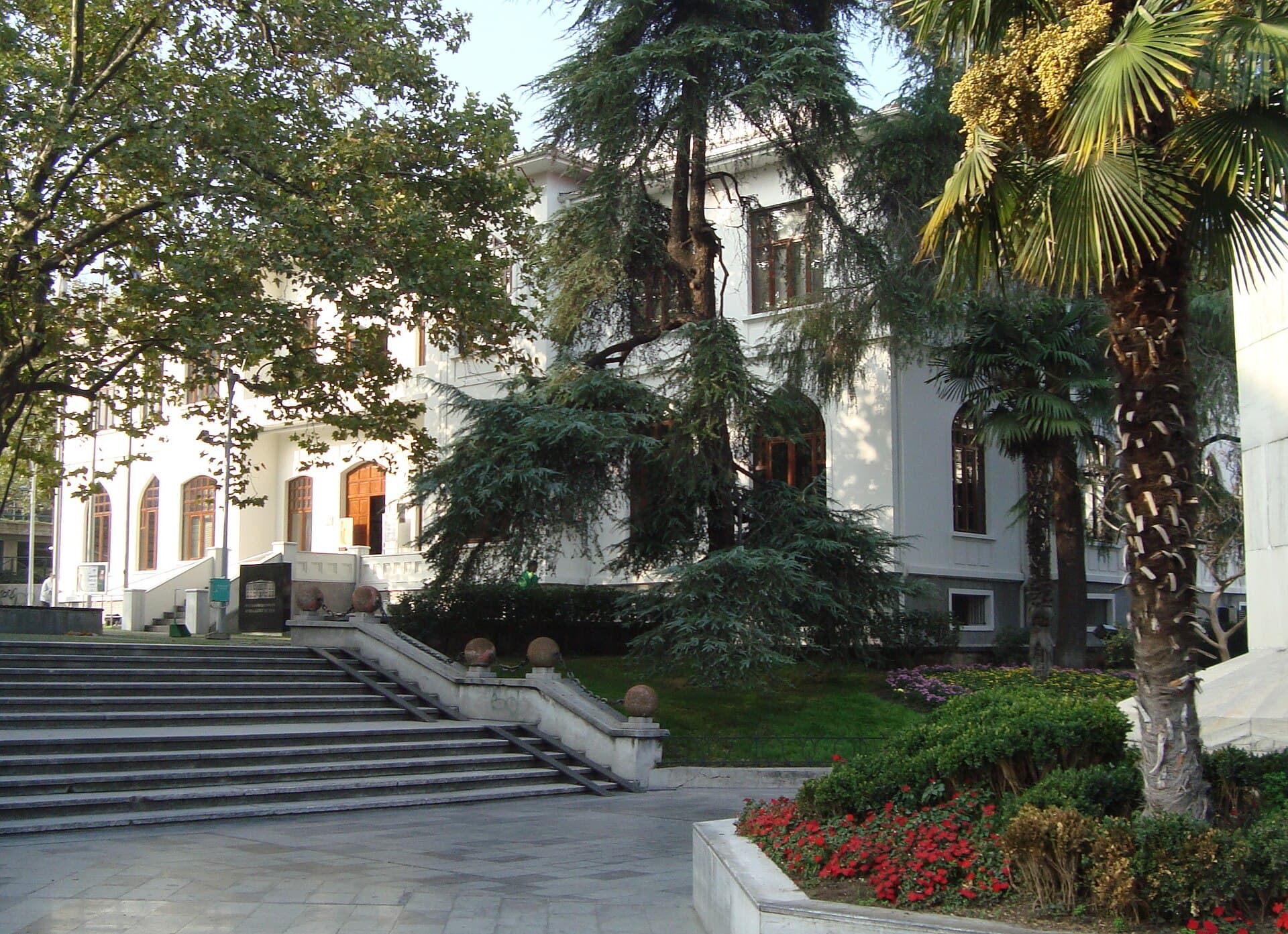 Bursa City MuseumTurkey's first city museum was never built to be one: it was the courthouse. The9 min walk
The Green Mosque if beauty and decoration are what you are after: the tilework is unmatched and the space is smaller and calmer. The Grand Mosque is bigger and more famous for its giant calligraphy, and it sits in the bazaar so you will pass it anyway; the Green Mosque is the one worth climbing the hill for on purpose.
Half an hour is enough, and it is quiet and shaded even in August heat, but the steps on the slope make a pushchair a chore. Pair it with the Green Tomb opposite and Panorama 1326 at the foot of the hill, which is the part children actually enjoy.
Sign in to write your review of this place.
No reviews yet — be the first.