
The turquoise shell
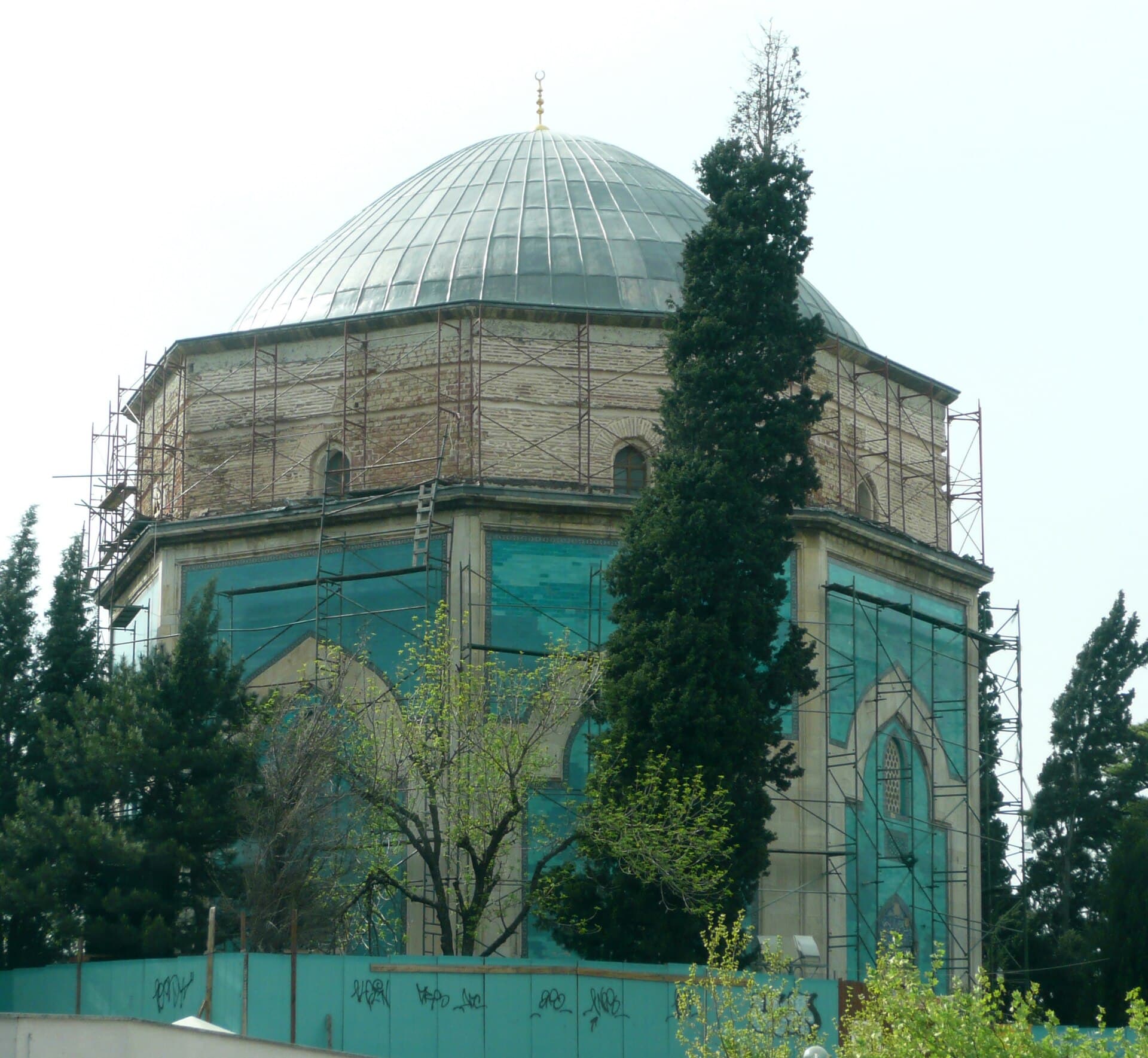
An octagon sheathed wall to wall in green-blue tile, Bursa's most photographed facade, best in morning light.
Dennis G. Jarvis — CC BY-SA 2.0 · Mustafa DUMAN — CC BY 3.0 · Dosseman — CC BY-SA 4.0 · Mustafa DUMAN — CC BY 3.0
The sultan who stitched the Ottoman state back together after the disaster at Ankara never saw his own tomb. Mehmed I died in 1421, and his son Murad II finished the mausoleum that same year to a design by Hacı İvaz Paşa. What made it famous is the skin rather than the occupant: an eight-sided building under a hemispherical dome, sheathed entirely in turquoise-green tile, so striking that the whole quarter took its name from it. Ask which single view gets photographed most in Bursa and it is this facade. Here is the part few visitors know: most of that exterior tile is not original. The 1855 earthquake brought much of it down, and later restorations reclad the walls with Kütahya tiles, paler and flatter than the Tabriz-made originals. The genuine article survives inside: a tiled mihrab that rivals the one in the Green Mosque next door, floral panels in blue, white and gold, and the sultan's cenotaph, itself faced in inscribed blue tile, ringed by the smaller cenotaphs of his sons, daughters and his wet-nurse Daye Hatun. Stop at the carved wooden door on the way in; its inscription credits a craftsman from Tabriz, Ali son of Hacı Ahmed. The interior is a single small chamber and ten minutes will see it. The point is what comes before and after. A short flight of steps lifts you from the Green Mosque forecourt to the tomb's terrace, which has the best mid-height view over old Bursa, and the little cafes lined along it make a good tea stop with children. There is no admission fee: the custodian opens up in the morning and locks the door around six, and may shut it for a few minutes at prayer times. Shoes off at the threshold, no flash. The tomb is part of the Bursa UNESCO World Heritage listing of 2014, and the right way to see it is as a set: the Green Mosque below, the tomb above, then the Turkish and Islamic Arts Museum in the old madrasa a hundred metres downhill. All three make an easy two hours, and early morning is best for photographs before the tour coaches arrive. In August heat the slope loses some of its charm, so make this the first stop of the day.
An octagon sheathed wall to wall in green-blue tile, Bursa's most photographed facade, best in morning light.
The surviving Tabriz-era work inside: a mihrab in blue and gold, and the sultan's cenotaph faced in inscribed tile.
The tomb's terrace looks out over old Bursa, with small cafes for tea before you drop down to the mosque and museum.
Yeşil Mahallesi, Yeşil Caddesi, Yıldırım, Bursa
 Green Mosque (Yeşil Cami)It is called the Green Mosque and its façade is white marble, so do not judge it1 min walk
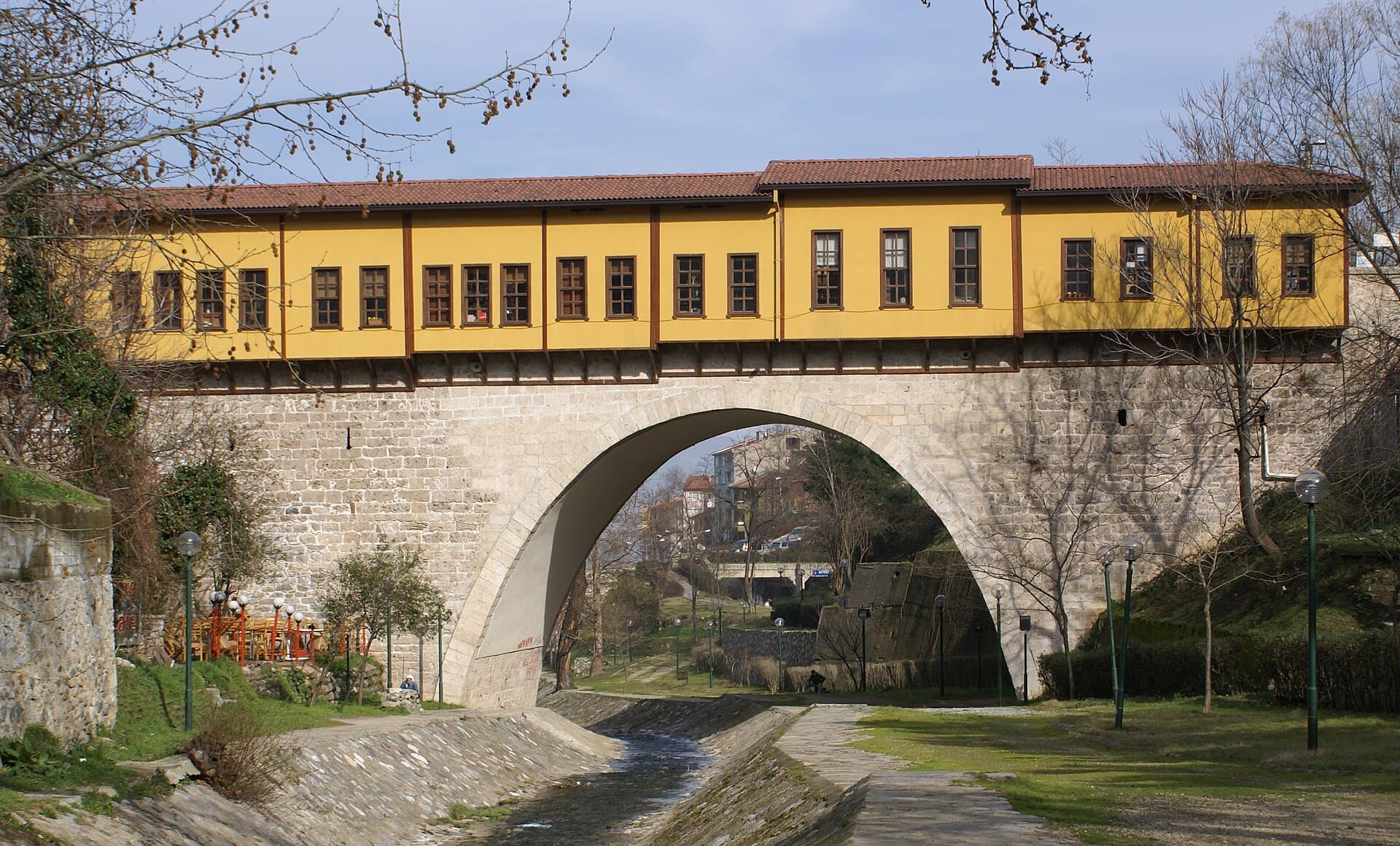 Irgandı BridgeIt is a bazaar that happens to be a bridge, not a bridge that happens to have a 4 min walk
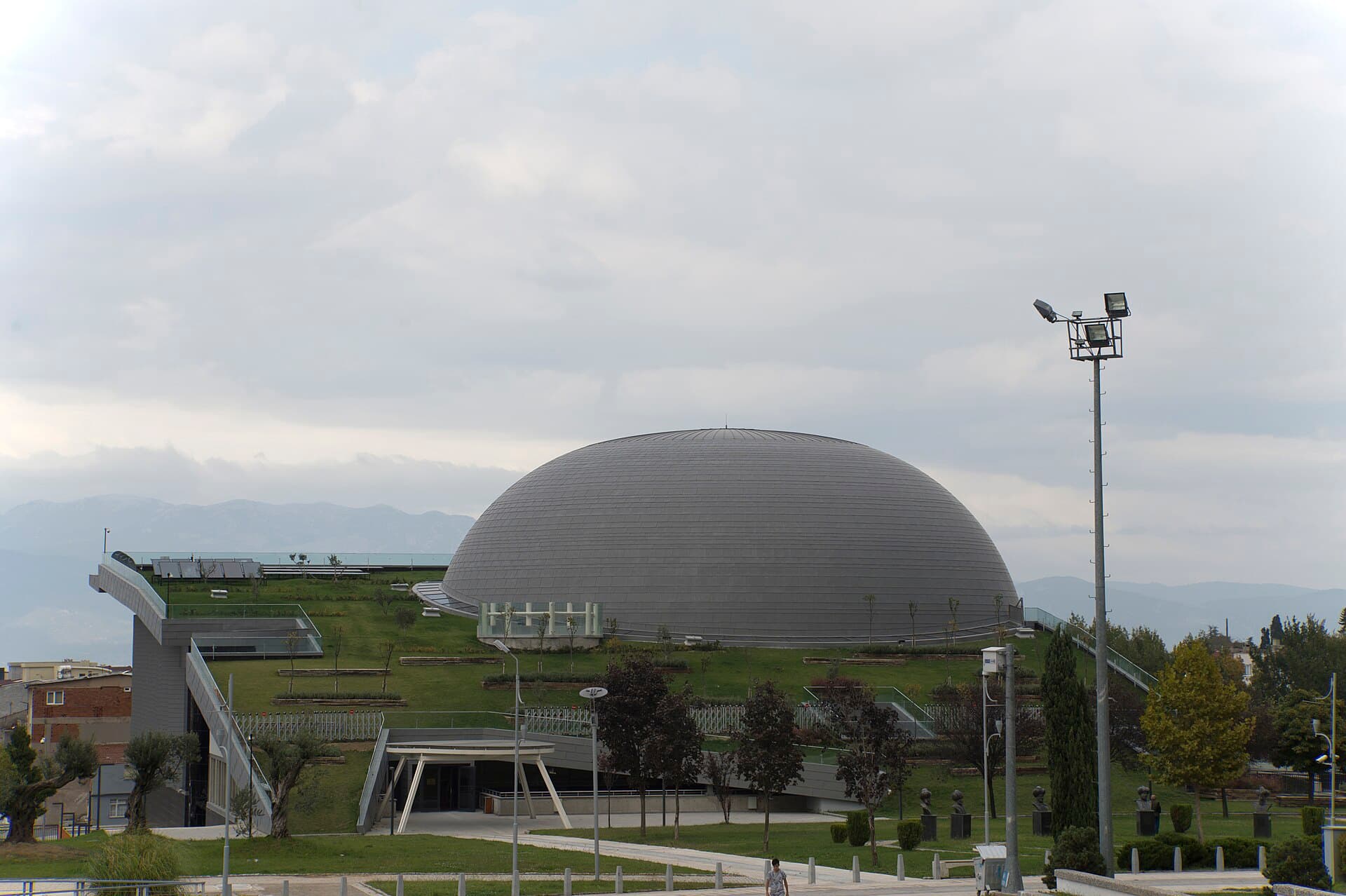 Panorama 1326 Bursa Conquest MuseumOn 6 April 1326 Bursa's citadel surrendered to Orhan Gazi after a long siege and7 min walk
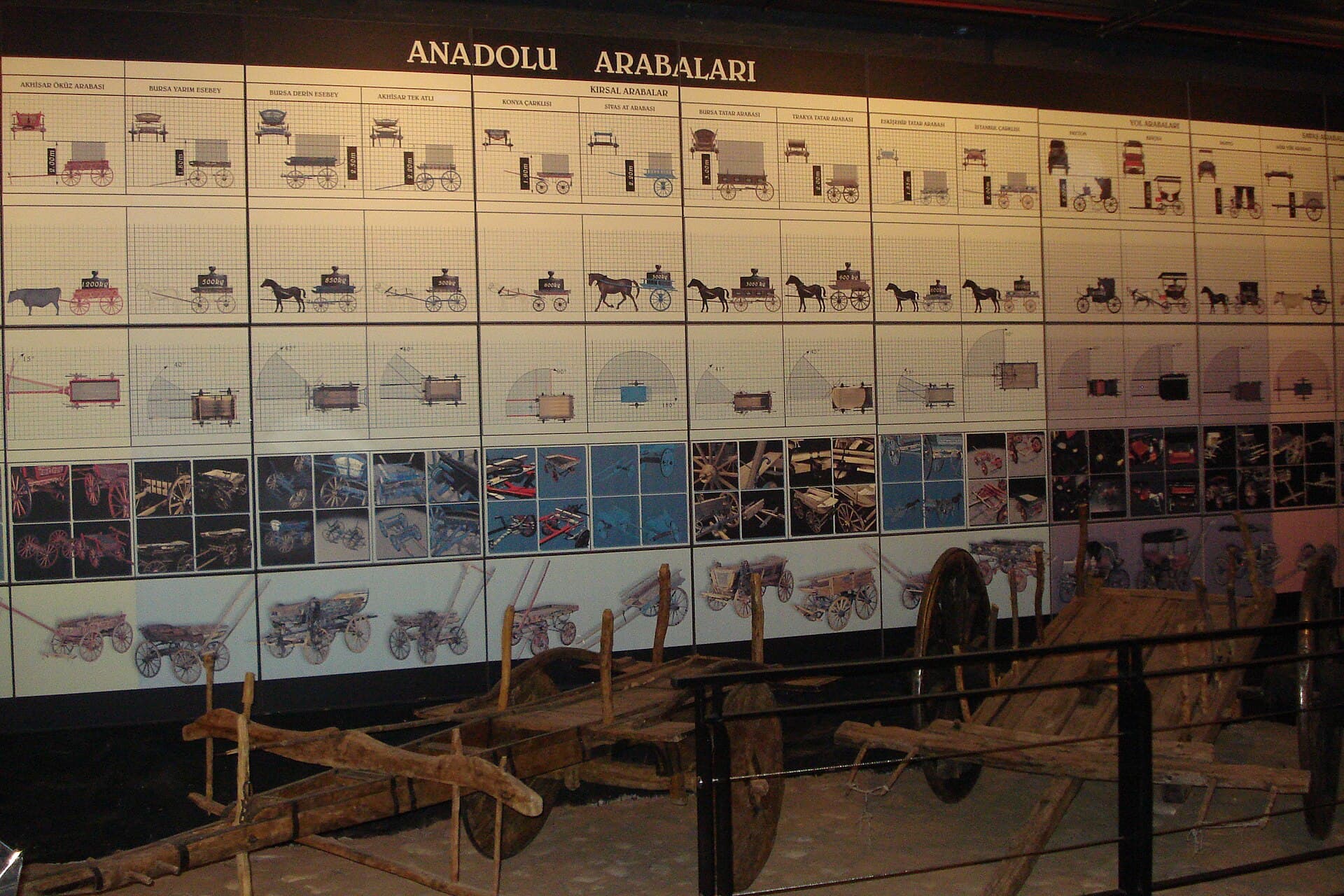 Tofaş Museum of Cars and Anatolian CarriagesThe oldest design here is a war chariot some twenty-six centuries old, rebuilt p7 min walk
 Bursa City MuseumTurkey's first city museum was never built to be one: it was the courthouse. The9 min walk
The exterior is the famous picture, but all the original tilework is inside: the mihrab and the tiled cenotaph. Entry is free and takes ten minutes, so there is no reason to skip it.
With only an hour, take the Green Tomb together with the Green Mosque beneath it. Muradiye is a quieter, larger garden of tombs about three kilometres away that needs two to three hours with transport, better for a two-night stay in Bursa.
Sign in to write your review of this place.
No reviews yet — be the first.