
An Ottoman bazaar hung over a stream
The only shop-lined bridge the Ottomans ever built, in the manner of Florence's Ponte Vecchio.
HALUK COMERTEL — CC BY 3.0 · Mustafa DUMAN — CC BY 3.0 · Arif miletli — CC BY-SA 4.0 · Mary Adelaide Walker — Public domain
It is a bazaar that happens to be a bridge, not a bridge that happens to have a bazaar beside it. That is the thing worth pausing over on Irgandı Bridge: you cross the little Gökdere stream between the Osmangazi and Yıldırım districts and never see the water unless you peer through a gap between the timber shopfronts lining both sides. A merchant named Hoca Muslihiddin, son of Irgandılı Ali, built it in 1442 under Sultan Murad II on a single stone arch of about 16 metres, roofed it over and fitted it with 32 shops, sixteen a side, one of them a tiny mosque for the traders. Florence has its Ponte Vecchio; the Ottomans built exactly one bridge in this form, and this is it. Only the arch underneath is fifteenth-century stone. The great earthquake of 1855 cracked the bridge, and in 1922 the retreating Greek occupation forces dynamited it; it lay in ruins until 1949, when it was recast in concrete as a plain road bridge with no shops at all. Bursa did not get its hanging bazaar back until 2004, when Osmangazi municipality rebuilt the two timber rows to the old pattern. Anyone reading the commemorative plaque and expecting an untouched original will be let down; anyone who accepts that the idea is older than the woodwork will enjoy it more. The shops are small craft workshops: ebru paper-marbling, ceramics, the Karagöz shadow puppets that tradition ties to Bursa, some souvenirs, and a narrow tea café. Prices are a touch touristy but not outrageous, and this is a good place for a light gift made in Bursa rather than in a distant factory. The deck has no steps and is free and open round the clock, so pushchairs roll straight through, and children like watching a craftsman lift a sheet of paper out of the ebru tray. The shops keep roughly 10:00 to early evening, with some closing on Sundays or on cold winter days. Be honest about the timing: this is a fifteen-to-thirty-minute stop, not a destination. Treat it as a waypoint on the walk from Heykel and the Koza Han silk market towards the Green Mosque and Green Tomb, about 500 metres uphill beyond the neighbouring Setbaşı Bridge. In August heat go in the morning or after mid-afternoon; at midday the bridge empties out except for the craftsmen. In spring and autumn this whole stroll is one of the nicest things you can do on foot in Bursa.
The only shop-lined bridge the Ottomans ever built, in the manner of Florence's Ponte Vecchio.
Ebru marbled on water in front of you, ceramics and the Karagöz puppets that tradition ties to Bursa.
A fifteen-minute pause halfway along the walk from Koza Han to the Green Mosque and Tomb.
Atatürk Caddesi, Setbaşı, Osmangazi, Bursa
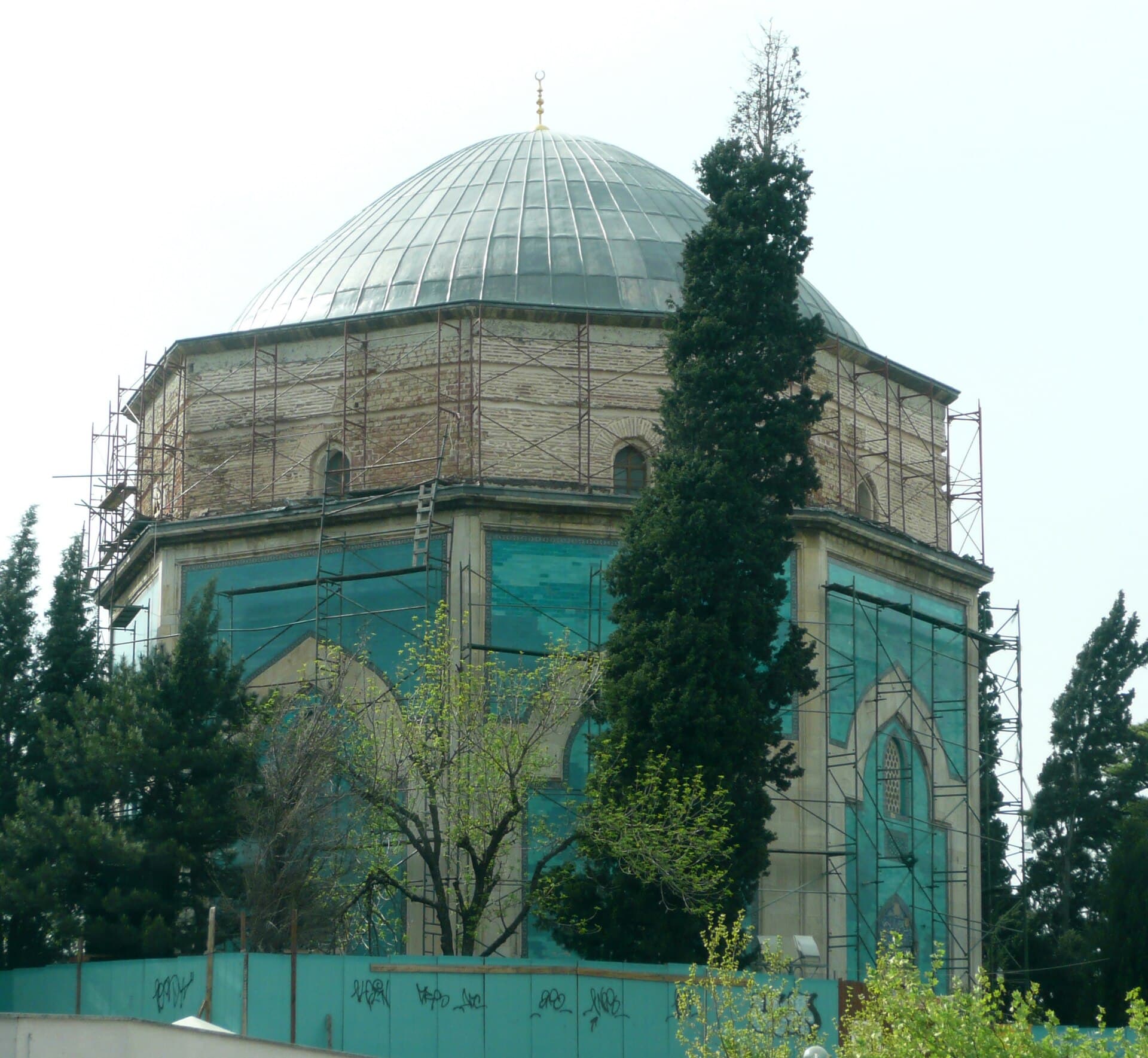 Green Mosque (Yeşil Cami)It is called the Green Mosque and its façade is white marble, so do not judge it4 min walk
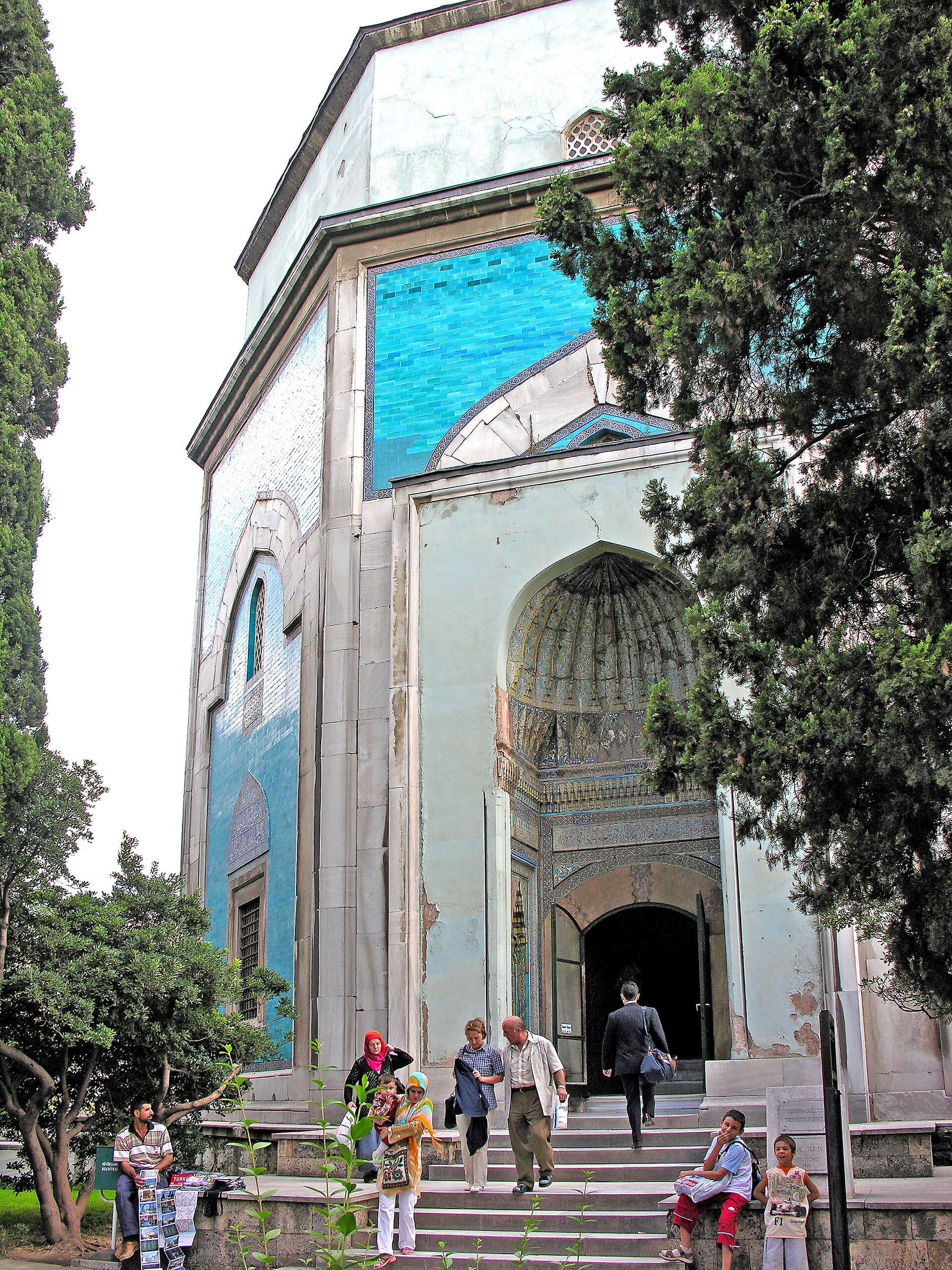 Green Tomb (Yeşil Türbe)The sultan who stitched the Ottoman state back together after the disaster at An4 min walk
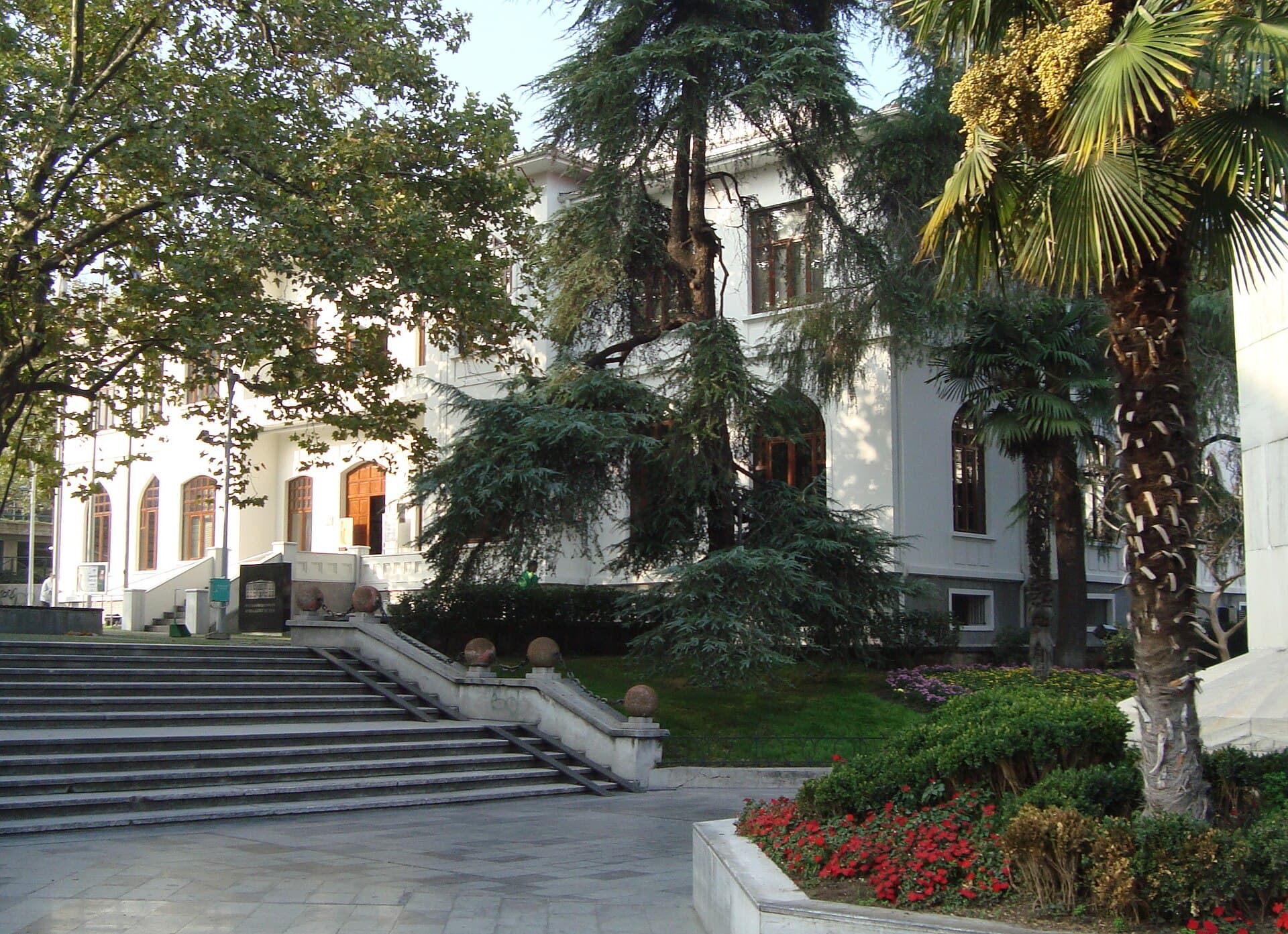 Bursa City MuseumTurkey's first city museum was never built to be one: it was the courthouse. The5 min walk
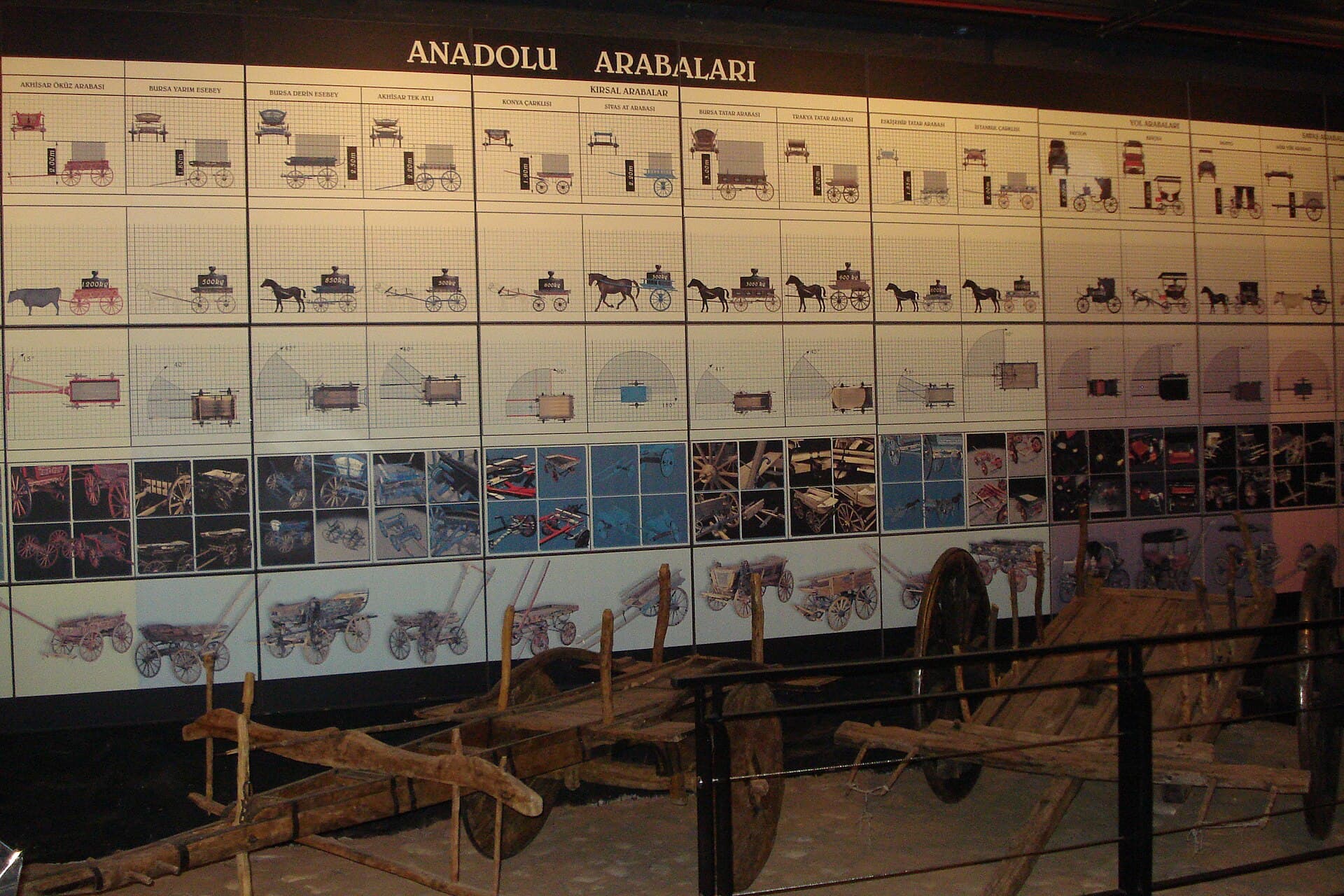 Tofaş Museum of Cars and Anatolian CarriagesThe oldest design here is a war chariot some twenty-six centuries old, rebuilt p7 min walk
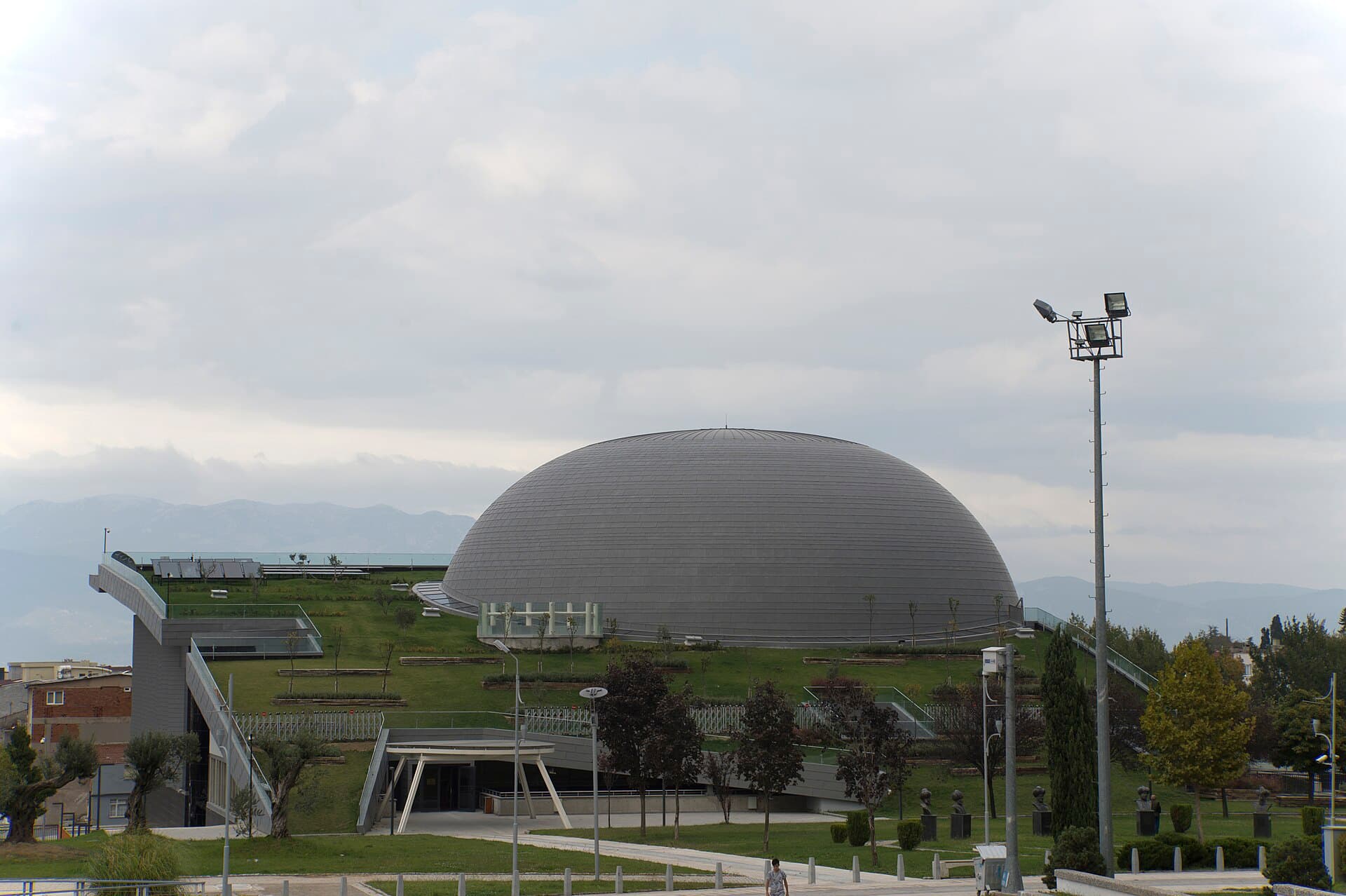 Panorama 1326 Bursa Conquest MuseumOn 6 April 1326 Bursa's citadel surrendered to Orhan Gazi after a long siege and8 min walk
Just pass through. The bridge is short and the timber shops date from a 2004 rebuild, not the fifteenth century, so it does not justify a journey on its own. It does sit on the natural walking route from Koza Han to the Green Mosque, where it makes a pleasant fifteen-minute stop and a chance to buy a small gift from a local craftsman.
Yes, the deck has no steps and only the gentlest of slopes, but the continuation to the Green Mosque is a noticeable 500-metre climb, so factor that in during summer heat.
Sign in to write your review of this place.
No reviews yet — be the first.