
The basement bazaar
An eighteenth-century market street rebuilt shop by shop, coppersmith to sweet-maker, and the part children love.
HALUK COMERTEL — CC BY 3.0 · Mustafa DUMAN — CC BY 3.0 · Mustafa DUMAN — CC BY 3.0 · Mustafa DUMAN — CC BY 3.0
Turkey's first city museum was never built to be one: it was the courthouse. The stern stone block on Heykel square, at the centre of modern Bursa, went up in 1926, built by Ekrem Hakkı Ayverdi in the so-called First National style, served as the courts for over seventy years, and reopened on 14 February 2004 as a museum telling seven thousand years of the city's story, from prehistory through Bithynia, Rome and Byzantium to the first Ottoman capital and on to the Republic. Entry is free, which is not a small detail in a country whose state museums now price foreigners in euros. The ground floor is the history: maps, panels and models explaining how a town at the foot of Uludağ became the capital of the young Ottoman state, and how silk made it rich. The floor that people actually enjoy is the basement, an eighteenth-century Ottoman bazaar street rebuilt shop by shop, with a coppersmith, a farrier, a carpenter, a sweet-maker, a felt-maker and a kebab seller, plus a section on silk and the silkworm. Children linger here, and it is also where you understand why the real Hanlar bazaar a few minutes' walk away still sells towels and silk today. The first floor turns to daily life: the hot springs that made Bursa a spa town, the kitchen that produced İskender kebab, and the Karagöz and Hacivat shadow theatre the city claims as its birthplace. Labels are mostly Turkish with partial English, so do not expect deep explanation, and the museum is not large; an hour covers it comfortably. Its best use is as the first stop of your day. Come in the morning to get the city's layout and history straight, then walk out to the Grand Mosque, Koza Han and the Hanlar district, all five to ten minutes on foot. In August heat it is a welcome shaded pause between bazaars; in winter it is a warm fallback if snow closes the Uludağ road. The building has lifts, ramps and accessible toilets, a pushchair goes in without fuss, and there is a small cafe and a gift shop. It is closed on Mondays, so do not plan it for that day.
An eighteenth-century market street rebuilt shop by shop, coppersmith to sweet-maker, and the part children love.
A First National Architecture landmark built by Ekrem Hakkı Ayverdi, worth a look from outside even if you skip the inside.
The silkworm section that explains Bursa's wealth, and the shadow-theatre gallery the city claims as its own invention.
Atatürk Caddesi, Kültür Sokak No. 8, Hocaalizade, Heykel, Osmangazi
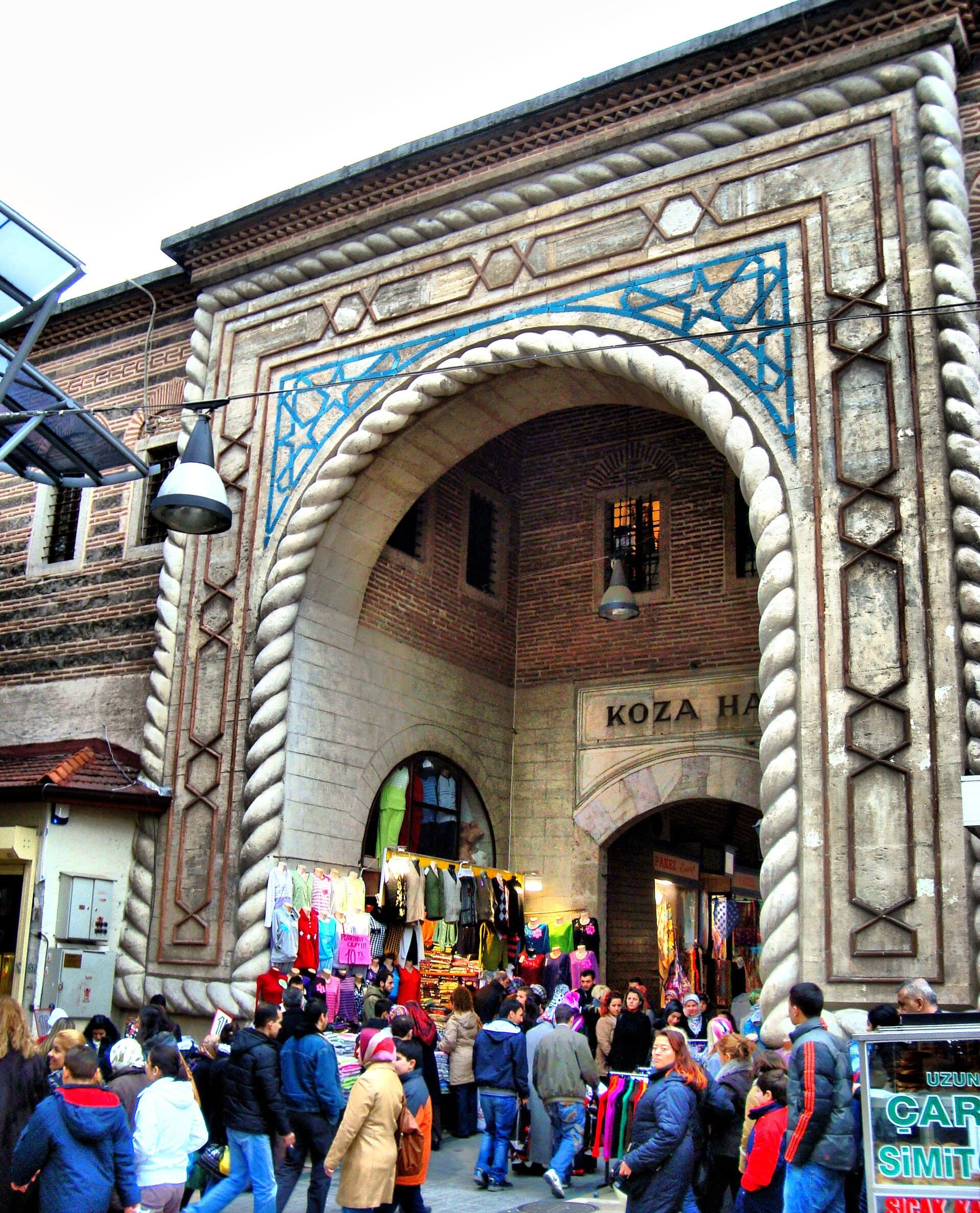 Koza Han and the Bursa BazaarSilk has been weighed and haggled over in this courtyard for more than five cent4 min walk
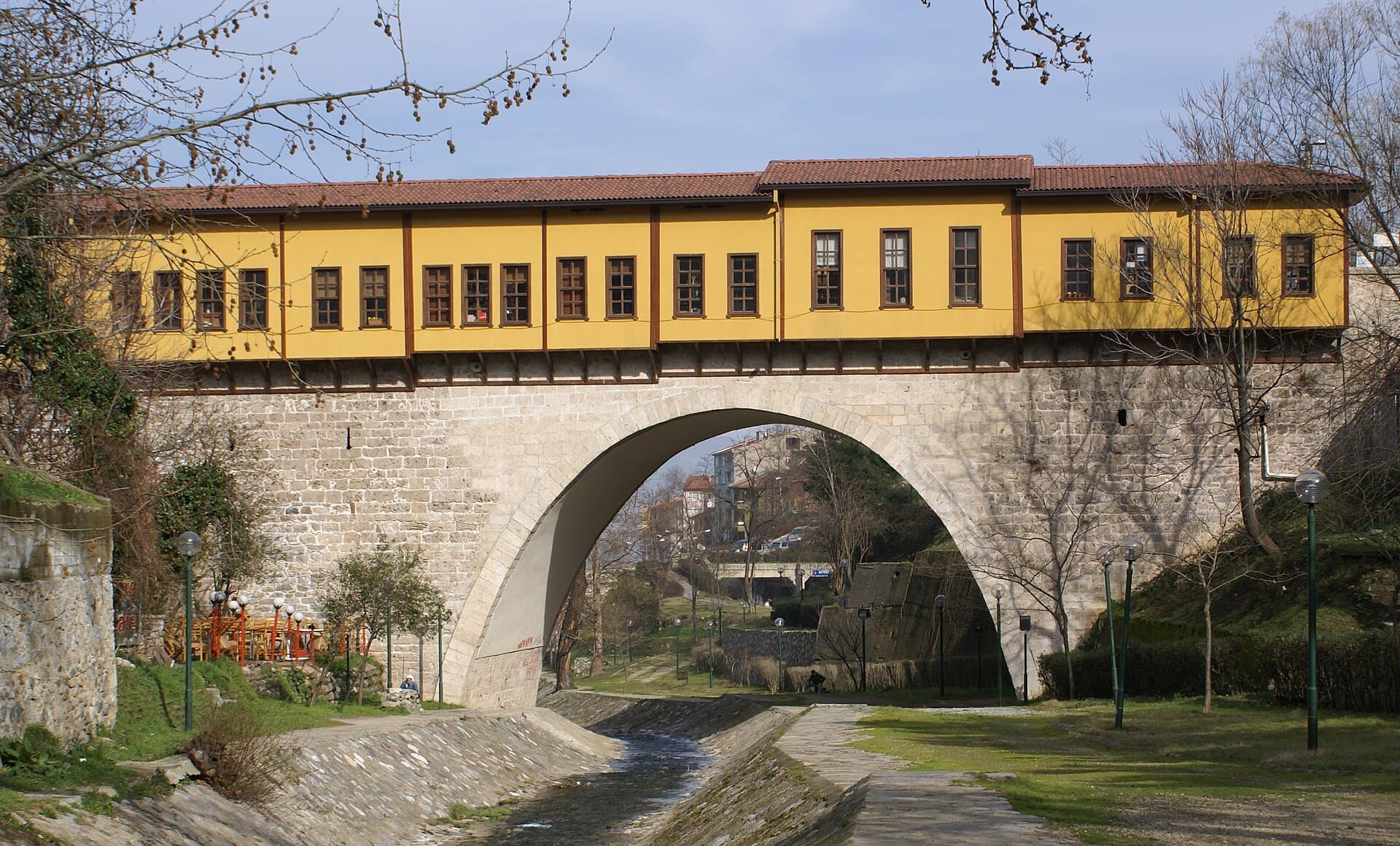 Irgandı BridgeIt is a bazaar that happens to be a bridge, not a bridge that happens to have a 5 min walk
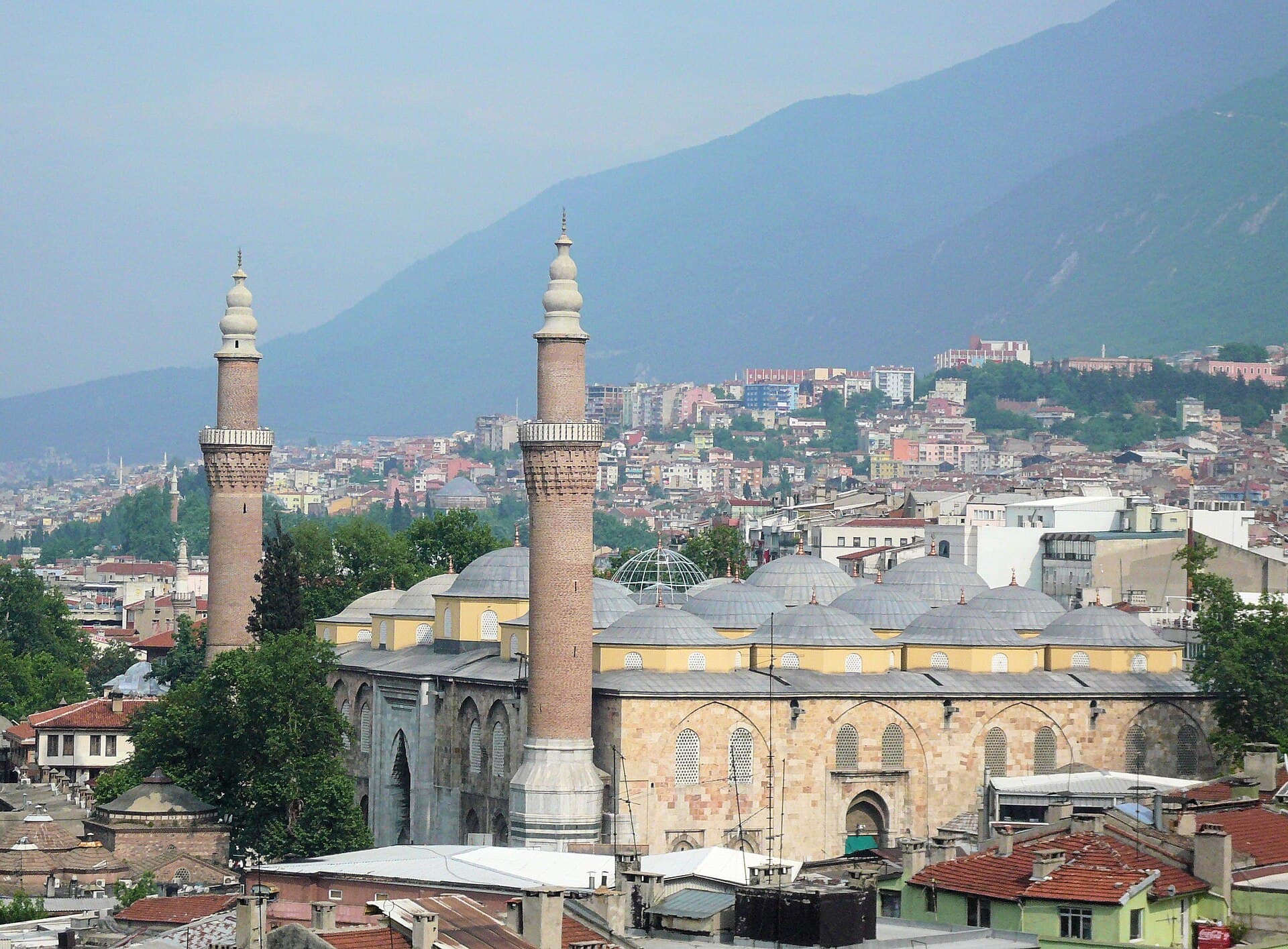 Grand Mosque of Bursa (Ulu Cami)The story Bursa likes to tell is that Sultan Bayezid I vowed to build twenty mos5 min walk
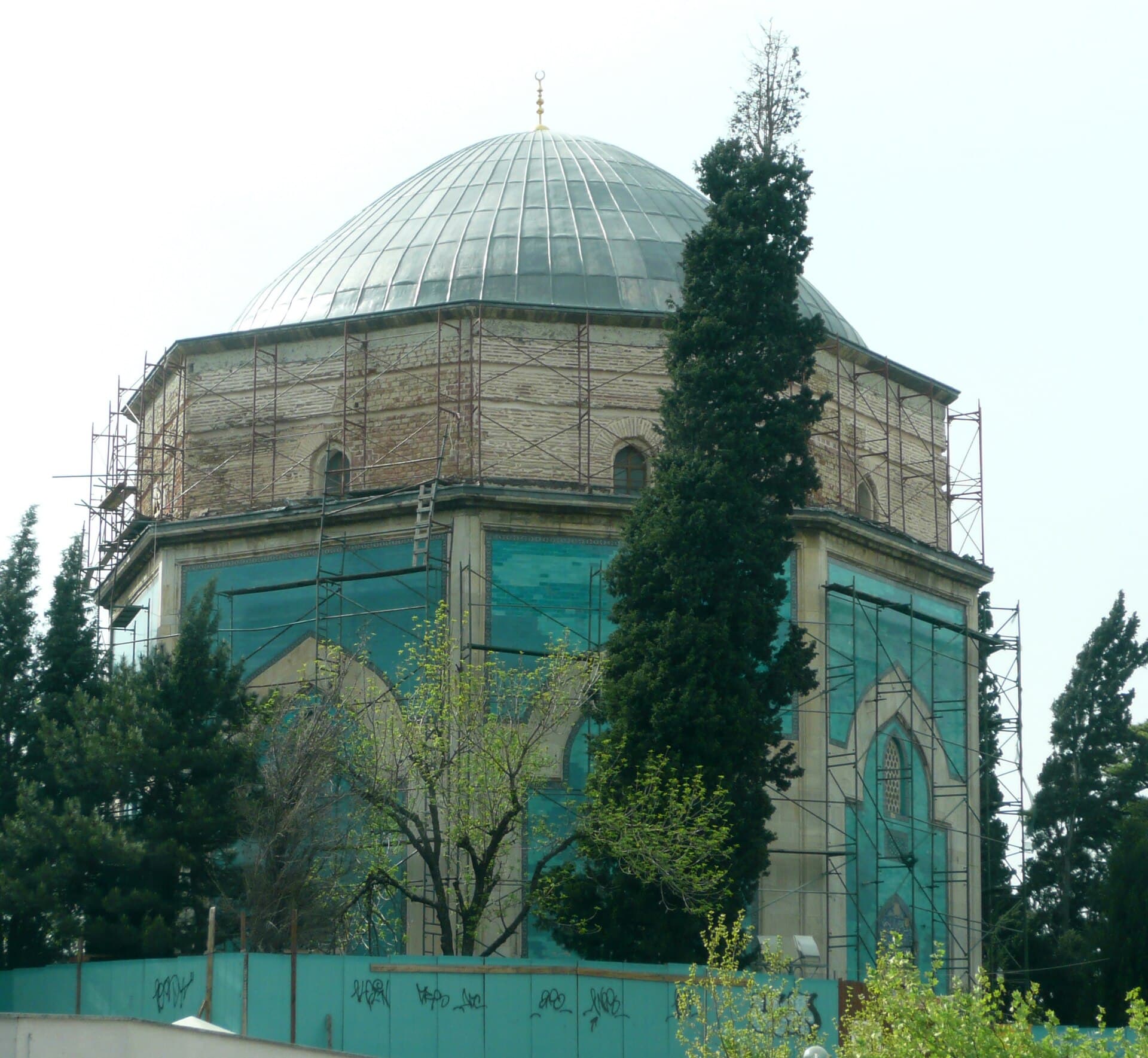 Green Mosque (Yeşil Cami)It is called the Green Mosque and its façade is white marble, so do not judge it9 min walk
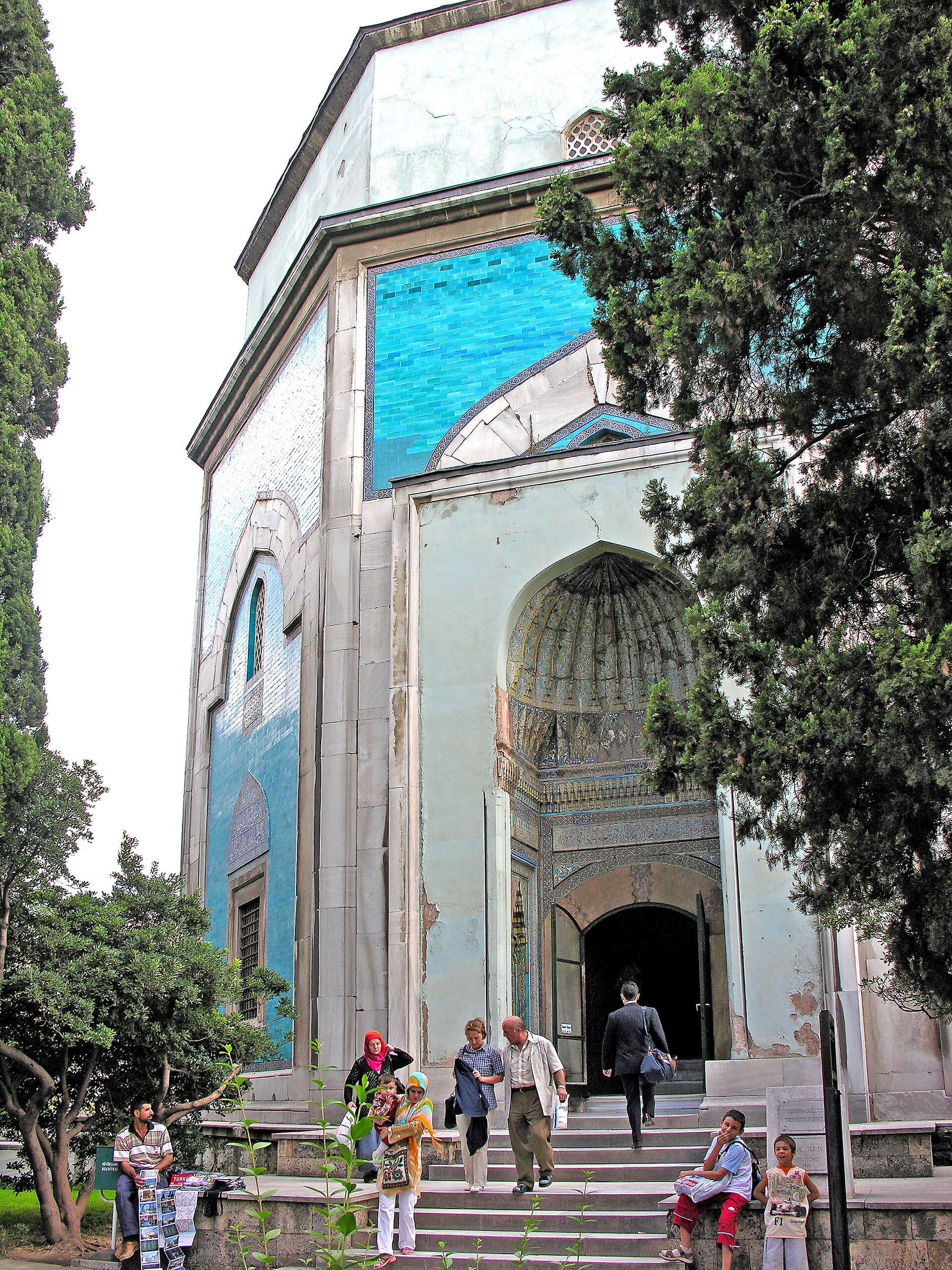 Green Tomb (Yeşil Türbe)The sultan who stitched the Ottoman state back together after the disaster at An9 min walk
If that day is packed with Uludağ and the Ottoman village of Cumalıkızık, no; put the Grand Mosque and the Hanlar bazaar first. If you are spending the day in the centre anyway, go in first for an hour: it is free, steps from the bazaars, and makes sense of everything you see afterwards.
Better than most history museums: the basement bazaar with its life-size shops holds their attention, and lifts mean a pushchair is no trouble. The labels are mostly Turkish though, so you will be doing the storytelling yourself.
Sign in to write your review of this place.
No reviews yet — be the first.