
A 2,600-year-old chariot, rebuilt
A full-size replica of a sixth-century BC chariot, built in 1998 and 1999 from the remains of one found at the Üçpınar burial mound near Balıkesir.
Hbasak — Public domain · Kızıldeniz — CC BY-SA 4.0 · Kızıldeniz — CC BY-SA 4.0 · Kızıldeniz — CC BY-SA 4.0
The oldest design here is a war chariot some twenty-six centuries old, rebuilt piece by piece from remains dug up near Balıkesir; the newest exhibit is a Fiat Doblò that rolled off the Bursa line in 2023. Between the two runs the whole story of the wheel in Anatolia, and Tofaş, the company that builds Fiats in Turkey, chose to tell it inside an abandoned nineteenth-century silk factory in the Umurbey quarter, restored and opened as a museum in the summer of 2002. The stone halls, the broad courtyard and the garden are as much of the pleasure as anything on display. The galleries begin with the wooden wheel and the tools that made it, then move through horse and ox carts, phaetons, Tatar wagons and gun carriages, gathered from villages across Anatolia and repaired with conspicuous care in the carpentry and ironwork. The piece everyone stops at is a full-size replica of a sixth-century BC chariot, built in 1998 and 1999 from the remains of one unearthed at the Üçpınar burial mound near Balıkesir. The motor hall lines up a dozen Tofaş cars, from the first Turkish-built Murat 124 and Murat 131 through the Kartal, Uno and Tipo to the Egea, along with the company's rally cars, among them a Doblò 4x4 built for the Dakar. The garden is half the visit: a 200-year-old black mulberry among the trees, recalling the silk that was once spun here, a pool left over from the factory days, the small Ottoman Umurbey hammam, now used for temporary exhibitions, an old Turkish house that serves as the museum offices, and the shaded Fayton Café, which does for lunch. The ground is mostly level and the paths wide, so a pushchair copes, the museum's free audio-guide app has a separate children's tour, and parking inside the grounds is free. Children who normally glaze over in museums find something here they understand. Entry is free, doors open from 10:00 to 17:00, and Monday is the closing day, usually along with the first day of the two Eids. Do not make a separate trip of it; fold it into your Green Mosque day. The museum sits at the bottom of the same slope, ten minutes on foot, with the covered Irgandı Bridge close by. In August heat the stone halls and shaded garden are a welcome pause; in winter the indoor section alone is enough.
A full-size replica of a sixth-century BC chariot, built in 1998 and 1999 from the remains of one found at the Üçpınar burial mound near Balıkesir.
A nineteenth-century stone mill restored by Tofaş, with a 200-year-old black mulberry in the garden as a reminder of its old trade.
A dozen cars from Tofaş's own history, including the first Turkish-built Murat 124, alongside the company's rally cars.
Kapıcı Caddesi 9/1, Umurbey, Yıldırım
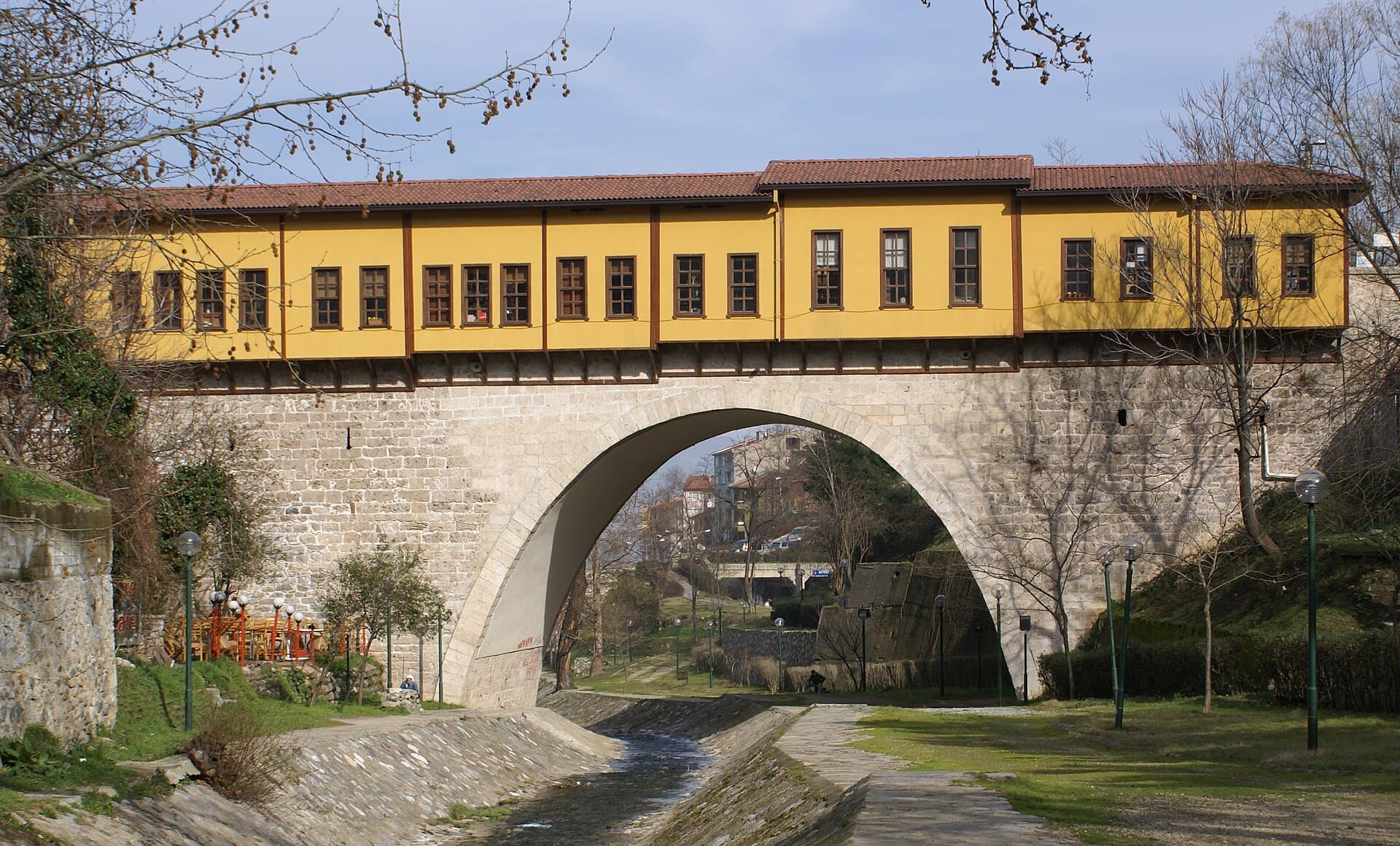 Irgandı BridgeIt is a bazaar that happens to be a bridge, not a bridge that happens to have a 7 min walk
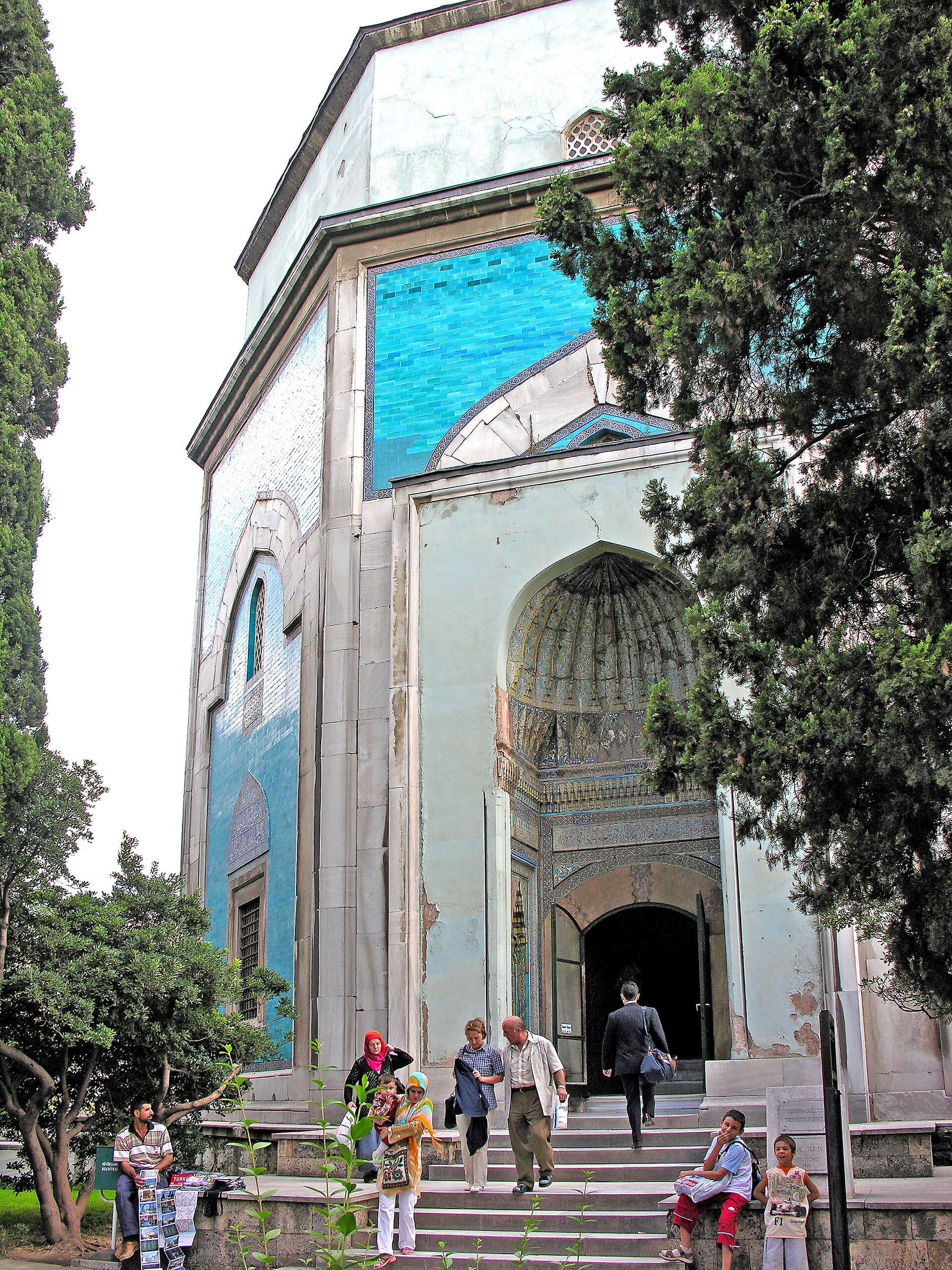 Green Tomb (Yeşil Türbe)The sultan who stitched the Ottoman state back together after the disaster at An7 min walk
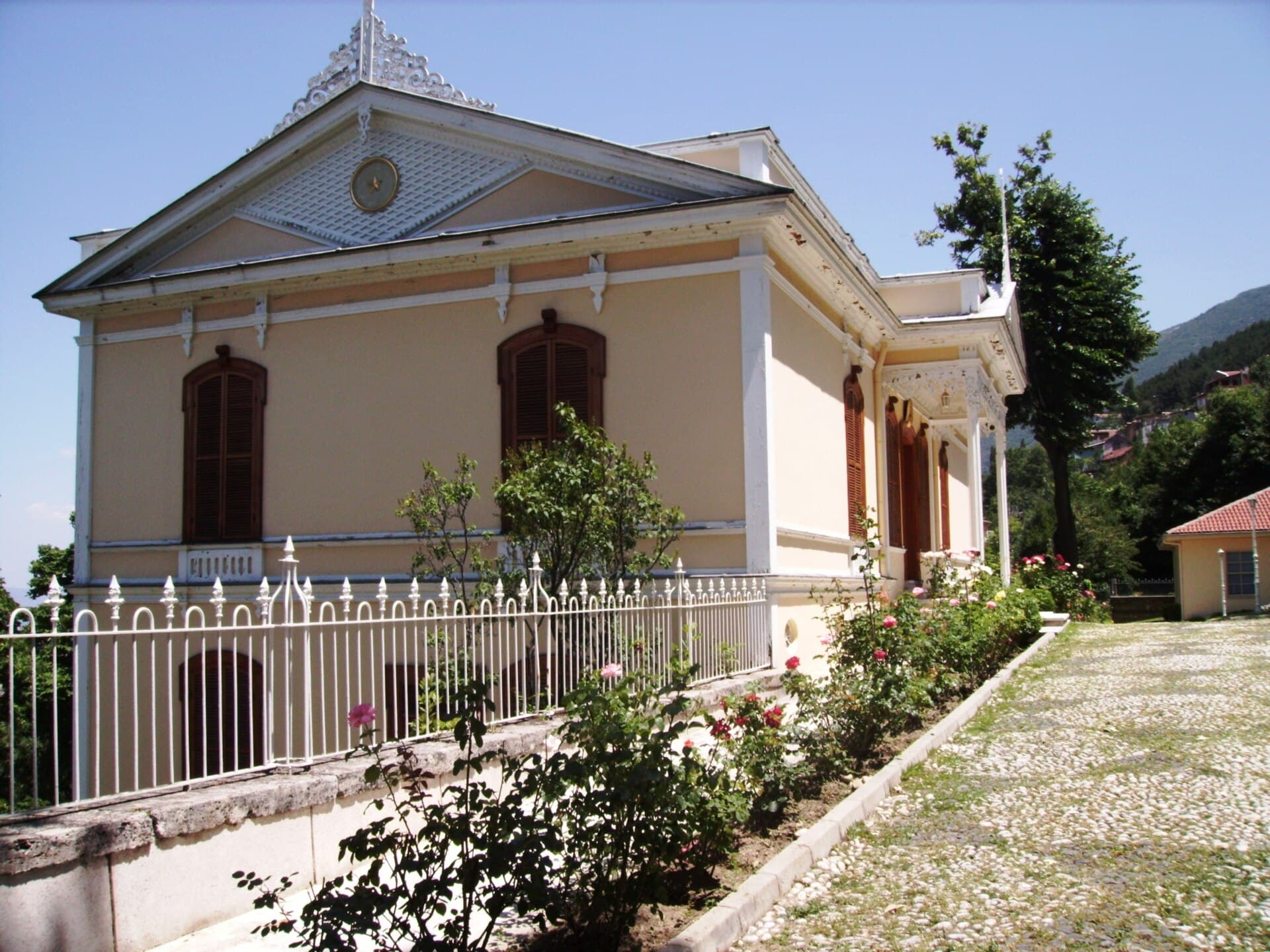 Hünkâr Köşkü (Sultan's Pavilion Museum)Three sultans and the founder of the Turkish Republic slept under this modest ro8 min walk
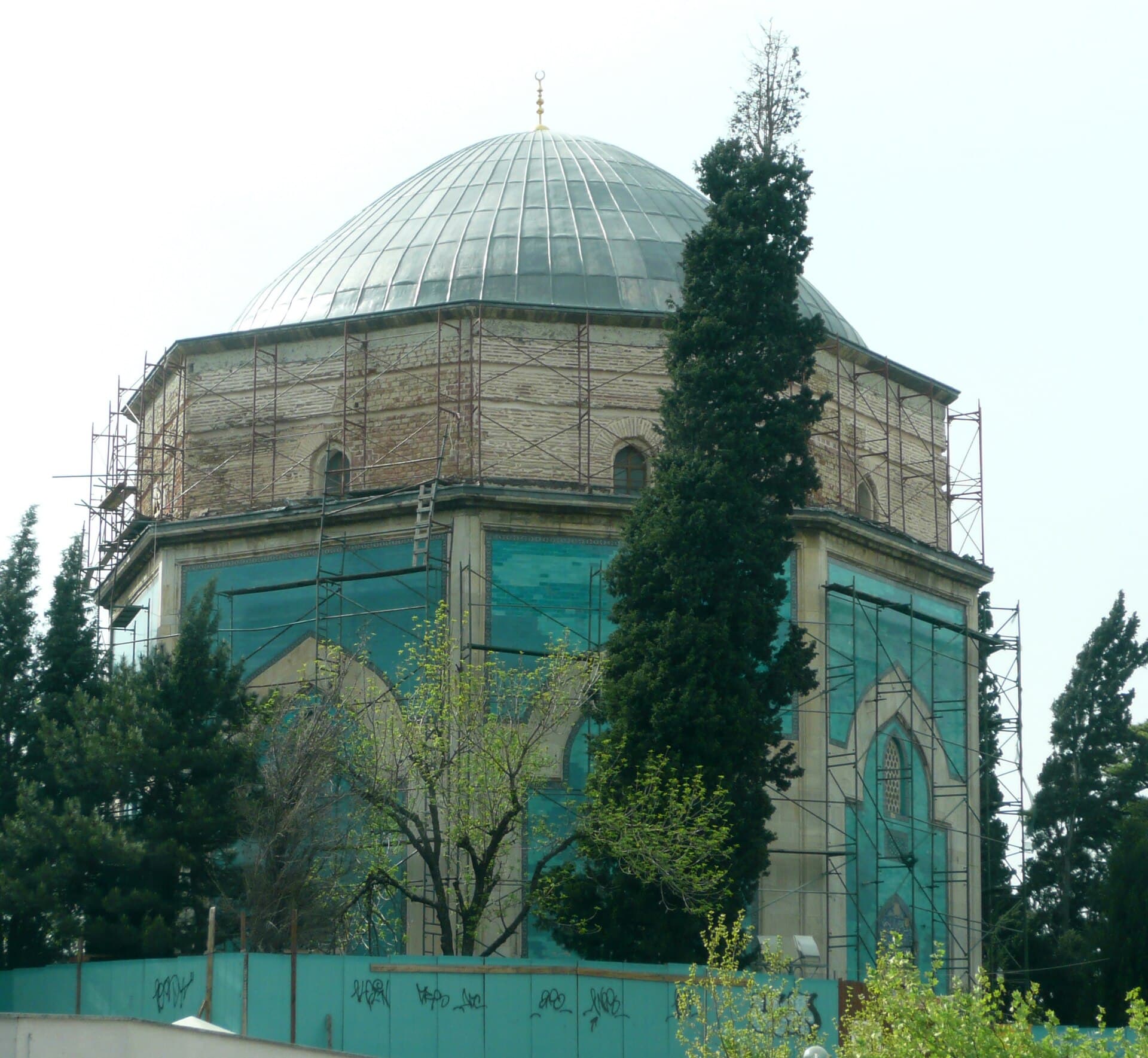 Green Mosque (Yeşil Cami)It is called the Green Mosque and its façade is white marble, so do not judge it8 min walk
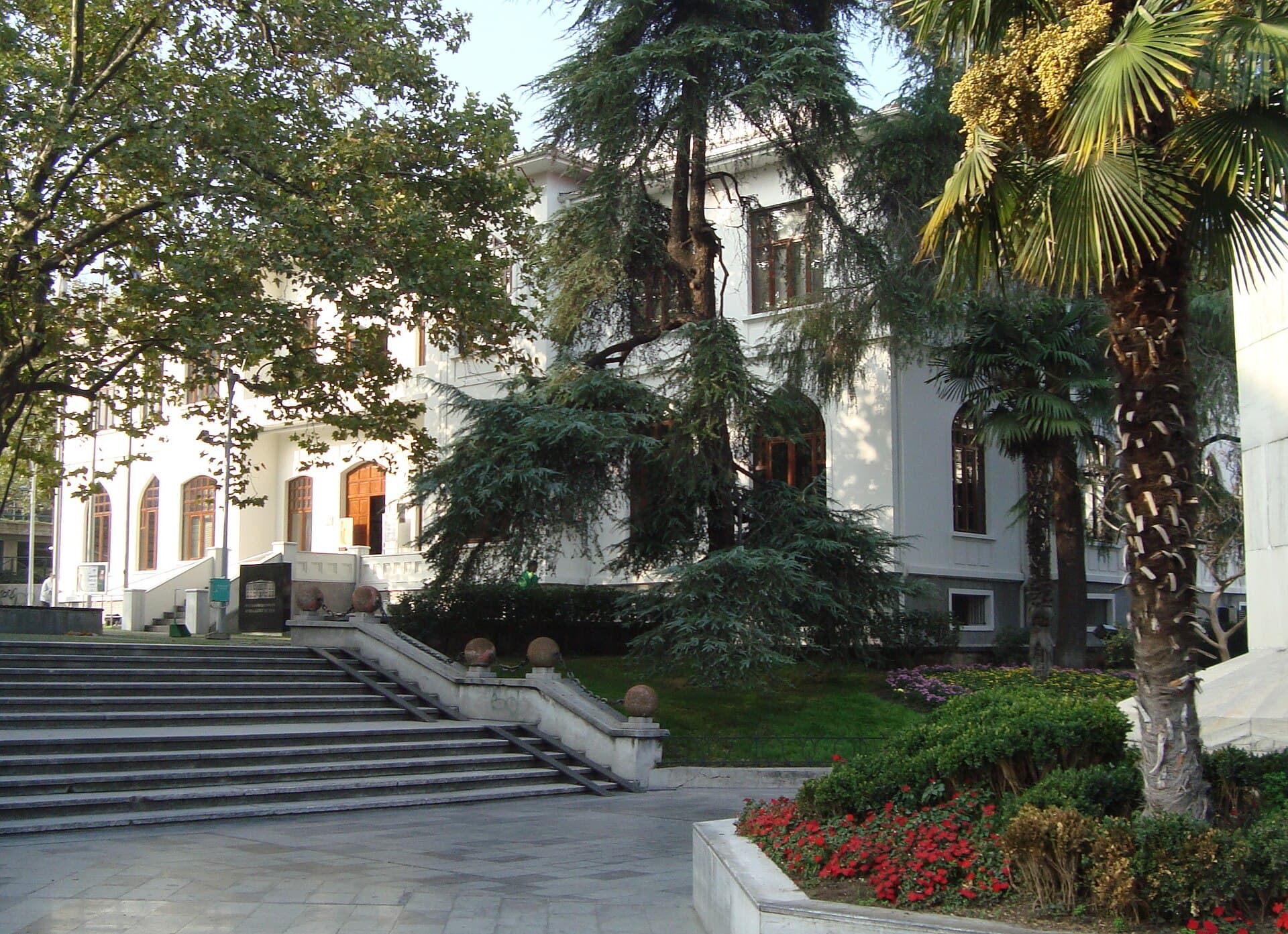 Bursa City MuseumTurkey's first city museum was never built to be one: it was the courthouse. The9 min walk
Not at the expense of the Green Mosque or Uludağ. But it is free and sits directly below the Green Mosque slope, so if you are travelling with children who have had enough of mosques, an hour here and lunch in the garden will rescue the rest of the day. Without children, you can skip it with a clear conscience.
Mostly, yes. The ground is largely level and the paths between the halls and the garden are wide, and parking is inside the grounds. The free audio-guide app includes a dedicated children's tour.
Sign in to write your review of this place.
No reviews yet — be the first.