
The star bastions
Projecting angles giving mutual covering fire.
putnik — CC BY-SA 4.0 · putnik — CC BY-SA 4.0 · Kaiser87 — CC BY-SA 3.0 · SchiDD — CC BY-SA 4.0
Gripe is a seventeenth-century Venetian military work on a rise east of the old town, built in haste during the Cretan War with the Ottomans when the danger came close to Split itself — one of the few examples of a complete Venetian fortification outside the city walls. The design is of the star fort type: low thick walls with bastions projecting at the corners so that fire can cover the adjacent faces — the same logic you see in Zadar's walls, but in a free-standing work on high ground. The fortress today houses the Croatian Maritime Museum, which makes the visit doubly useful: a collection on navigation in the Adriatic since antiquity, with ship models, charts, navigational instruments and torpedoes — Split and Rijeka both had a part in the torpedo's development in the nineteenth century. The site is elevated, so the view over the city and harbour is good.
Projecting angles giving mutual covering fire.
Split and Rijeka in the torpedo's history.
Glagoljasa 18, 21000 Split
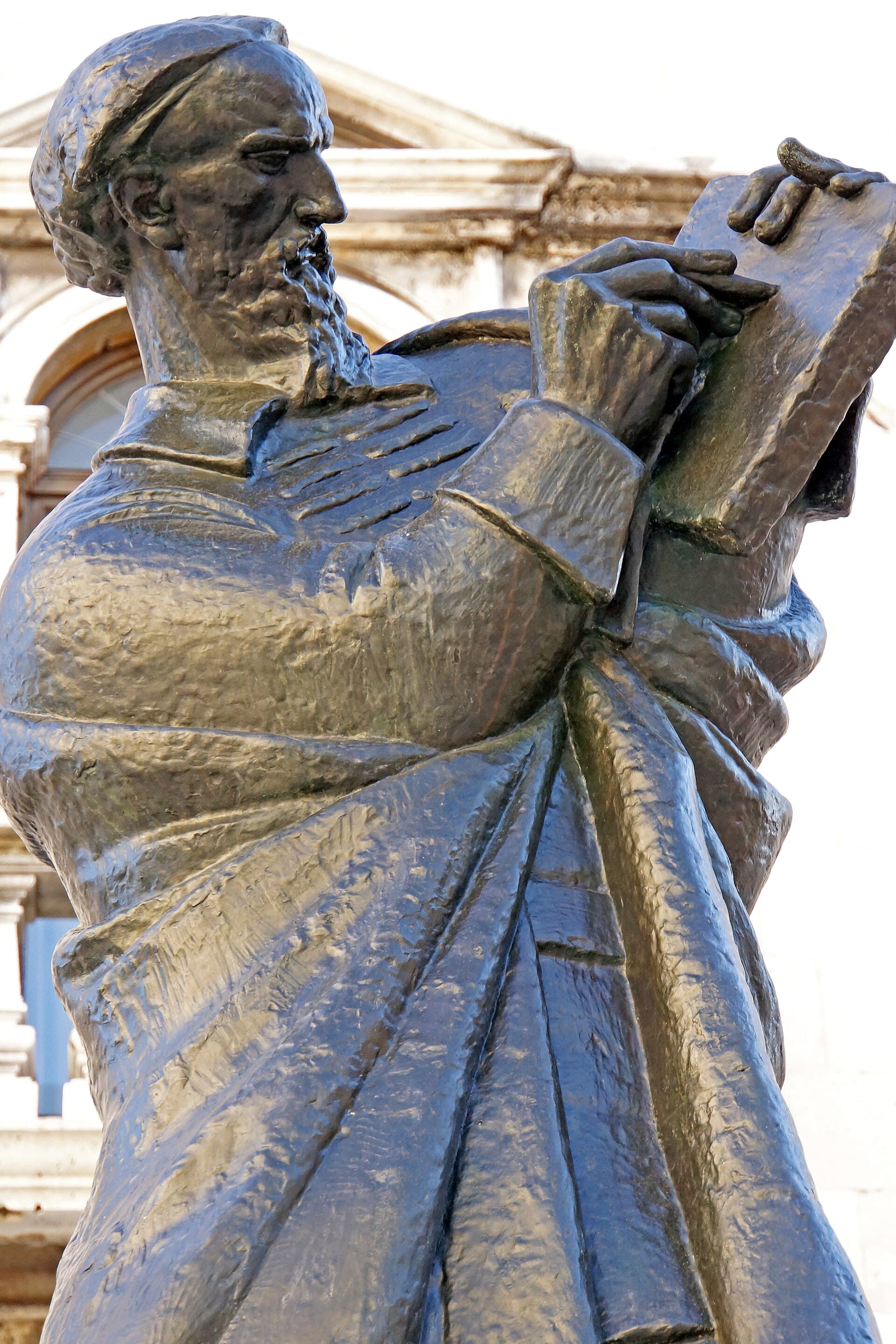 Marulić PalaceA historic house in old Split associated with the Marulić family, which produced6 minutes walk4.4
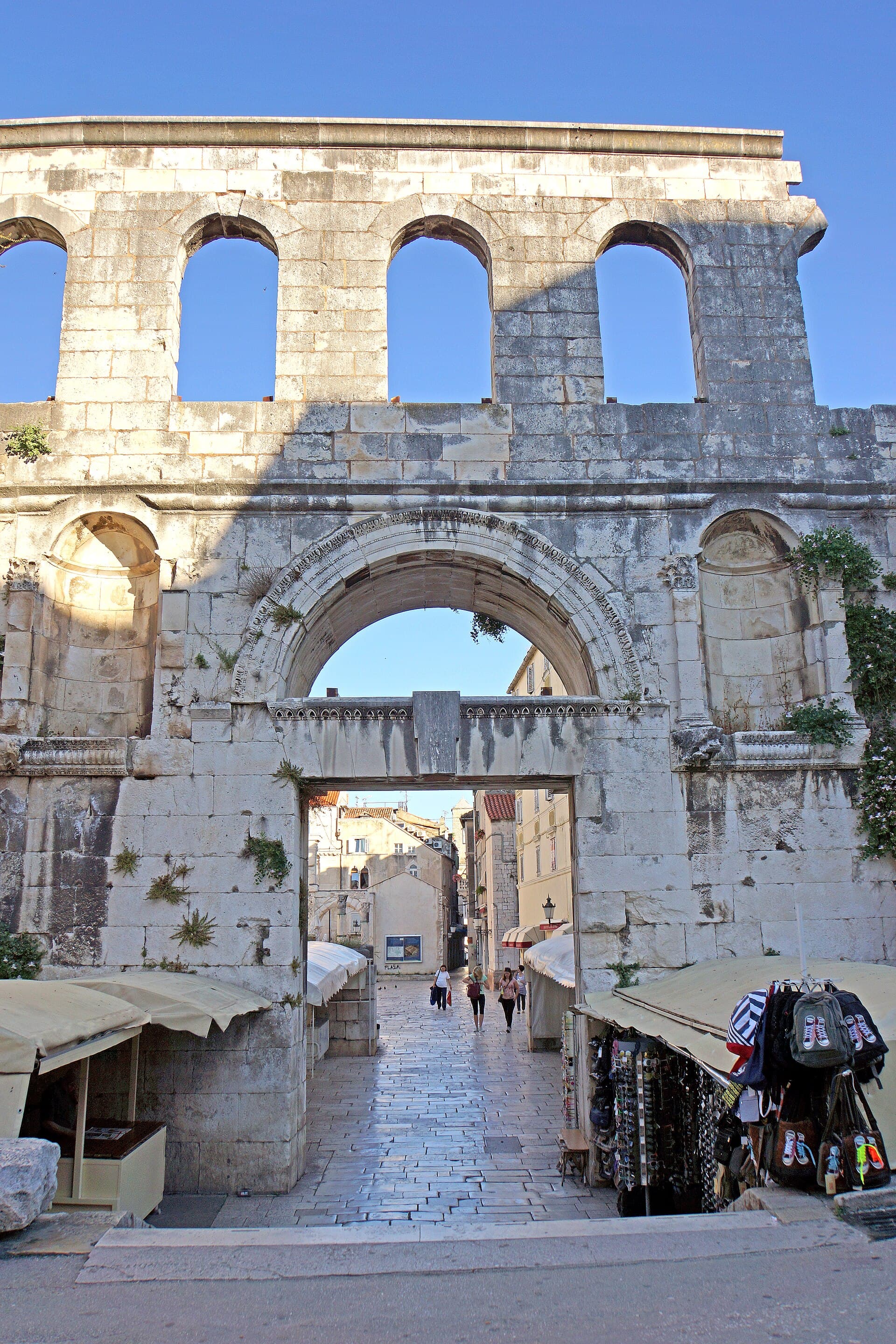 The Silver Gate and Eastern WallThe eastern gate of Diocletian's Palace and the wall it stands in, at the end ov6 minutes walk4.6
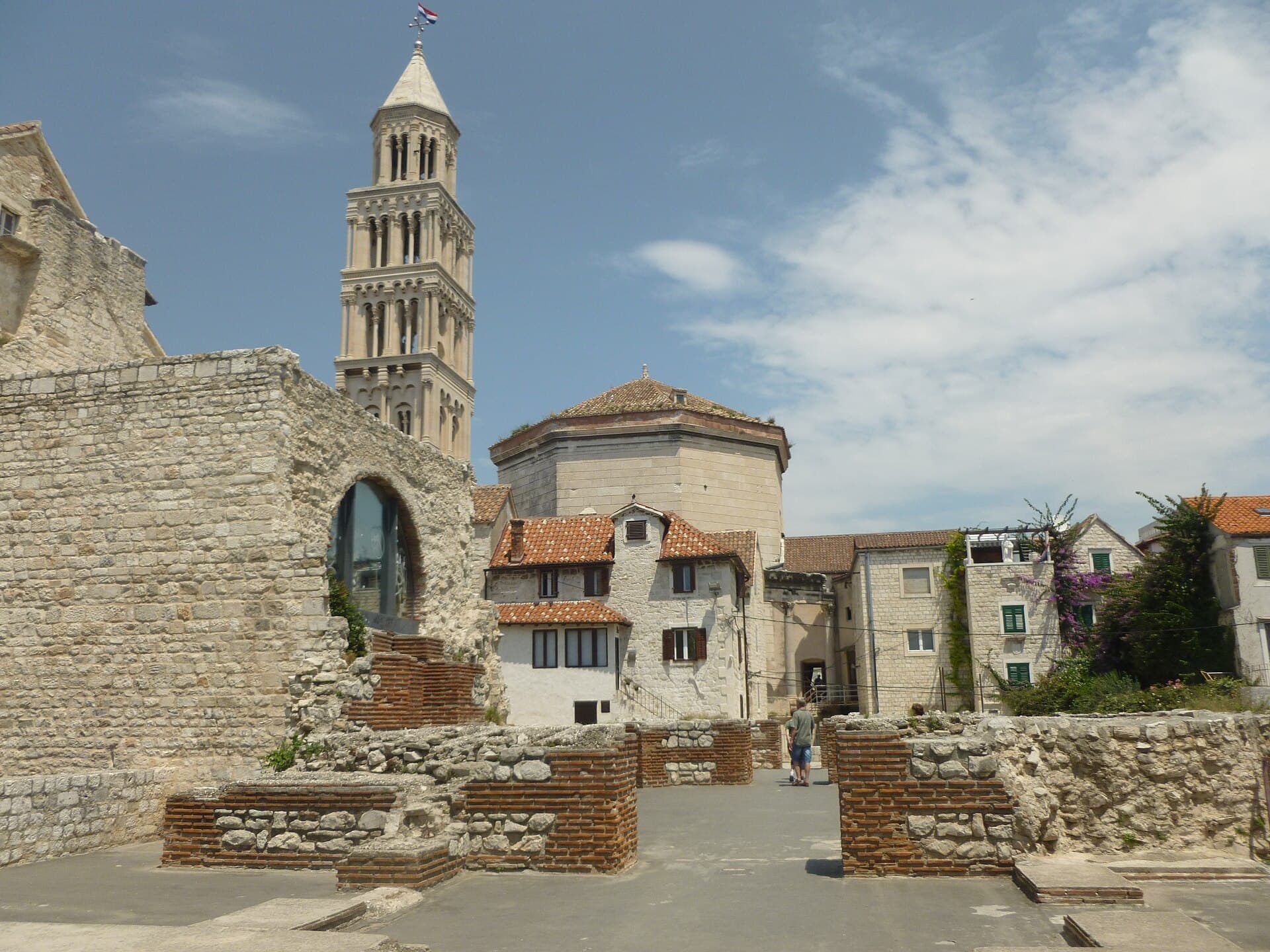 The Imperial TricliniumA hall in the substructures of Diocletian's Palace known as the triclinium — the7 minutes walk4.5
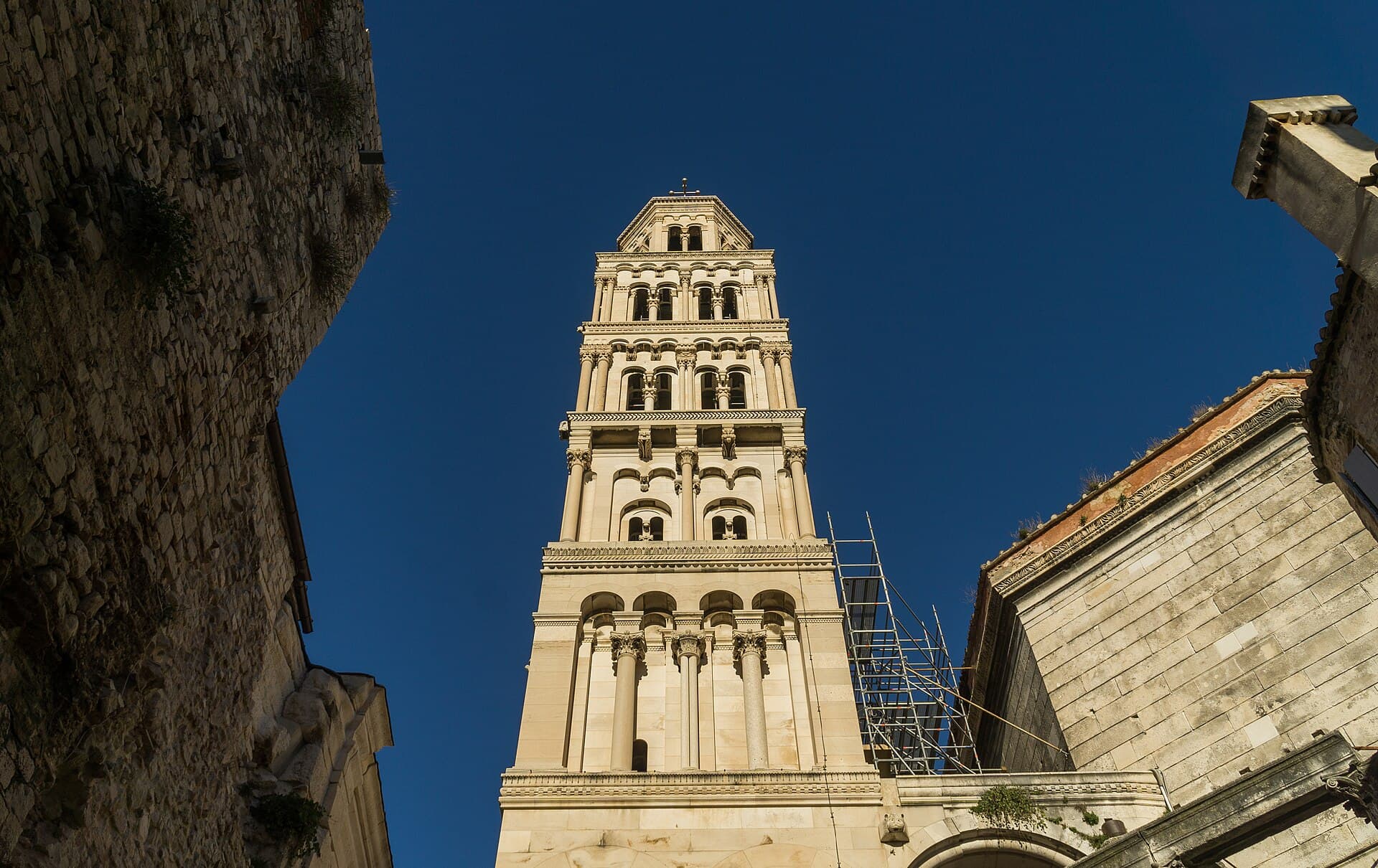 St. Domnius Cathedral & Jupiter's TempleSt. Domnius is history's quiet revenge: the mausoleum of Diocletian — the Christ7 minutes walk4.7
 The PeristyleThe Peristyle is the central court of Diocletian's Palace: a rectangular space e7 minutes walk4.3
A long war between Venice and the Ottoman Empire from 1645 to 1669 centred on Crete. Its fighting spread to the Dalmatian coast, and Ottoman forces came close to Split from inland by way of Klis. That is why Gripe was built quickly on the eastern hill: without it, any army holding that hill could have bombarded the city from above. The fortress was never tested in a major battle, but it changed an attacker's arithmetic.