
Asplund's extension
A modern wing added to a historic front without imitating it.
Andrzej Otrębski — CC BY-SA 3.0 · Averater — CC BY-SA 3.0 · Andrzej Otrębski — CC BY-SA 4.0 · Andrzej Otrębski — CC BY-SA 4.0
Gustaf Adolfs torg is Gothenburg's official square, ringed by its administrative buildings: the **City Hall**, the **Exchange**, and the **county courthouse**, to which the architect **Gunnar Asplund** added an extension in 1937 — a building taught in architecture schools as an example of adding a modern wing to a historic front without either imitating it or contradicting it. At its centre is the statue of **Gustavus Adolphus**, who founded the city in 1621, his hand pointing at the ground — and the local account is that he is indicating the spot, saying here I shall build my city. The statue is a copy: the original, cast in Germany, went down with the ship carrying it. On **6 November** each year, the anniversary of the king's death at the battle of Lützen, a ceremony is held here and a wreath laid. The canal runs past one side, and the Paddan sightseeing boats that tour the city's canals leave from it. **The square is free and always open.**
A modern wing added to a historic front without imitating it.
Leaving from the canal at the square's edge.
Gustaf Adolfs torg, Gothenburg
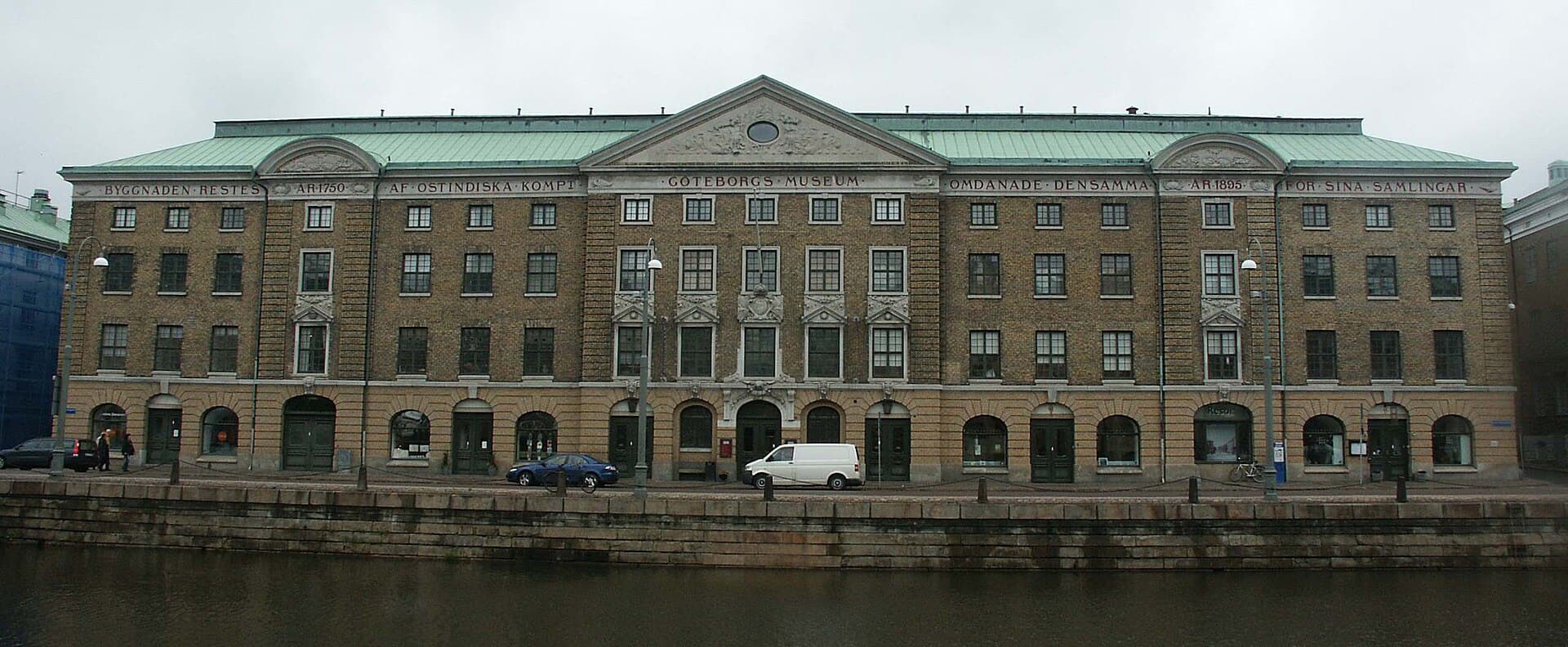 The Museum of GothenburgThe Museum of Gothenburg occupies the Swedish East India Company building of 1753 minutes walk4.5
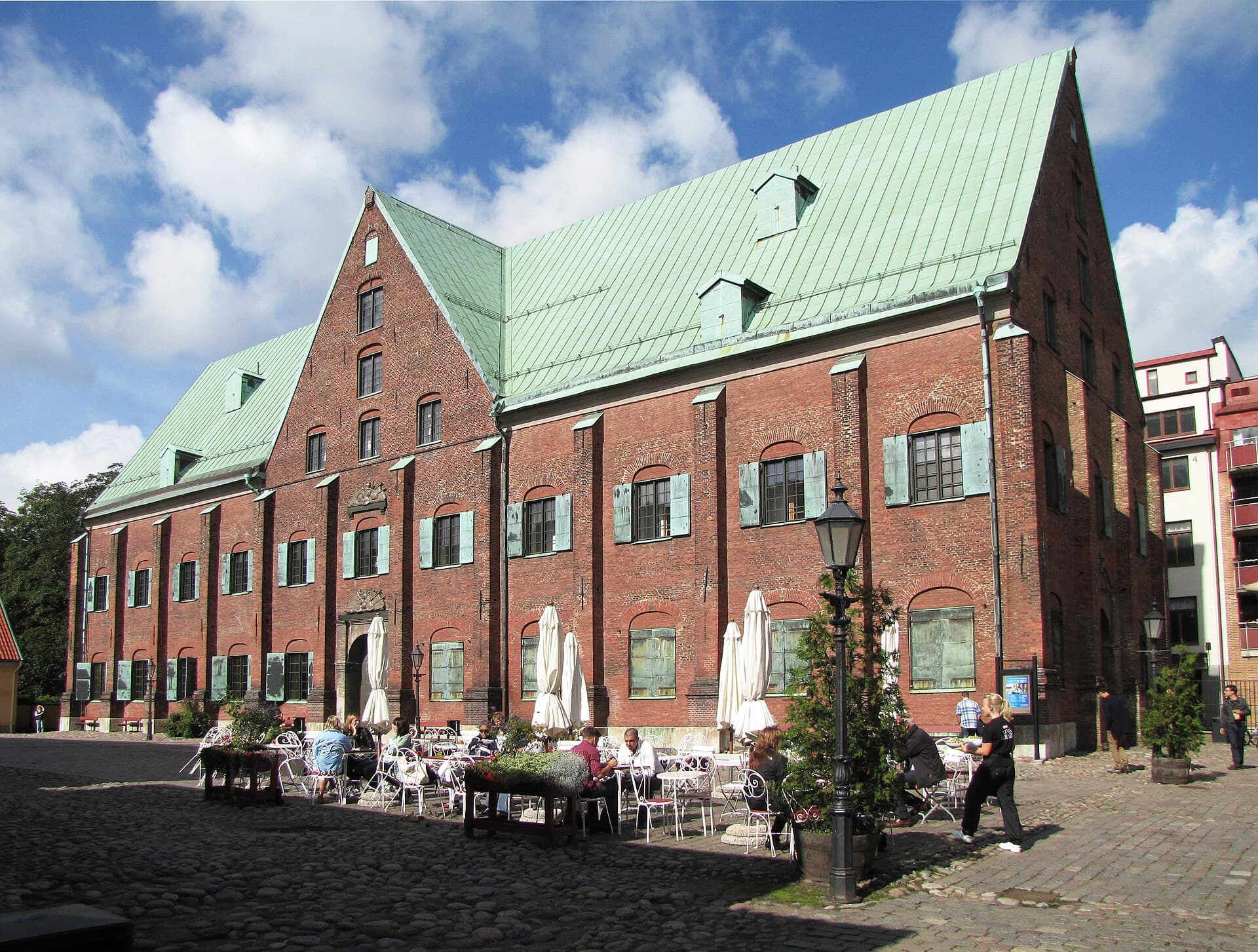 Kronhuset and the KronhusbodarnaKronhuset is **the oldest standing building in Gothenburg**: a red brick arsenal3 minutes walk4.1
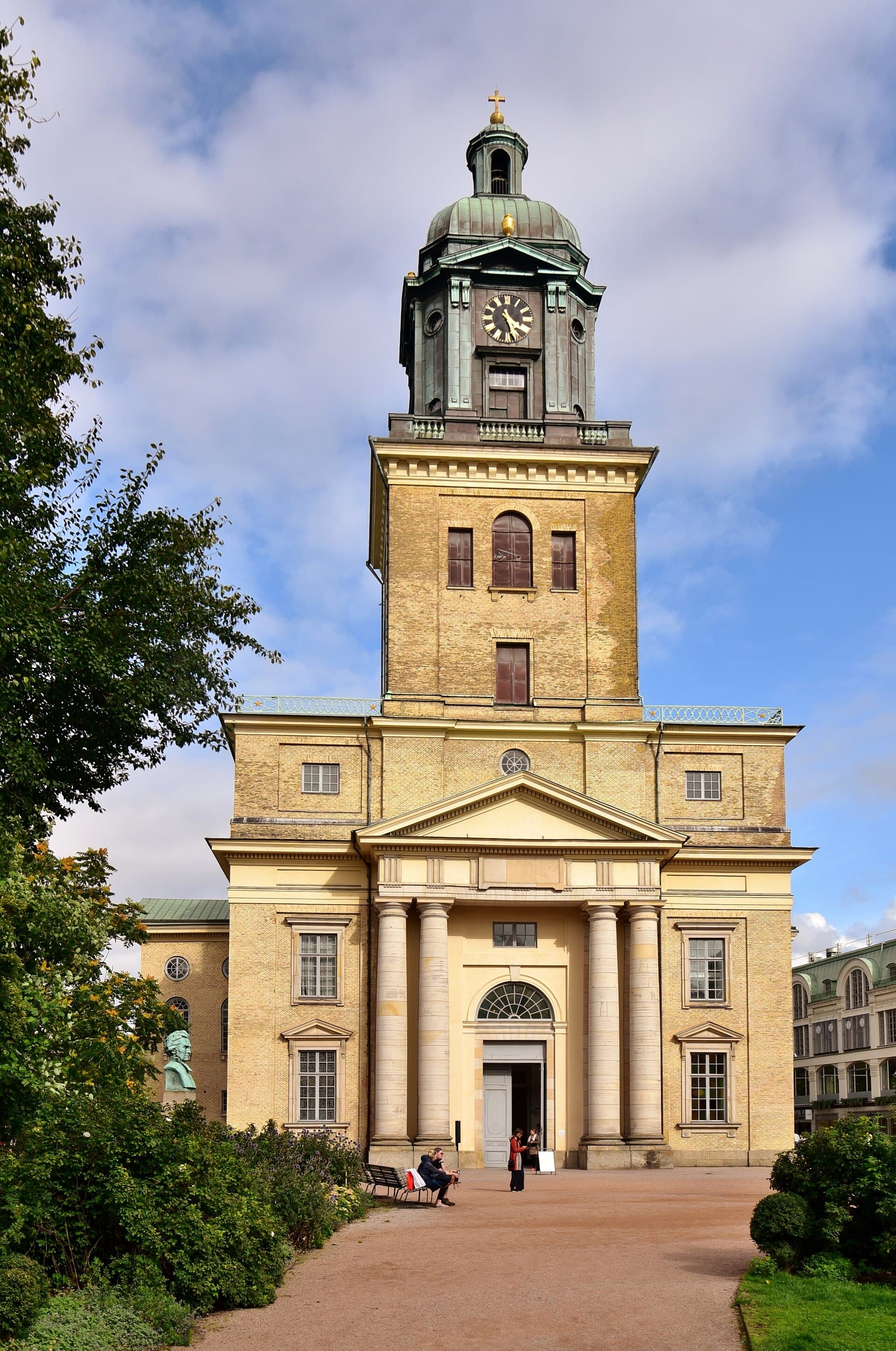 Gothenburg CathedralGothenburg Cathedral stands in the middle of the city, and is the **third** buil4 minutes walk4.5
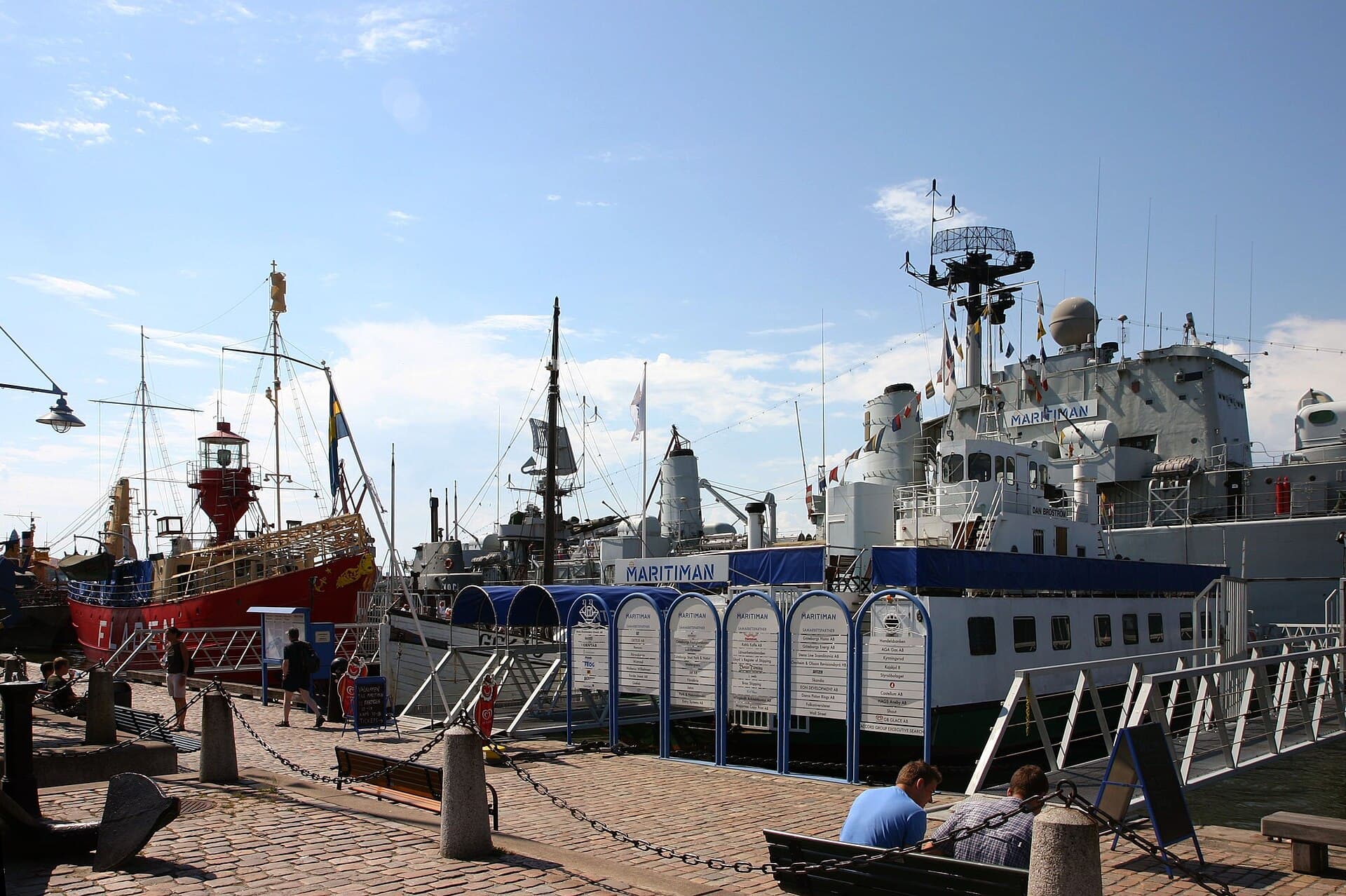 Maritiman — the Floating Maritime MuseumMaritiman is **the largest floating ship museum in the world**: nineteen histori5 minutes walk4.5
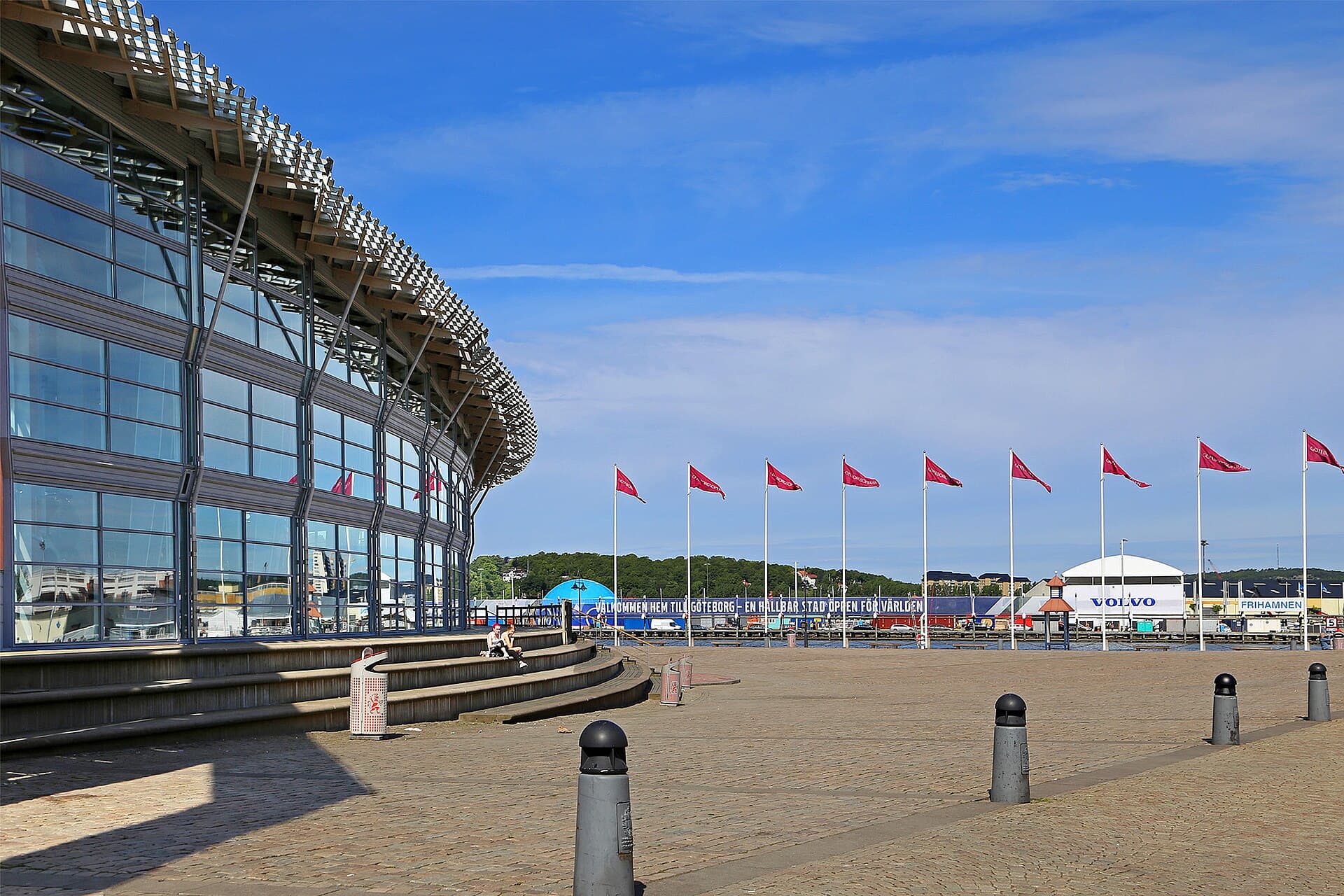 The Gothenburg OperaThe Gothenburg Opera stands directly on the harbour edge, opened in 1994, and it6 minutes walk4.7
King of Sweden from 1611 to 1632, and regarded as one of the most important military commanders in European history. He brought Sweden into the Thirty Years' War on the Protestant side and turned it from a peripheral kingdom into a great power that dominated the Baltic for a century. His military reforms — light mobile artillery, smaller and faster infantry formations, standardised training — were copied across Europe's armies and some are still taught. He founded Gothenburg in 1621 and several other Swedish towns. He was killed at the battle of Lützen in 1632 at thirty-seven, and Swedes call him the Lion of the North.