
The cobbled courtyard
Eighteenth-century timber workshops around it.
Rolf Broberg — CC BY-SA 3.0 · Bahnfrend — CC BY-SA 4.0 · Andrzej Otrębski — CC BY-SA 4.0 · Andrzej Otrębski — CC BY-SA 4.0
Kronhuset is **the oldest standing building in Gothenburg**: a red brick arsenal built between 1643 and 1655, only about twenty years after the city was founded. It served as a store for arms and ammunition, but it has a moment in Swedish history: the **Swedish parliament** met here in 1660, and in this hall Charles XI was proclaimed king at the age of four after his father died suddenly in the city. The great hall on the upper floor survives as it was and is used for concerts for its acoustics. Around the building are the **Kronhusbodarna** — a row of craft workshops in eighteenth-century timber buildings around a cobbled courtyard: a silversmith, a glassblower, a watchmaker, a potter and a café. These are working workshops rather than tourist fronts, and you can watch the work being done. **The courtyard and the workshops are free**, and the hall can be entered when nothing is on. The quietest corner in central Gothenburg.
Eighteenth-century timber workshops around it.
A silversmith, a glassblower and a potter actually at work.
Kronhusgatan 1, Gothenburg
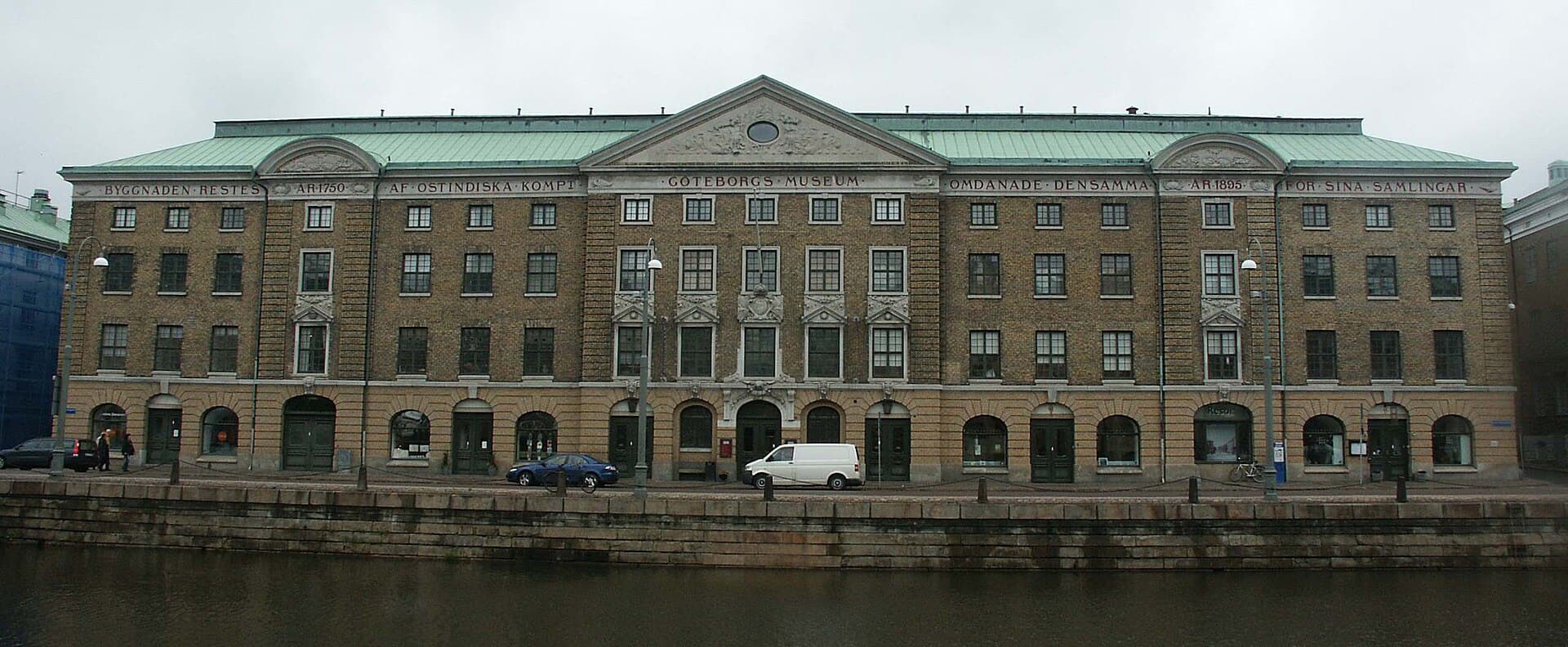 The Museum of GothenburgThe Museum of Gothenburg occupies the Swedish East India Company building of 1752 minutes walk4.5
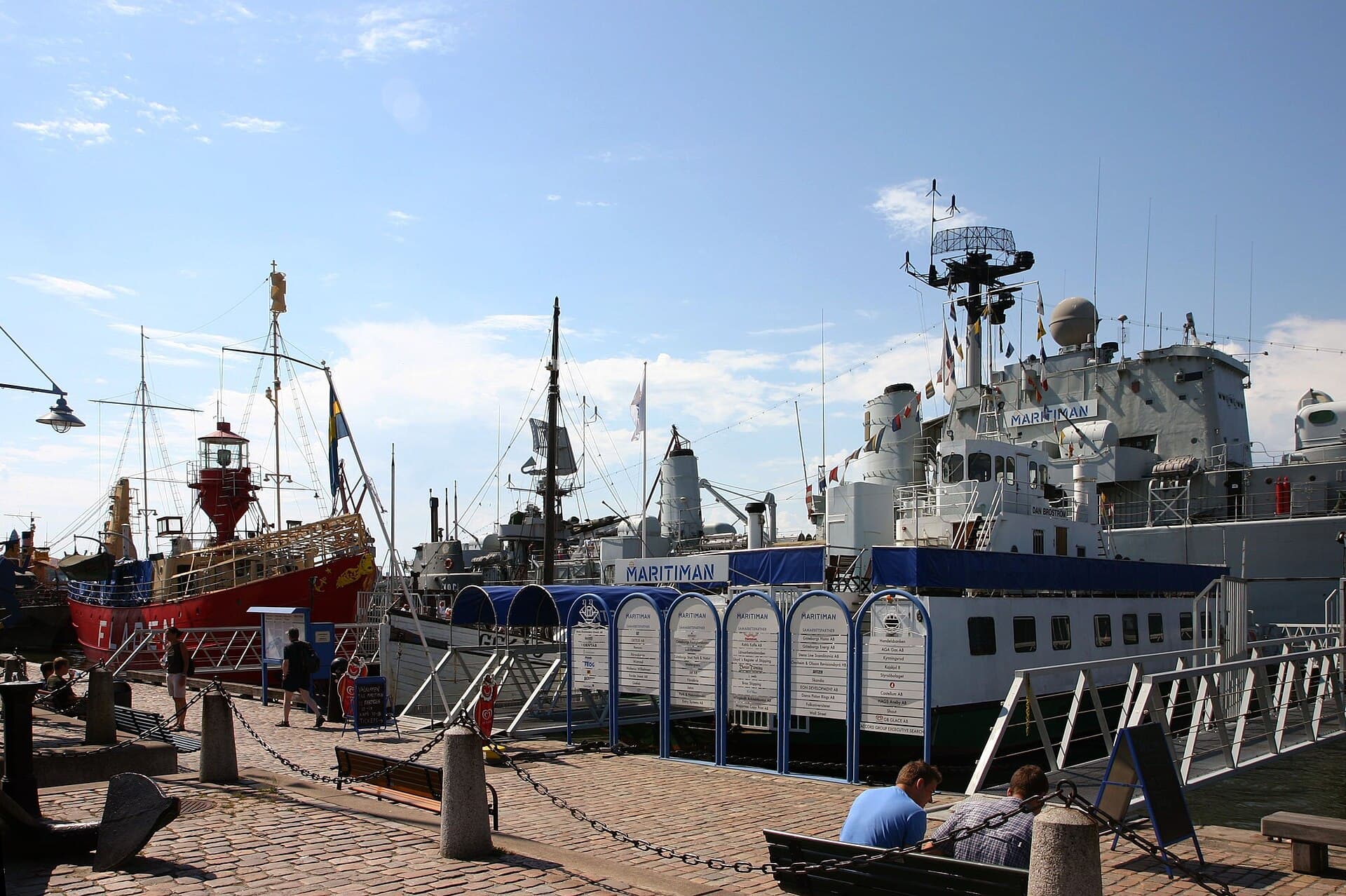 Maritiman — the Floating Maritime MuseumMaritiman is **the largest floating ship museum in the world**: nineteen histori2 minutes walk4.5
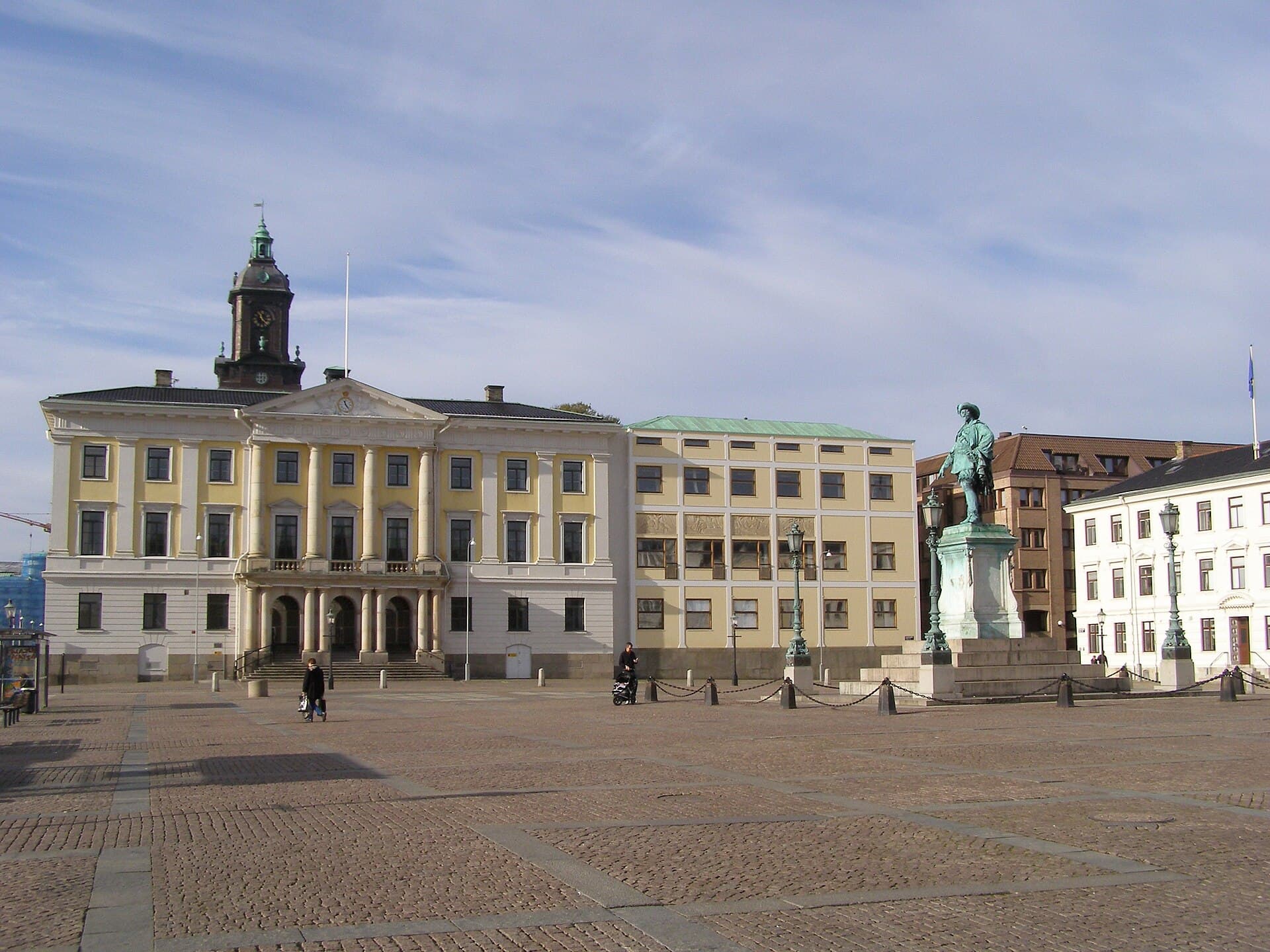 Gustaf Adolfs torgGustaf Adolfs torg is Gothenburg's official square, ringed by its administrative3 minutes walk4.1
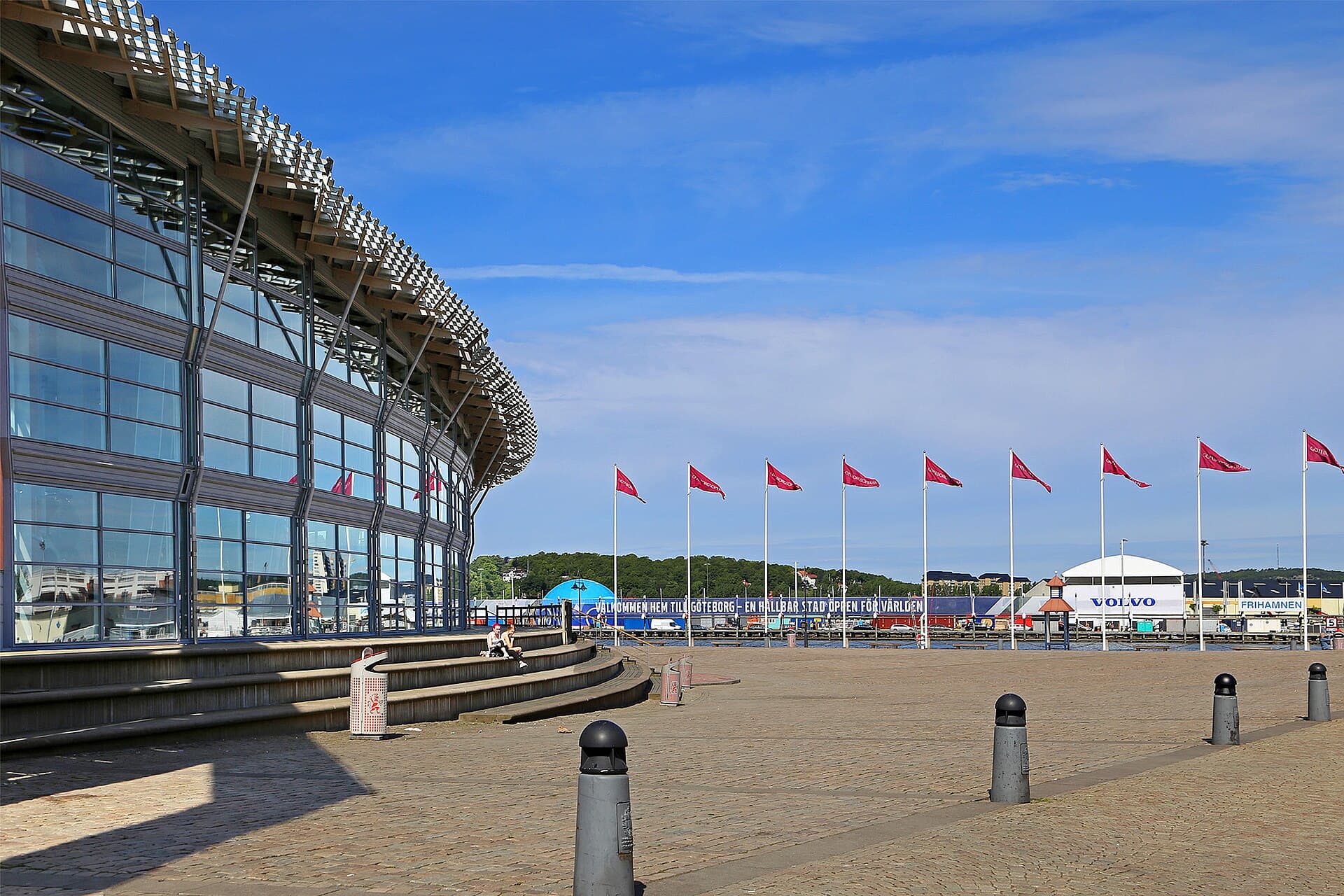 The Gothenburg OperaThe Gothenburg Opera stands directly on the harbour edge, opened in 1994, and it4 minutes walk4.7
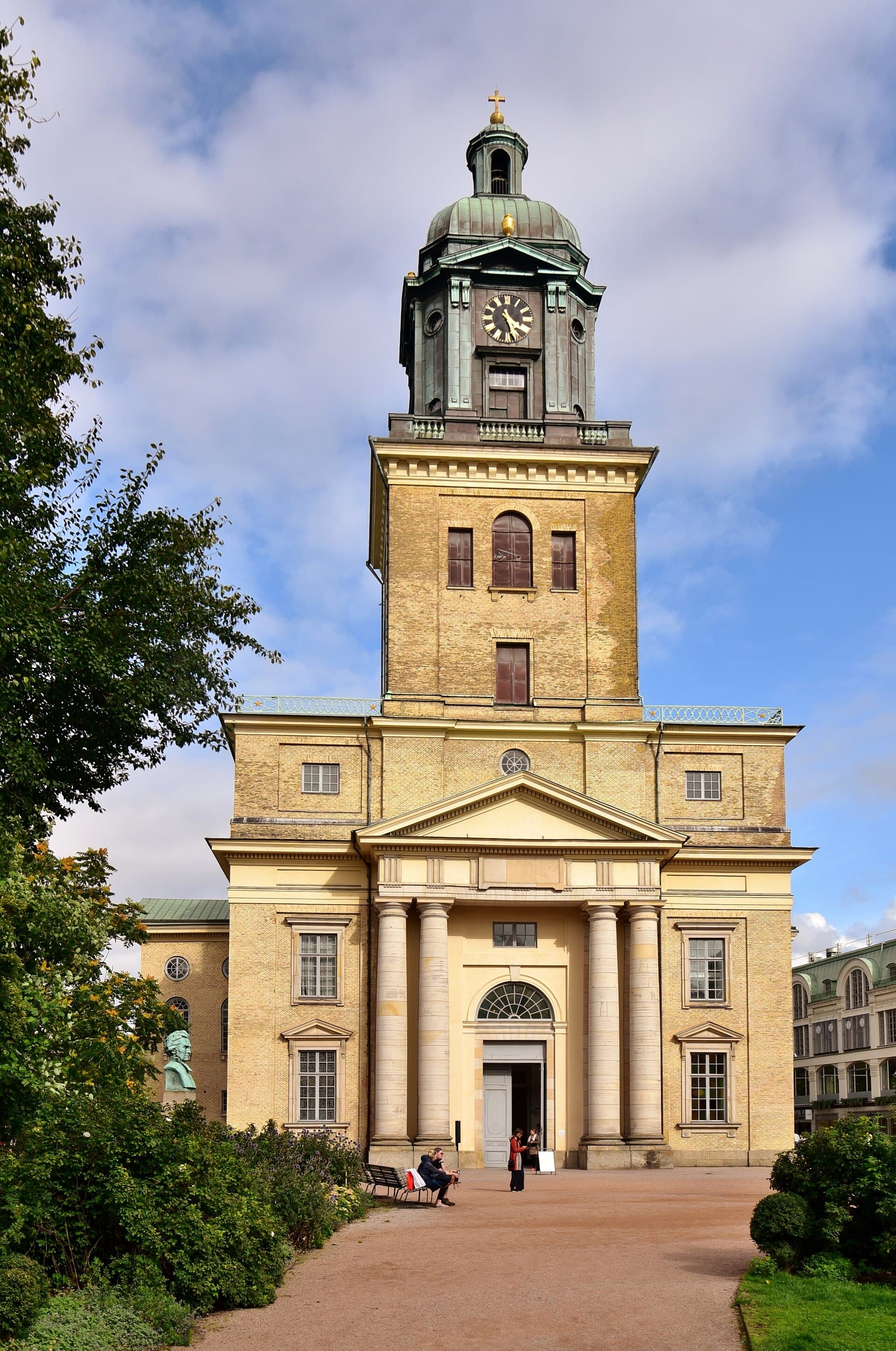 Gothenburg CathedralGothenburg Cathedral stands in the middle of the city, and is the **third** buil5 minutes walk4.5
Be wary of airport shops and gift shops on tourist streets — most of their stock is imported. The real places are of three kinds. **Craftsmen's workshops** like the Kronhusbodarna here, where you buy from the maker directly. **Museum shops** — the Nordic Museum's and Skansen's in Stockholm sell genuine Swedish glass and textiles. And **Swedish glass** from the Kingdom of Crystal in Småland between Gothenburg and Kalmar, the best-known thing Sweden makes by hand. The red wooden Dala horse is genuine if it was made in Dalarna — turn it over and look for the mark.