
The neoclassical front
Columns and a pediment like a Greek temple.
Bahnfrend — CC BY-SA 4.0 · DKjellby — CC0 · Alicia Fagerving — CC BY-SA 3.0 · Alexey Komarov — CC BY 3.0
Gothenburg Cathedral stands in the middle of the city, and is the **third** building on the site: the two earlier churches burned in the fires of 1721 and 1802, and the present building dates from 1815 in the neoclassical manner. That explains its appearance, which is not what a cathedral usually looks like: a front of columns and a pediment like a Greek temple, a plain white interior without heavy ornament, and a great deal of light. Carl Wilhelm Carlberg designed it after the great fire that took a third of Gothenburg. The detail visitors remember: **two small fountains** flanking the main door, which watered the horses of worshippers coming in from the countryside — a practical trace of a time when the church was a whole district's weekly gathering point. It also has a large **organ**, with free lunchtime concerts held regularly — check the schedule at the door. **Entry is free** and the church is working, in the heart of the pedestrian shopping district.
Columns and a pediment like a Greek temple.
Free and regular at lunchtime.
Kungsgatan 20, Gothenburg
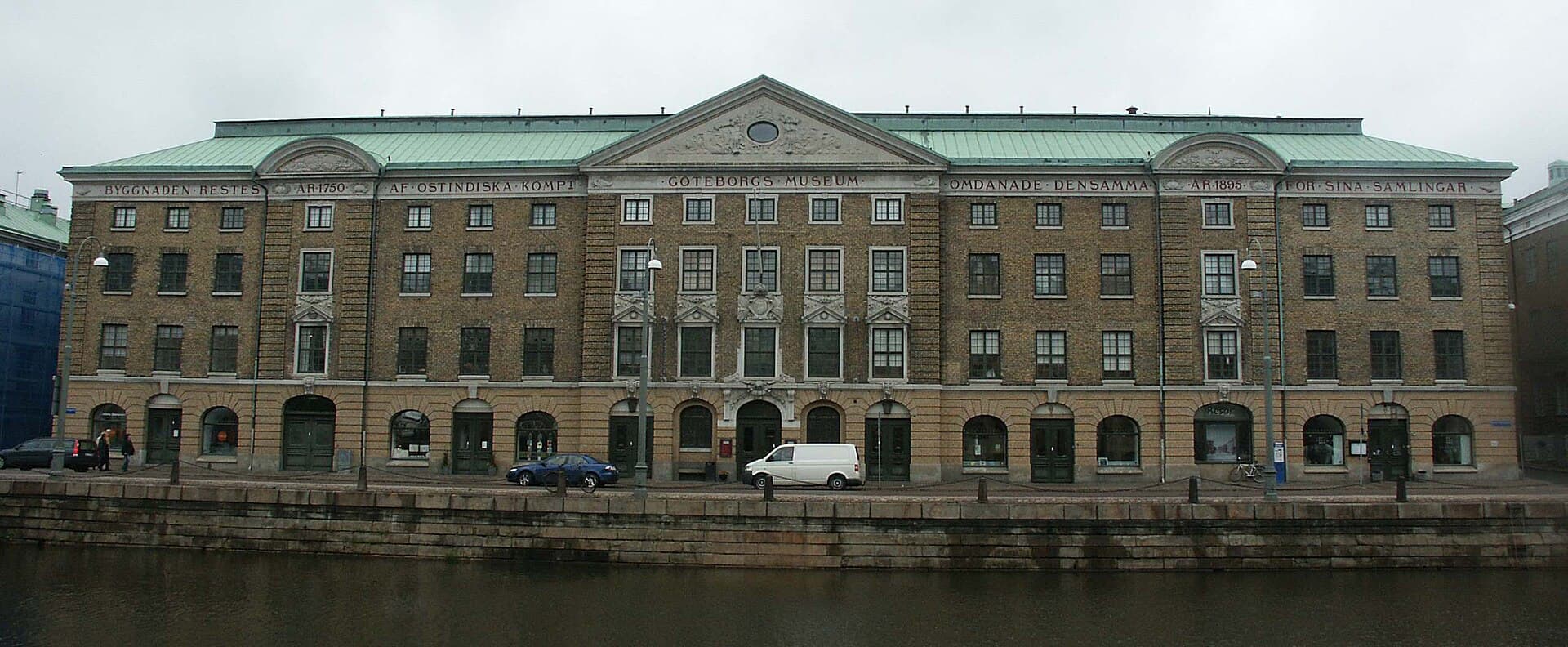 The Museum of GothenburgThe Museum of Gothenburg occupies the Swedish East India Company building of 1753 minutes walk4.5
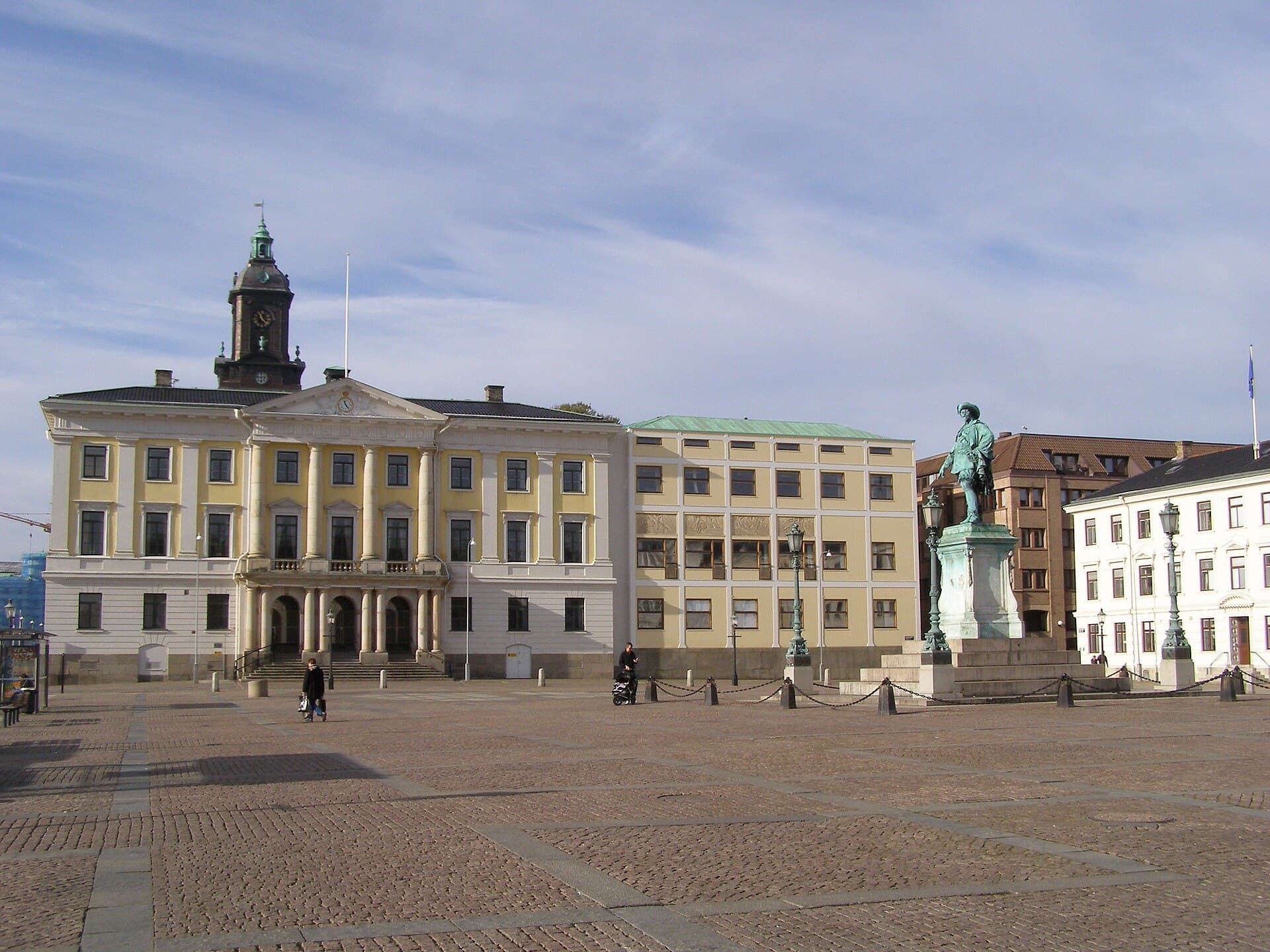 Gustaf Adolfs torgGustaf Adolfs torg is Gothenburg's official square, ringed by its administrative4 minutes walk4.1
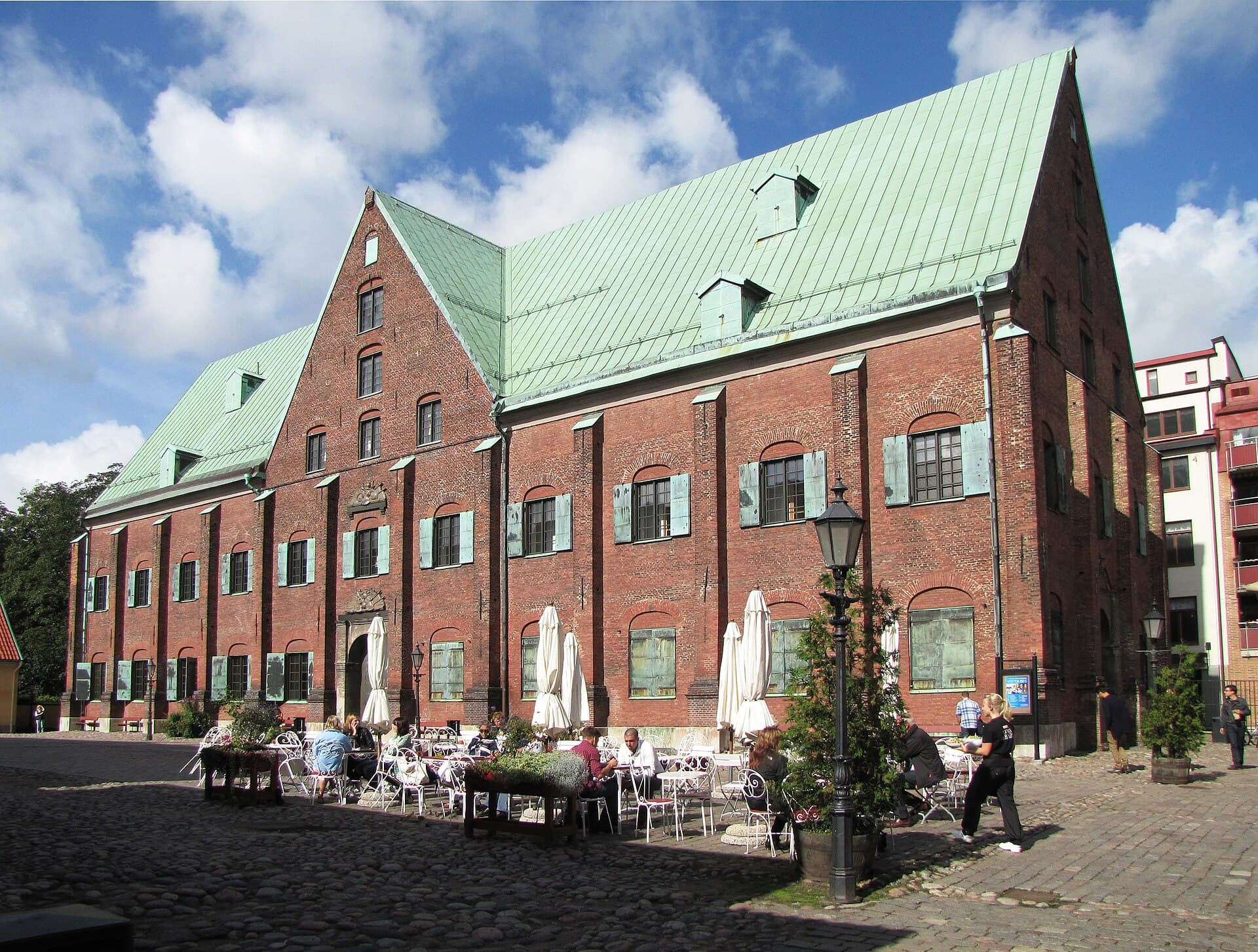 Kronhuset and the KronhusbodarnaKronhuset is **the oldest standing building in Gothenburg**: a red brick arsenal5 minutes walk4.1
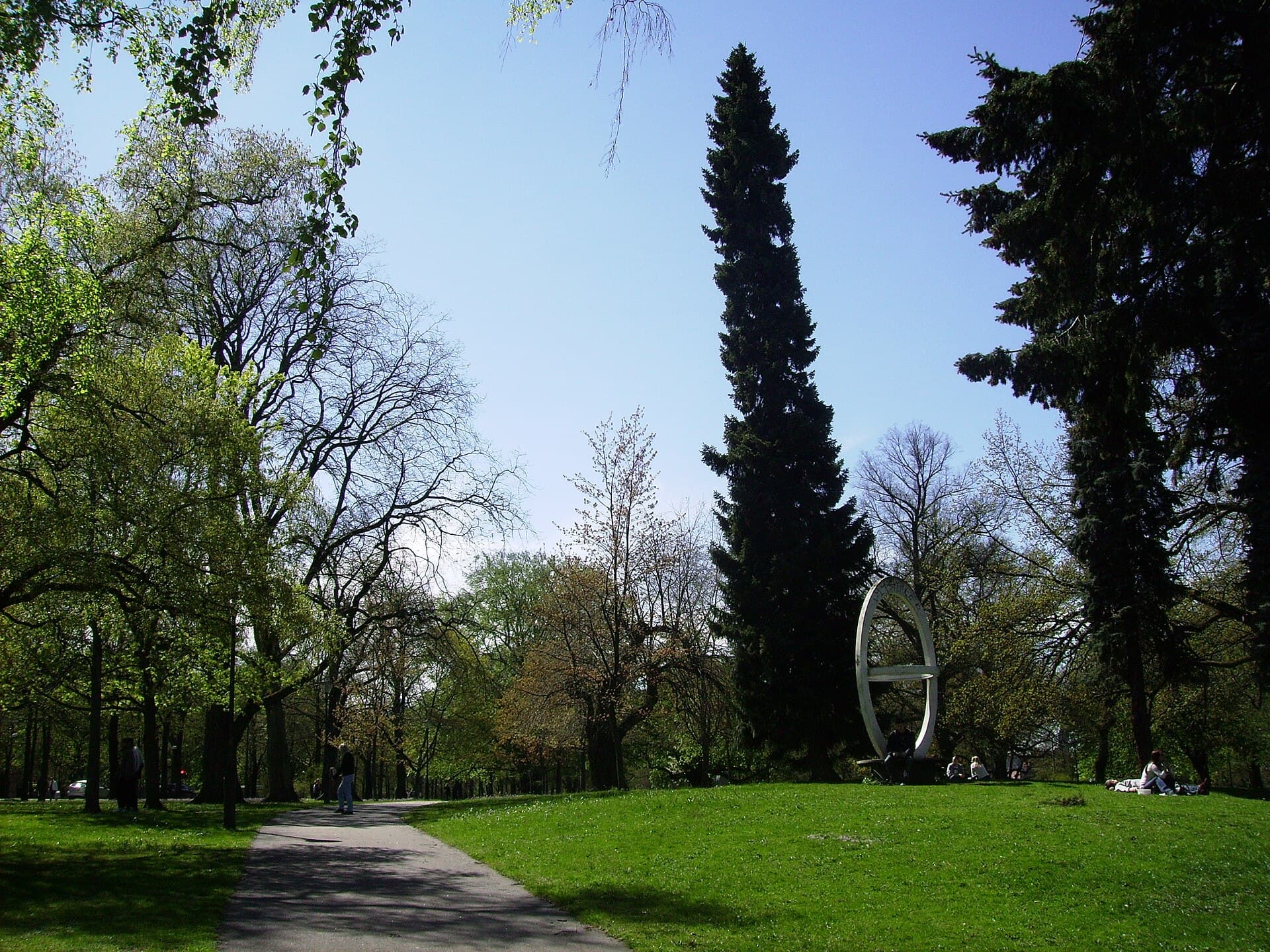 KungsparkenKungsparken is a green strip wrapping historic central Gothenburg along the line5 minutes walk4.4
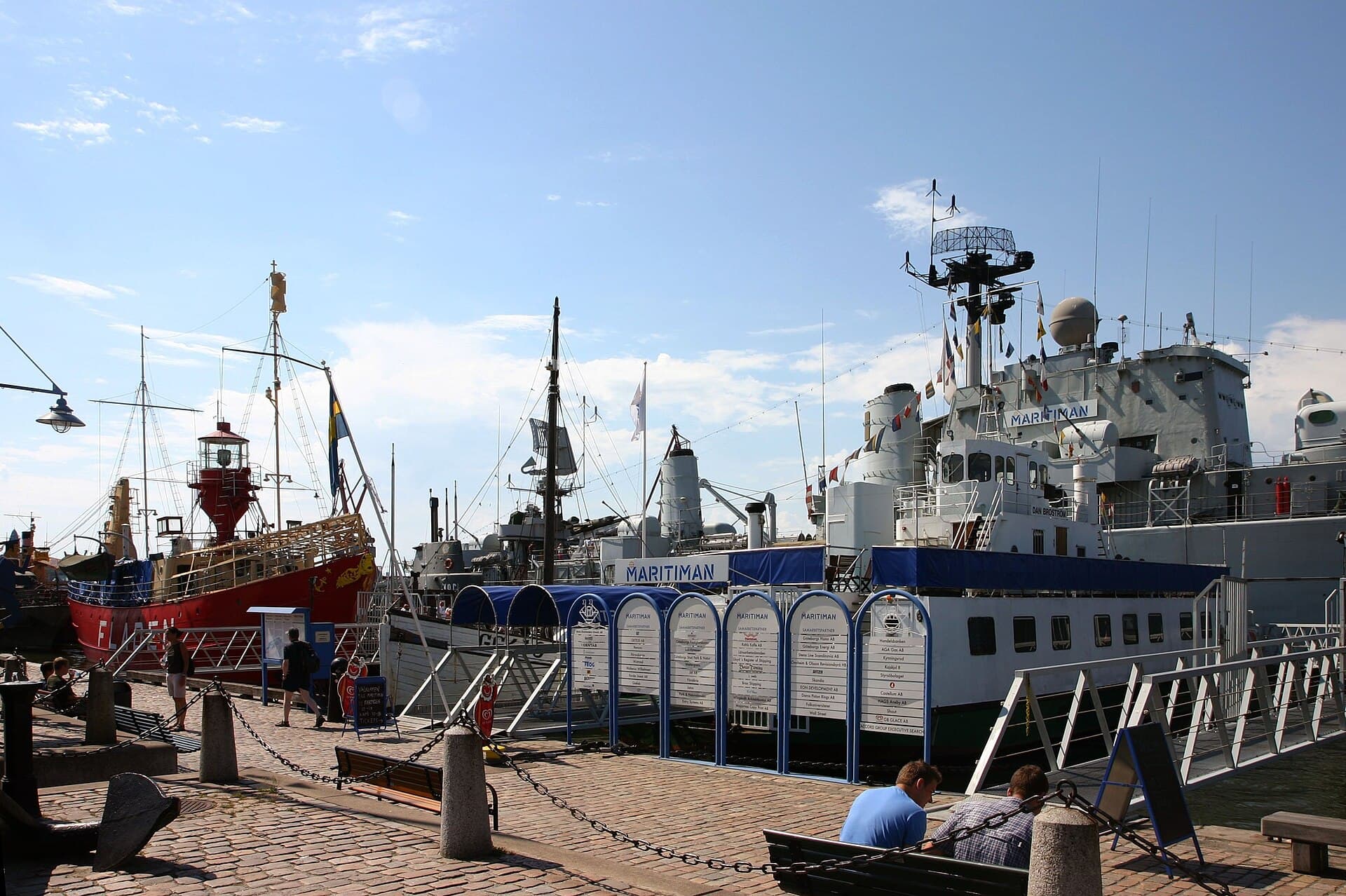 Maritiman — the Floating Maritime MuseumMaritiman is **the largest floating ship museum in the world**: nineteen histori7 minutes walk4.5
Gothenburg is Sweden's second city and its main port on the west coast, and its character is entirely different: smaller, plainer, less formal and clearly cheaper. Gustavus Adolphus founded it in 1621 with **Dutch** engineers, which is why it has canals and a grid that recalls Amsterdam. Its economy is industrial — Volvo and the shipyards — and its people are known for their dialect and their humour. The best of it: **Liseberg**, the largest funfair in Scandinavia; the timber street of **Haga**; the car-free southern archipelago; and the fish restaurants. Two days are enough.